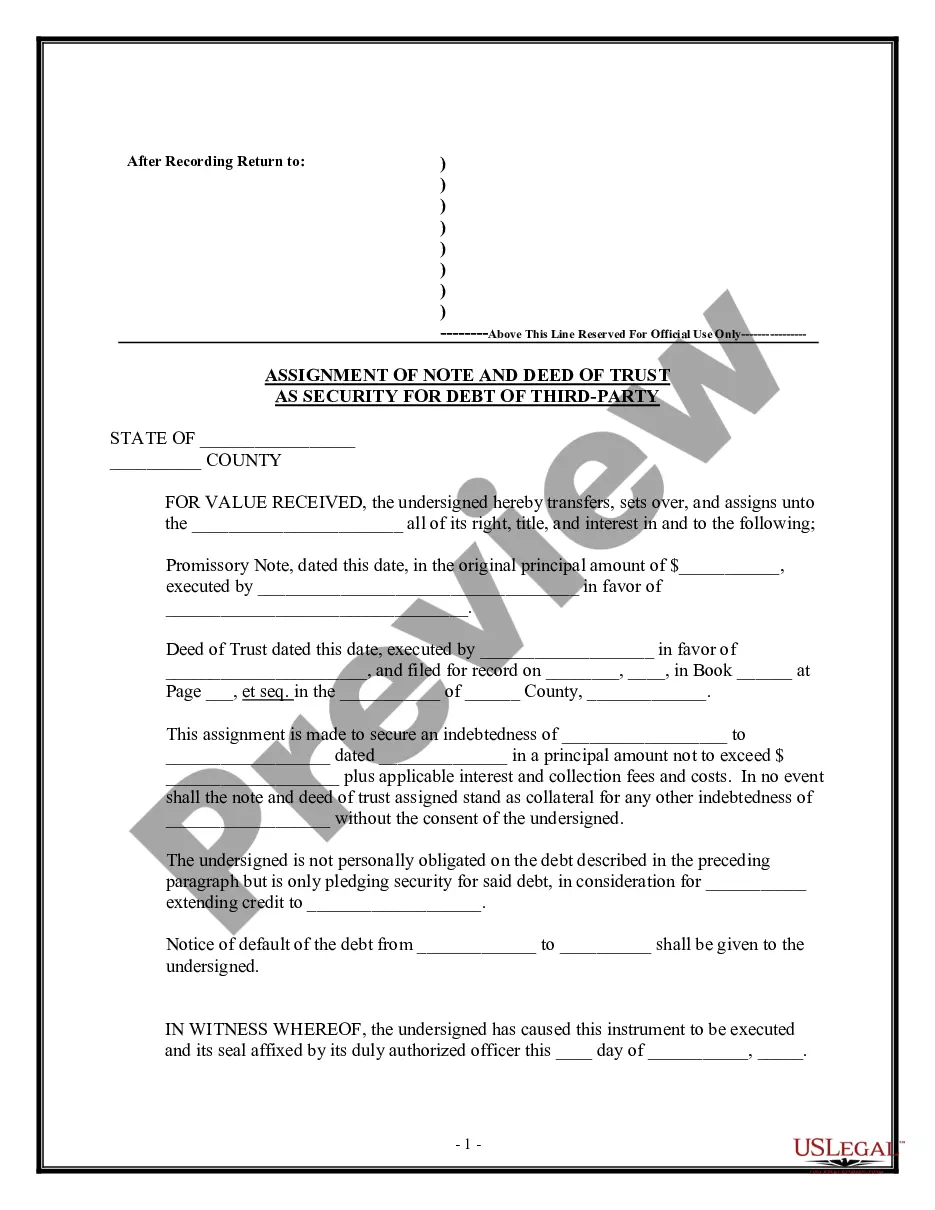
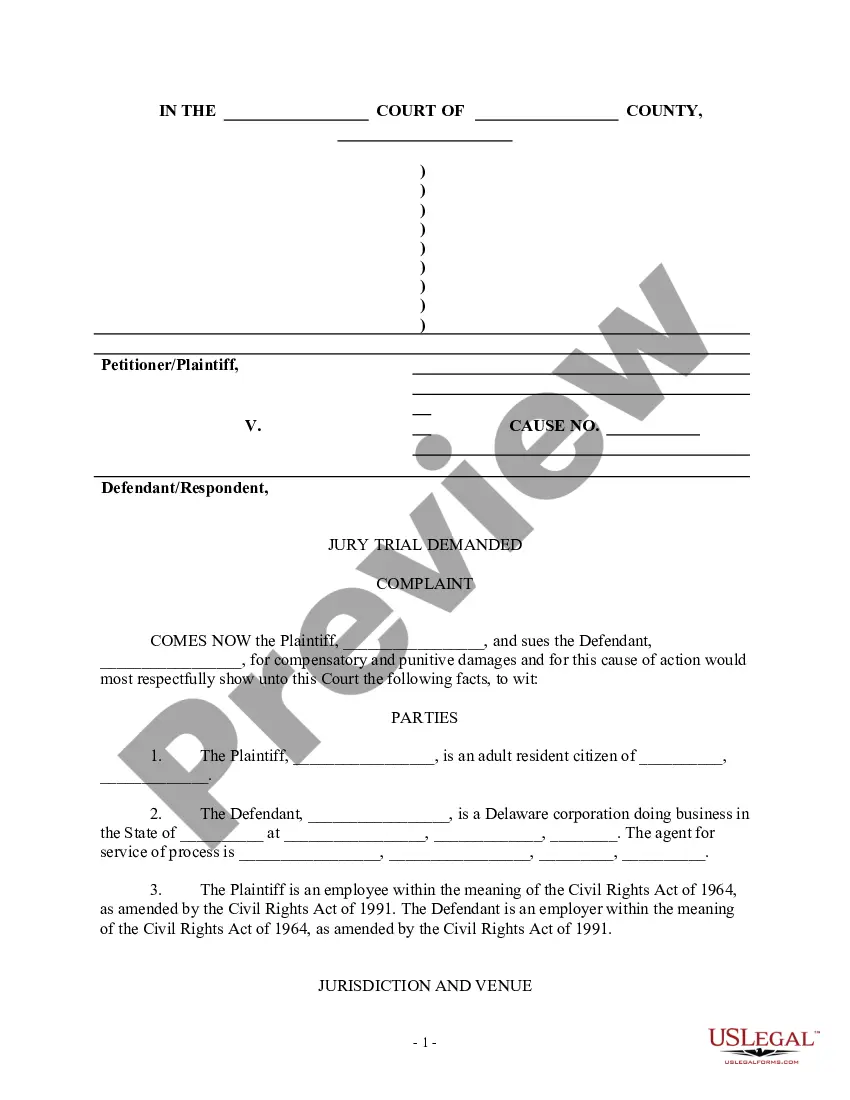
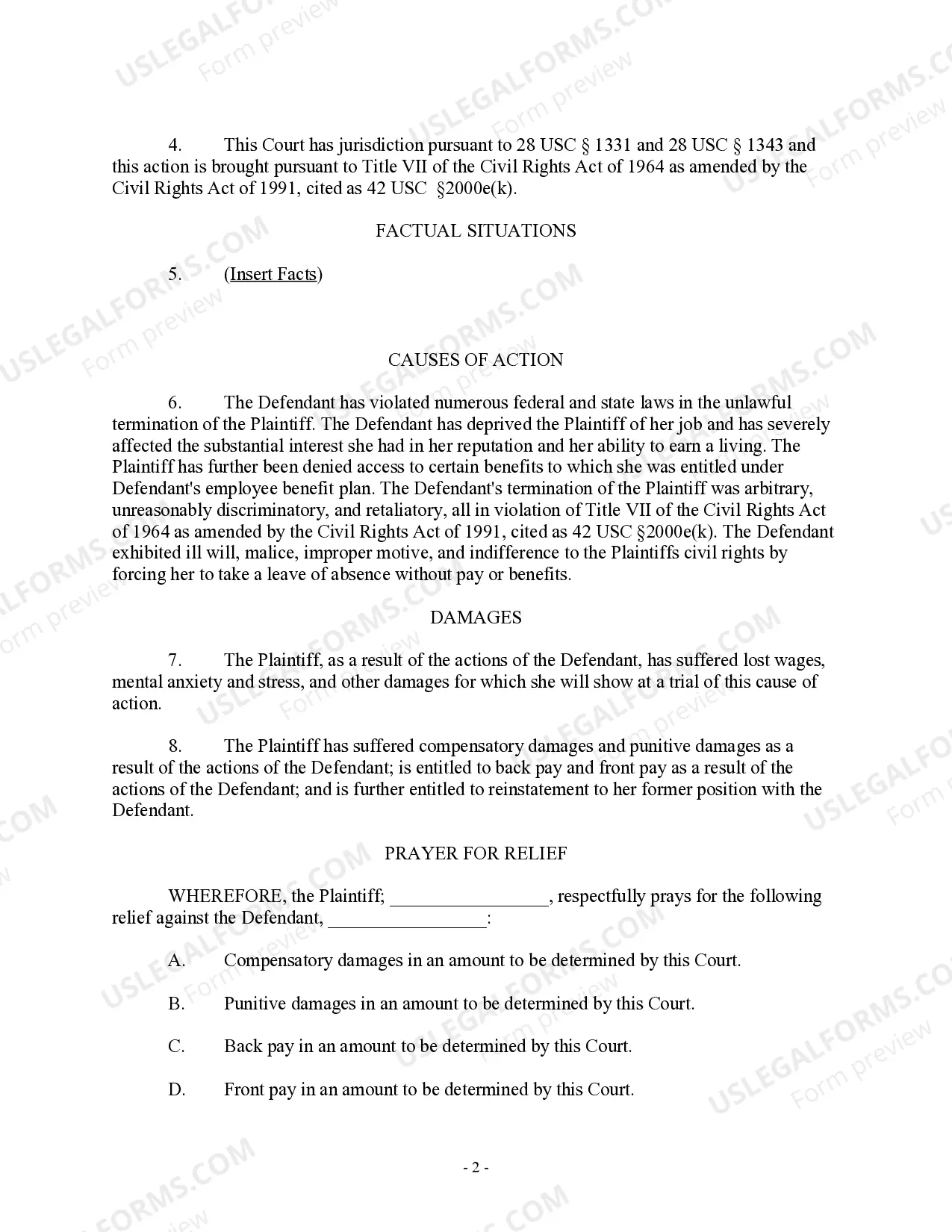
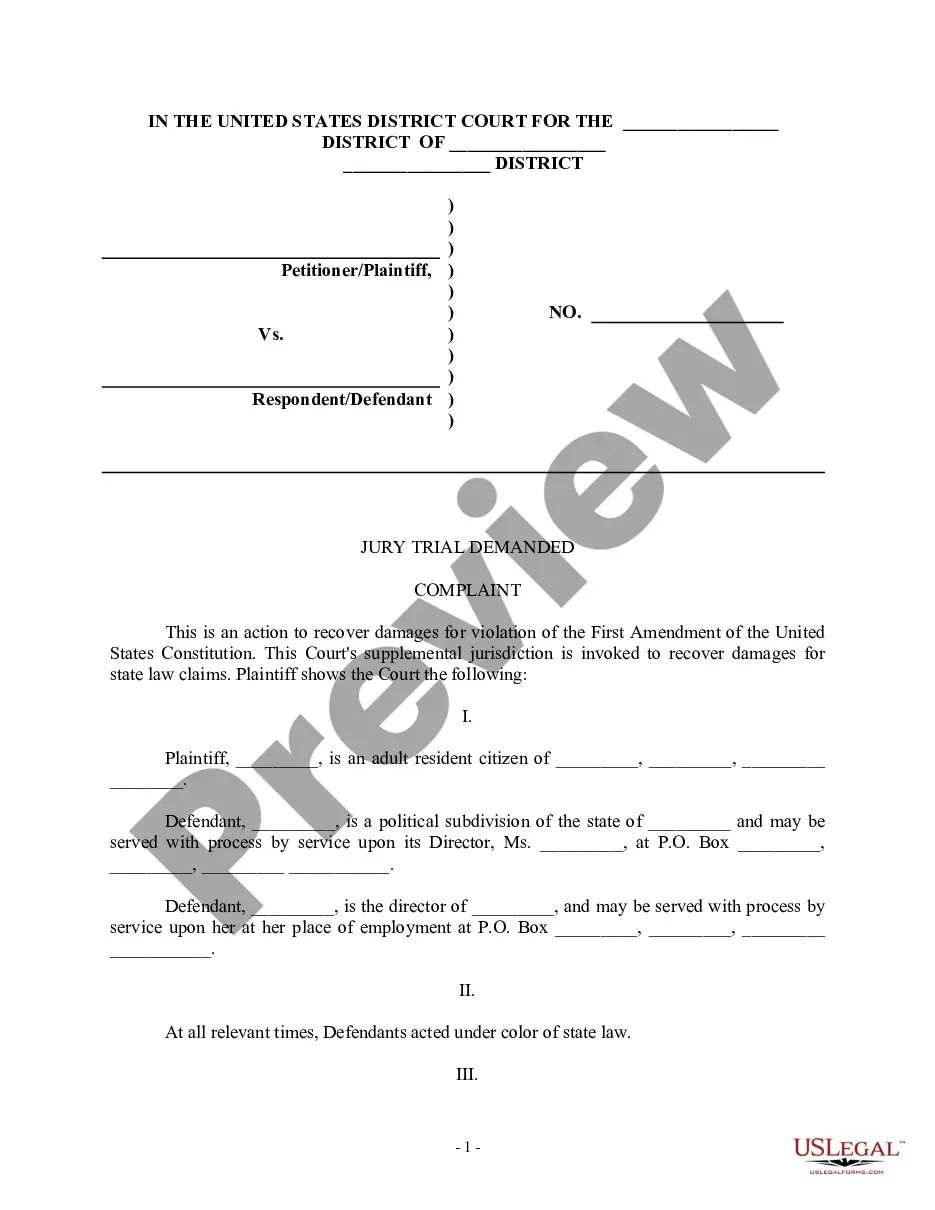
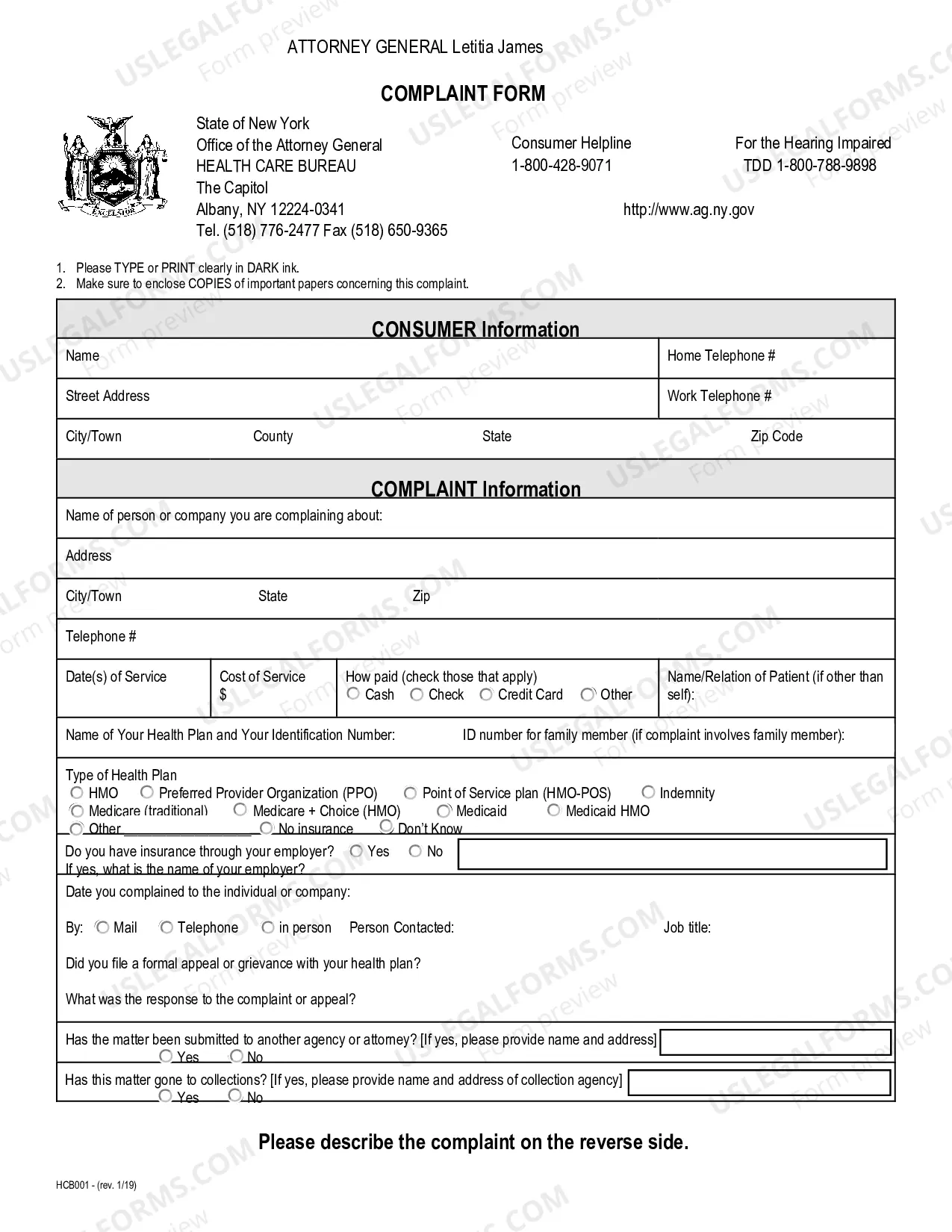
This is a multi-state form covering the subject matter of the title.
Human Rights Court In Pakistan In Chicago
State:
Multi-State
Category:
City:
Chicago
Control #:
US-000291
Format:
Word;
Rich Text
93 downloads
Description
Free preview

Get your form ready online
Our built-in tools help you complete, sign, share, and store your documents in one place.
Built-in online Word editor
Make edits, fill in missing information, and update formatting in US Legal Forms—just like you would in MS Word.
Export easily
Download a copy, print it, send it by email, or mail it via USPS—whatever works best for your next step.
E-sign your document
Sign and collect signatures with our SignNow integration. Send to multiple recipients, set reminders, and more. Go Premium to unlock E-Sign.
Notarize online 24/7
If this form requires notarization, complete it online through a secure video call—no need to meet a notary in person or wait for an appointment.
Store your document securely
We protect your documents and personal data by following strict security and privacy standards.

Make edits, fill in missing information, and update formatting in US Legal Forms—just like you would in MS Word.

Download a copy, print it, send it by email, or mail it via USPS—whatever works best for your next step.

Sign and collect signatures with our SignNow integration. Send to multiple recipients, set reminders, and more. Go Premium to unlock E-Sign.

If this form requires notarization, complete it online through a secure video call—no need to meet a notary in person or wait for an appointment.

We protect your documents and personal data by following strict security and privacy standards.
Looking for another form?
Form popularity
FAQ
National Commission on the Rights of the Child (NCRC), National Commission of Human Rights in Pakistan (NCHR), among other integral institutions that make up the human rights governance framework in Pakistan.
Human Rights Courts in India play a vital role in protecting individuals' fundamental rights, especially in a country where human rights violations are common. Established under the Protection of Human Rights Act, 1993, these courts provide a dedicated platform for handling human rights cases swiftly.
Chairman and members Justice V. Ramasubramanian is the current chairperson of the commission from 23 December 2024 onwards.
The Supreme Court of Pakistan is the highest appellate court of the country and court of last resort. It is the final arbiter of the law and the Constitution. Its orders/decisions are binding on all other courts in the country. All executive and judicial authorities are bound to act in aid of the Supreme Court.
Section 2(1) (d) of the Protection of Human Rights (PHR) Act defines Human Rights as the rights relating to life, liberty, equality and dignity of the individual guaranteed by the Constitution or embodied in the International Covenants and enforceable by courts in India.
? Please read the following notes before lodging a complaint. ☞ Select Incident State. ☞ Where do you want to submit your complaint (Select NHRC/SHRC). ☞ Verify your mobile number, through One Time Password(OTP). ☞ After successfully verification, fill all the mandatory fields on next screen.
Human Rights Courts in India play a vital role in protecting individuals' fundamental rights, especially in a country where human rights violations are common. Established under the Protection of Human Rights Act, 1993, these courts provide a dedicated platform for handling human rights cases swiftly.
The Supreme Court of Pakistan is the highest appellate court of the country and court of last resort. It is the final arbiter of the law and the Constitution. Its orders/decisions are binding on all other courts in the country. All executive and judicial authorities are bound to act in aid of the Supreme Court.
The current chief justice is Yahya Afridi, incumbent since 26 October 2024.