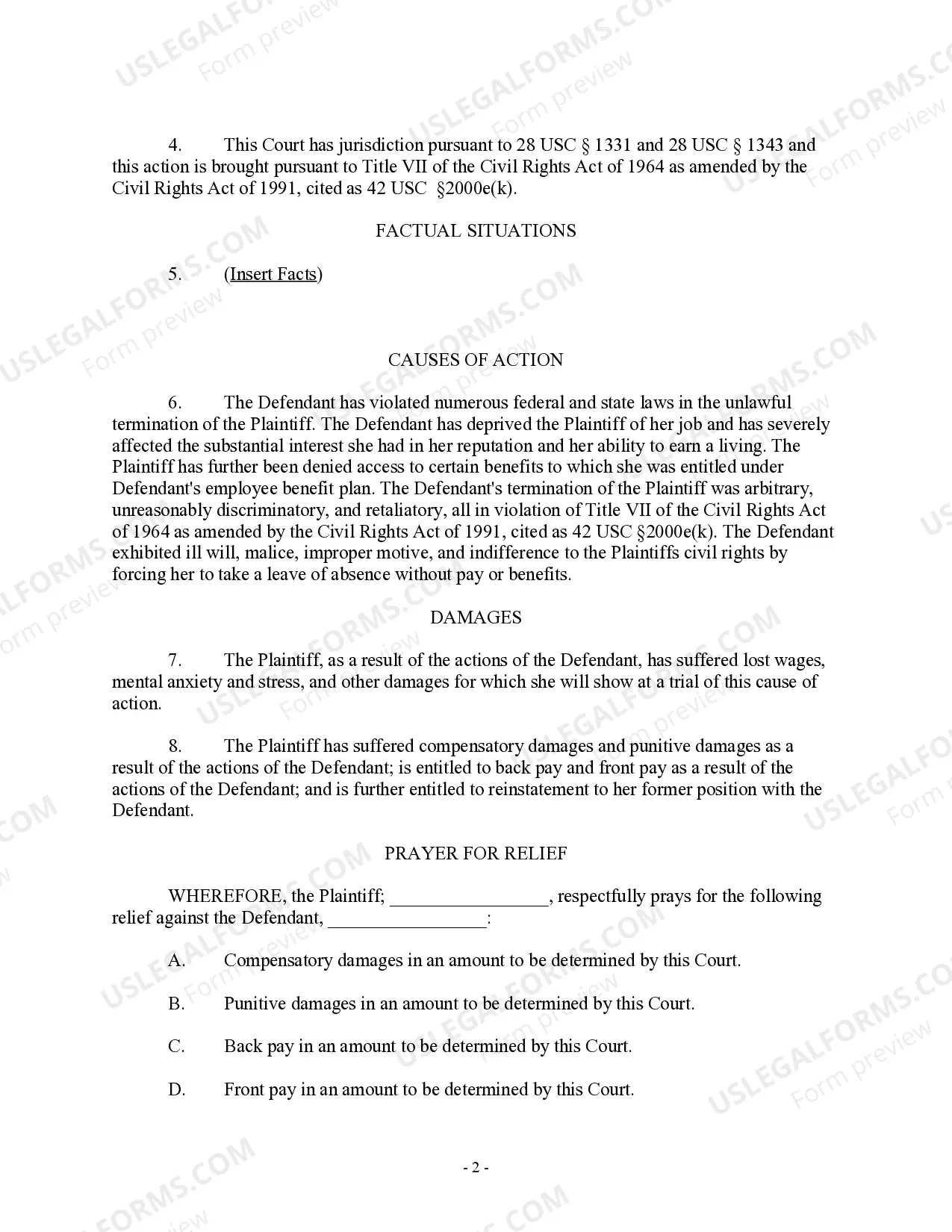
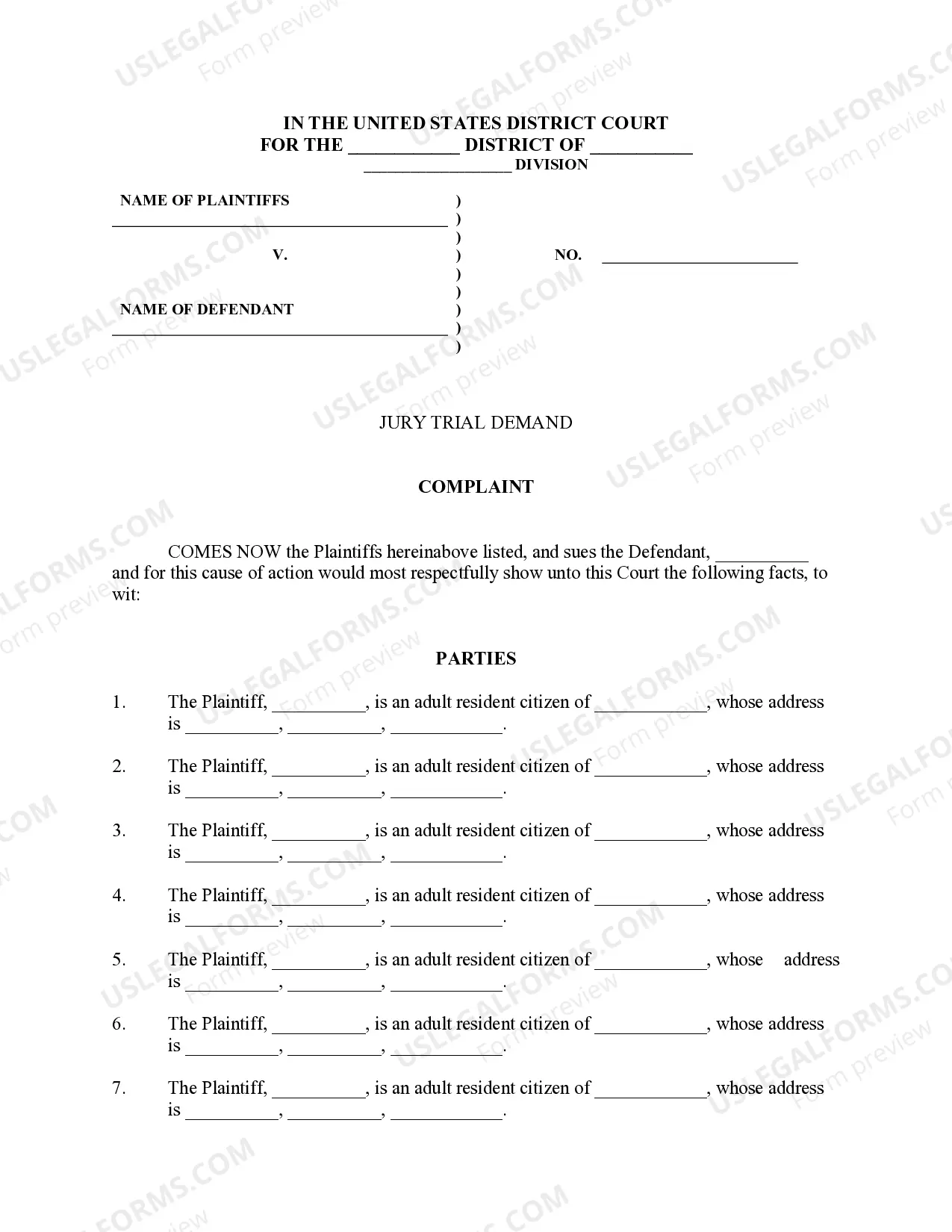
This is a multi-state form covering the subject matter of the title.
Demand For Trial Authorizations In Chicago
State:
Multi-State
Category:
City:
Chicago
Control #:
US-000291
Format:
Word;
Rich Text
99 downloads
Description
Free preview





Get your form ready online
Our built-in tools help you complete, sign, share, and store your documents in one place.
Built-in online Word editor
Make edits, fill in missing information, and update formatting in US Legal Forms—just like you would in MS Word.
Export easily
Download a copy, print it, send it by email, or mail it via USPS—whatever works best for your next step.
E-sign your document
Sign and collect signatures with our SignNow integration. Send to multiple recipients, set reminders, and more. Go Premium to unlock E-Sign.
Notarize online 24/7
If this form requires notarization, complete it online through a secure video call—no need to meet a notary in person or wait for an appointment.
Store your document securely
We protect your documents and personal data by following strict security and privacy standards.

Make edits, fill in missing information, and update formatting in US Legal Forms—just like you would in MS Word.

Download a copy, print it, send it by email, or mail it via USPS—whatever works best for your next step.

Sign and collect signatures with our SignNow integration. Send to multiple recipients, set reminders, and more. Go Premium to unlock E-Sign.

If this form requires notarization, complete it online through a secure video call—no need to meet a notary in person or wait for an appointment.

We protect your documents and personal data by following strict security and privacy standards.
Looking for another form?







Form popularity
FAQ
In California, an attorney is required to file a notice of appearance in court in order to represent a party in a lawsuit. This notice informs the court and all parties involved that the attorney will be representing the party and should be the primary point of contact for all legal matters related to the case.
The Appearance form is required in most civil court cases. For example, you must file an Appearance when: o Someone sues you and you want to participate in the court case. If you do not file an Appearance and go to court as needed, the court case might go ahead without you and the court might rule against you.
(a) A claimant or counterclaimant must file the jury demand at the time of filing the claim or counterclaim. (b) A person opposing a claim or counterclaim must file the jury demand not later than the filing of his answer or other pleading.
Entry of Appearance for Represented Parties Within 14 days after a new case is docketed, counsel must file an Entry of Appearance. For counsel retained after the case is docketed, counsel must file an Entry of Appearance within 14 days after being retained or admitted to the Federal Circuit's bar.
Use the online platform or call 312-554-2001 for a referral. Illinois State Bar Association LawyerFinder - Referral services connecting people with lawyers throughout Illinois who charges fees for their services after a $25 initial consultation. Use the online platform or call 1-800-922-8757 for a referral.
One exception to the defendant's right to a speedy trial occurs when the suspect requests delays, thereby waiving that right. Additionally, unforeseen circumstances, such as natural disasters affecting court proceedings, can also contribute to delays.
The federal Speedy Trial Act provides some instruction for federal cases. For example, it requires formal charges to be brought within 30 days of an arrest. One of the main reasons for the right to a speedy trial is to prevent a defendant from being held in custody for a long time, only to eventually be found innocent.
(an appellate court weighs the following four factors to determine if there is a Sixth Amendment speedy trial violation: (1) the length of the delay; (2) the reasons for the delay; (3) the accused's demand for a speedy trial; and (4) the prejudice to the accused).
725 ILCS 5/103-5. Subsection (a) requires that the defendant be tried within 120 days of the date that he was taken into custody (with certain exclusions), while subsection (b) and requires that he be tried within 160 days of the date that he demands trial (with the same exclusions).
The test requires the court to consider the length of the delay, the cause of the delay, the defendant's assertion of his right to a speedy trial, and the presence or absence of prejudice resulting from the delay. Barker, 407 U.S. at 530-533. In United States v.