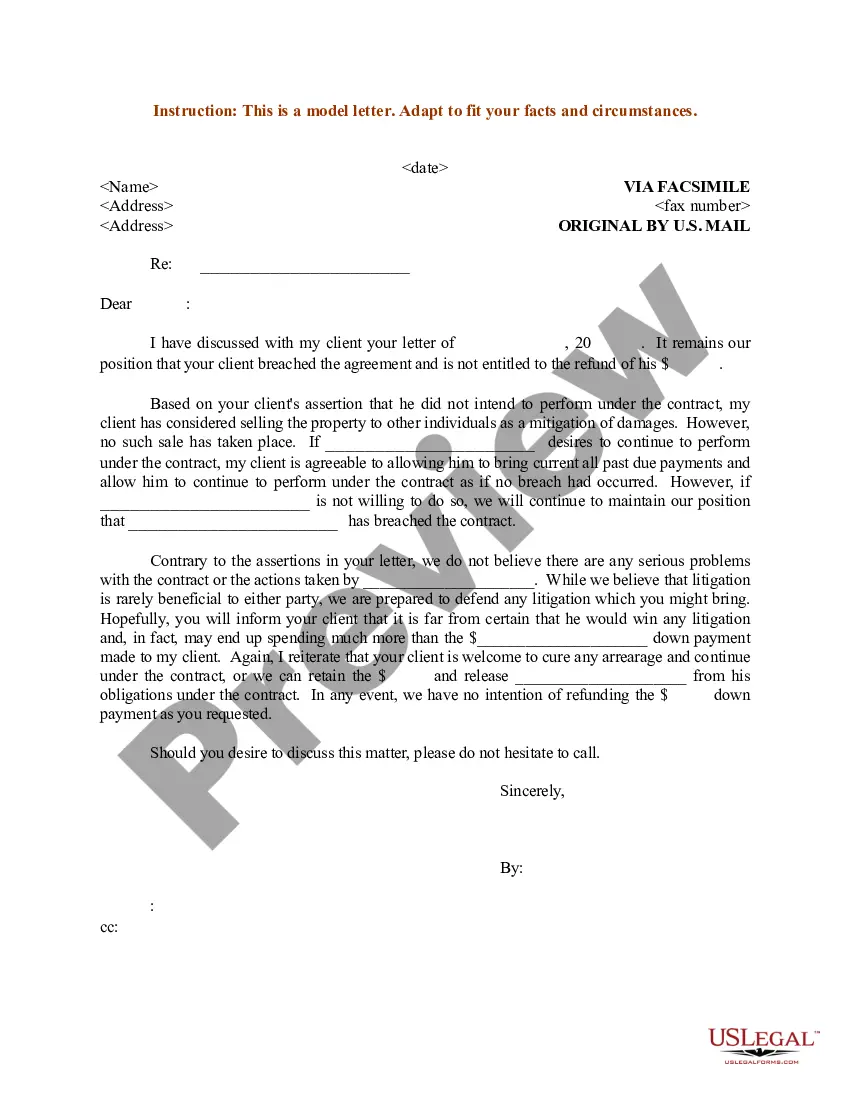
This is a multi-state form covering the subject matter of the title.
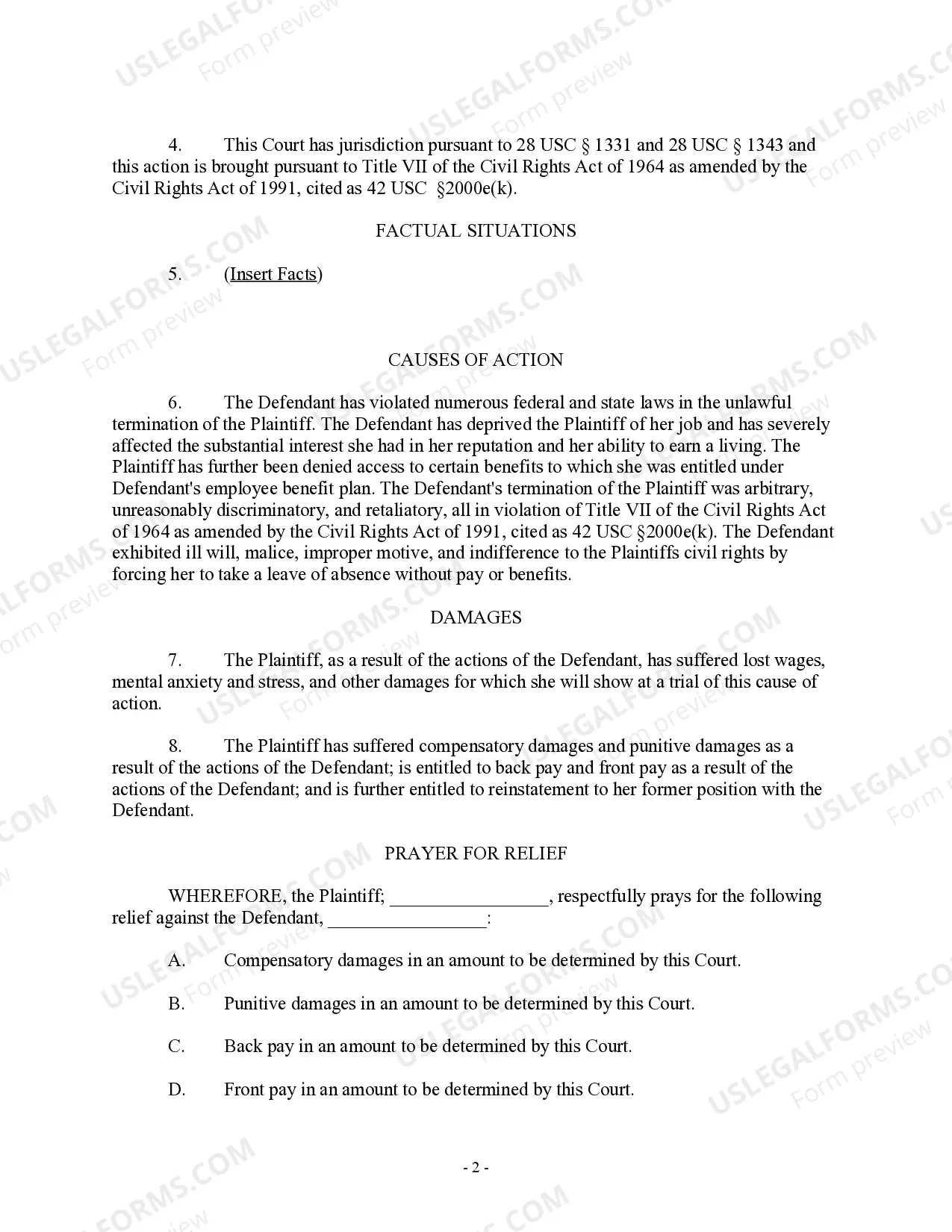
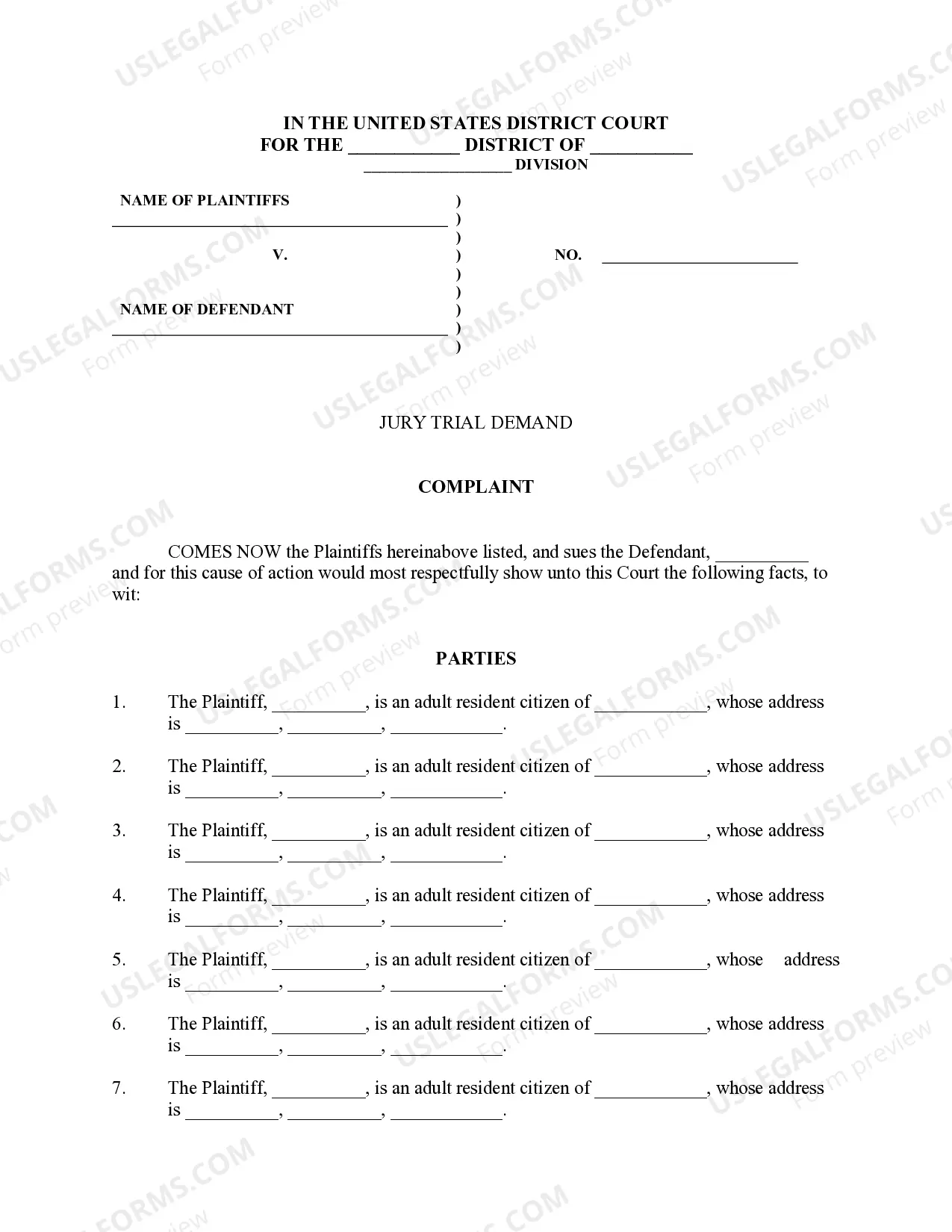
Wrongful Termination Court Without A Lawyer In Bexar
State:
Multi-State
Category:
County:
Bexar
Control #:
US-000291
Format:
Word;
Rich Text
99 downloads
Description
Free preview





Get your form ready online
Our built-in tools help you complete, sign, share, and store your documents in one place.
Built-in online Word editor
Make edits, fill in missing information, and update formatting in US Legal Forms—just like you would in MS Word.
Export easily
Download a copy, print it, send it by email, or mail it via USPS—whatever works best for your next step.
E-sign your document
Sign and collect signatures with our SignNow integration. Send to multiple recipients, set reminders, and more. Go Premium to unlock E-Sign.
Notarize online 24/7
If this form requires notarization, complete it online through a secure video call—no need to meet a notary in person or wait for an appointment.
Store your document securely
We protect your documents and personal data by following strict security and privacy standards.

Make edits, fill in missing information, and update formatting in US Legal Forms—just like you would in MS Word.

Download a copy, print it, send it by email, or mail it via USPS—whatever works best for your next step.

Sign and collect signatures with our SignNow integration. Send to multiple recipients, set reminders, and more. Go Premium to unlock E-Sign.

If this form requires notarization, complete it online through a secure video call—no need to meet a notary in person or wait for an appointment.

We protect your documents and personal data by following strict security and privacy standards.
Looking for another form?


Form popularity
FAQ
Steps to File a Motion to Dismiss Review the Complaint Thoroughly. Carefully read the plaintiff's complaint to identify any legal deficiencies. Research Relevant Laws and Precedents. Draft the Motion. Include a Conclusion. File the Motion with the Court.
A petition is a formal written request to a court or other official body, seeking some form of legal action or relief. It may be filed by a person, group, or organization.
Petitions MUST be signed in the presence of a Notary Public or a Family Court Clerk. Once your petition is completed and your signature notarized, you can either mail it to Family Court or submit it in person during our stated business hours. Paternity Petitions must be submitted with a copy of the Birth Certificate.
Seven Tips When Representing Yourself In Court Make a good impression. If you dress nicely, it tells the judge that you respect the courtroom and care about your case. Be respectful. Know what to ask. Arrive early. Tell your story. Come prepared. Use a lawyer if you need help.
However, some individuals choose to represent themselves and appear in court without a lawyer, a process called “pro se” representation.
Seven Tips When Representing Yourself In Court Make a good impression. If you dress nicely, it tells the judge that you respect the courtroom and care about your case. Be respectful. Know what to ask. Arrive early. Tell your story. Come prepared. Use a lawyer if you need help.
In some circumstances, you file a petition or a motion. The court has several complaint forms that you may use in drafting your complaint. The forms are available online and at the Pro Se Intake Unit. You may also write your own complaint without using a court form.
The Justice Courts also have jurisdiction of cases of forcible entry and detainer, or evictions. Justice Courts do not have jurisdiction of suits for divorce, suits to recover damages for slander or defamation, suits for title to land, or suits to enforce a lien on land. See Sec. 27.031, Texas Government Code.
The notice will usually contain a stated reason for the eviction, a delivery date and a notice when to vacate the property - usually in 3 days. You do not have to leave the property by the date indicated.
Eviction Cases must be filed in the Justice Court in the Justice of the Peace Precinct in the county in which the real property is located. See Section 24.004, Texas Property Code.