Sample Restraining Order Form With Attorney In Utah
Description
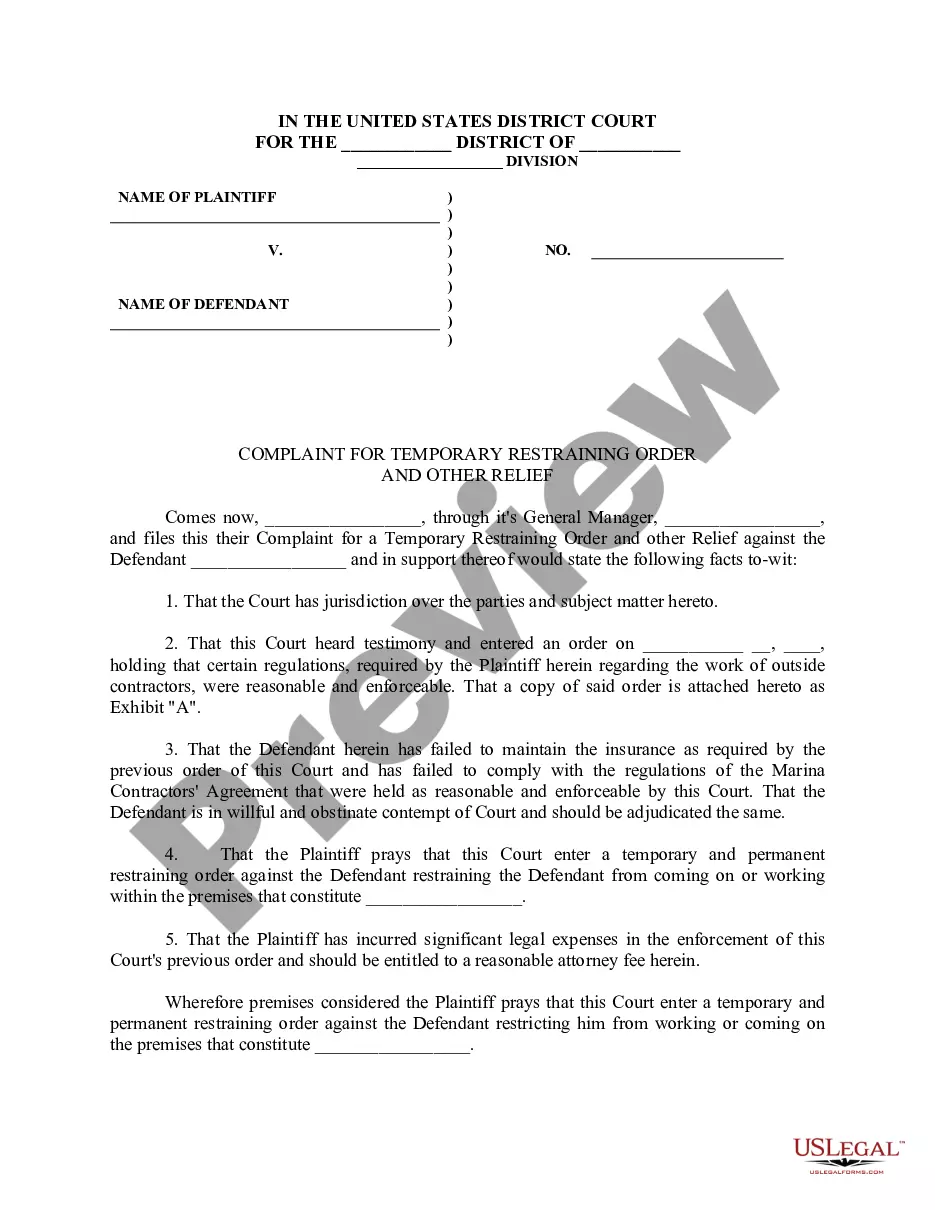


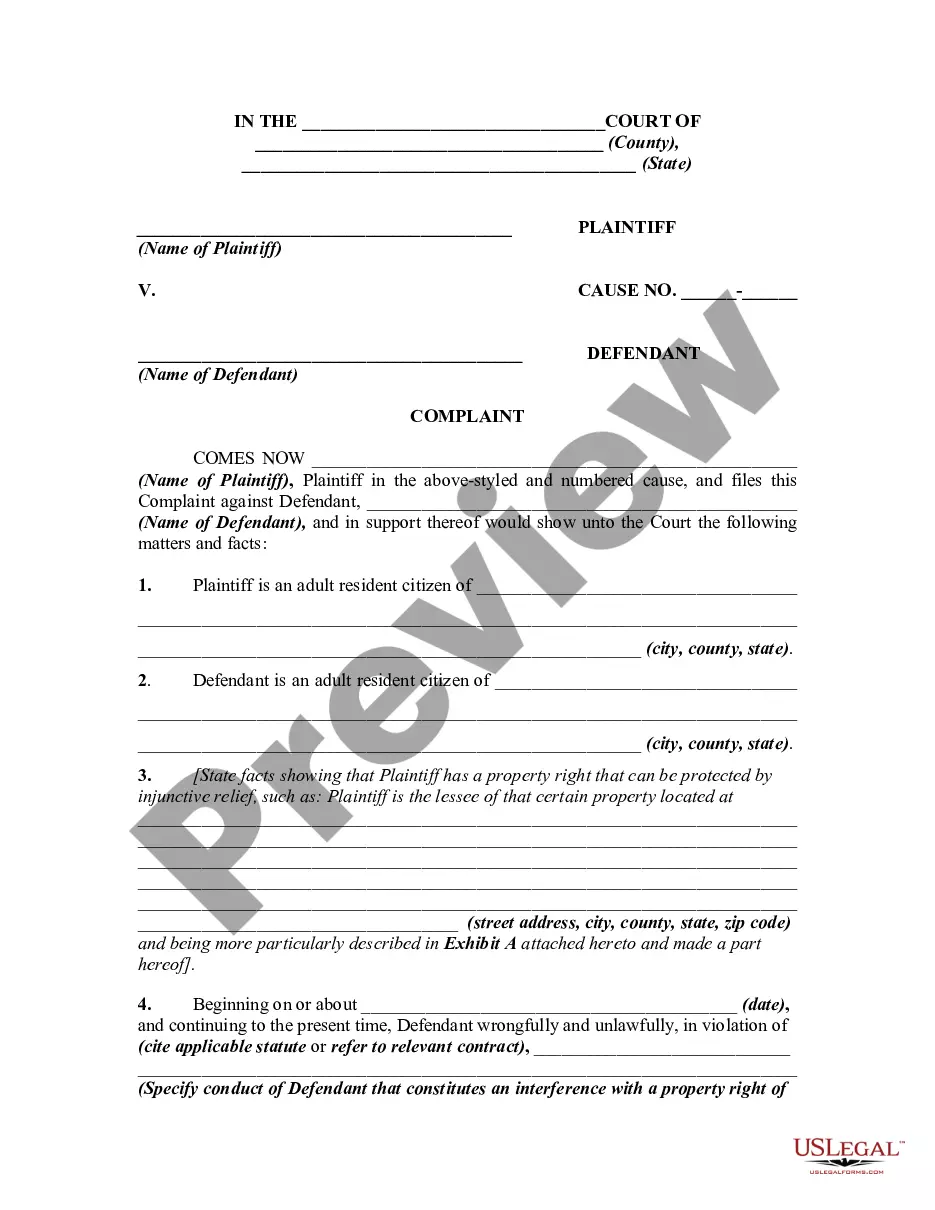
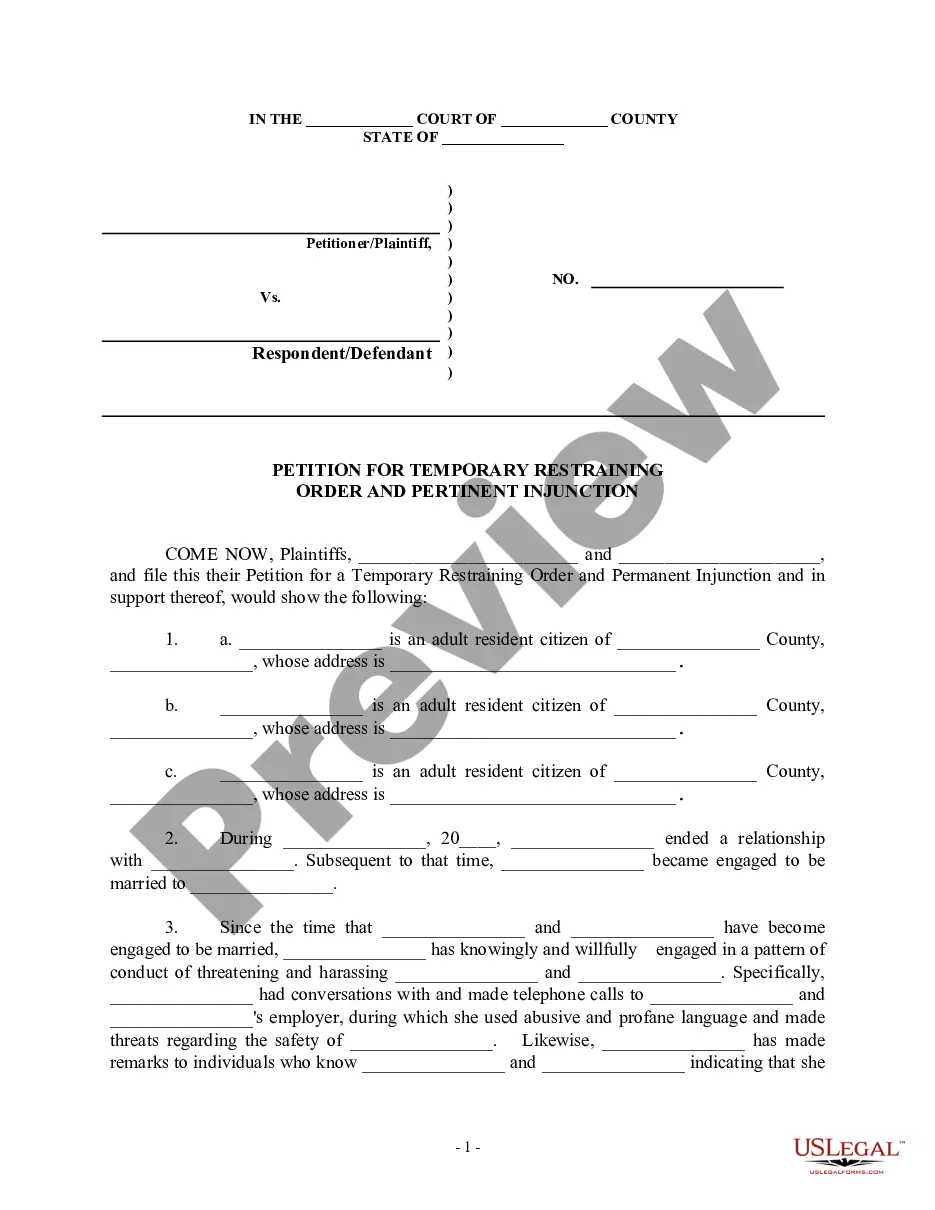

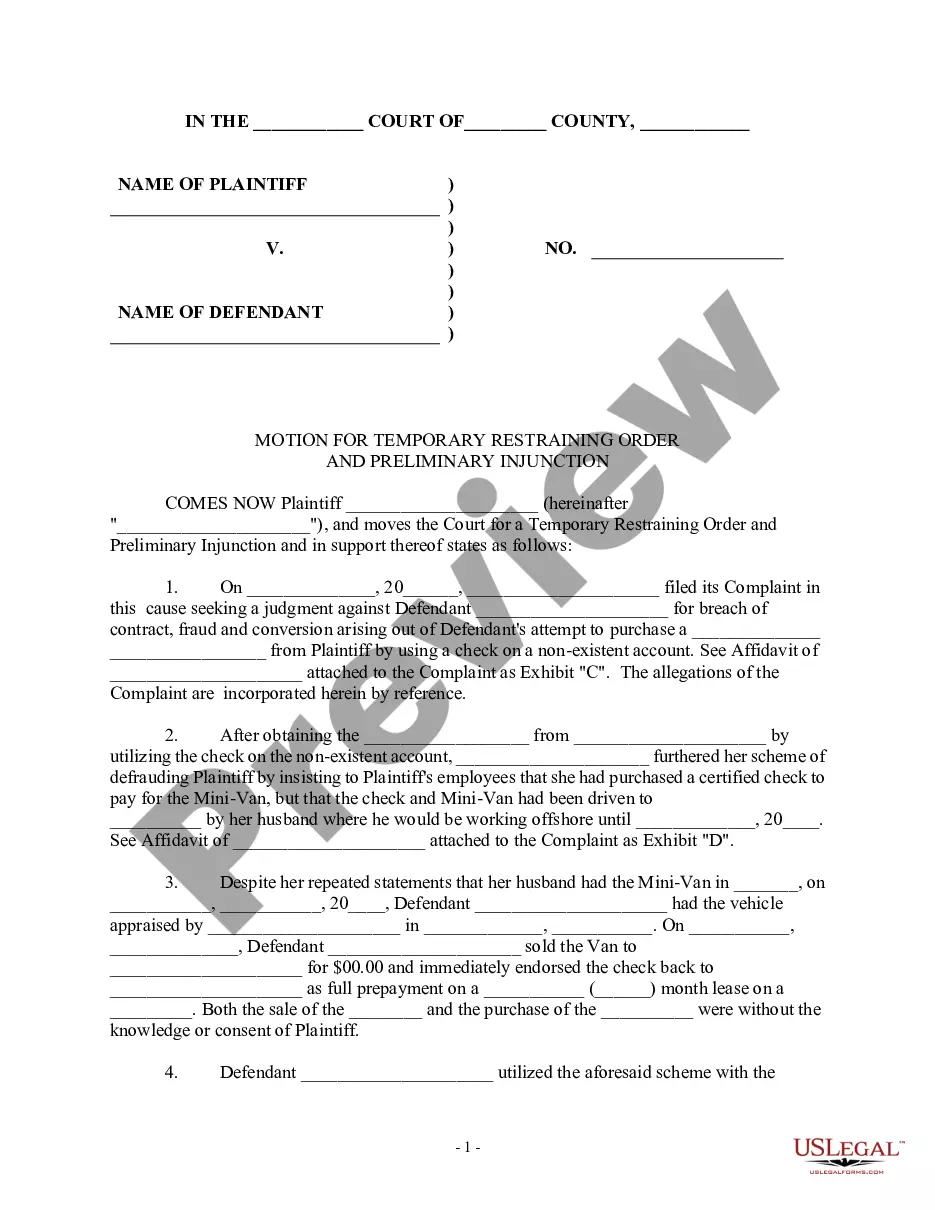
Get your form ready online
Our built-in tools help you complete, sign, share, and store your documents in one place.
Make edits, fill in missing information, and update formatting in US Legal Forms—just like you would in MS Word.
Download a copy, print it, send it by email, or mail it via USPS—whatever works best for your next step.
Sign and collect signatures with our SignNow integration. Send to multiple recipients, set reminders, and more. Go Premium to unlock E-Sign.
If this form requires notarization, complete it online through a secure video call—no need to meet a notary in person or wait for an appointment.
We protect your documents and personal data by following strict security and privacy standards.

Make edits, fill in missing information, and update formatting in US Legal Forms—just like you would in MS Word.

Download a copy, print it, send it by email, or mail it via USPS—whatever works best for your next step.

Sign and collect signatures with our SignNow integration. Send to multiple recipients, set reminders, and more. Go Premium to unlock E-Sign.

If this form requires notarization, complete it online through a secure video call—no need to meet a notary in person or wait for an appointment.

We protect your documents and personal data by following strict security and privacy standards.
Looking for another form?






Form popularity
FAQ
Courts impose restraining orders, and court records are generally public, barring a few exceptions. This means that everything heard in a court that is “on the record” could be searched for by the public. A hearing on a restraining order and the ruling of the court are likely parts of public record.
Key Differences A Harassment Order addresses unwanted behavior that may not necessarily involve physical harm but still causes significant distress to the victim. In contrast, a Restraining Order is typically sought in cases involving a history of violence, physical threat, or other forms of serious harm.
Restraining orders can be very broad and may restrict all kinds of behaviors. From contacting the other party to any other behavior that might affect the case, a restraining order can be applied. Protective orders apply mostly to violent or threatening behavior and seek to protect petitioners from future harm.
About protective orders The person the order is requested against is called the respondent. If the court finds the respondent threatened or tried to harm the petitioner, the order can: prevent the respondent from contacting or communicating with people. stop the respondent from threatening violence.
Protection orders are generally in place when there is no pending criminal case. However, in many cases, a person will seek a protection order prior to a situation where law enforcement gets involved. Then, later, when a criminal act occurs a no contact order is then requested by the prosecutor.
Key Differences A Harassment Order addresses unwanted behavior that may not necessarily involve physical harm but still causes significant distress to the victim. In contrast, a Restraining Order is typically sought in cases involving a history of violence, physical threat, or other forms of serious harm.
Restraining orders are more general and can apply to a variety of behaviors. Protective orders are more tailored to violent behavior and are designed to prevent violence against victims. In either case, your freedoms will be restricted and you should challenge these orders with the help of an attorney.
Temporary Restraining Order. (CLETS-TRO) (Domestic Violence Prevention) DV-110.
Protection orders are serious, but they are a civil matter. You would only face the possibility of incarceration if you violate a civil protection order that has been put in place. Fines are not associated with protection orders, although costs can be, and for financial purposes, these are similar.