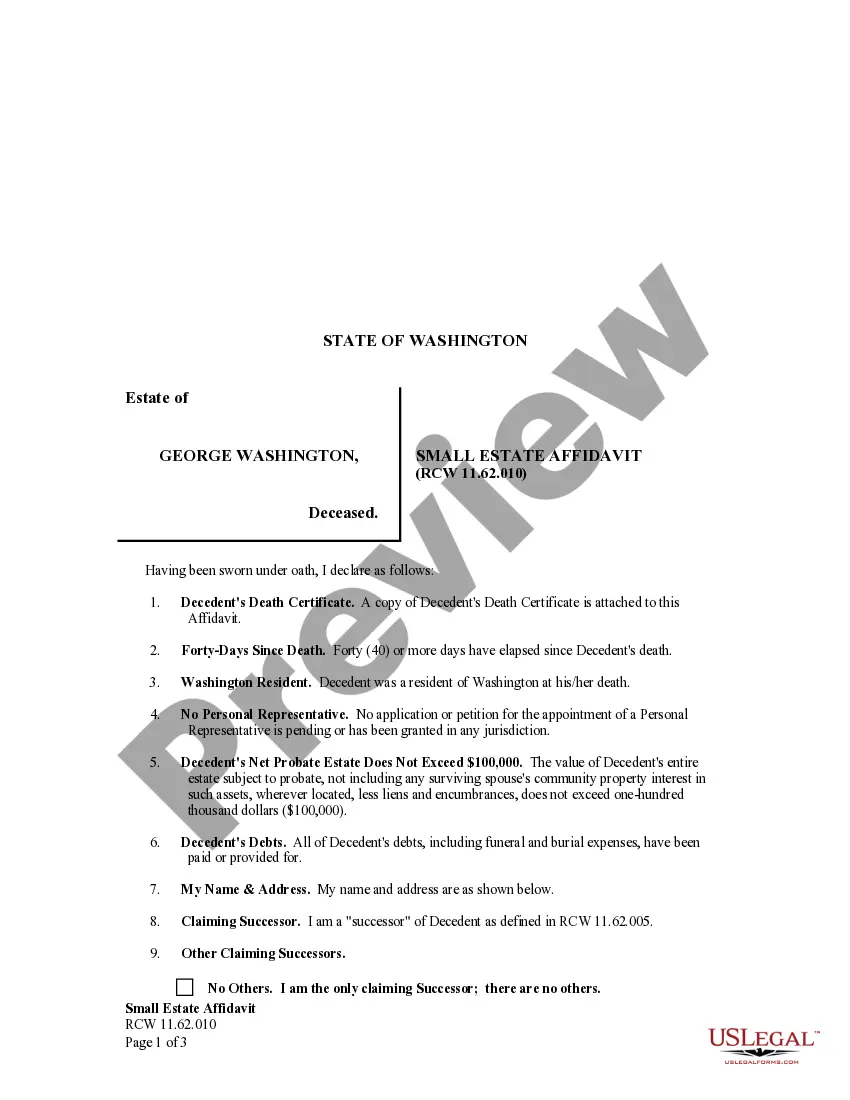
Sample Restraining Order Form With Attorney In Minnesota
Description
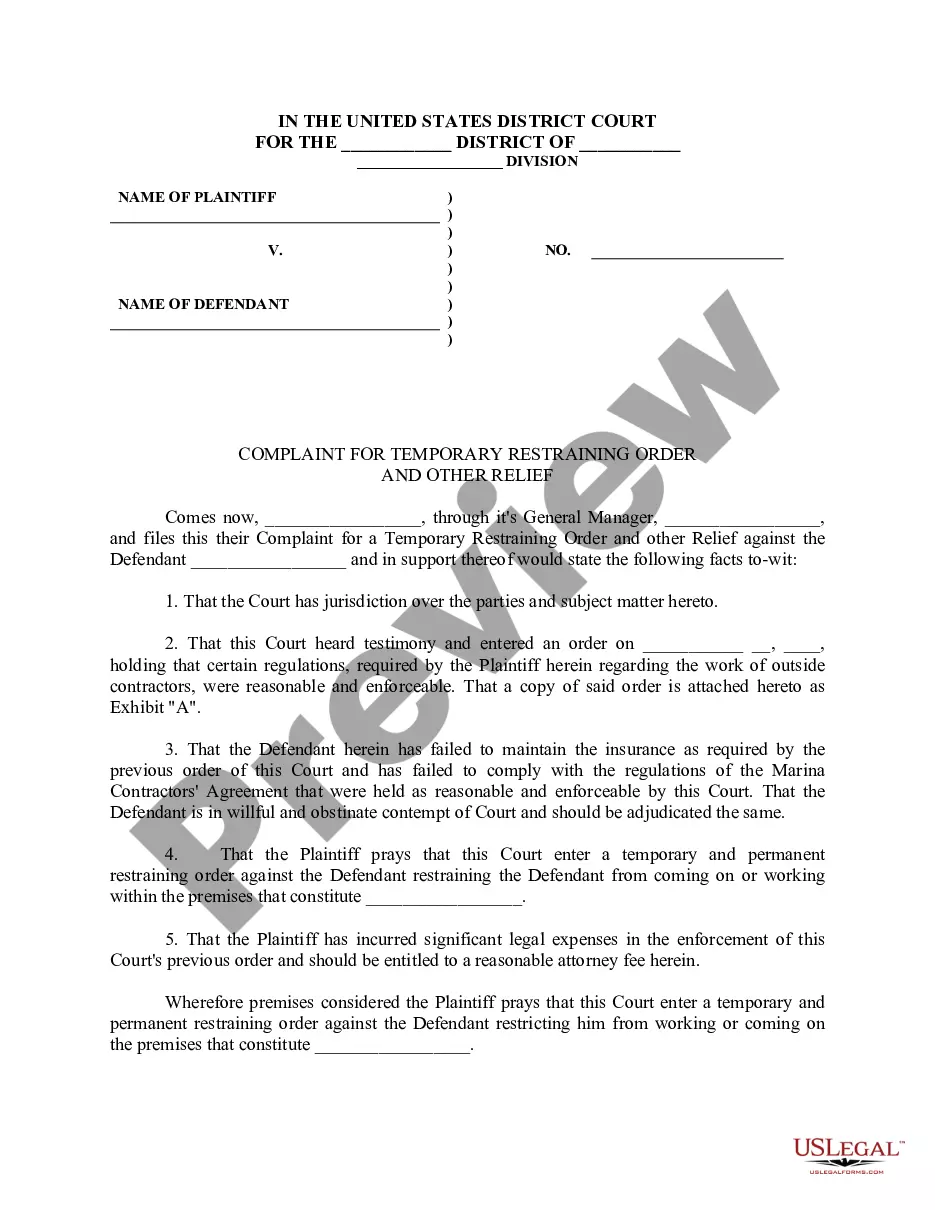


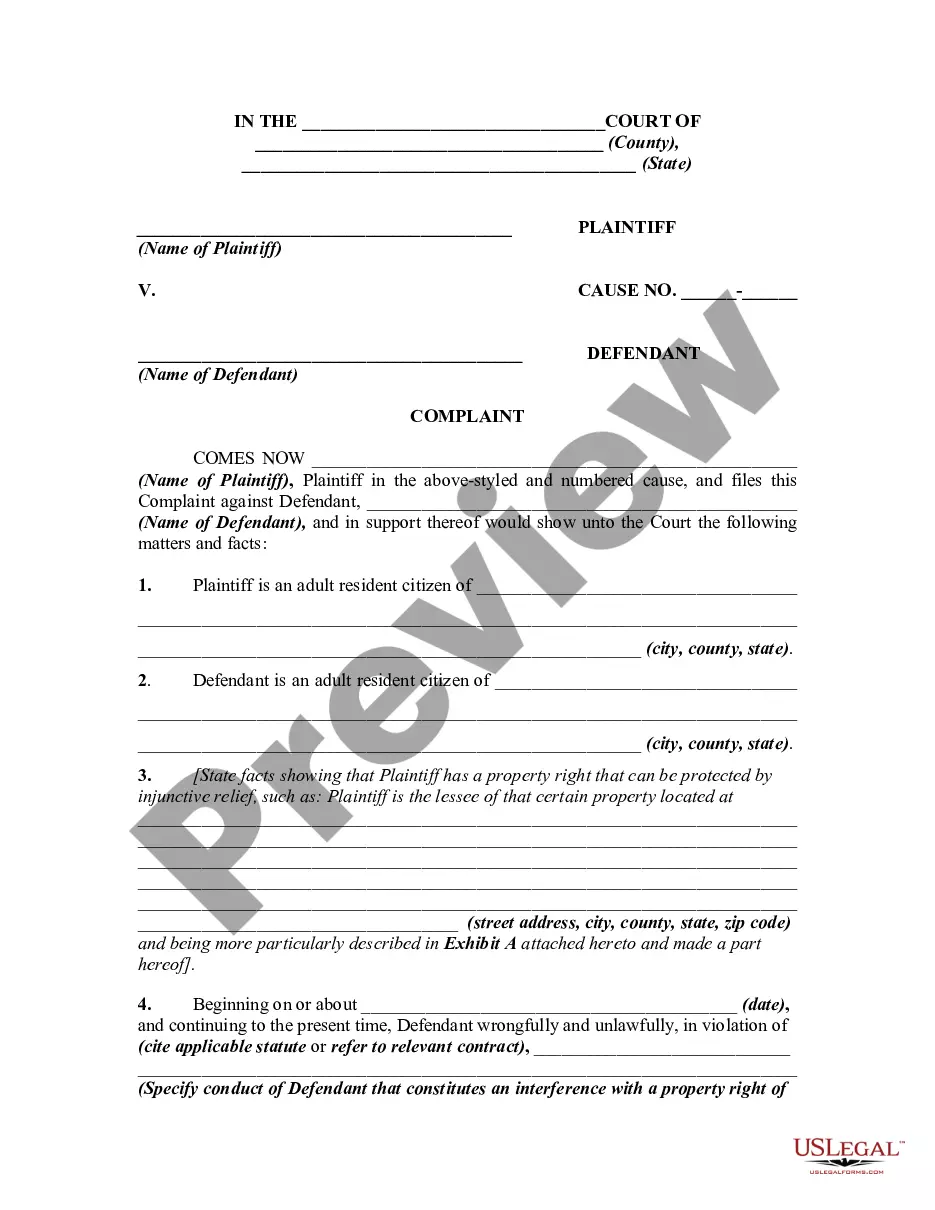
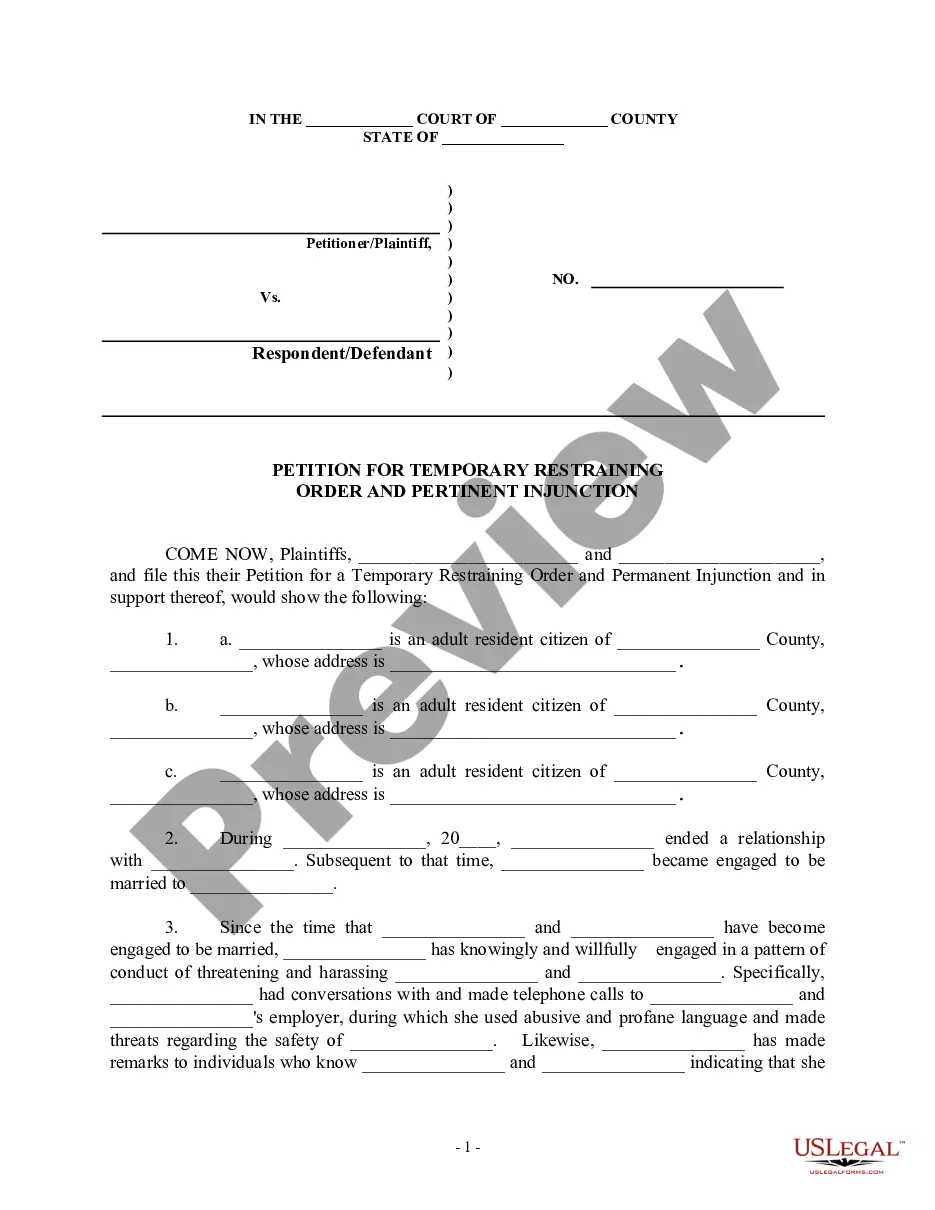

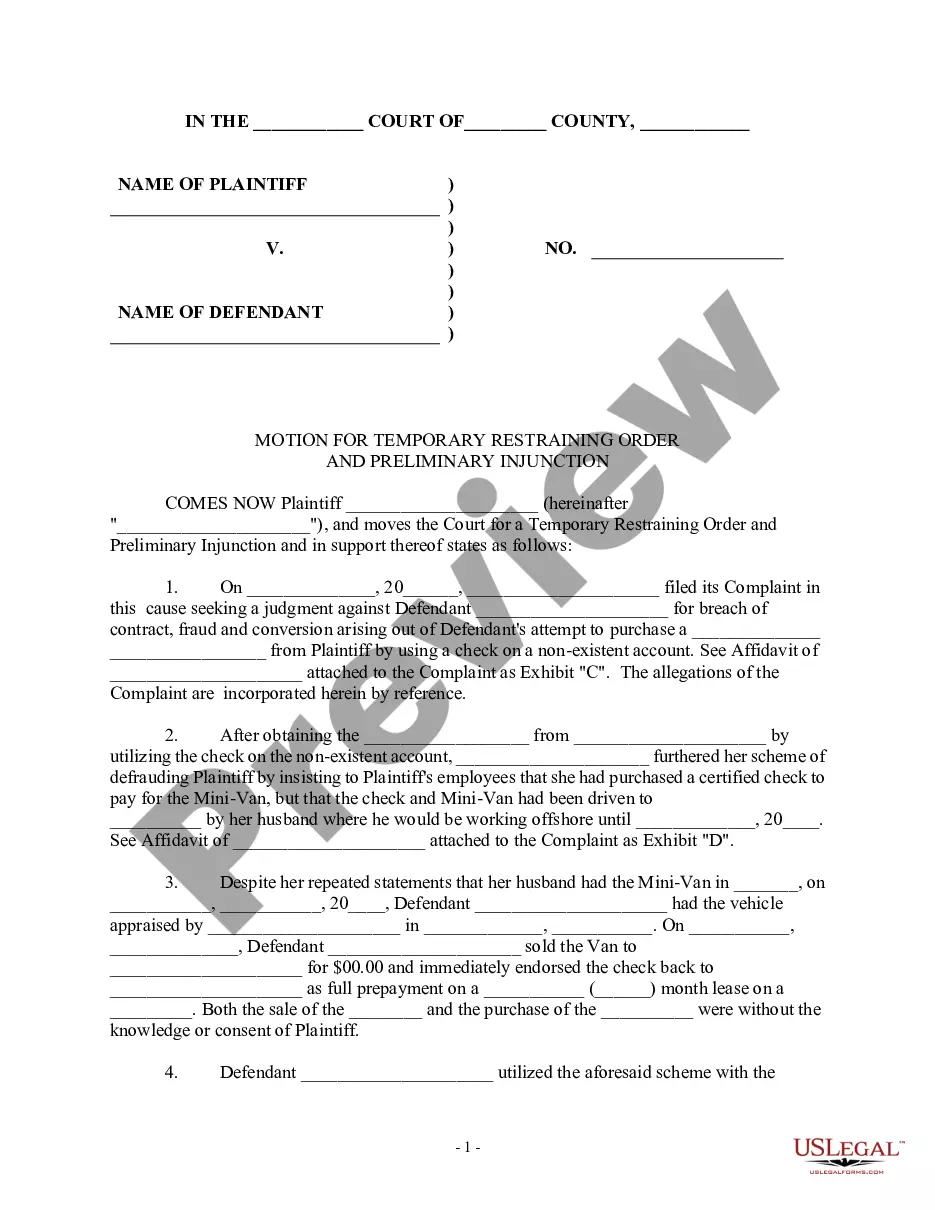
Get your form ready online
Our built-in tools help you complete, sign, share, and store your documents in one place.
Make edits, fill in missing information, and update formatting in US Legal Forms—just like you would in MS Word.
Download a copy, print it, send it by email, or mail it via USPS—whatever works best for your next step.
Sign and collect signatures with our SignNow integration. Send to multiple recipients, set reminders, and more. Go Premium to unlock E-Sign.
If this form requires notarization, complete it online through a secure video call—no need to meet a notary in person or wait for an appointment.
We protect your documents and personal data by following strict security and privacy standards.

Make edits, fill in missing information, and update formatting in US Legal Forms—just like you would in MS Word.

Download a copy, print it, send it by email, or mail it via USPS—whatever works best for your next step.

Sign and collect signatures with our SignNow integration. Send to multiple recipients, set reminders, and more. Go Premium to unlock E-Sign.

If this form requires notarization, complete it online through a secure video call—no need to meet a notary in person or wait for an appointment.

We protect your documents and personal data by following strict security and privacy standards.
Looking for another form?


Form popularity
FAQ
A Harassment Restraining Order (HRO) is an order signed by a judicial officer (judge or referee) that orders someone to stop harassing you and have no contact, unless allowed in the court order. It is not a criminal proceeding and takes place in civil court.
A Harassment Order addresses unwanted behavior that may not necessarily involve physical harm but still causes significant distress to the victim. In contrast, a Restraining Order is typically sought in cases involving a history of violence, physical threat, or other forms of serious harm.
A significant change in circumstances, such as improved behavior, completion of anger management or counseling programs, or evidence that the risk of violence has diminished, may provide grounds for seeking the dismissal of a restraining order.
The following are not available in MCRO, but are available through MPA Courthouse: a. Domestic Abuse (OFP) and Harassment Restraining Order (HRO) case types, which the federal Violence Against Women Act (VAWA) prohibits from displaying on the internet. b.
In Minnesota, if a person is guilty of a misdemeanor violation, s/he could be imprisoned for up to 90 days, fined up to $1,000, or both. If s/he is found guilty of a gross misdemeanor violation, s/he could be imprisoned for up to one year, fined up to $3,000, or both.
Under the law in Minnesota, harassment takes place when someone knowingly engages in acts or behaviors that adversely impact the person who is the focus of those acts or behaviors. Under the law, if the victim is made to feel a certain way on purpose by the defendant, then it constitutes harassment: Threatened.
Minnesota Restraining Orders causing physical harm, bodily injury, assault or making you afraid of immediate (imminent) physical harm, bodily injury or assault; terrorist threats, such as threats to commit a crime of violence, bomb threats, or showing (brandishing) a firearm;
In order to have an order of protection dropped, one must: Return to the county court where the petition for the original order was filed. Complete the necessary paperwork. Speak with the judge or another court officer prior to the order being vacated.
To change, extend, or cancel your order, you would file a Petition/Motion to Dismiss, Extend, or Modify Other Conditions of Order Of Protection. The court will set a date for a hearing and the abuser will be served with a copy of the motion and a request to be present.
In Minnesota, family courts handle these orders rather than criminal courts. To contest an OFP, a person must: Ask for a hearing: They can request a court hearing within five days of receiving the temporary order. The person who filed the OFP must receive a notice at least 30 days before the hearing.