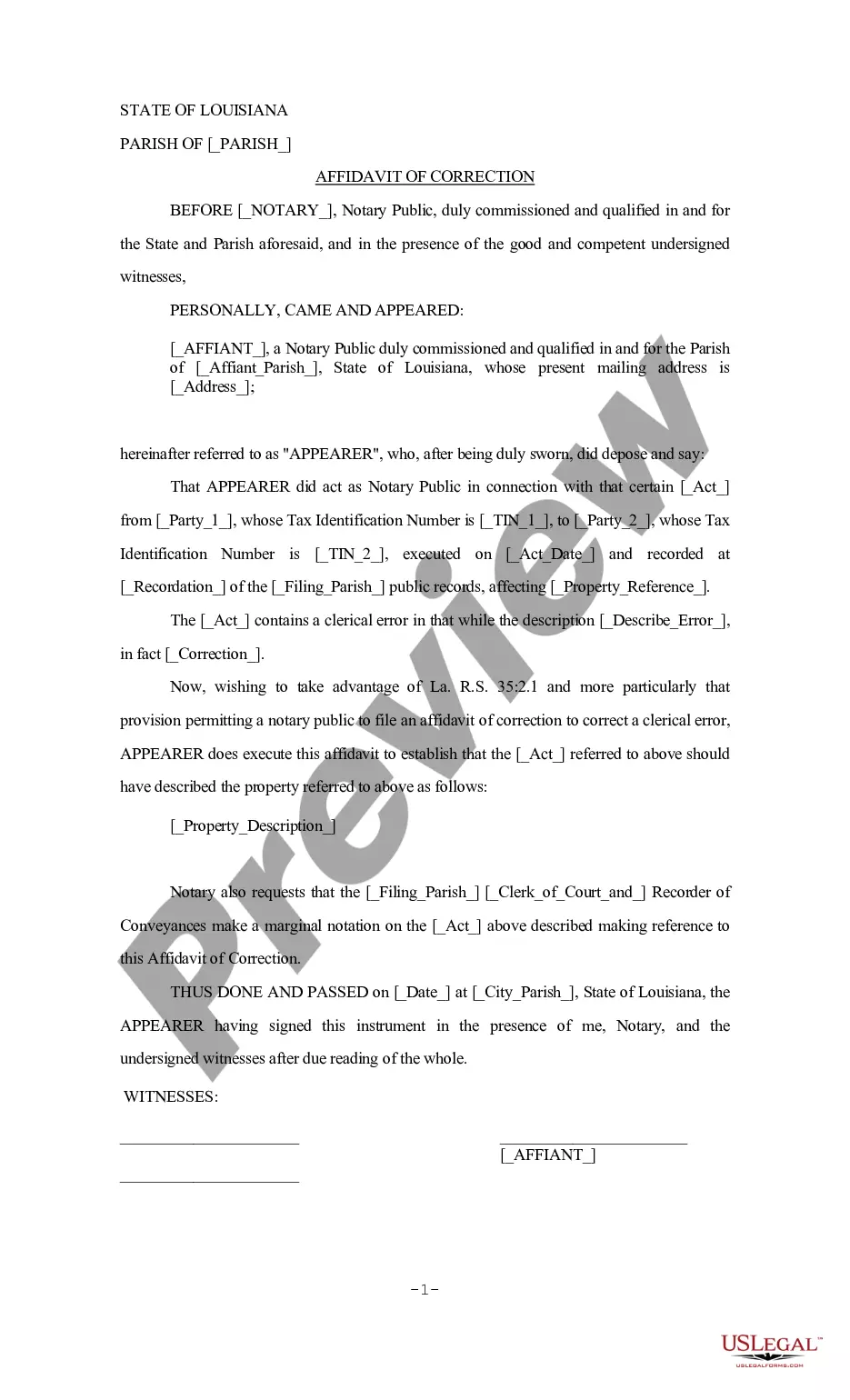
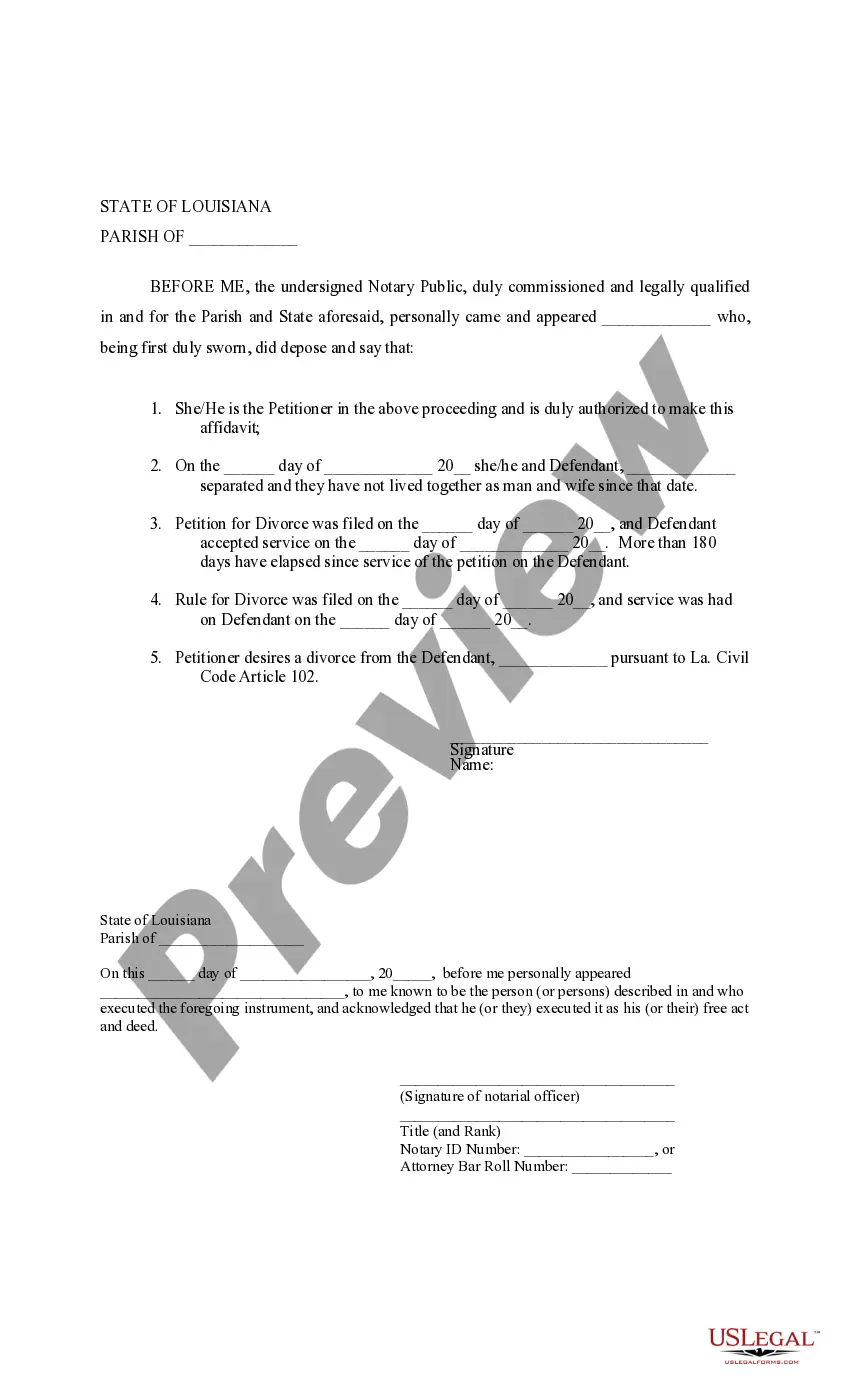
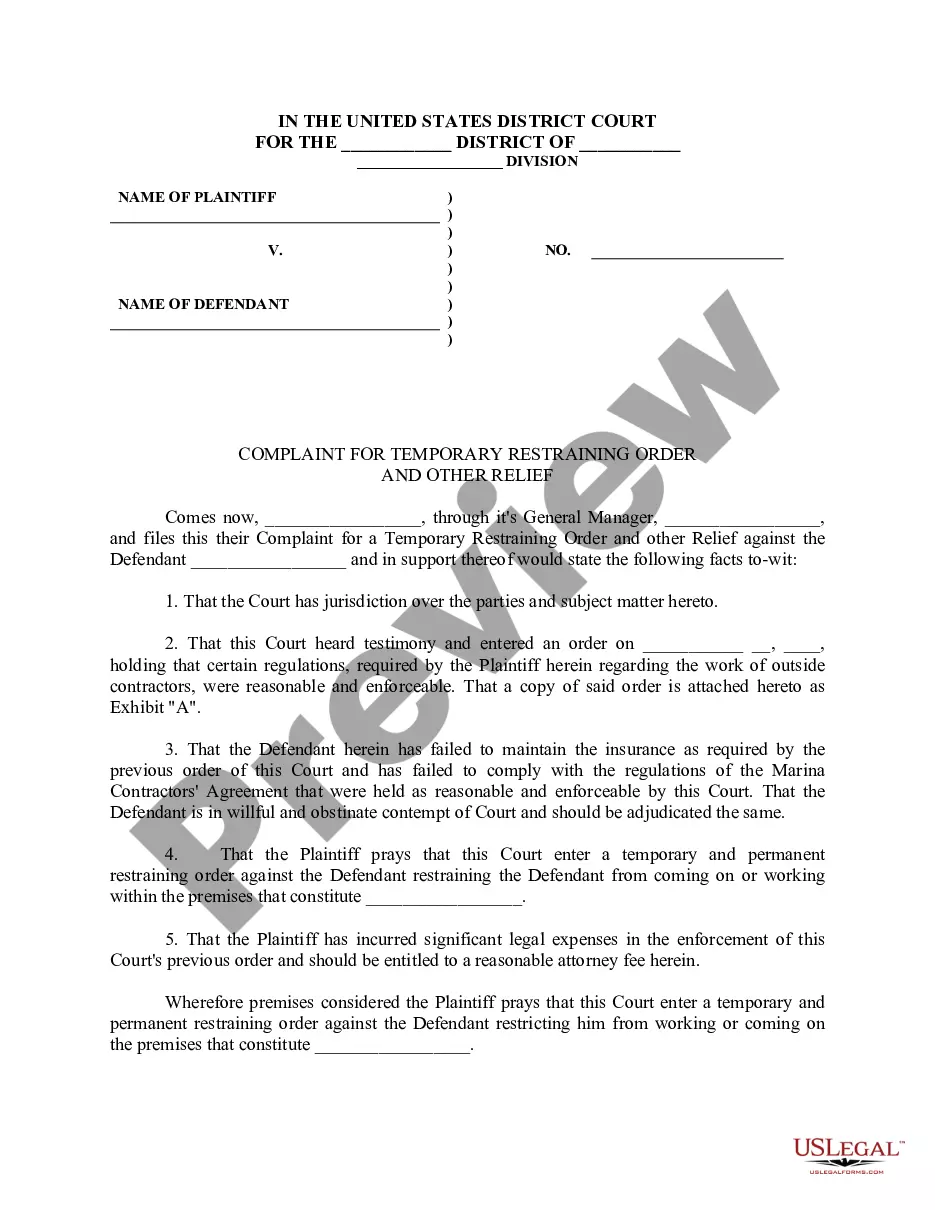
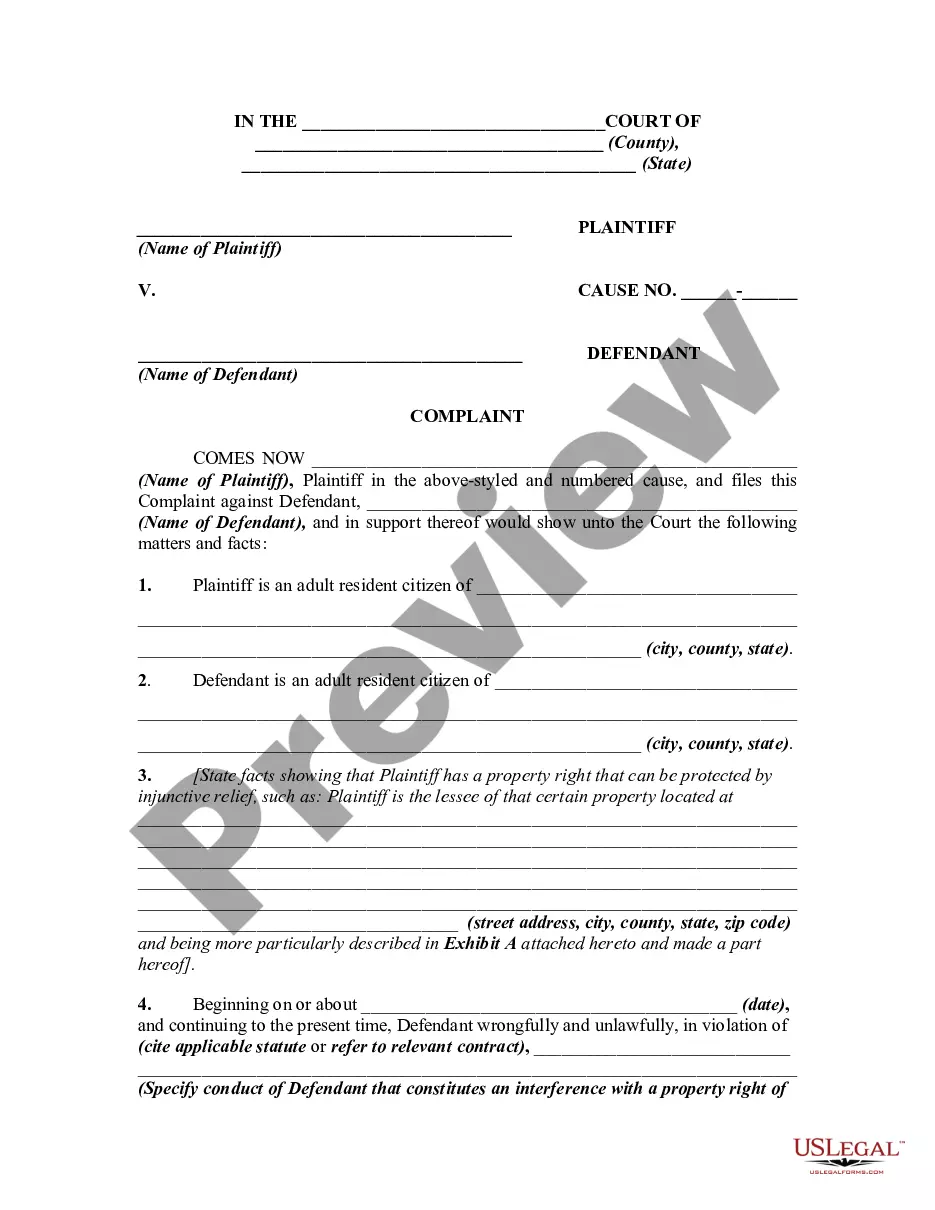
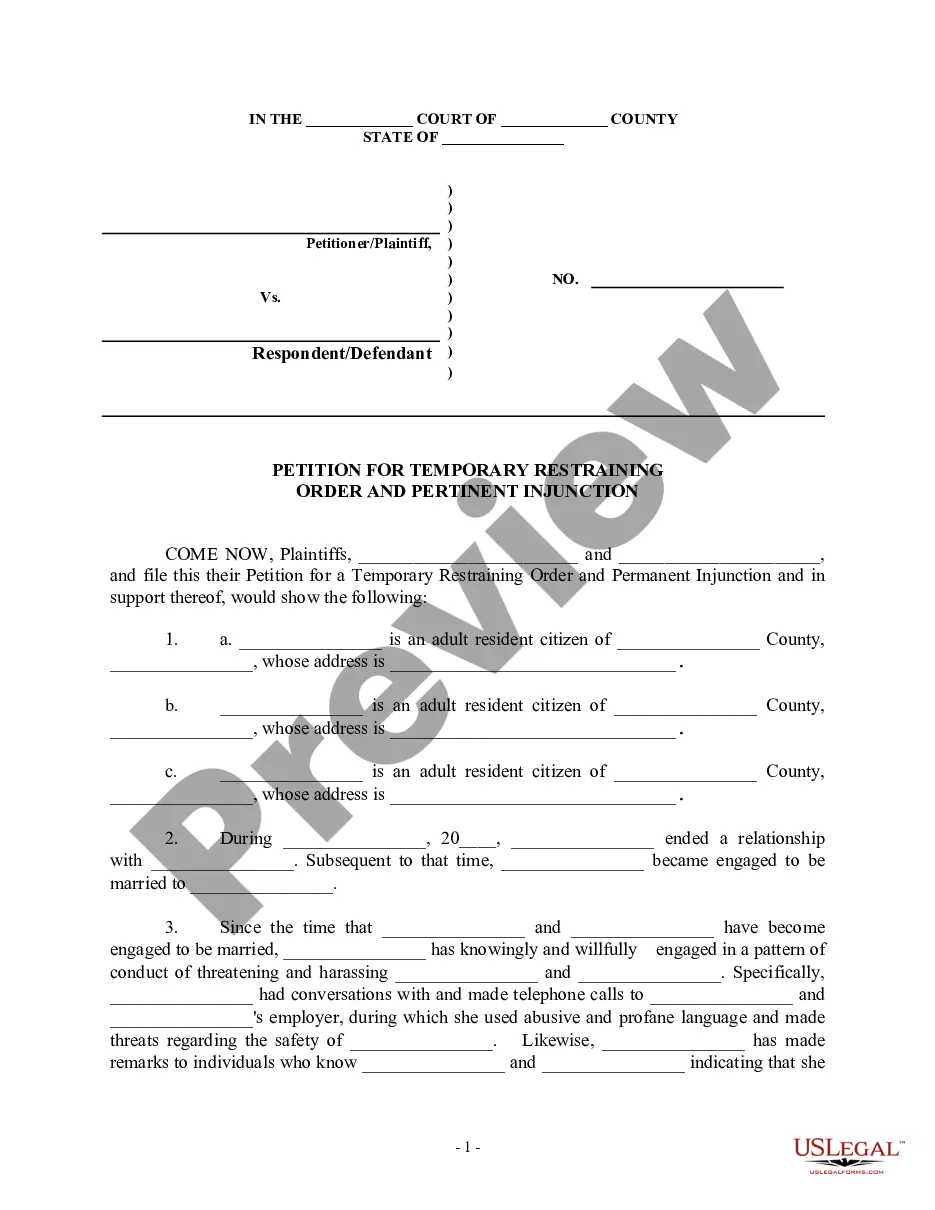
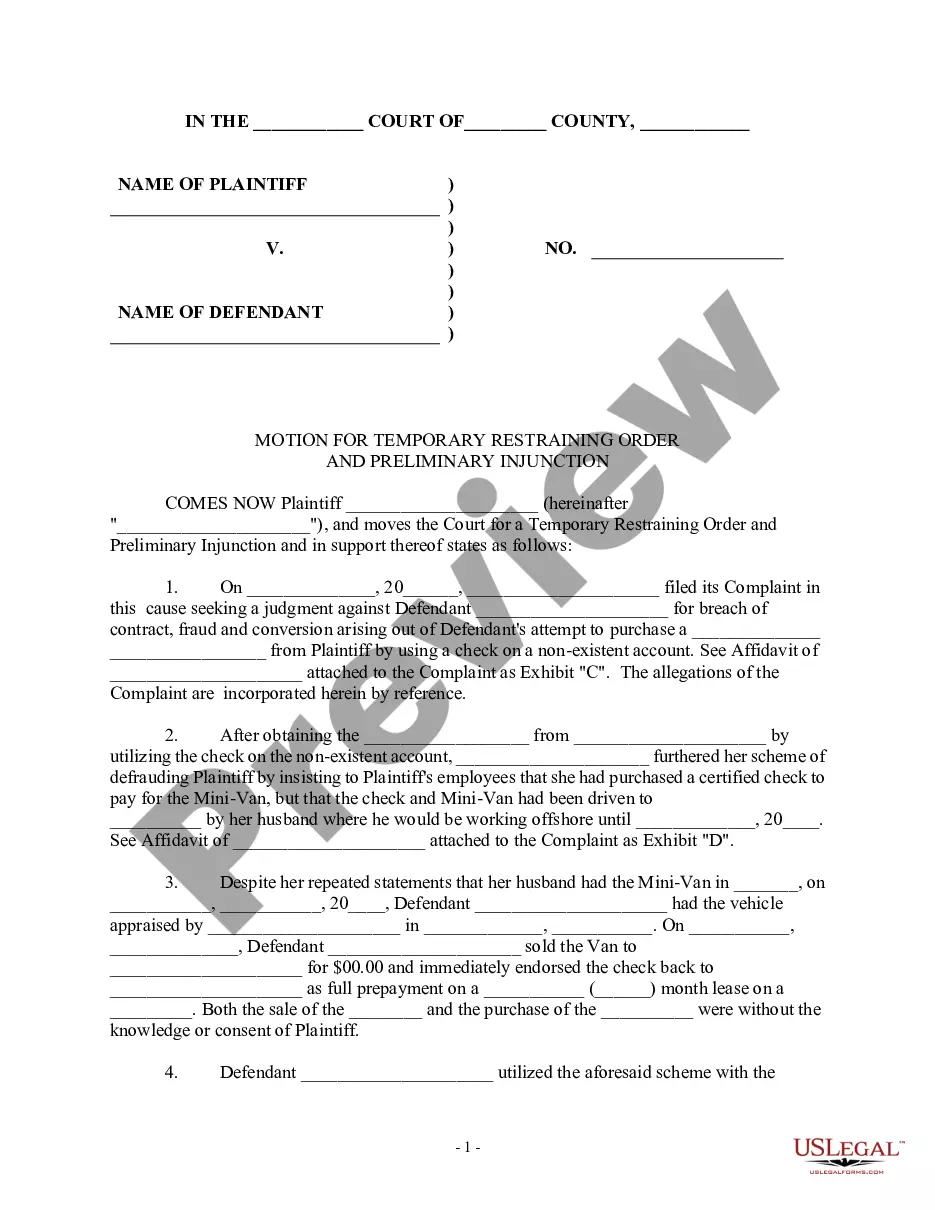
Sample Restraining Order Form Forced Marriage In Minnesota
Description



Get your form ready online
Our built-in tools help you complete, sign, share, and store your documents in one place.
Make edits, fill in missing information, and update formatting in US Legal Forms—just like you would in MS Word.
Download a copy, print it, send it by email, or mail it via USPS—whatever works best for your next step.
Sign and collect signatures with our SignNow integration. Send to multiple recipients, set reminders, and more. Go Premium to unlock E-Sign.
If this form requires notarization, complete it online through a secure video call—no need to meet a notary in person or wait for an appointment.
We protect your documents and personal data by following strict security and privacy standards.

Make edits, fill in missing information, and update formatting in US Legal Forms—just like you would in MS Word.

Download a copy, print it, send it by email, or mail it via USPS—whatever works best for your next step.

Sign and collect signatures with our SignNow integration. Send to multiple recipients, set reminders, and more. Go Premium to unlock E-Sign.

If this form requires notarization, complete it online through a secure video call—no need to meet a notary in person or wait for an appointment.

We protect your documents and personal data by following strict security and privacy standards.
Looking for another form?






Form popularity
FAQ
How Long Does A Restraining Order Last In Minnesota? Most restraining orders last up to two years, but they can be extended to 50 years in cases with repeated violations or past orders. Modifications or dismissals can be requested based on changed circumstances.
An order for protection differs from a harassment restraining order in that it's tailored specifically to victims of domestic abuse. These orders can be either temporary or permanent depending on the situation. However, the latter requires both parties attend a court hearing.
What Are the Three Types of Protection? Emergency Protective Order. Preliminary Protective Order. Final Protective Order. Count on a Diligent Loudoun County Lawyer.
Minnesota Restraining Orders causing physical harm, bodily injury, assault or making you afraid of immediate (imminent) physical harm, bodily injury or assault; terrorist threats, such as threats to commit a crime of violence, bomb threats, or showing (brandishing) a firearm;
Go to court You will tell the judge why you need a restraining order. You can bring witnesses and evidence to support your case. The other side can bring witnesses and evidence, too.
Once you turn in your request, a judge will decide quickly whether to grant temporary protection. The whole process can take a few weeks to months, depending on how complicated your case is. If the judge grants you a long-term restraining order, it can last up to five years.
An HRO can be issued without notice to the alleged harassing party, but once they receive notice a hearing is set so that they have the opportunity to dispute the order. An Order for Protection (OFP), on the other hand, deals specifically with domestic violence.