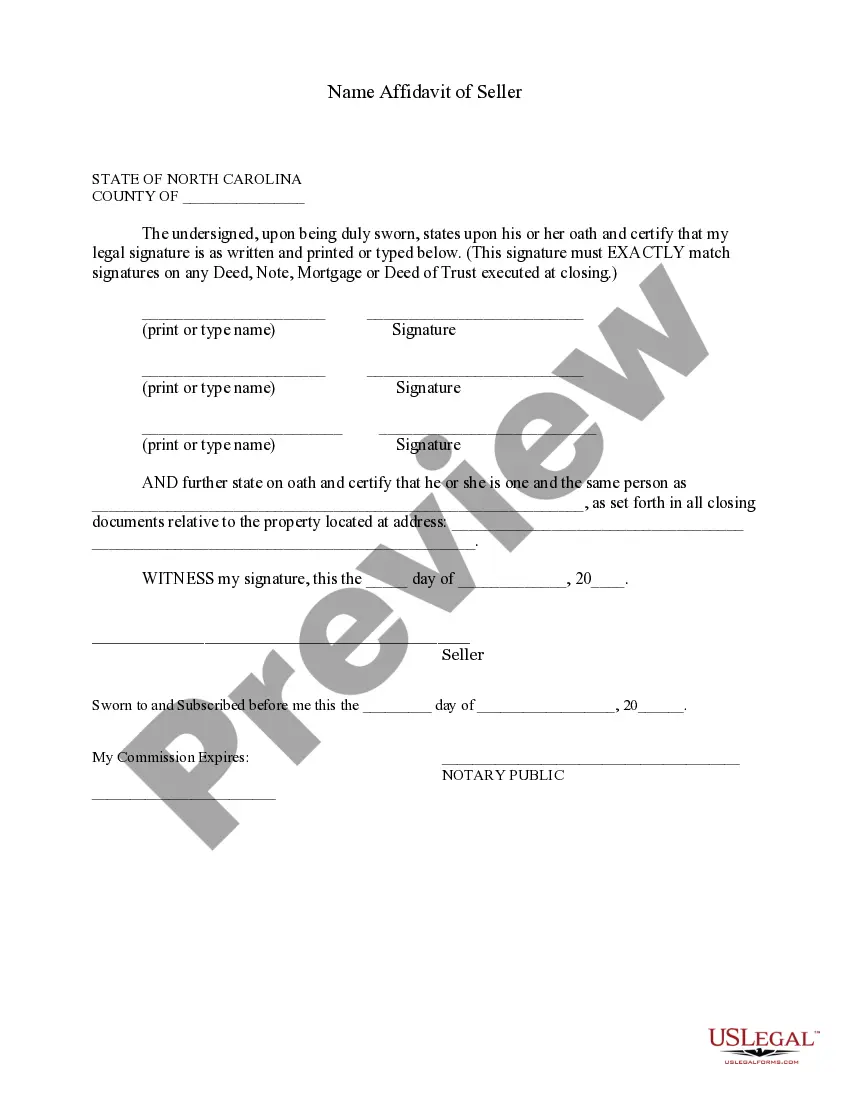
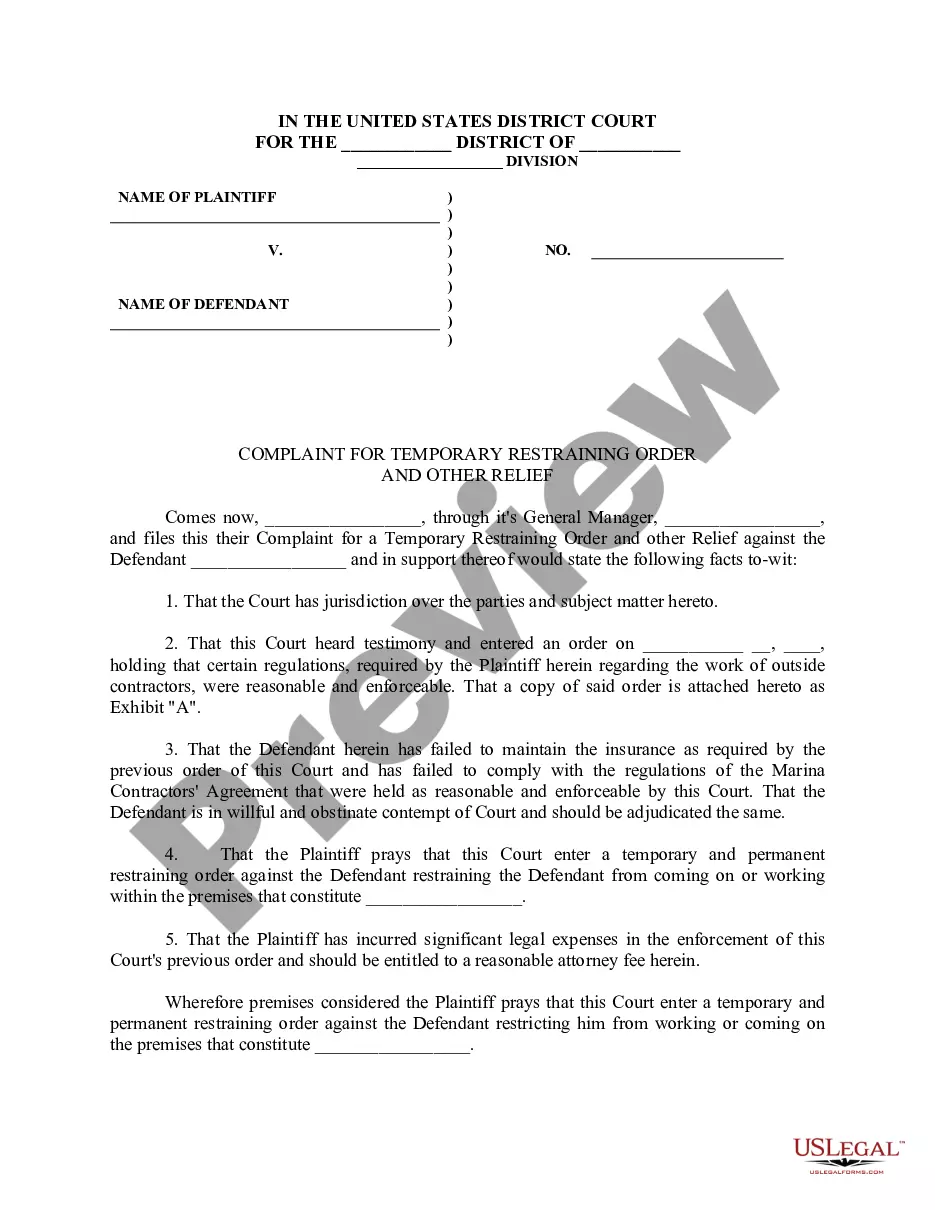
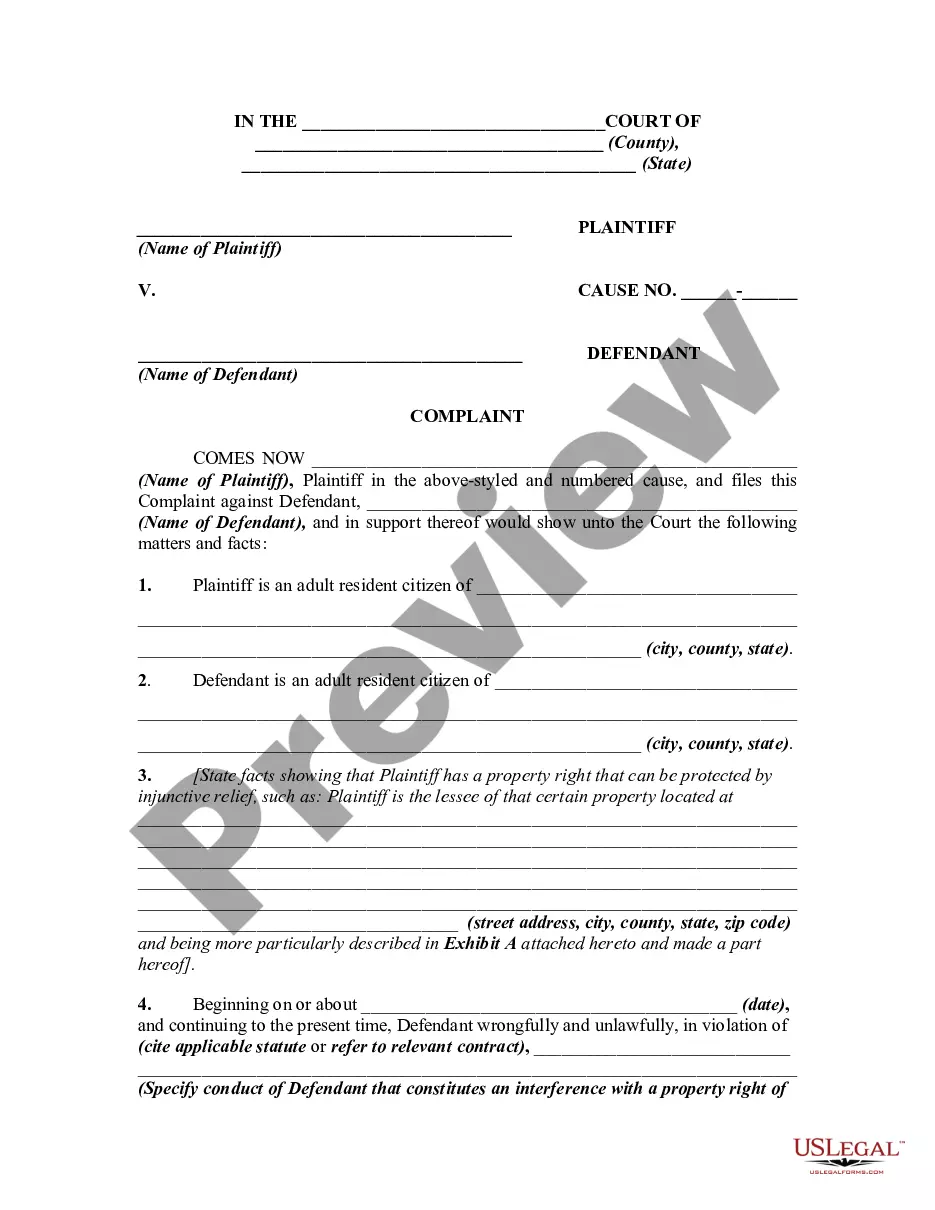
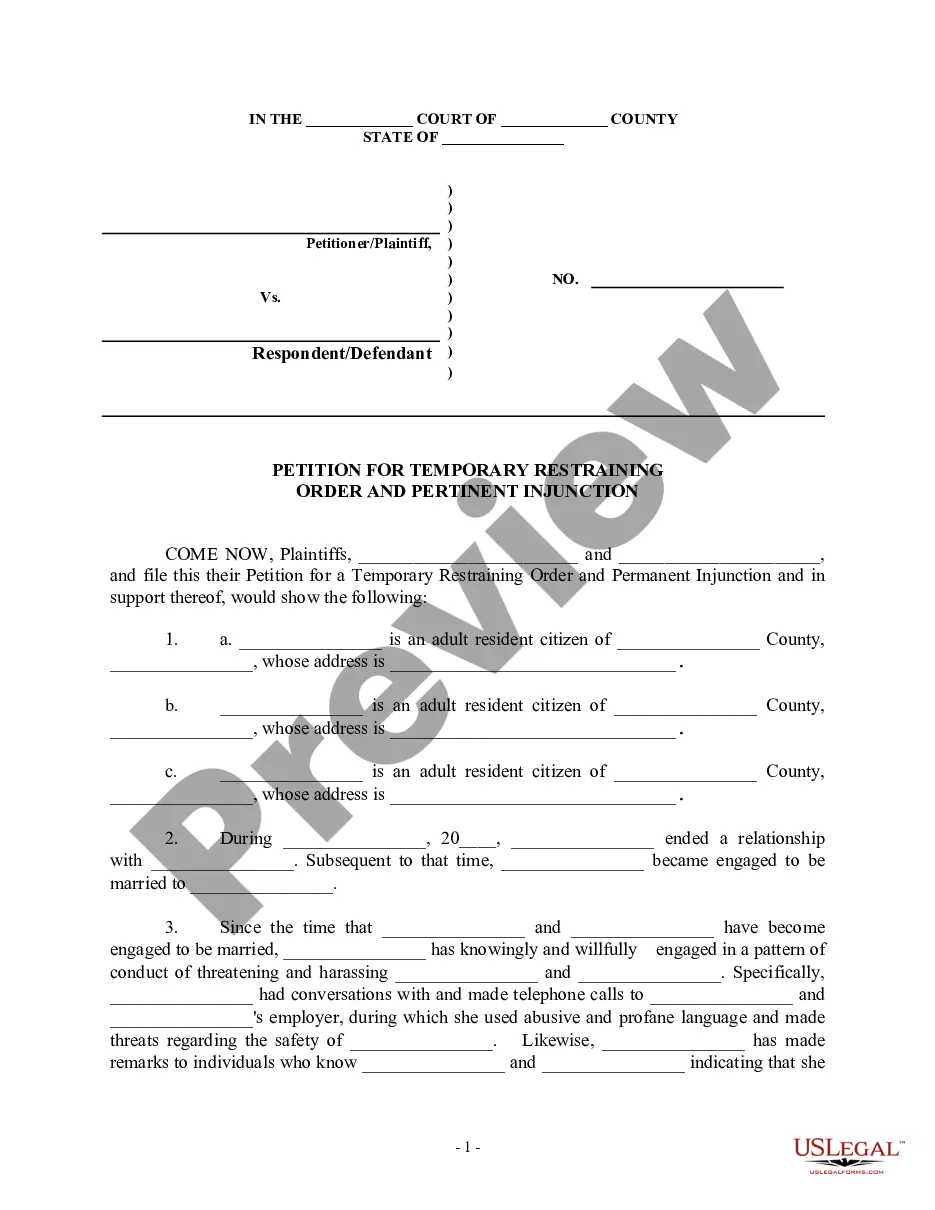
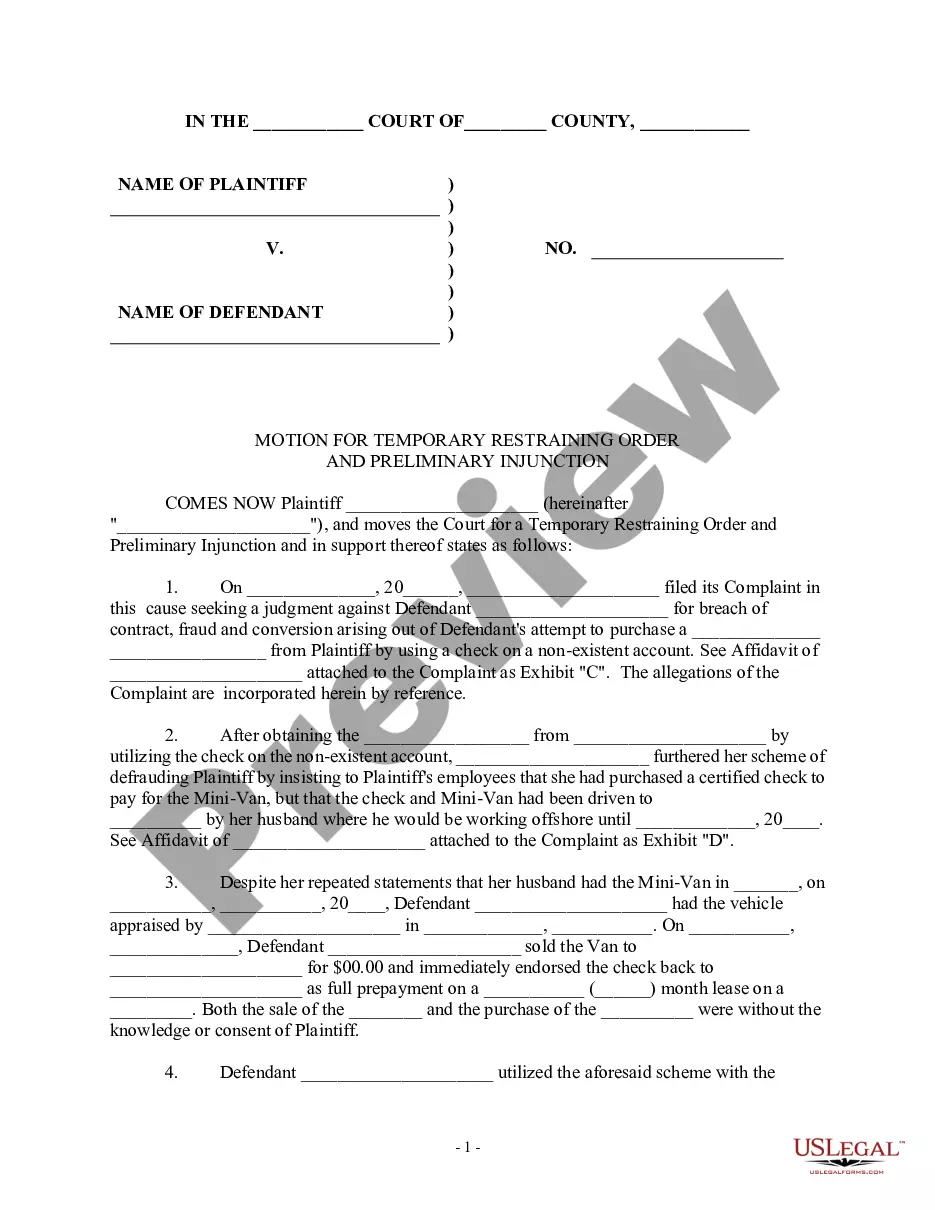
Sample Restraining Order Form With Court In Michigan
Description



Get your form ready online
Our built-in tools help you complete, sign, share, and store your documents in one place.
Make edits, fill in missing information, and update formatting in US Legal Forms—just like you would in MS Word.
Download a copy, print it, send it by email, or mail it via USPS—whatever works best for your next step.
Sign and collect signatures with our SignNow integration. Send to multiple recipients, set reminders, and more. Go Premium to unlock E-Sign.
If this form requires notarization, complete it online through a secure video call—no need to meet a notary in person or wait for an appointment.
We protect your documents and personal data by following strict security and privacy standards.

Make edits, fill in missing information, and update formatting in US Legal Forms—just like you would in MS Word.

Download a copy, print it, send it by email, or mail it via USPS—whatever works best for your next step.

Sign and collect signatures with our SignNow integration. Send to multiple recipients, set reminders, and more. Go Premium to unlock E-Sign.

If this form requires notarization, complete it online through a secure video call—no need to meet a notary in person or wait for an appointment.

We protect your documents and personal data by following strict security and privacy standards.
Looking for another form?








Form popularity
FAQ
State to the court that you would like a restraining order and what you would like the court to order. Be as specific as possible. Examples: “I am asking the court to grant me a _____ month/year injunction.” “I want no contact in person, at home, by phone, at work, by mail or through third parties.”
There are three kinds of PPOs: Domestic Relationship PPO, Non-Domestic Stalking PPO, Non-Domestic Sexual Assault PPO. If you have a domestic relationship with a person who sexually assaulted you or threatened to do so, a domestic relationship PPO may be the best fit for you.
The 5 most common tips in writing an effective leniency letter to a judge include: write a clear introduction, introduce yourself and establish credibility, provide reasons for leniency, tell a story, and. provide contact information.
You must be clear and detailed. At the same time, you need to stay on topic, because the judge does not have a lot of time to read the declaration. You should describe the abuse in detail:Describe all abuse, either toward you or another person you want protected.
The specific elements you need to prove to get a restraining order vary from state to state, but in general, you need to show: A specific instance or instances of abuse or harassment (such as sexual assault by an intimate partner) The threat of violence or of further abusive behavior or harassment.
The burden of proof is on the protected party to prove to the court by a preponderance of the evidence that there is a reasonable apprehension of future abuse.
Determine What is “Relevant” to Your Case First, determine what is most important to you. Second, organize your declaration. Third, proofread & condense. Know what your audience is focused on. Tell the truth. Anticipate opposing party's response. Advocate for yourself. Use proof to validate your case.
Fill out form MC 03 (Answer, Civil) on the website or get a paper copy from the court to fill out. Write in the court number, case number, the court address, the court telephone number, and the names, addresses, and telephone numbers of the plaintiff and the defendant exactly as they are on your court papers.