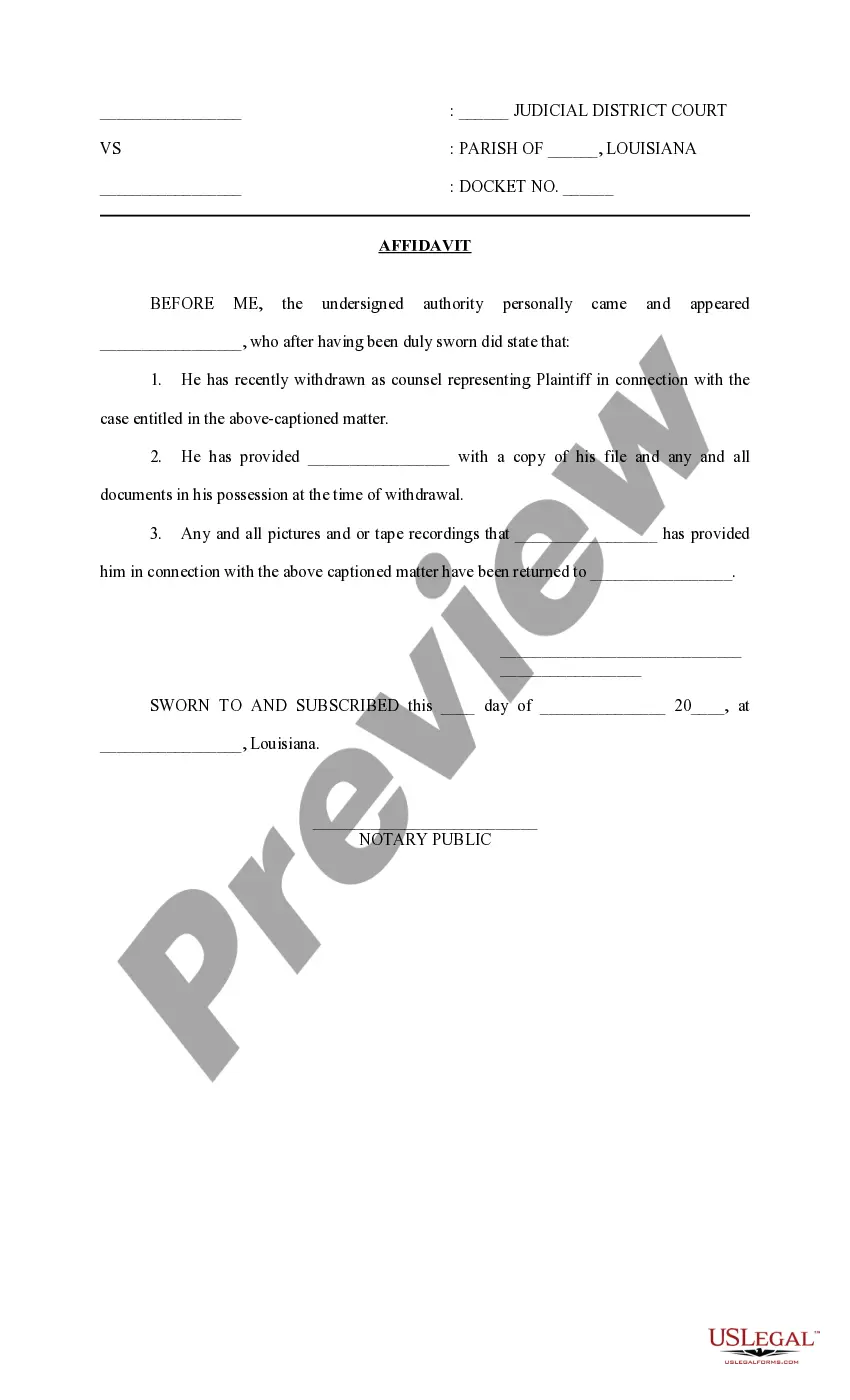
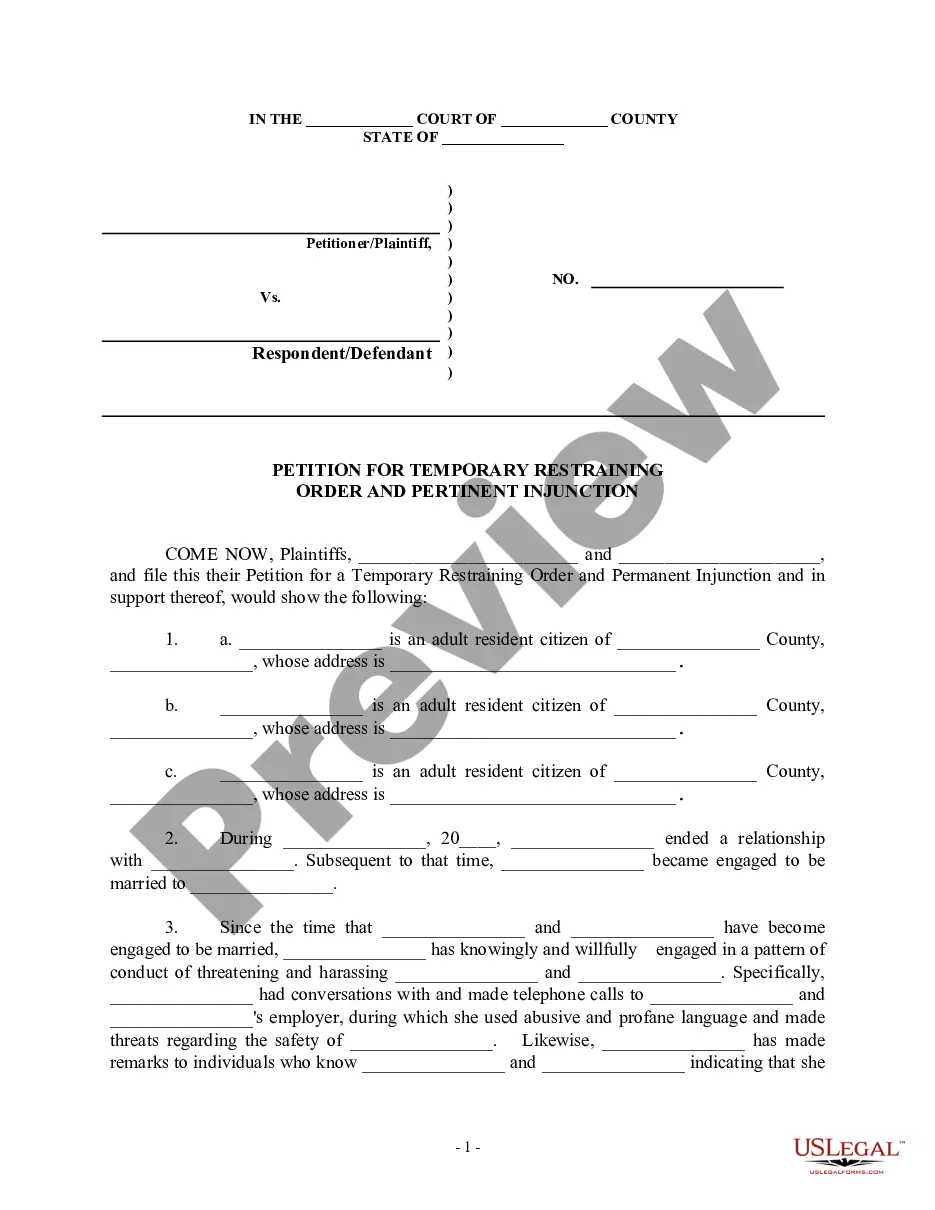
Sample Restraining Order Form For Texas In Michigan
Description
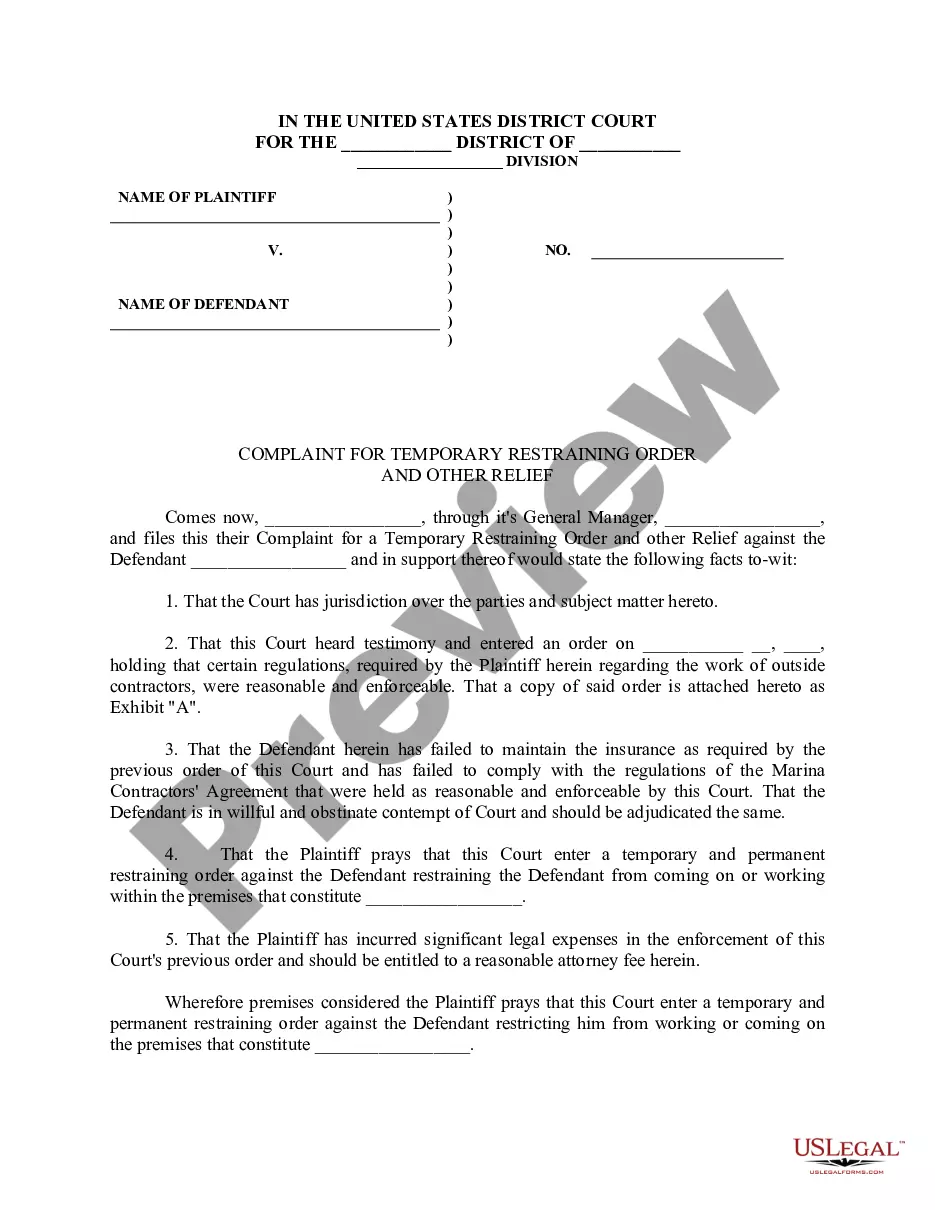


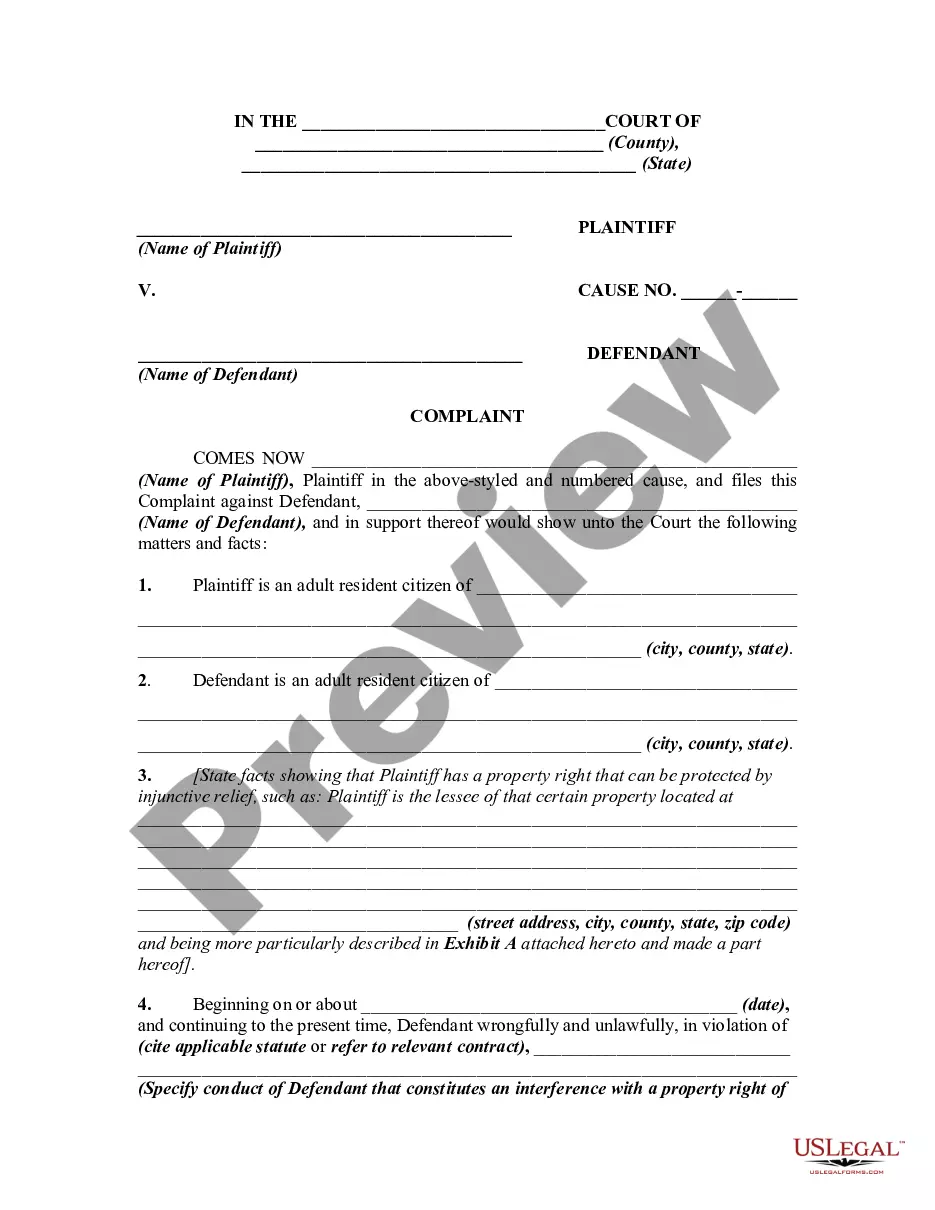

Get your form ready online
Our built-in tools help you complete, sign, share, and store your documents in one place.
Make edits, fill in missing information, and update formatting in US Legal Forms—just like you would in MS Word.
Download a copy, print it, send it by email, or mail it via USPS—whatever works best for your next step.
Sign and collect signatures with our SignNow integration. Send to multiple recipients, set reminders, and more. Go Premium to unlock E-Sign.
If this form requires notarization, complete it online through a secure video call—no need to meet a notary in person or wait for an appointment.
We protect your documents and personal data by following strict security and privacy standards.

Make edits, fill in missing information, and update formatting in US Legal Forms—just like you would in MS Word.

Download a copy, print it, send it by email, or mail it via USPS—whatever works best for your next step.

Sign and collect signatures with our SignNow integration. Send to multiple recipients, set reminders, and more. Go Premium to unlock E-Sign.

If this form requires notarization, complete it online through a secure video call—no need to meet a notary in person or wait for an appointment.

We protect your documents and personal data by following strict security and privacy standards.
Looking for another form?







Form popularity
FAQ
A protective order is only available for people who have experienced dating or family violence and it can lead to criminal penalties (the Respondent/violator can be arrested) if violated. A restraining order can be ordered by a court for many different types of situations and only has civil penalties if violated.
If the judge decides that there was abuse and that there is also a credible threat to the plaintiff's safety, a final order of protection will be granted and will last for up to one year.
I beg your honor to please consider my sincere plea to remove the no contact order. You are the one who has the ability to give us, as a family, a second opportunity.
Key Differences A Harassment Order addresses unwanted behavior that may not necessarily involve physical harm but still causes significant distress to the victim. In contrast, a Restraining Order is typically sought in cases involving a history of violence, physical threat, or other forms of serious harm.
To get a domestic relationship PPO, you must show the judge that the abuser is likely to assault, threaten, harass, or stalk you. You must also show that you and the abuser have a domestic relationship. You have a domestic relationship with the abuser if they are: Your current or ex-spouse.
A significant change in circumstances, such as improved behavior, completion of anger management or counseling programs, or evidence that the risk of violence has diminished, may provide grounds for seeking the dismissal of a restraining order.
Stick to the facts, and provide concrete reasons why the order should be modified or terminated. For example, if you and the other party have a child together, you could state that you need the no-contact order dropped so you can communicate regarding the child's needs and arrange for visitation.
The burden of proof is on the protected party to prove to the court by a preponderance of the evidence that there is a reasonable apprehension of future abuse.
State to the court that you would like a restraining order and what you would like the court to order. Be as specific as possible. Examples: “I am asking the court to grant me a _____ month/year injunction.” “I want no contact in person, at home, by phone, at work, by mail or through third parties.”