Sample Restraining Order Form For California In Miami-Dade
Description


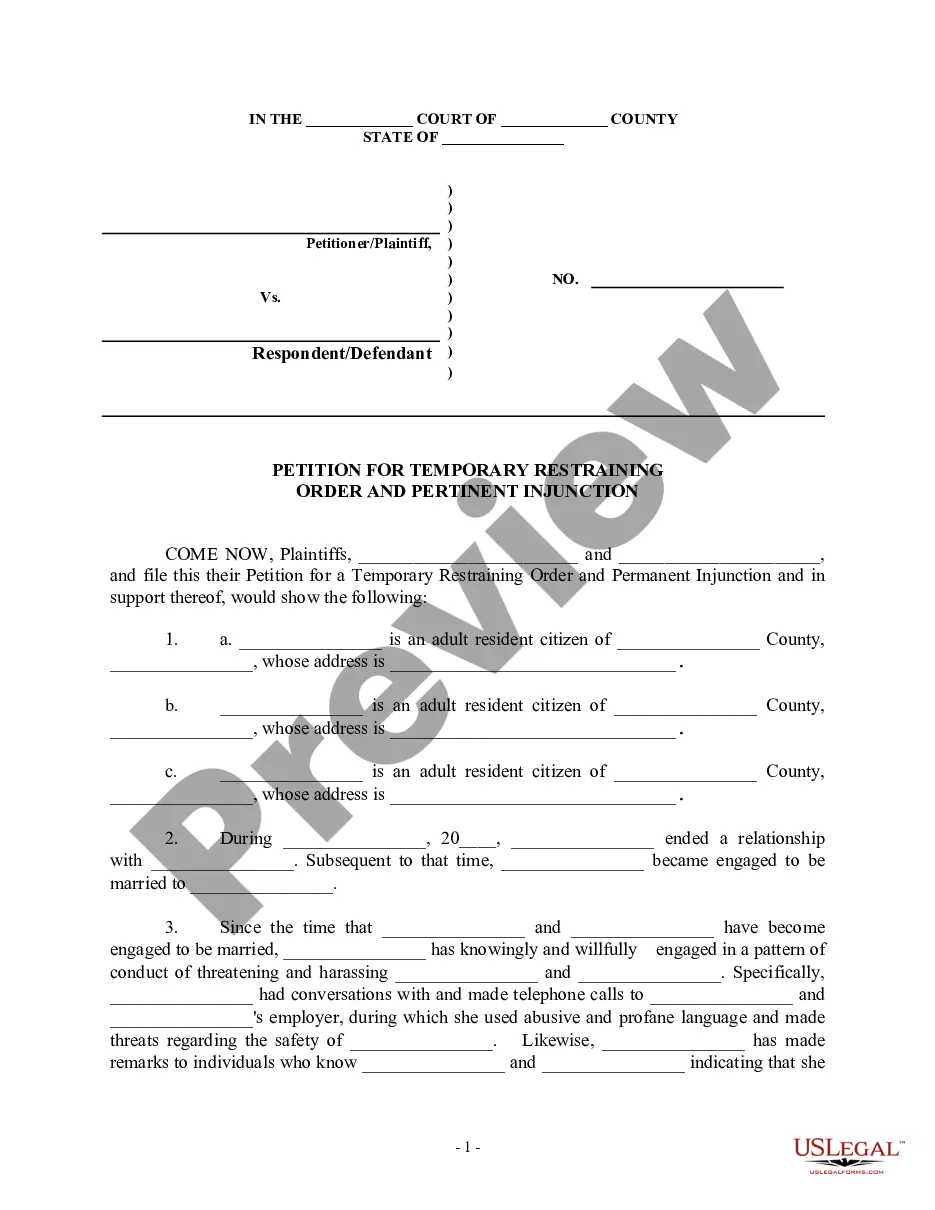

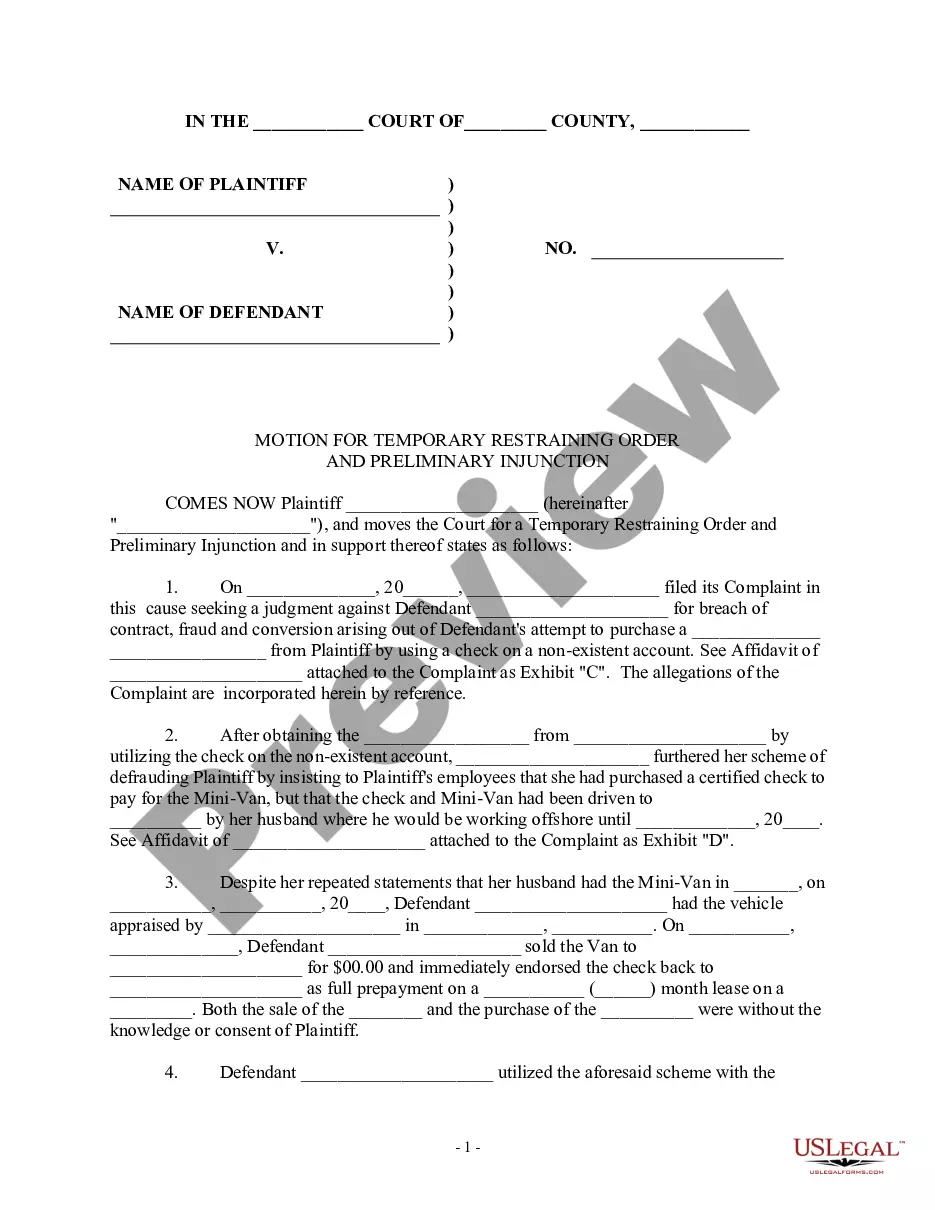
Get your form ready online
Our built-in tools help you complete, sign, share, and store your documents in one place.
Make edits, fill in missing information, and update formatting in US Legal Forms—just like you would in MS Word.
Download a copy, print it, send it by email, or mail it via USPS—whatever works best for your next step.
Sign and collect signatures with our SignNow integration. Send to multiple recipients, set reminders, and more. Go Premium to unlock E-Sign.
If this form requires notarization, complete it online through a secure video call—no need to meet a notary in person or wait for an appointment.
We protect your documents and personal data by following strict security and privacy standards.

Make edits, fill in missing information, and update formatting in US Legal Forms—just like you would in MS Word.

Download a copy, print it, send it by email, or mail it via USPS—whatever works best for your next step.

Sign and collect signatures with our SignNow integration. Send to multiple recipients, set reminders, and more. Go Premium to unlock E-Sign.

If this form requires notarization, complete it online through a secure video call—no need to meet a notary in person or wait for an appointment.

We protect your documents and personal data by following strict security and privacy standards.
Looking for another form?










Form popularity
FAQ
The restraining order process for civil harassment cases Ask for a restraining order. You will complete and turn in court papers. Serve the other side. The other side (person you want protection from) must be served with (given) the court papers filed with the court. Go to court. Finish the case.
To ask the sheriff to serve your papers, you must have an address or location for the other side (restrained person). If the other side is in jail, the sheriff can serve them. If the other side is in prison in California, prison staff, not the sheriff, will serve your papers.
Substituted service The server tries to serve the papers in person several times (usually 3 or more) but can't find the person. They try at different times when the person might be home or at work. If the server can't find them, they can leave the papers with another adult at the person's home or work.
Fill out all required forms Request for Civil Harassment Restraining Orders (form CH-100) Confidential CLETS Information (form CLETS-001) Notice of Court Hearing (form CH-109) Temporary Restraining Order (form CH-110) Civil Case Cover Sheet (form CM-010)
Anyone seeking such an order must be prepared to present some evidence in addition to their own written statements and testimony in Court. This standard means that the Court must see photographs, text messages, e-mails or any other physical evidence that can support claims made by the Petitioner.
If you need protection right away, take your forms to a court clerk. Some courts allow online filing, also called efiling. You can find out if your court has online filing by visiting your court's website.
Restraining orders Which type you can ask for. Description of all types of restraining orders. Domestic violence. Civil harassment. Elder or dependent adult. Workplace violence. Gun violence. School violence. Emergency and criminal protective orders.