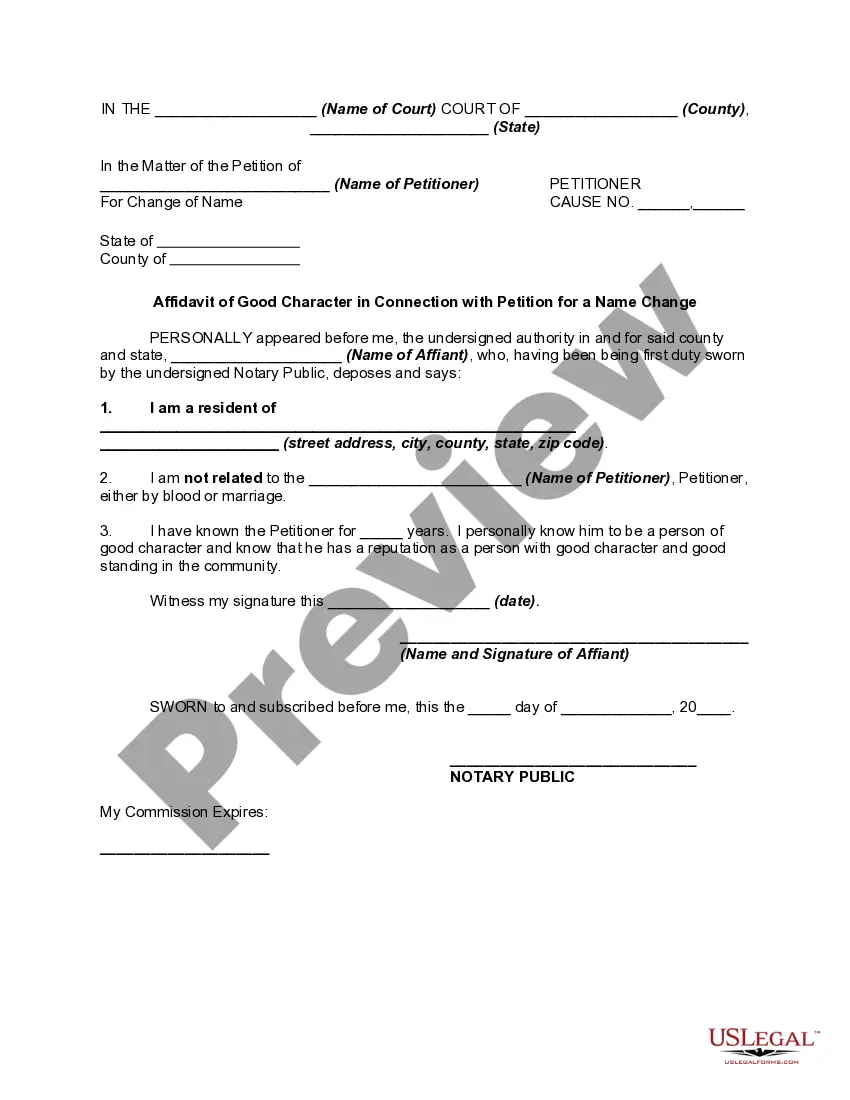
Sample Restraining Order Form For Medical Records In Hillsborough
Description



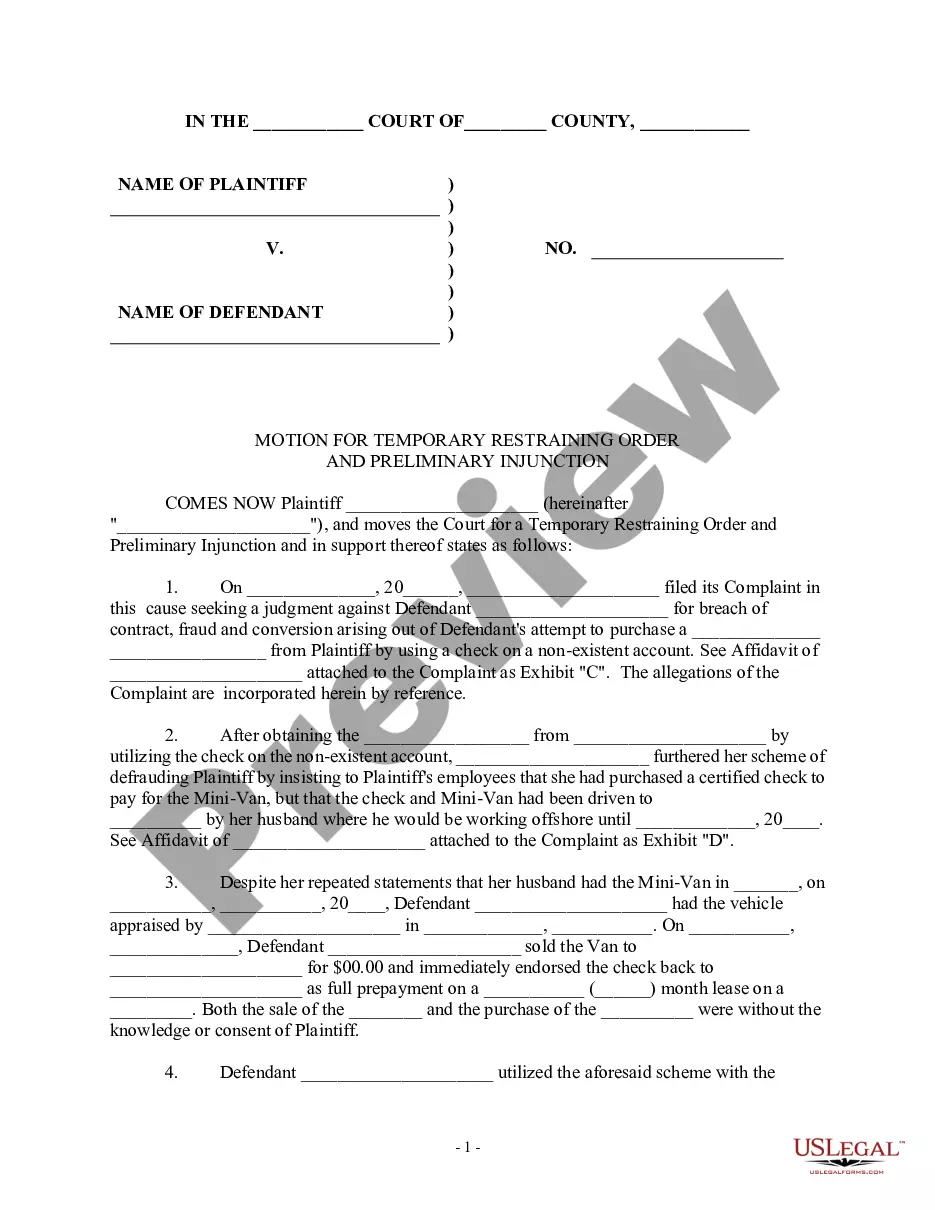
Get your form ready online
Our built-in tools help you complete, sign, share, and store your documents in one place.
Make edits, fill in missing information, and update formatting in US Legal Forms—just like you would in MS Word.
Download a copy, print it, send it by email, or mail it via USPS—whatever works best for your next step.
Sign and collect signatures with our SignNow integration. Send to multiple recipients, set reminders, and more. Go Premium to unlock E-Sign.
If this form requires notarization, complete it online through a secure video call—no need to meet a notary in person or wait for an appointment.
We protect your documents and personal data by following strict security and privacy standards.

Make edits, fill in missing information, and update formatting in US Legal Forms—just like you would in MS Word.

Download a copy, print it, send it by email, or mail it via USPS—whatever works best for your next step.

Sign and collect signatures with our SignNow integration. Send to multiple recipients, set reminders, and more. Go Premium to unlock E-Sign.

If this form requires notarization, complete it online through a secure video call—no need to meet a notary in person or wait for an appointment.

We protect your documents and personal data by following strict security and privacy standards.
Looking for another form?










Form popularity
FAQ
To make a request contact the clerk's office by mail or in person at 419 Pierce Street, Tampa, FL 33602 or by email at recording@hillsclerk.
The restraining order itself has an expiration date. So if you have a copy of the order you would know. If you do not have a copy then you can go to the courthouse where the case is being handled and ask to look at the court file or ask to get a copy of the order.
Florida Injunctions for Protection. An injunction (sometimes referred to as a restraining order) is a court order that tells one person to stay away from and not contact another person. Unless the court order says otherwise, this means no contact by phone, email, text messages, letter, in person, or other method.
Once a restraining order is issued, it becomes a matter of public record, accessible to potential employers, landlords, and others conducting background checks. A restraining order may appear on a person's record even if they were never charged with or convicted of a criminal offense.
In terms of reporting a violation of restraining order in civil court, it is something that cannot be done anonymously because the victim would have to file a motion with the court asking the court to acknowledge that the abuser has violated the court order and that it take the steps to try to force the abuser to ...
The term "public record" is not limited to traditional written documents. "Tapes, photographs, films, sound recordings, data processing software, or other material, regardless of the physical form, characteristics, or means of transmission" can all constitute public records.
The specific elements you need to prove to get a restraining order vary from state to state, but in general, you need to show: A specific instance or instances of abuse or harassment (such as sexual assault by an intimate partner) The threat of violence or of further abusive behavior or harassment.
Ask for a Civil Harassment Restraining Order Form NameForm Number Civil Case Cover Sheet CM-010 Declaration OR Attached Declaration MC-030 OR MC-031 Proof of Personal Service CH-200 Civil Harassment Restraining Order After Hearing (CLETS-CHO) CH-1308 more rows
Fill out all required forms Request for Civil Harassment Restraining Orders (form CH-100) Confidential CLETS Information (form CLETS-001) Notice of Court Hearing (form CH-109) Temporary Restraining Order (form CH-110) Civil Case Cover Sheet (form CM-010)
A person can file a quitclaim deed by (1) entering the relevant information on a quitclaim deed form, (2) signing the deed with two witnesses and a notary, and (3) recording the deed at the county comptroller's office. In Florida, quitclaim deeds must have the name and address of both the grantor and the grantee.