Sample Restraining Order Form For Shirts In Georgia
Description

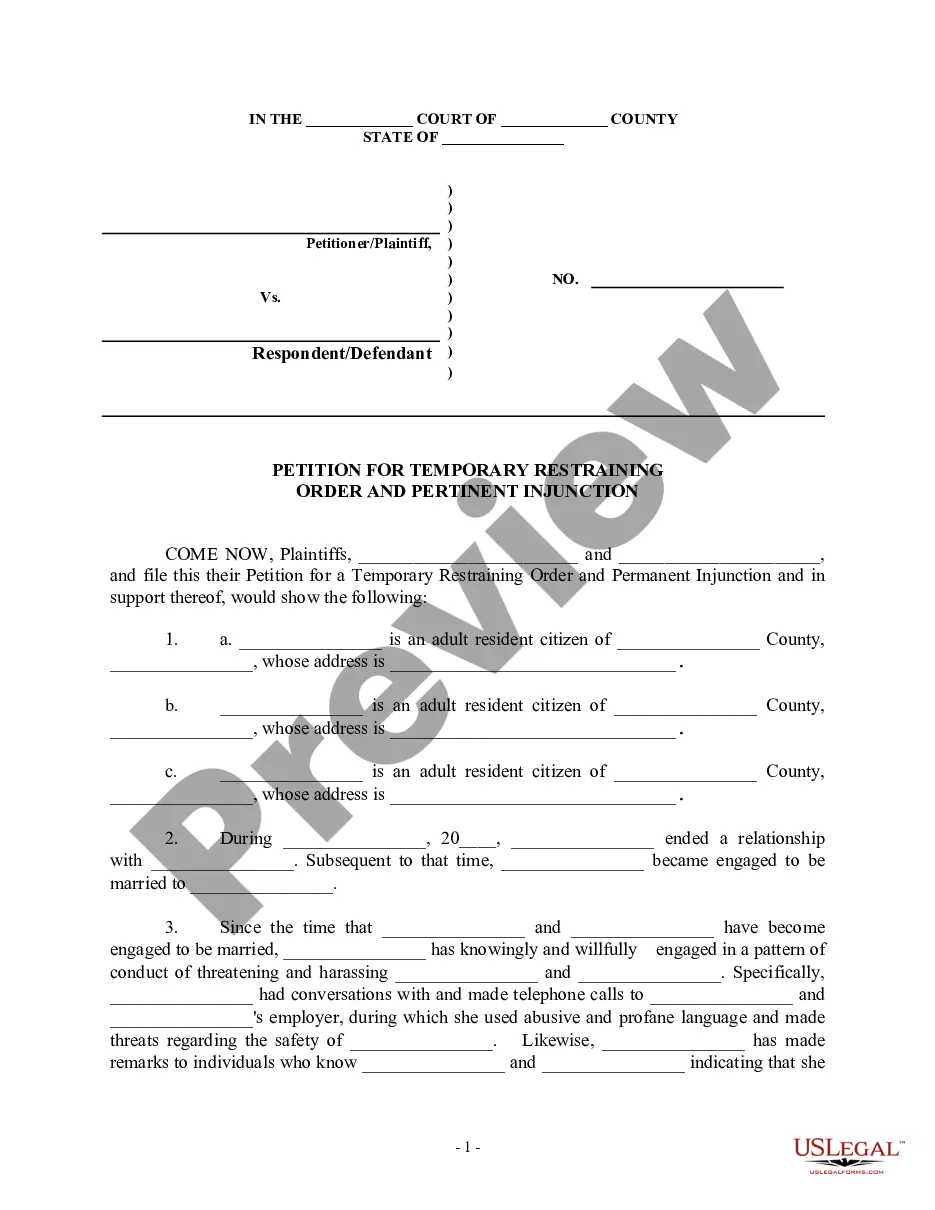

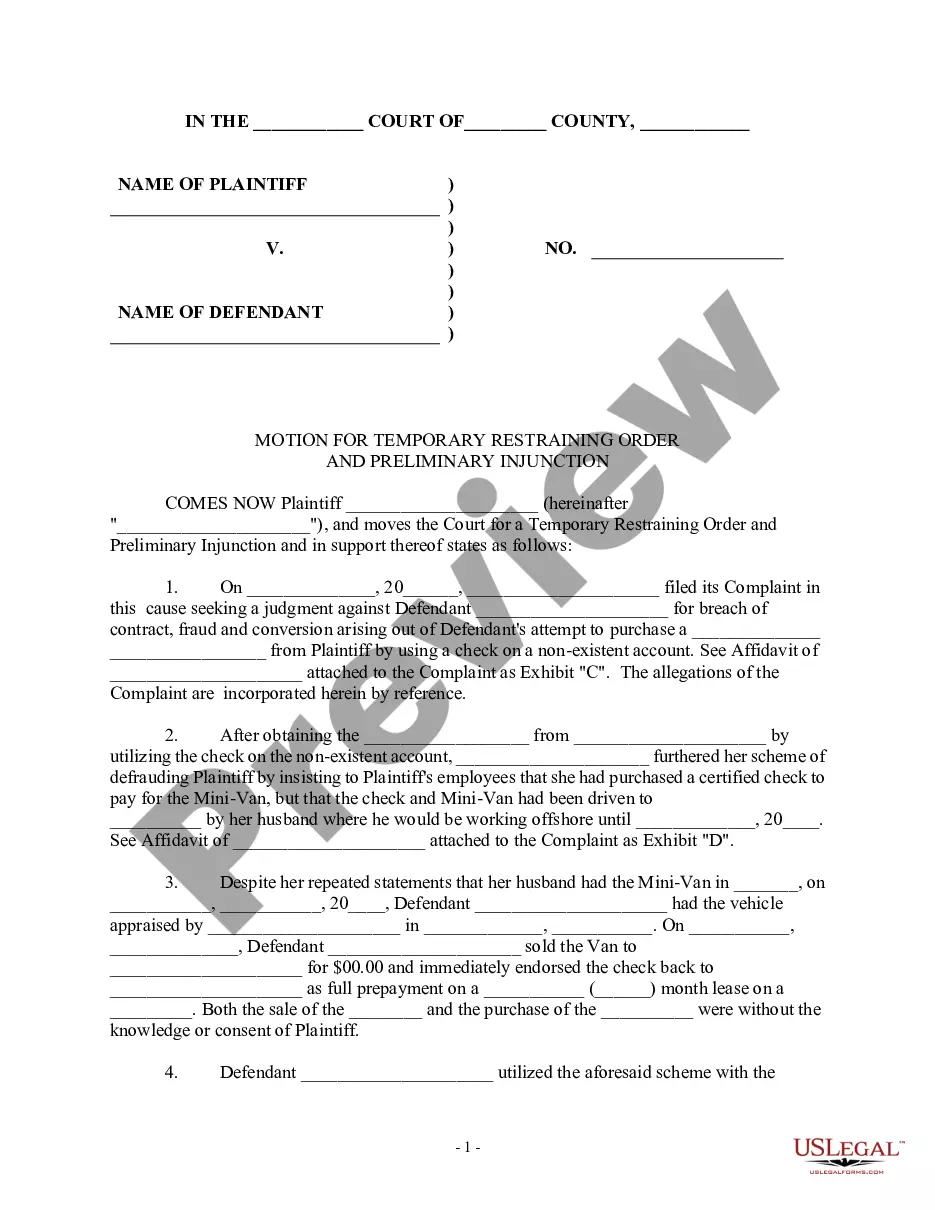
Get your form ready online
Our built-in tools help you complete, sign, share, and store your documents in one place.
Make edits, fill in missing information, and update formatting in US Legal Forms—just like you would in MS Word.
Download a copy, print it, send it by email, or mail it via USPS—whatever works best for your next step.
Sign and collect signatures with our SignNow integration. Send to multiple recipients, set reminders, and more. Go Premium to unlock E-Sign.
If this form requires notarization, complete it online through a secure video call—no need to meet a notary in person or wait for an appointment.
We protect your documents and personal data by following strict security and privacy standards.

Make edits, fill in missing information, and update formatting in US Legal Forms—just like you would in MS Word.

Download a copy, print it, send it by email, or mail it via USPS—whatever works best for your next step.

Sign and collect signatures with our SignNow integration. Send to multiple recipients, set reminders, and more. Go Premium to unlock E-Sign.

If this form requires notarization, complete it online through a secure video call—no need to meet a notary in person or wait for an appointment.

We protect your documents and personal data by following strict security and privacy standards.
Looking for another form?



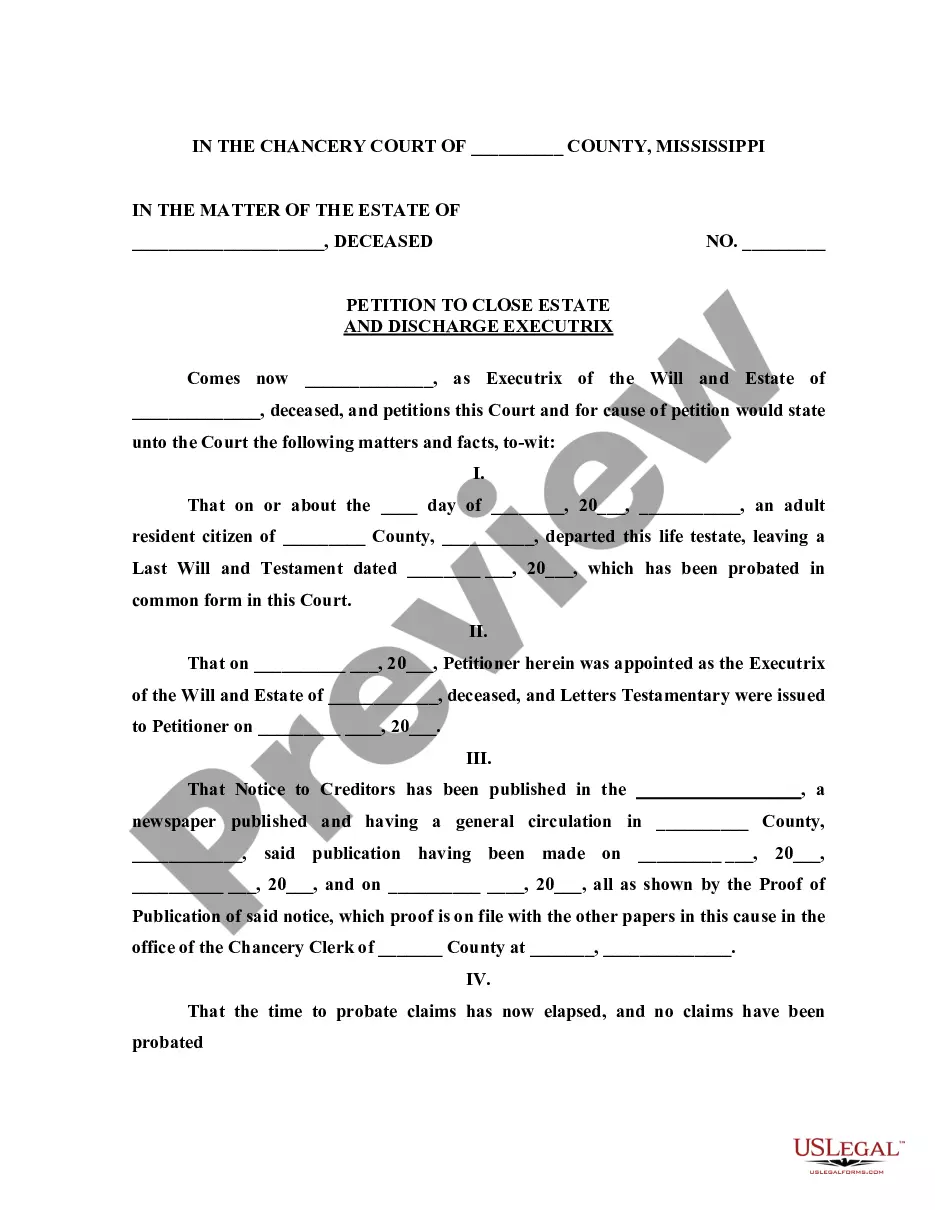




Form popularity
FAQ
Victims of nonconsensual online publication of sexually explicit material may be able to obtain a restraining order that prohibits the perpetrator from continuing to harass the victim online.
In simple terms, a no-contact order prohibits the respondent–the person accused of domestic violence–from having any contact with the petitioner. Generally speaking, “no contact” means no contact. The order itself may specify the types of contact that are of particular concern to the petitioner or the court.
Any person who commits the offense of harassing communications shall be guilty of a misdemeanor.
The burden of proof for a TPO in Georgia is “preponderance of evidence.” This means that the petitioner must demonstrate that it is more likely than not that the alleged behavior occurred and that it necessitates a protective order.
Go to court You will tell the judge why you need a restraining order. You can bring witnesses and evidence to support your case. The other side can bring witnesses and evidence, too.
File a petition to the Clerk's Office of the Superior Court of the county where the respondent resides. You must complete and sign all required paperwork. Please contact the Superior Court for information about how to submit a petition to the Clerk's Office.