Sample Restraining Order Form With Envelope Attached In Cuyahoga
Description

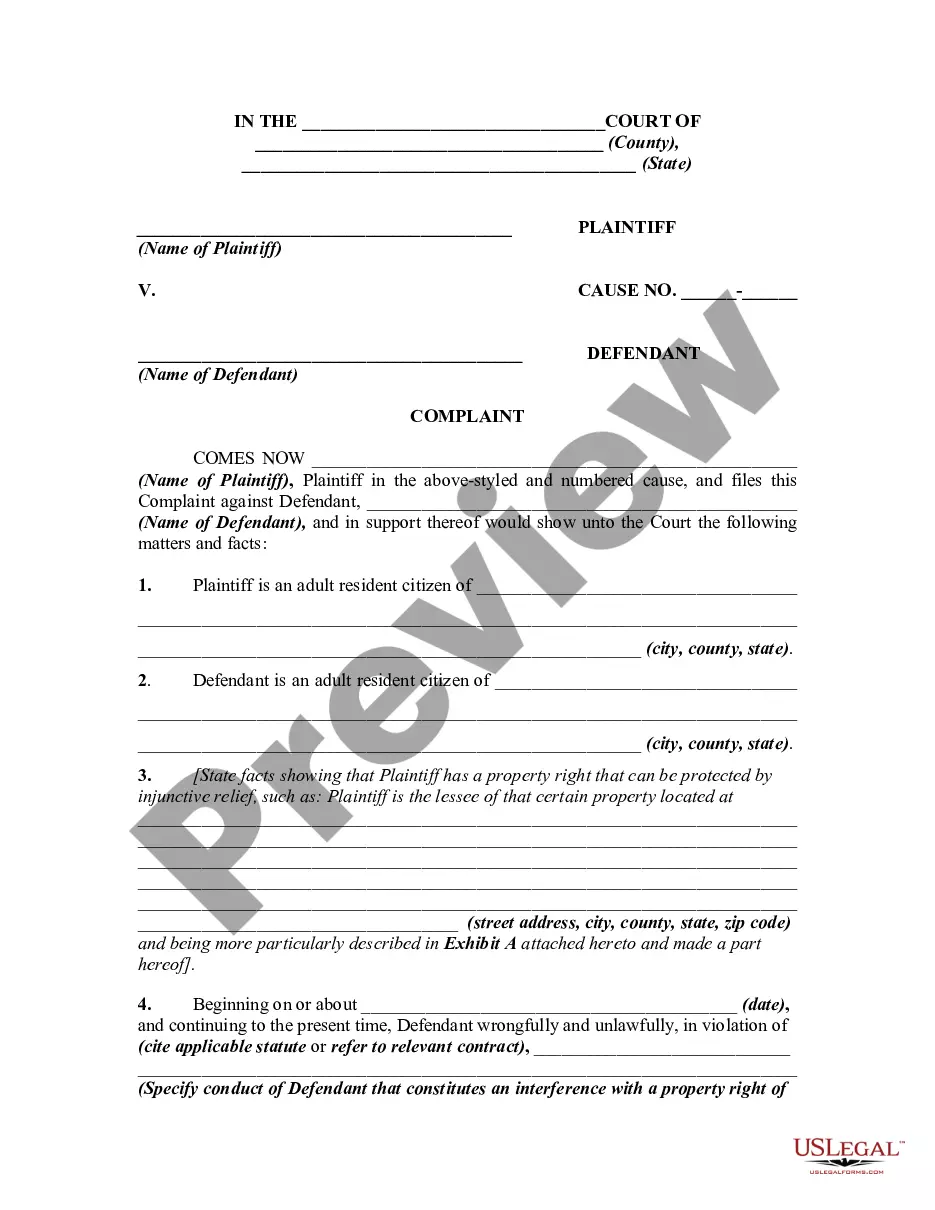
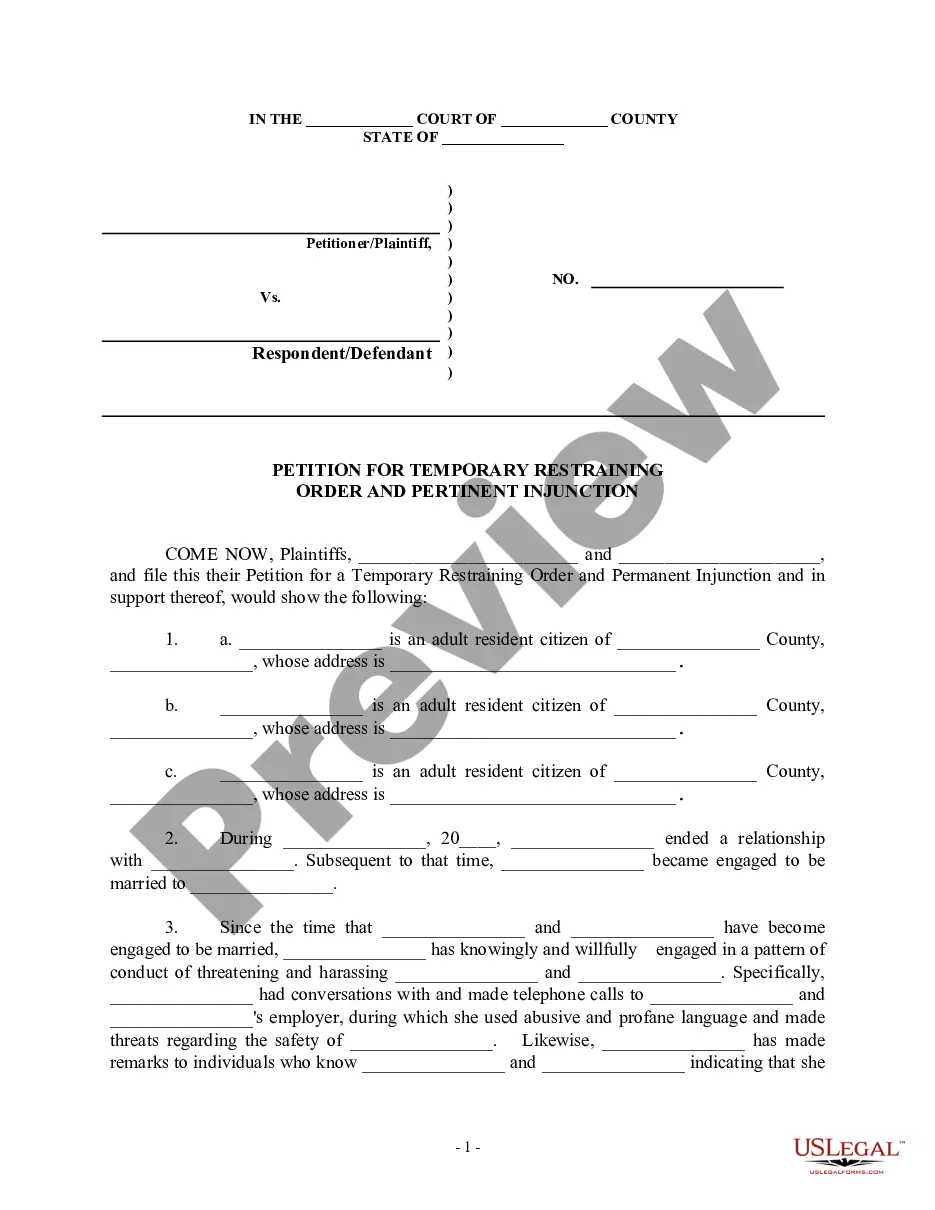

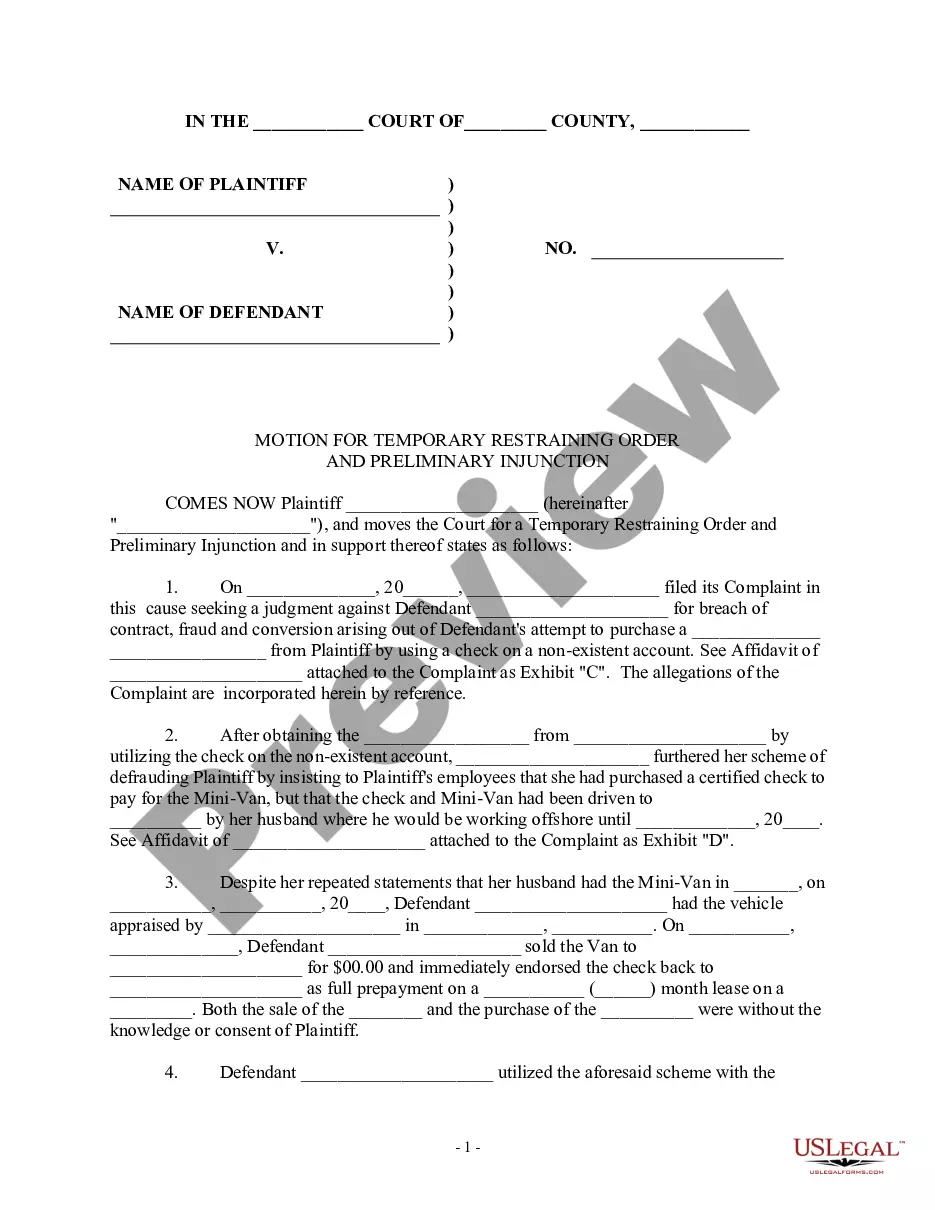
Get your form ready online
Our built-in tools help you complete, sign, share, and store your documents in one place.
Make edits, fill in missing information, and update formatting in US Legal Forms—just like you would in MS Word.
Download a copy, print it, send it by email, or mail it via USPS—whatever works best for your next step.
Sign and collect signatures with our SignNow integration. Send to multiple recipients, set reminders, and more. Go Premium to unlock E-Sign.
If this form requires notarization, complete it online through a secure video call—no need to meet a notary in person or wait for an appointment.
We protect your documents and personal data by following strict security and privacy standards.

Make edits, fill in missing information, and update formatting in US Legal Forms—just like you would in MS Word.

Download a copy, print it, send it by email, or mail it via USPS—whatever works best for your next step.

Sign and collect signatures with our SignNow integration. Send to multiple recipients, set reminders, and more. Go Premium to unlock E-Sign.

If this form requires notarization, complete it online through a secure video call—no need to meet a notary in person or wait for an appointment.

We protect your documents and personal data by following strict security and privacy standards.
Looking for another form?




Form popularity
FAQ
Protection orders are serious, but they are a civil matter. You would only face the possibility of incarceration if you violate a civil protection order that has been put in place.
A person who is a victim of menacing by stalking may apply for a Civil Stalking Protection Order (CSPO). This is an order that prohibits the respondent from contacting, following, and/or threatening you for up to five years.
Evidence from the person seeking the order can take different forms: Witness Testimony: Statements from people who witnessed abusive behavior. Photographic Evidence: Photos of injuries caused by violence, with timestamps. Text Messages or Emails: Messages with threatening language or detailing abuse.
Stalking is a Crime However, receiving counseling is NOT required to obtain legal remedies. If a person follows, pursues or harasses you in a threatening manner on more than one occasion, this person may be guilty of stalking under Ohio law. Contact local law enforcement to report all stalking incidents.
Using the facts of the incident only, keep your statement brief and to the point. Briefly describe the most recent incident of abuse and/or threats of abuse or other behaviors. Focus on the actual behavior. Do not include prior incidents, (that will be the next paragraph).
What Happens Upon a Violation of a Protection Order in Ohio? The person against whom the protection order is issued must ensure that they abide by all conditions. Failing to do so can result in additional criminal charges and penalties. For a first offense, violating a protection order is a first-degree misdemeanor.
(A) Upon motion of any party or person from whom discovery is sought, the board or the administrative law judge may issue any order which is necessary to protect a party or person from annoyance, embarrassment, oppression, or undue burden or expense.
Because a protective order is a civil court order, a victim can drop an order of protection. The victim must return to the court and ask the judge to dismiss the order.