Fraud With Business In Texas
Description







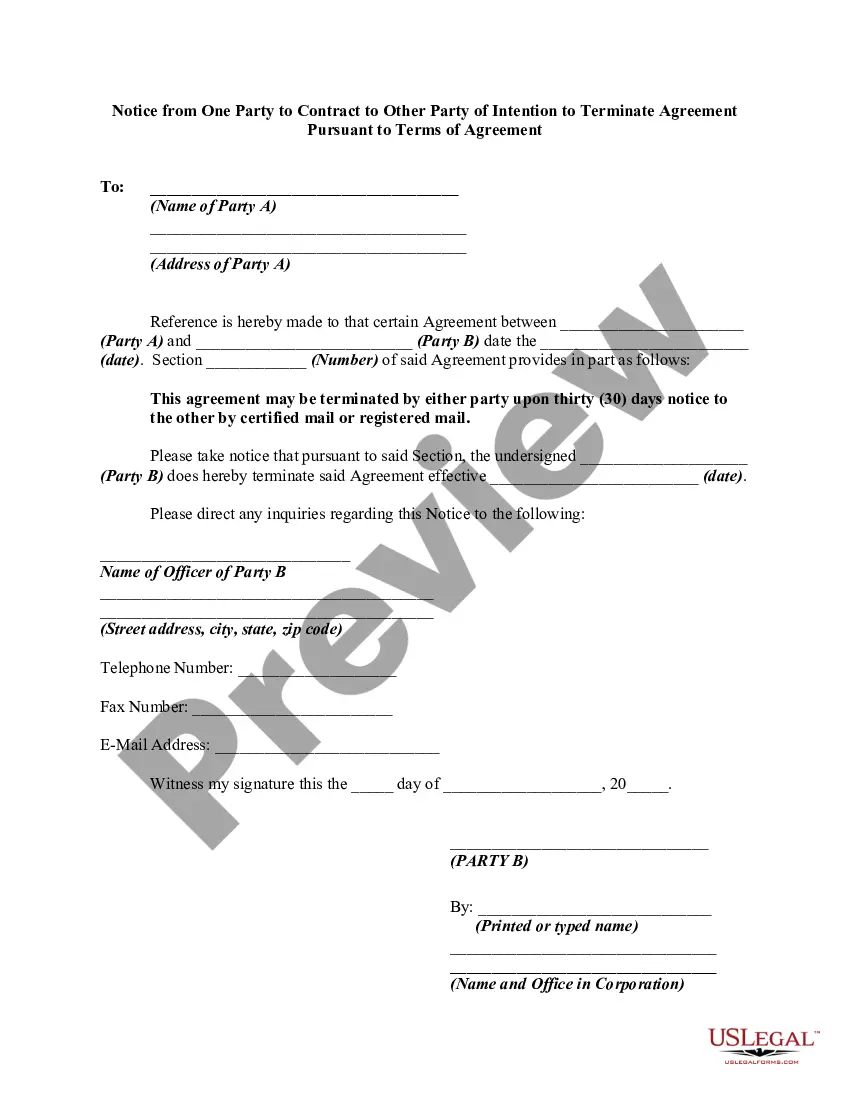
Get your form ready online
Our built-in tools help you complete, sign, share, and store your documents in one place.
Make edits, fill in missing information, and update formatting in US Legal Forms—just like you would in MS Word.
Download a copy, print it, send it by email, or mail it via USPS—whatever works best for your next step.
Sign and collect signatures with our SignNow integration. Send to multiple recipients, set reminders, and more. Go Premium to unlock E-Sign.
If this form requires notarization, complete it online through a secure video call—no need to meet a notary in person or wait for an appointment.
We protect your documents and personal data by following strict security and privacy standards.

Make edits, fill in missing information, and update formatting in US Legal Forms—just like you would in MS Word.

Download a copy, print it, send it by email, or mail it via USPS—whatever works best for your next step.

Sign and collect signatures with our SignNow integration. Send to multiple recipients, set reminders, and more. Go Premium to unlock E-Sign.

If this form requires notarization, complete it online through a secure video call—no need to meet a notary in person or wait for an appointment.

We protect your documents and personal data by following strict security and privacy standards.
Looking for another form?




Form popularity
FAQ
Learn more about common fraud schemes that target consumers, including identity theft, non-delivery scams, online car buying scams, and theft of ATM/debit and credit cards.
Reporting unwanted calls won't instantly stop them. But reporting does matter. The FTC analyzes report data and trends to identify illegal callers based on calling patterns.
If you need legal advice, please contact a licensed Texas attorney or the State Bar of Texas legal hotline at 800-504-7030. Please report suspected fraud, theft, waste, abuse and scams concerning the Comptroller's office by contacting stop.spoofing@cpa.texas.
It involves gathering evidence, analyzing records, conducting interviews, and verifying information to determine whether fraudulent activities have occurred. The goal is to identify the perpetrator(s), assess the extent of the fraud, and take corrective or legal action to mitigate damage to the business.
They include: transactions taking place at unusual times of the day. users logging on from unfamiliar locations. payments being made to new or unusual accounts. unusually high or low transaction values. the use of VPNs and proxies. the use of throwaway email accounts or virtual phone numbers.
File a report with the FTC at ReportFraud.ftc if your report is about the business practices of an individual, company, or entity. You also can report identity theft at IdentityTheft and Do Not Call violations at donotcall.
If you believe your business has been the victim of fraud or cyber crime, you should report this to Action Fraud. The Action Fraud website provides guidance on different types of fraud including an A-Z of fraud to help you understand which type of fraud you might have been affected by.
Yes. If you prefer, you can file a report anonymously. How much information you give is up to you, but filling in your contact information can help if the FTC needs more information from you. We will not automatically share your information with the company, but there are times when we may share it.