Deceptive Practices In Research In Suffolk
Description

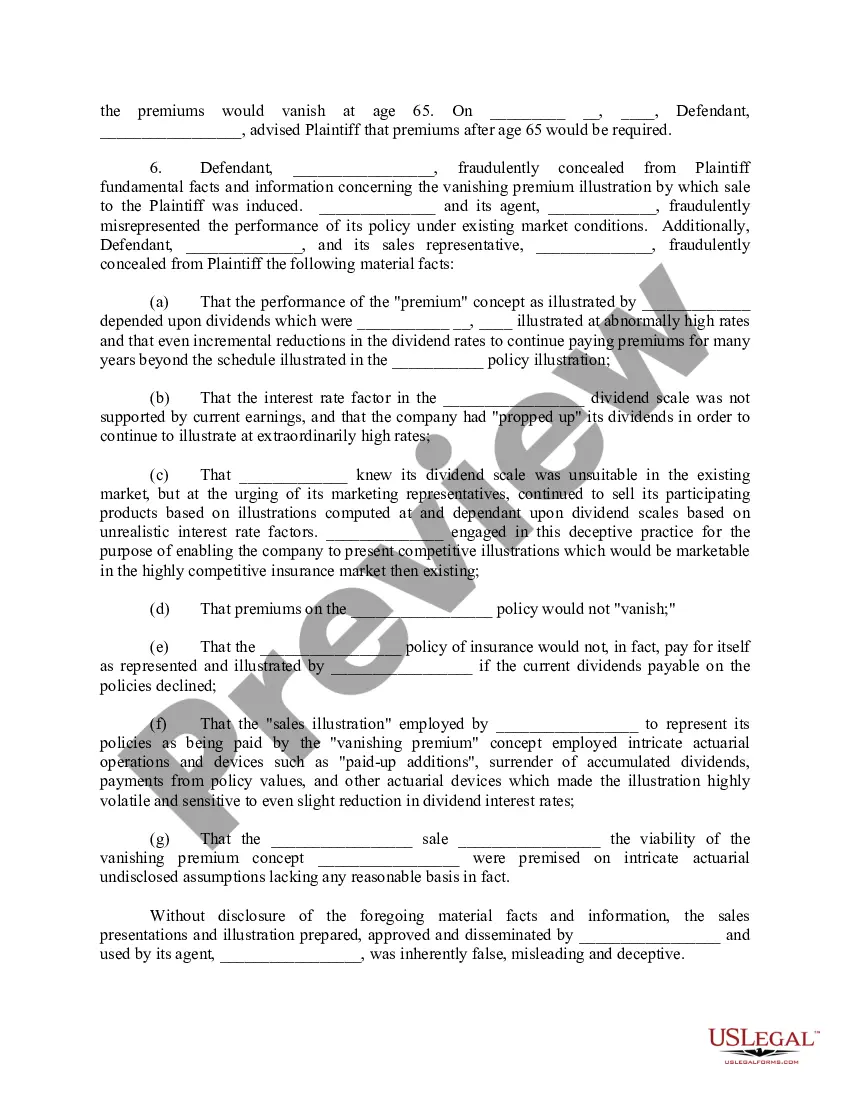
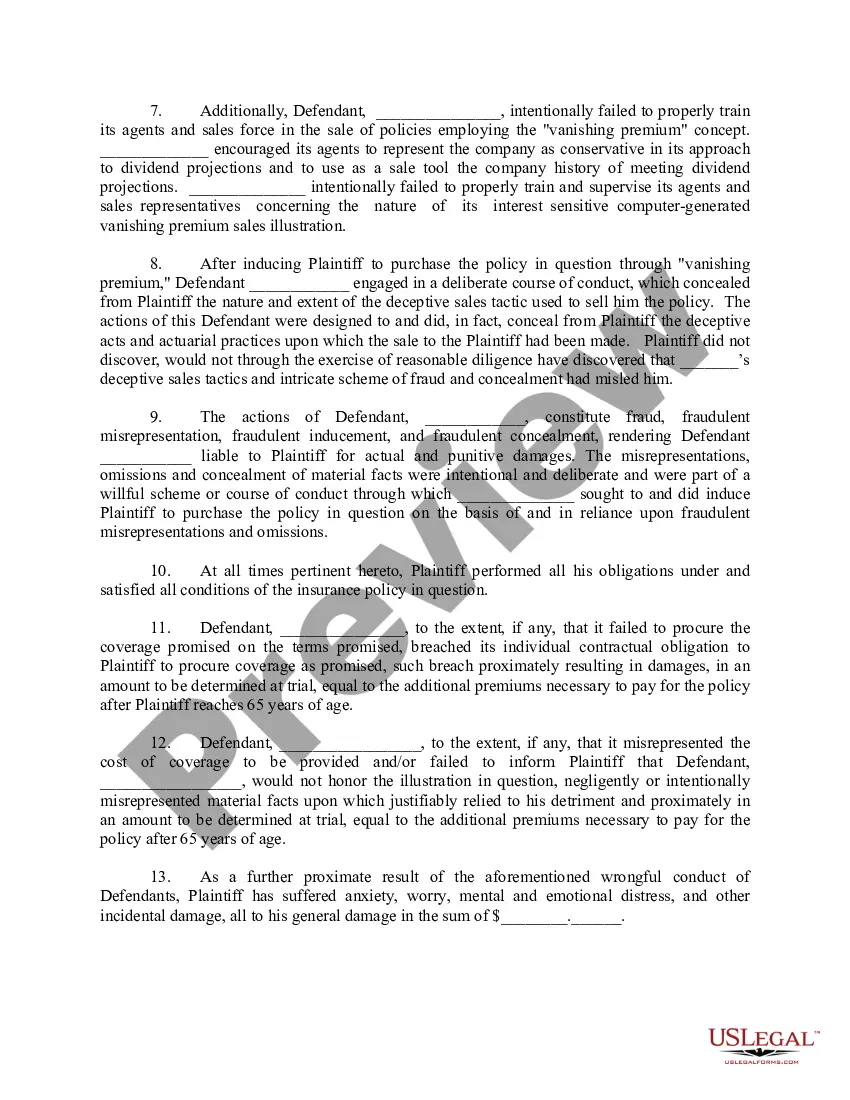
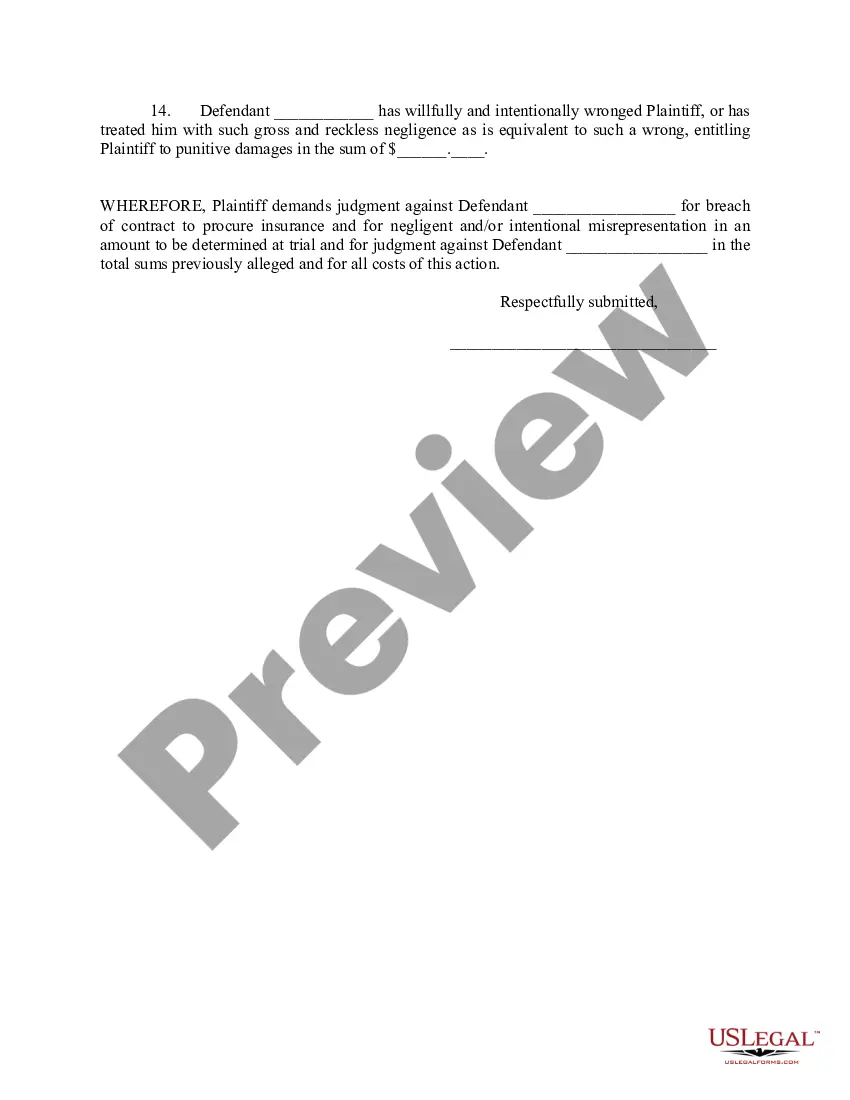

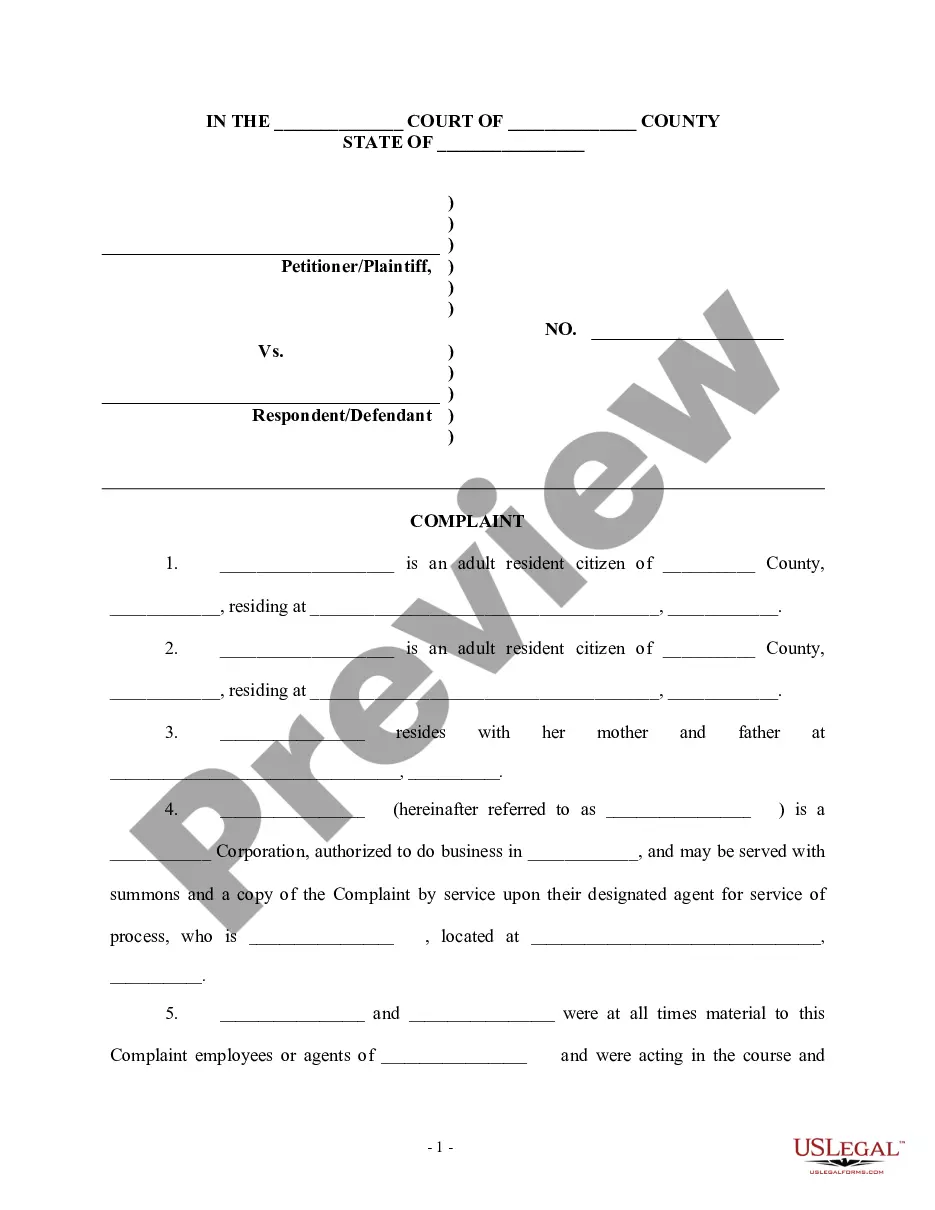
Get your form ready online
Our built-in tools help you complete, sign, share, and store your documents in one place.
Make edits, fill in missing information, and update formatting in US Legal Forms—just like you would in MS Word.
Download a copy, print it, send it by email, or mail it via USPS—whatever works best for your next step.
Sign and collect signatures with our SignNow integration. Send to multiple recipients, set reminders, and more. Go Premium to unlock E-Sign.
If this form requires notarization, complete it online through a secure video call—no need to meet a notary in person or wait for an appointment.
We protect your documents and personal data by following strict security and privacy standards.

Make edits, fill in missing information, and update formatting in US Legal Forms—just like you would in MS Word.

Download a copy, print it, send it by email, or mail it via USPS—whatever works best for your next step.

Sign and collect signatures with our SignNow integration. Send to multiple recipients, set reminders, and more. Go Premium to unlock E-Sign.

If this form requires notarization, complete it online through a secure video call—no need to meet a notary in person or wait for an appointment.

We protect your documents and personal data by following strict security and privacy standards.
Looking for another form?








Form popularity
FAQ
The study must not involve more than minimal risk to the subjects. The use of deceptive methods must be justified by the study's significant prospective scientific, educational, or applied value.
Examples of Active Deceptive Research Participants complete a quiz and are falsely told that they did poorly, regardless of their performance. Participants who do not know they are in a research study are observed to see how they behave when they find valuables (e.g., wallet, laptop) unattended in a public location.
Deception should be employed only when there are no viable alternative procedures. The IRB may find the use of deception acceptable when, and to the extent which, it is unavoidably required by the research to be done, and when the benefits outweigh the risks.
Deception should only be used when its use is the only way to answer the research question. Research plans that involve the use of deception must be adequately justified and, in most cases, will require that research participants be informed about the deception at the conclusion of their participation.
Deception or incomplete disclosure should only be used when no reasonably effective, alternative methods are available to achieve the goals of the research. Only study procedures that involve minimal risks (as determined by the IRB) can include deception or incomplete disclosure.
Deception is when a researcher gives false information to subjects or intentionally misleads them about some key aspect of the research. This could include feedback to subjects that involves creating false beliefs about oneself, one's relationship, or manipulation of one's self-concept.
For a benign deception, most participants likely won't be upset, but more intense deception activities may require an in-depth debriefing process. After the participants are fully debriefed, you are required to provide a post-debrief consent form which asks for participants to again consent to participate in the study.
The IRB discourages the use of deception when: Alternative methods can be used that will yield valid study results. The deception deprives participants of the opportunity to protect their own interests. The missing information affects the participants' ability to assess the risks of participation.
File Complaint Online: Mail/Fax: Mailing Address: NYC Department of Consumer and Worker Protection. Consumer Services Division. 42 Broadway, 9th Floor. New York, NY 10004. Fax: (212) 487-4482.
Telling the Federal Trade Commission helps us stop ripoffs, scams, and fraudsters. Your complaints matter here. To file a complaint, just go to ftc/complaint, and answer the questions. Or call That's all there is to it.