Deceptive Practices In Advertising In San Jose
Description

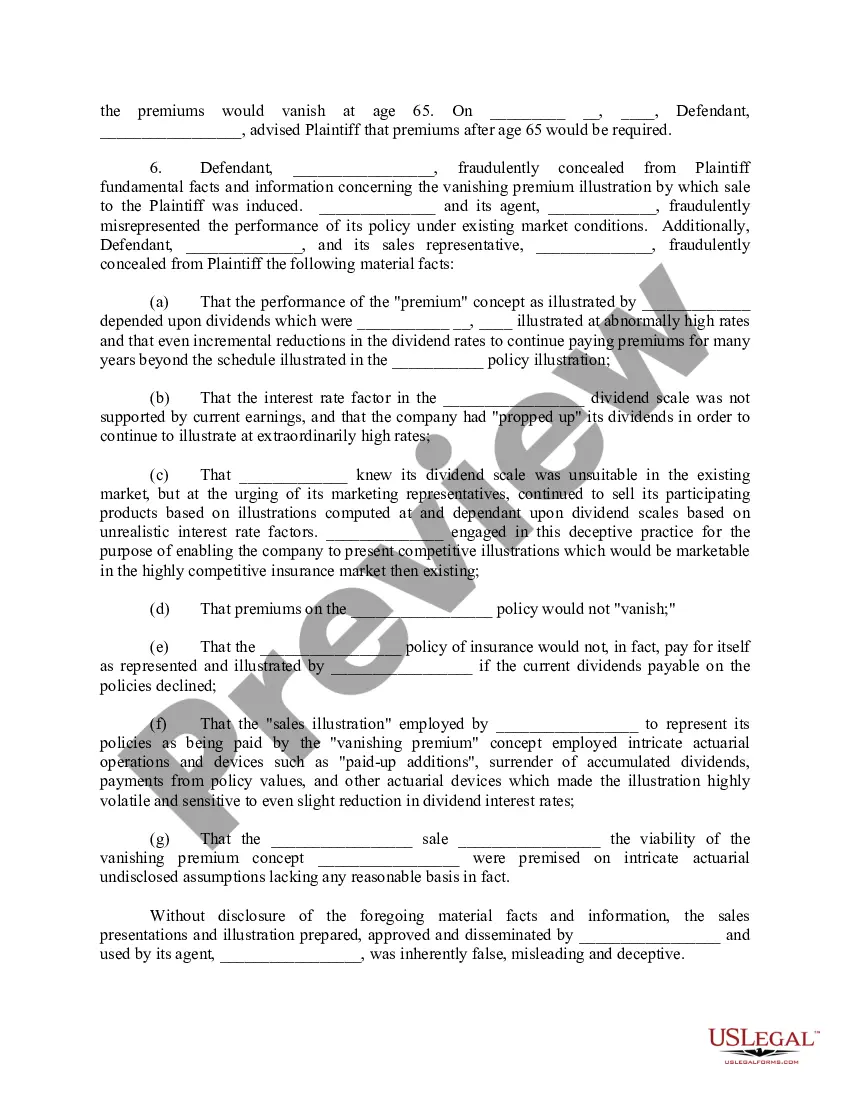
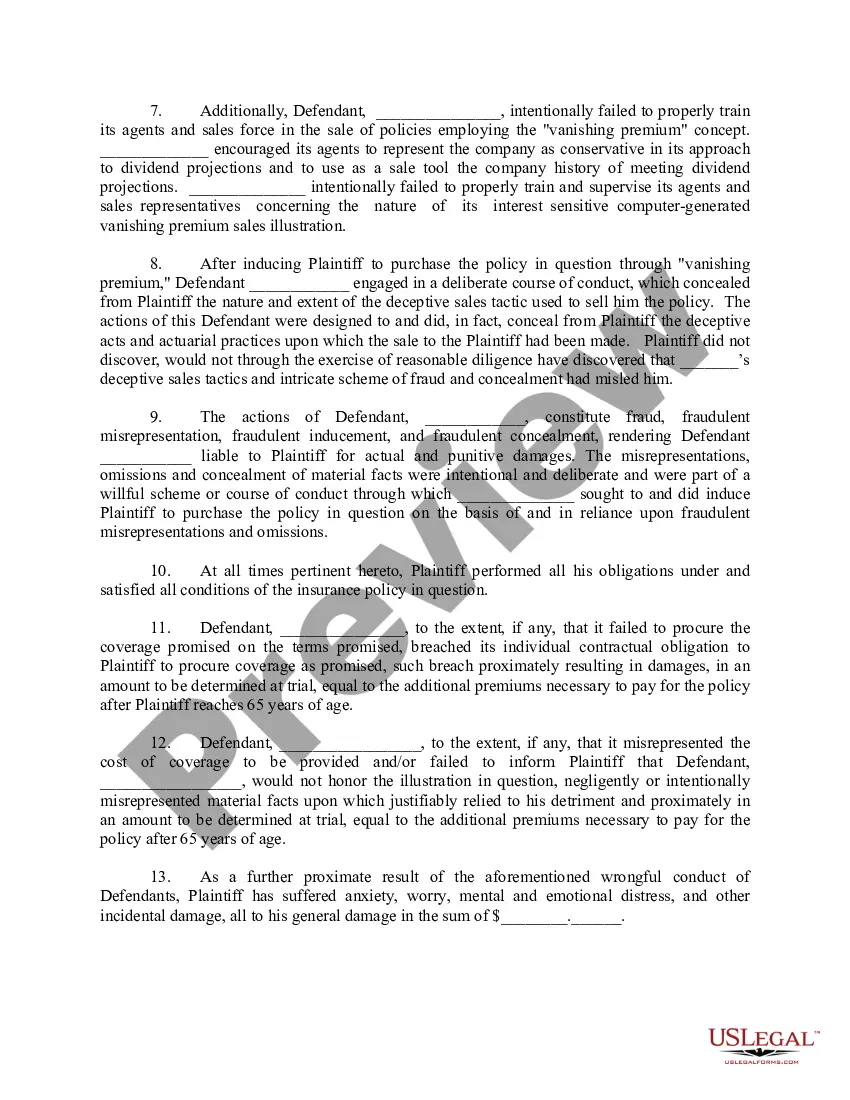
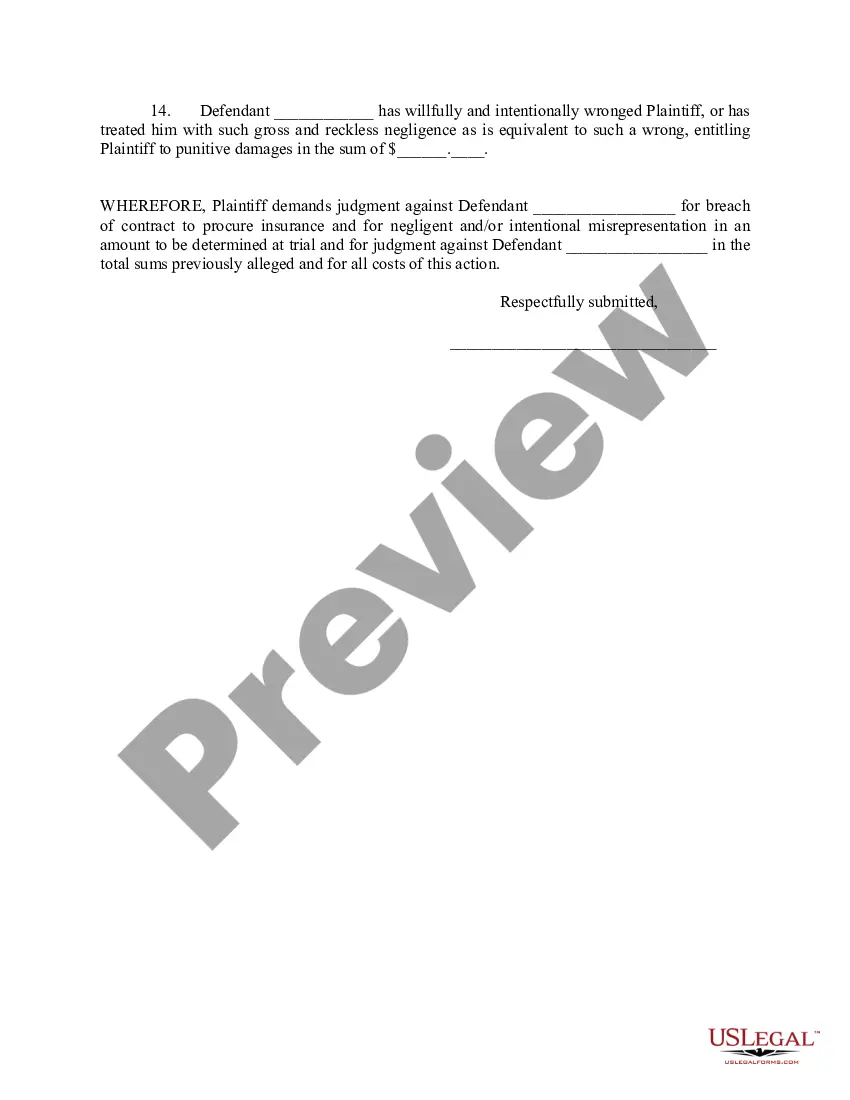



Get your form ready online
Our built-in tools help you complete, sign, share, and store your documents in one place.
Make edits, fill in missing information, and update formatting in US Legal Forms—just like you would in MS Word.
Download a copy, print it, send it by email, or mail it via USPS—whatever works best for your next step.
Sign and collect signatures with our SignNow integration. Send to multiple recipients, set reminders, and more. Go Premium to unlock E-Sign.
If this form requires notarization, complete it online through a secure video call—no need to meet a notary in person or wait for an appointment.
We protect your documents and personal data by following strict security and privacy standards.

Make edits, fill in missing information, and update formatting in US Legal Forms—just like you would in MS Word.

Download a copy, print it, send it by email, or mail it via USPS—whatever works best for your next step.

Sign and collect signatures with our SignNow integration. Send to multiple recipients, set reminders, and more. Go Premium to unlock E-Sign.

If this form requires notarization, complete it online through a secure video call—no need to meet a notary in person or wait for an appointment.

We protect your documents and personal data by following strict security and privacy standards.
Looking for another form?










Form popularity
FAQ
To protect and serve consumers, the Department of Consumer Affairs issues licenses in more than 100 business and 200 professional categories, including doctors, dentists, contractors, cosmetologists and automotive repair facilities.
File a complaint with your local consumer protection office or the state agency that regulates the company. Notify the Better Business Bureau (BBB) in your area about your problem. The BBB tries to resolve your complaints against companies.
Filing a Complaint Department of Consumer Affairs. File a complaint online at .dca.ca or call 800.952. 5210 to have a complaint form mailed to you. California Attorney General's Office.
The FTC's Bureau of Consumer Protection stops unfair, deceptive and fraudulent business practices by collecting reports from consumers and conducting investigations, suing companies and people that break the law, developing rules to maintain a fair marketplace, and educating consumers and businesses about their rights ...
The FTC enforces these truth-in-advertising laws, and it applies the same standards no matter where an ad appears – in newspapers and magazines, online, in the mail, or on billboards or buses.
Under the law, claims in advertisements must be truthful, cannot be deceptive or unfair, and must be evidence-based. For some specialized products or services, additional rules may apply.
Ads can't: Use deceptive or exaggerated claims about the success of a product or service to mislead people into purchasing or sharing sensitive information. Use deceptive or exaggerated claims about health-related benefits of a product or service to mislead people into purchasing or sharing sensitive information.
The Consumers Legal Remedies Act (CLRA) is a California law that protects consumers against a wide range of deceptive business practices, including false advertising and misrepresentation, and allows them to seek legal remedies such as damages and injunctive relief.
False advertising is kind of a blanket term that covers not only advertising that is patently untrue, but also advertising that is misleading, deceptive, or unfair. Violations of these false advertising laws can lead to both civil and criminal accusations.