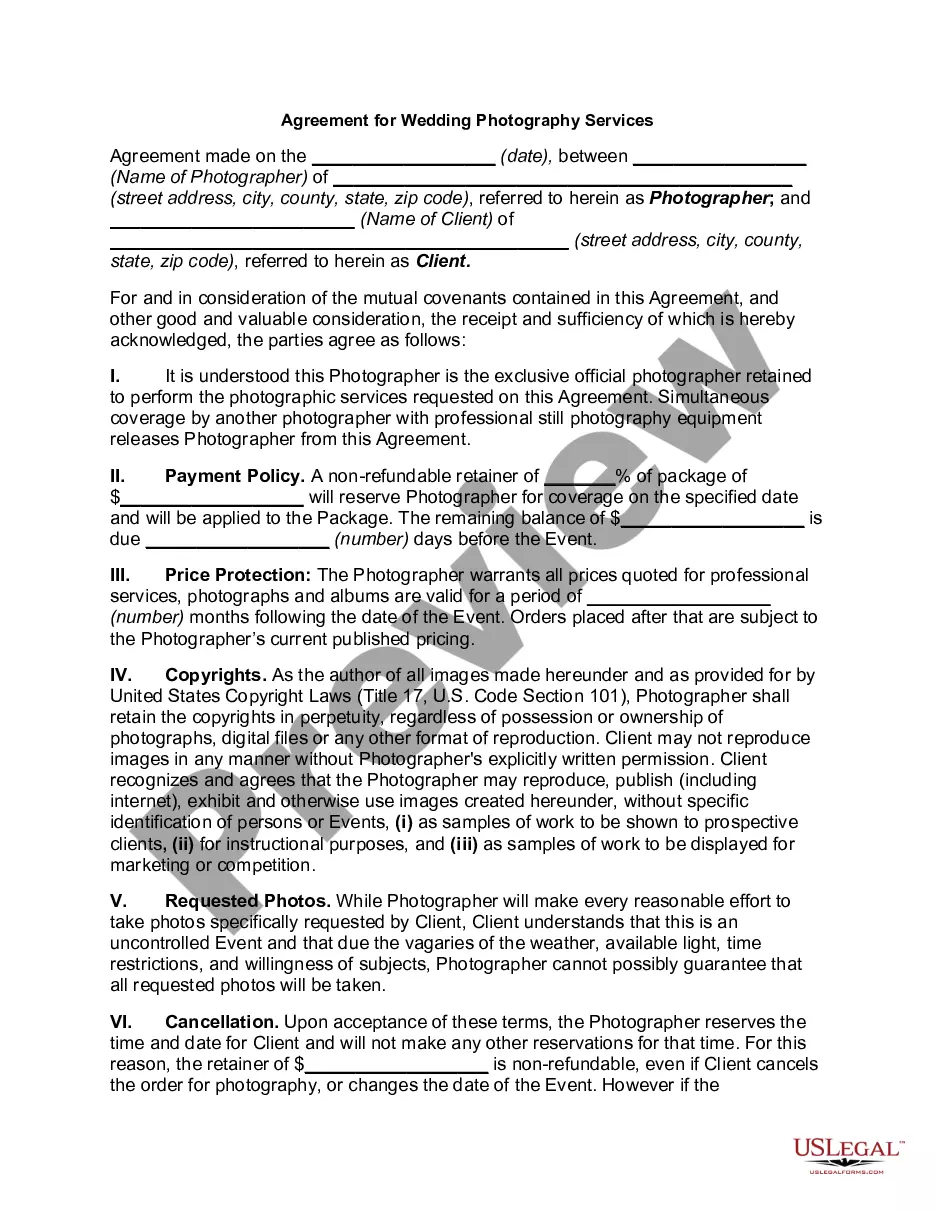
Unfair Trade Practices In Consumer Protection Act In Pima
Description







Get your form ready online
Our built-in tools help you complete, sign, share, and store your documents in one place.
Make edits, fill in missing information, and update formatting in US Legal Forms—just like you would in MS Word.
Download a copy, print it, send it by email, or mail it via USPS—whatever works best for your next step.
Sign and collect signatures with our SignNow integration. Send to multiple recipients, set reminders, and more. Go Premium to unlock E-Sign.
If this form requires notarization, complete it online through a secure video call—no need to meet a notary in person or wait for an appointment.
We protect your documents and personal data by following strict security and privacy standards.

Make edits, fill in missing information, and update formatting in US Legal Forms—just like you would in MS Word.

Download a copy, print it, send it by email, or mail it via USPS—whatever works best for your next step.

Sign and collect signatures with our SignNow integration. Send to multiple recipients, set reminders, and more. Go Premium to unlock E-Sign.

If this form requires notarization, complete it online through a secure video call—no need to meet a notary in person or wait for an appointment.

We protect your documents and personal data by following strict security and privacy standards.
Looking for another form?










Form popularity
FAQ
The ACFA is a law that contains broad regulations on the conduct that a business can or cannot engage in. The law broadly prohibits businesses from using deceptive or unfair practices, fraud, misrepresentation, and omission of material fact during the sale or advertisement of goods and services.
File a complaint with government or consumer programs File a complaint with your local consumer protection office. Notify the Better Business Bureau (BBB) in your area about your problem. The BBB tries to resolve complaints against companies. Report scams and suspicious communications to the Federal Trade Commission.
After a complaint is filed, it is reviewed by an attorney general representative who determines whether: The complaint is appropriate for mediation by the office. If it should be referred to another governmental entity that may be more suited to assist with the consumer's complaint.
Unfair trade practices refer to businesses using deceptive, fraudulent, or otherwise unethical methods to gain an advantage or turn a profit. Consumer Protection Law, as well as Section 5(a) of the Federal Trade Commission Act, protects consumers from unfair business practices.
The FTC's Bureau of Consumer Protection stops unfair, deceptive and fraudulent business practices by collecting reports from consumers and conducting investigations, suing companies and people that break the law, developing rules to maintain a fair marketplace, and educating consumers and businesses about their rights ...
To file a complaint, just go to ftc/complaint, and answer the questions. Or call That's all there is to it. If you've been ripped off or scammed, complain to the Federal Trade Commission. It can help put the bad guys out of business.
Section 5 of the Federal Trade Commission Act (FTC Act) (15 USC 45) prohibits ''unfair or deceptive acts or practices in or affecting commerce. '' The prohibition applies to all persons engaged in commerce, including banks.
Complaints help the FTC and other law enforcement agencies bring scam artists to justice and put an end to unfair and misleading business practices. If you have a complaint, report it at ReportFraud.ftc.
The FCC cannot resolve all individual complaints, but we can provide information about your possible next steps. The collective data we receive from complaints helps us keep a pulse on what consumers are experiencing, may lead to investigations and serves as a deterrent to the companies we regulate.
The ACFA is a law that contains broad regulations on the conduct that a business can or cannot engage in. The law broadly prohibits businesses from using deceptive or unfair practices, fraud, misrepresentation, and omission of material fact during the sale or advertisement of goods and services.