Deceptive Practices Of In Pima
Description







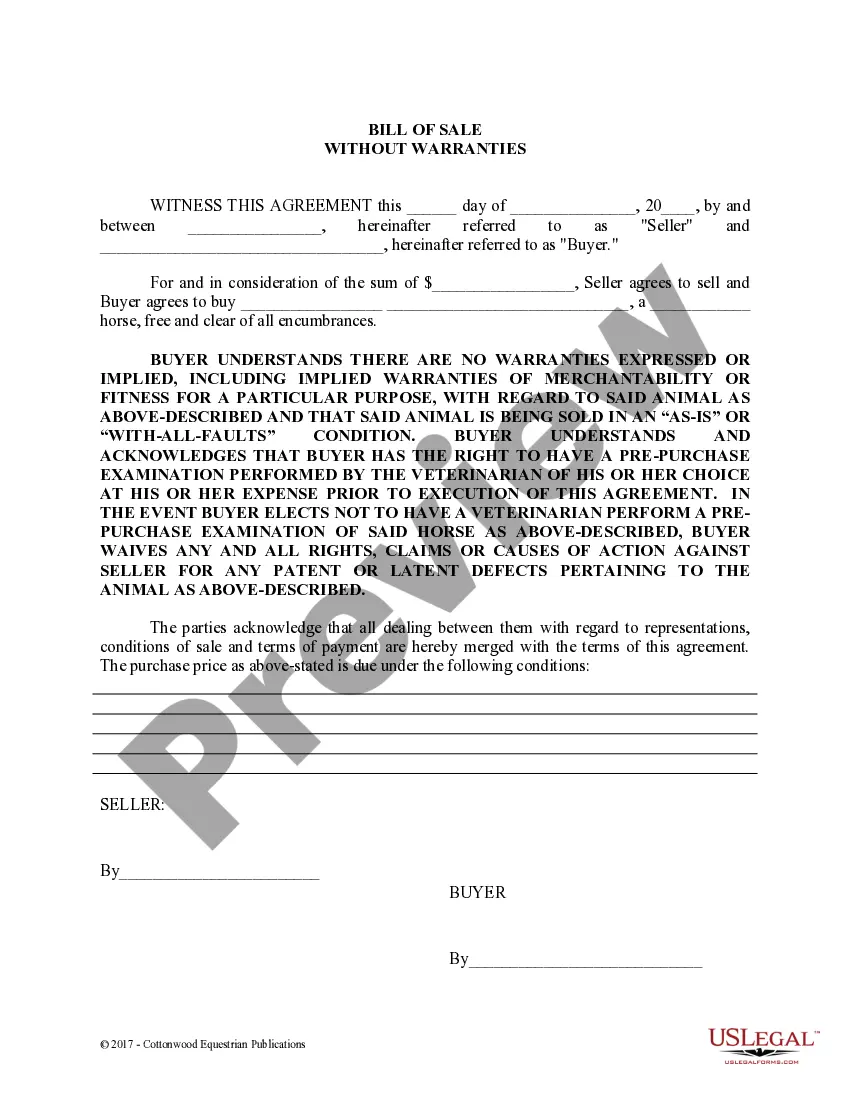
Get your form ready online
Our built-in tools help you complete, sign, share, and store your documents in one place.
Make edits, fill in missing information, and update formatting in US Legal Forms—just like you would in MS Word.
Download a copy, print it, send it by email, or mail it via USPS—whatever works best for your next step.
Sign and collect signatures with our SignNow integration. Send to multiple recipients, set reminders, and more. Go Premium to unlock E-Sign.
If this form requires notarization, complete it online through a secure video call—no need to meet a notary in person or wait for an appointment.
We protect your documents and personal data by following strict security and privacy standards.

Make edits, fill in missing information, and update formatting in US Legal Forms—just like you would in MS Word.

Download a copy, print it, send it by email, or mail it via USPS—whatever works best for your next step.

Sign and collect signatures with our SignNow integration. Send to multiple recipients, set reminders, and more. Go Premium to unlock E-Sign.

If this form requires notarization, complete it online through a secure video call—no need to meet a notary in person or wait for an appointment.

We protect your documents and personal data by following strict security and privacy standards.
Looking for another form?








Form popularity
FAQ
Arizona has not adopted the Uniform Deceptive Trade Practices Act. Arizona Deceptive Trade Practices Laws are stated in Title 44 of Arizona Revised Statutes. Under A.R.S. § 44-1522, false advertising is an unlawful practice, and ing to § 13-2203 false advertising is also a class 1 misdemeanor.
A. A person commits false advertising if, in connection with the promotion of the sale of property or services, such person recklessly causes to be made or makes a false or misleading statement in any advertisement. B. False advertising is a class 1 misdemeanor.
The act, use or employment by any person of any deception, deceptive or unfair act or practice, fraud, false pretense, false promise, misrepresentation, or concealment, suppression or omission of any material fact with intent that others rely on such concealment, suppression or omission, in connection with the sale or ...
Arizona Deceptive Trade Practices Laws are stated in Title 44 of Arizona Revised Statutes. Under A.R.S. § 44-1522, false advertising is an unlawful practice, and ing to § 13-2203 false advertising is also a class 1 misdemeanor.
Additional Protection The Arizona Attorney General has the authority investigate and prosecute violations of the Consumer Fraud Act and other state and federal consumer protection laws. A private citizen can also bring an action for a violation of the Consumer Fraud Act within one year from the date the claim arises.
File a complaint with your local consumer protection office or the state agency that regulates the company. Notify the Better Business Bureau (BBB) in your area about your problem. The BBB tries to resolve your complaints against companies.
To file a complaint either call 520-724-7400 and ask to speak to a Complaint Coordinator, or fill out our web based Complaint Form if you wish to remain anonymous. Be prepared to provide the following information: Address of property where the problem has occurred or is occurring.
Competition and Consumer Protection Commission (CCPC) Consumer information. The CCPC has a consumer helpline and website that provides information on. Complaints handling. Enforcement. Registration and licencing.
The FTC's Bureau of Consumer Protection stops unfair, deceptive and fraudulent business practices by: collecting complaints and conducting investigations. suing companies and people that break the law.
(1) Unlike private plaintiffs, state attorneys general can and usually do investigate companies before filing a lawsuit. (2) State attorneys general are motivated by public policy considerations. (3) Changes within state attorneys general offices can affect the direction of a suit.