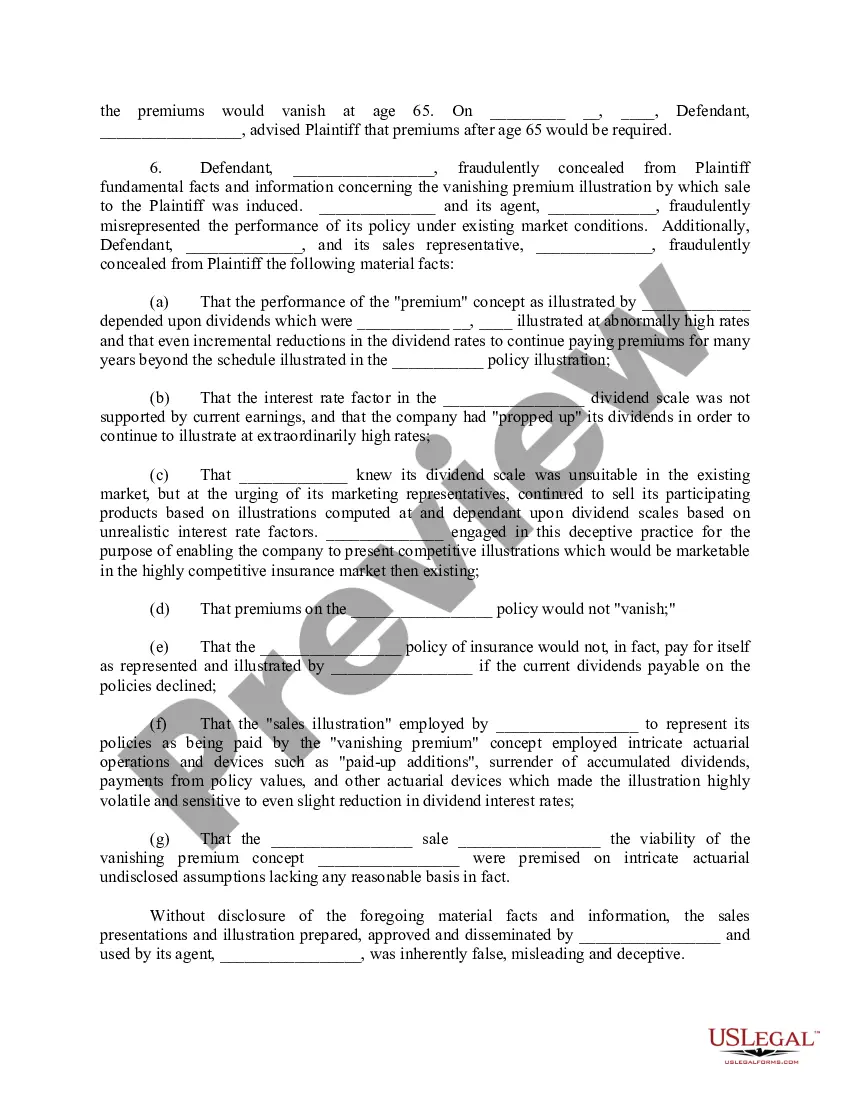
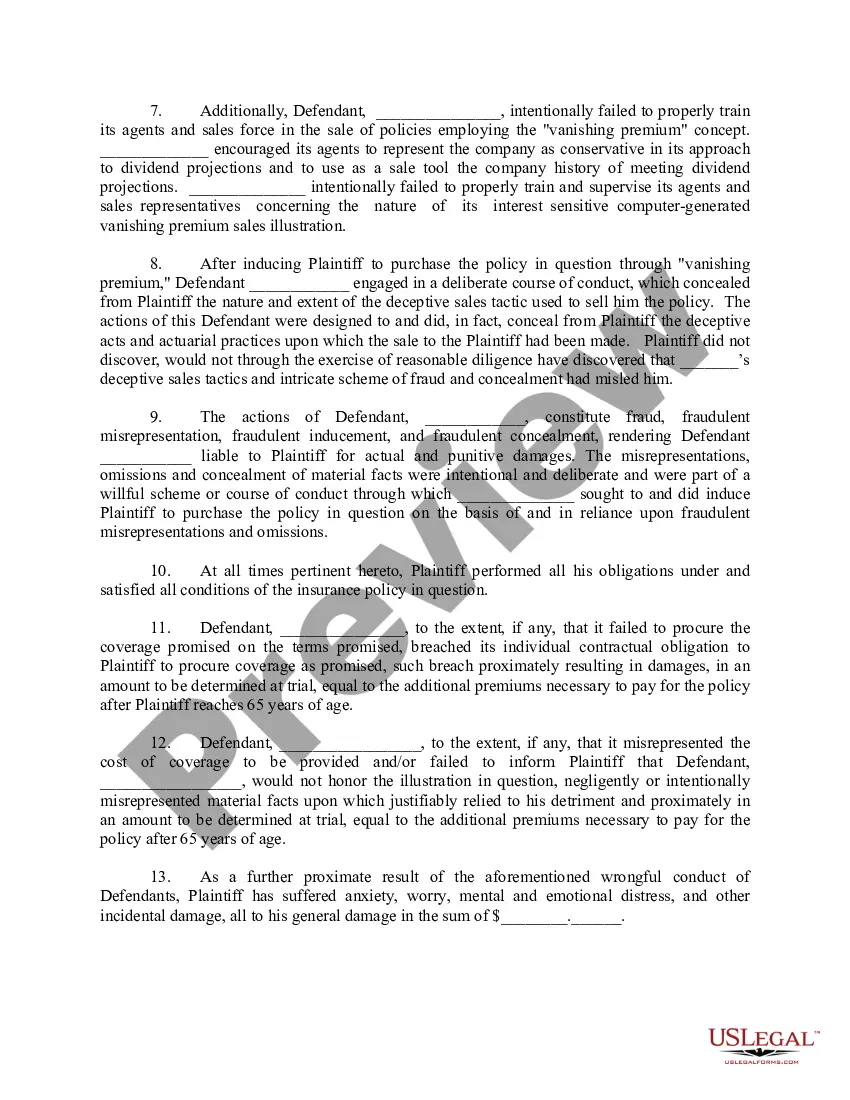
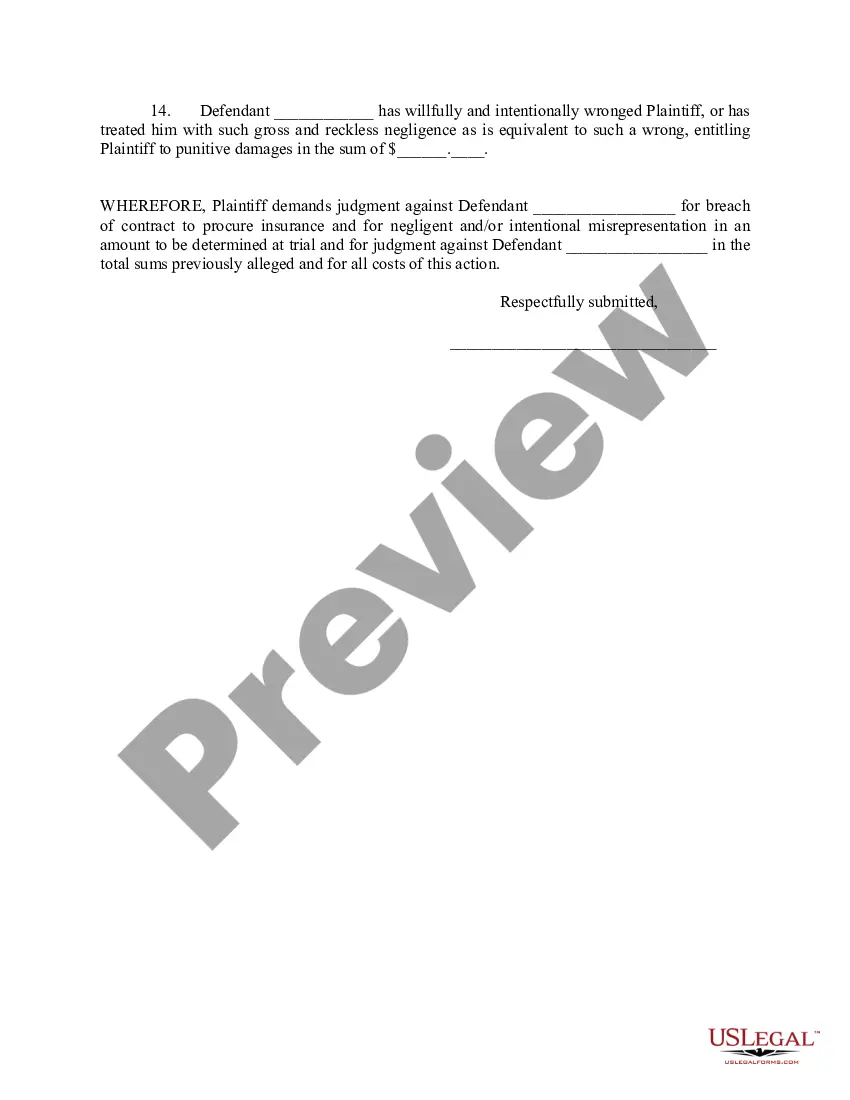
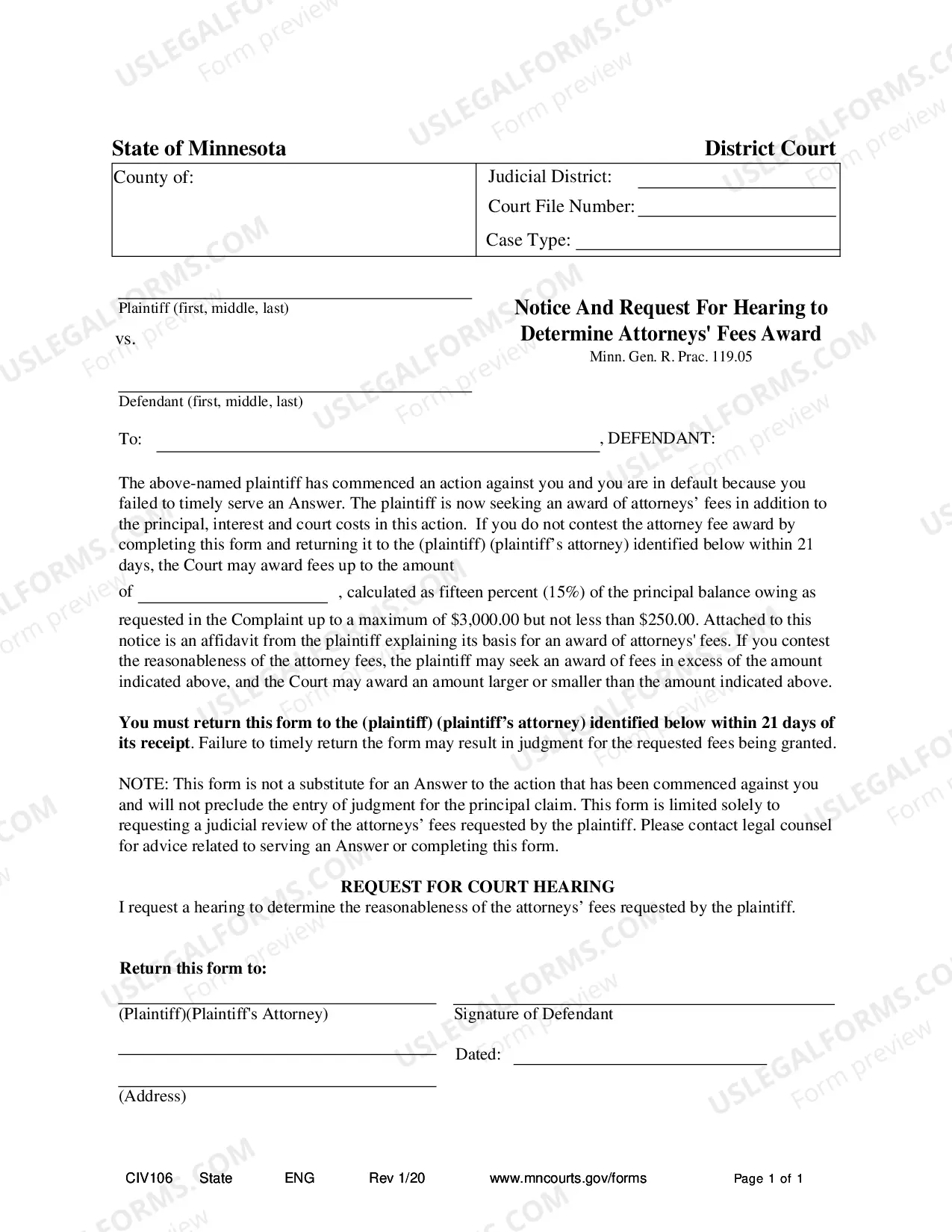
Fraud In Trade In Nevada
Description




Get your form ready online
Our built-in tools help you complete, sign, share, and store your documents in one place.
Make edits, fill in missing information, and update formatting in US Legal Forms—just like you would in MS Word.
Download a copy, print it, send it by email, or mail it via USPS—whatever works best for your next step.
Sign and collect signatures with our SignNow integration. Send to multiple recipients, set reminders, and more. Go Premium to unlock E-Sign.
If this form requires notarization, complete it online through a secure video call—no need to meet a notary in person or wait for an appointment.
We protect your documents and personal data by following strict security and privacy standards.

Make edits, fill in missing information, and update formatting in US Legal Forms—just like you would in MS Word.

Download a copy, print it, send it by email, or mail it via USPS—whatever works best for your next step.

Sign and collect signatures with our SignNow integration. Send to multiple recipients, set reminders, and more. Go Premium to unlock E-Sign.

If this form requires notarization, complete it online through a secure video call—no need to meet a notary in person or wait for an appointment.

We protect your documents and personal data by following strict security and privacy standards.
Looking for another form?







Form popularity
FAQ
Fraud requires the other party to show that they suffered financial loss or harm because of the false representation. The person must have relied on the false statement and suffered a loss directly tied to it. Without proof of actual harm, a fraud claim cannot succeed.
“Under Nevada law, a claim of fraud in the inducement requires the plaintiff to establish each of the following elements: (1) a false representation; (2) knowledge or belief that the representation was false (or knowledge that the defendant's basis for making the representation was insufficient); (3) intent to induce ...
The concept states that there are three components which, together, lead to fraudulent behavior. They are (1) a perceived un-shareable financial need (motive/pressure), (2) a perceived opportunity to commit fraud, and (3) the rationalization of committing the fraud.
Contact the Federal Trade Commission (FTC). The Federal Trade Commission will investigate a company if it knows about wrongdoing. In order for it to know, people need to file complaints.
A person engages in a “deceptive trade practice” when in the course of his or her business or occupation he or she knowingly: (a) Conducts the business or occupation without all required state, county or city licenses. (b) Fails to disclose a material fact in connection with the sale or lease of goods or services.
Ing to Albrecht, the fraud triangle states that “individuals are motivated to commit fraud when three elements come together: (1) some kind of perceived pressure, (2) some perceived opportunity, and (3) some way to rationalize the fraud as not being inconsistent with one's values.”