Deceptive Trade With Nevada In Montgomery
Description

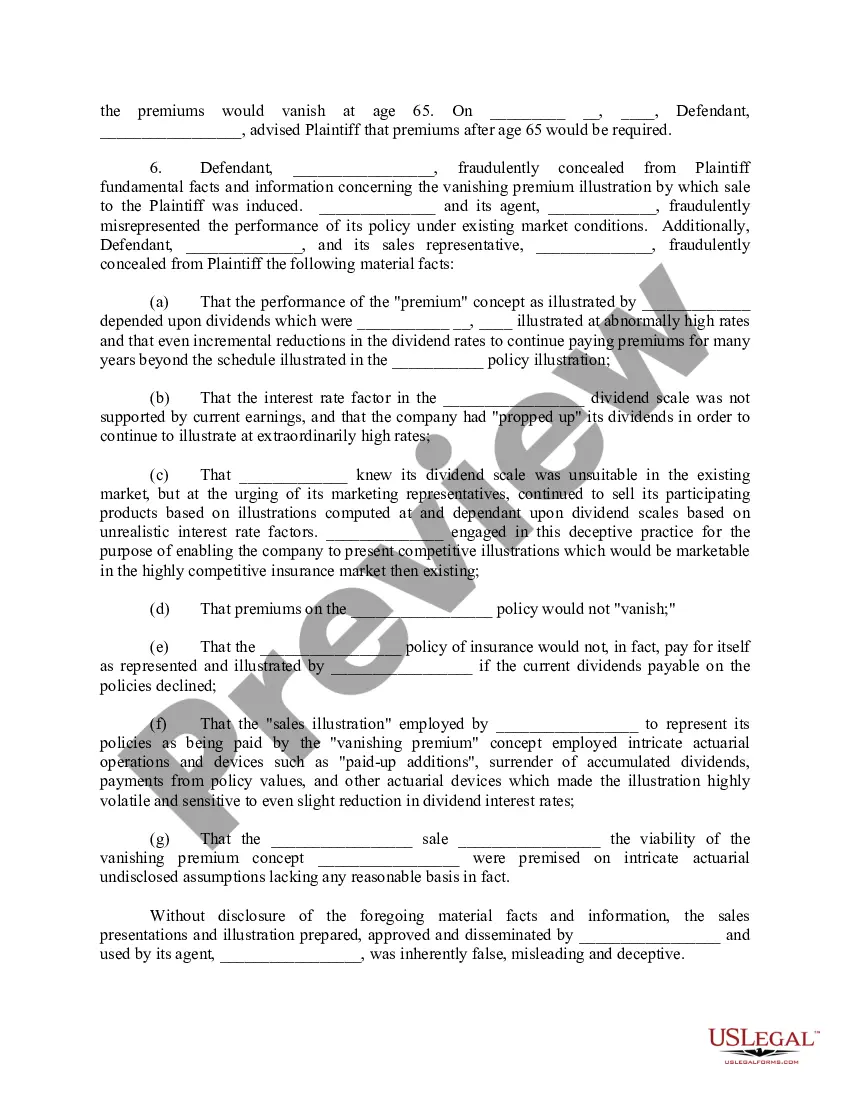
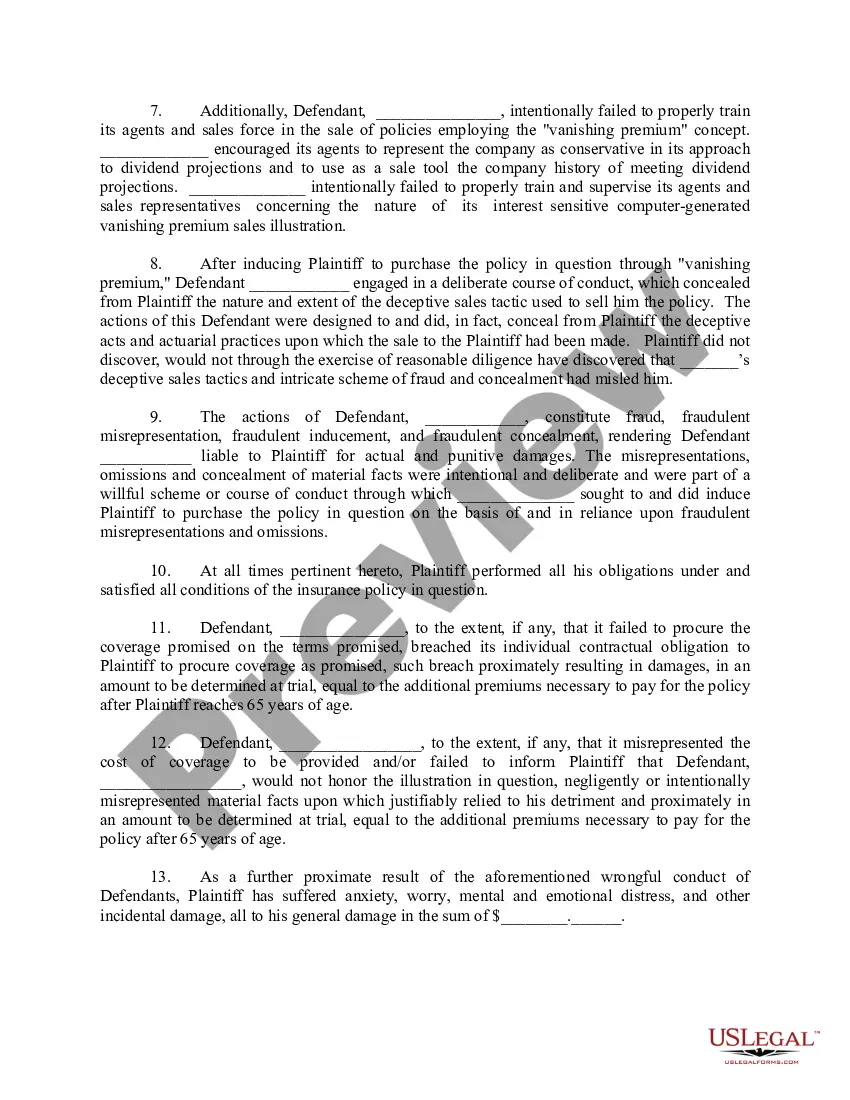



Get your form ready online
Our built-in tools help you complete, sign, share, and store your documents in one place.
Make edits, fill in missing information, and update formatting in US Legal Forms—just like you would in MS Word.
Download a copy, print it, send it by email, or mail it via USPS—whatever works best for your next step.
Sign and collect signatures with our SignNow integration. Send to multiple recipients, set reminders, and more. Go Premium to unlock E-Sign.
If this form requires notarization, complete it online through a secure video call—no need to meet a notary in person or wait for an appointment.
We protect your documents and personal data by following strict security and privacy standards.

Make edits, fill in missing information, and update formatting in US Legal Forms—just like you would in MS Word.

Download a copy, print it, send it by email, or mail it via USPS—whatever works best for your next step.

Sign and collect signatures with our SignNow integration. Send to multiple recipients, set reminders, and more. Go Premium to unlock E-Sign.

If this form requires notarization, complete it online through a secure video call—no need to meet a notary in person or wait for an appointment.

We protect your documents and personal data by following strict security and privacy standards.
Looking for another form?
Form popularity
FAQ
The Uniform Deceptive Trade Practices Act The Act lists eleven deceptive trade practices, such as bait advertising, and misrepresentations of trade names, the geographical origin of goods, and the standard or quality of goods.
To establish that an advertisement is false, a plaintiff must prove five things: (1) a false statement of fact has been made about the advertiser's own or another person's goods, services, or commercial activity; (2) the statement either deceives or has the potential to deceive a substantial portion of its targeted ...
NRS 207.171 is the Nevada statute that prohibits using false or misleading advertisements. False ads are a crime even if no one is deceived or sustains losses. NRS 207.175 makes deceptive advertising a misdemeanor for a first- or second offense, carrying up to six months in jail and/or $1,000.
A person engages in a “deceptive trade practice” when in the course of his or her business or occupation he or she knowingly: (a) Conducts the business or occupation without all required state, county or city licenses. (b) Fails to disclose a material fact in connection with the sale or lease of goods or services.
It is illegal in Nevada to disseminate or distribute false or misleading advertising under NRS 207.171. Being sued and/or convicted of false or misleading advertising have both civil and criminal consequences.
Code § 17535. In addition, the Attorney General “or any district attorney, county counsel, city attorney, or city prosecutor in California” may bring a claim under the False Advertising Law for not only restitution and an injunction but civil penalties of up to $2,500.00 per violation.
Contact the Federal Trade Commission (FTC). The Federal Trade Commission will investigate a company if it knows about wrongdoing. In order for it to know, people need to file complaints.
If your complaint meets our complaint acceptance criteria, your complaint will be sent to the business within approximately two business days. The business will be asked to respond within 14 calendar days. You will be notified of the business's response when we receive it (or notified that we received no response).
If you are having a problem with a product or service purchased from a business or merchant, you should contact your state or local government's consumer affairs department, state attorney general's office, or local Better Business Bureau. You may also consider contacting the Federal Trade Commission (FTC).
After a complaint is filed, it is reviewed by an attorney general representative who determines whether: The complaint is appropriate for mediation by the office. If it should be referred to another governmental entity that may be more suited to assist with the consumer's complaint.