Deceptive Trade For Georgia In Minnesota
Description

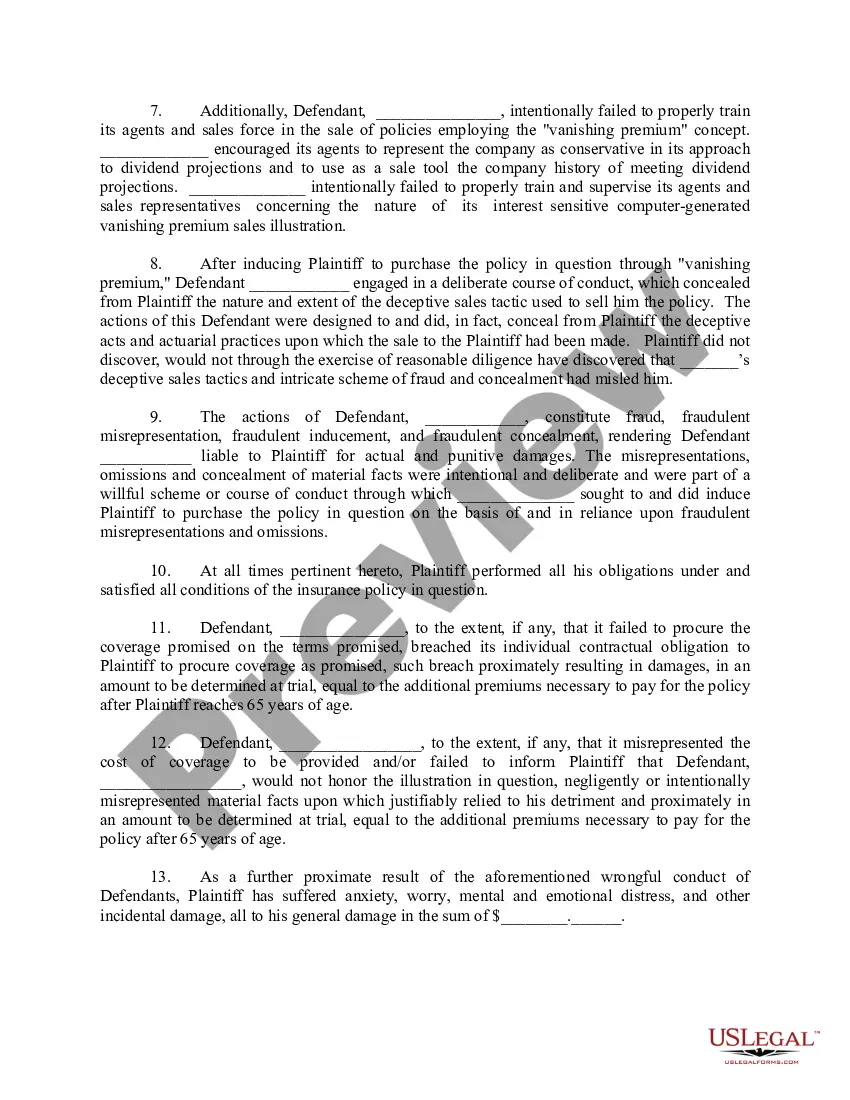
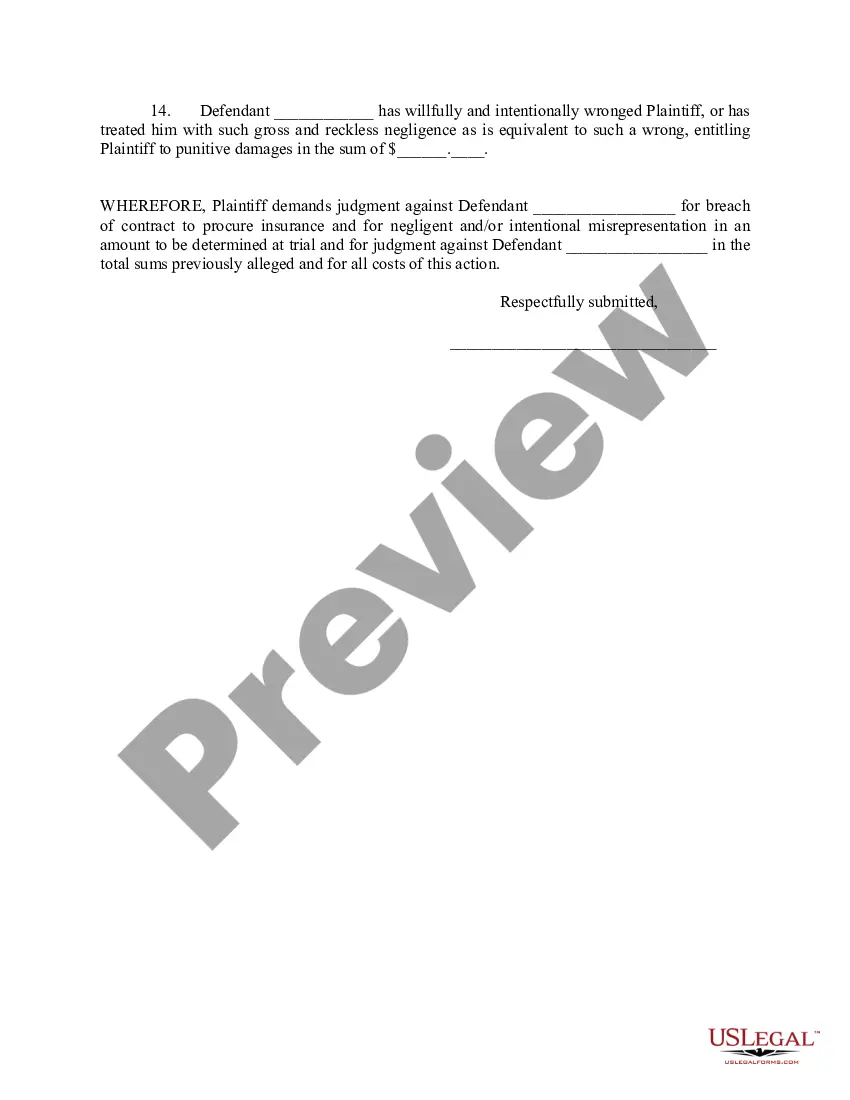

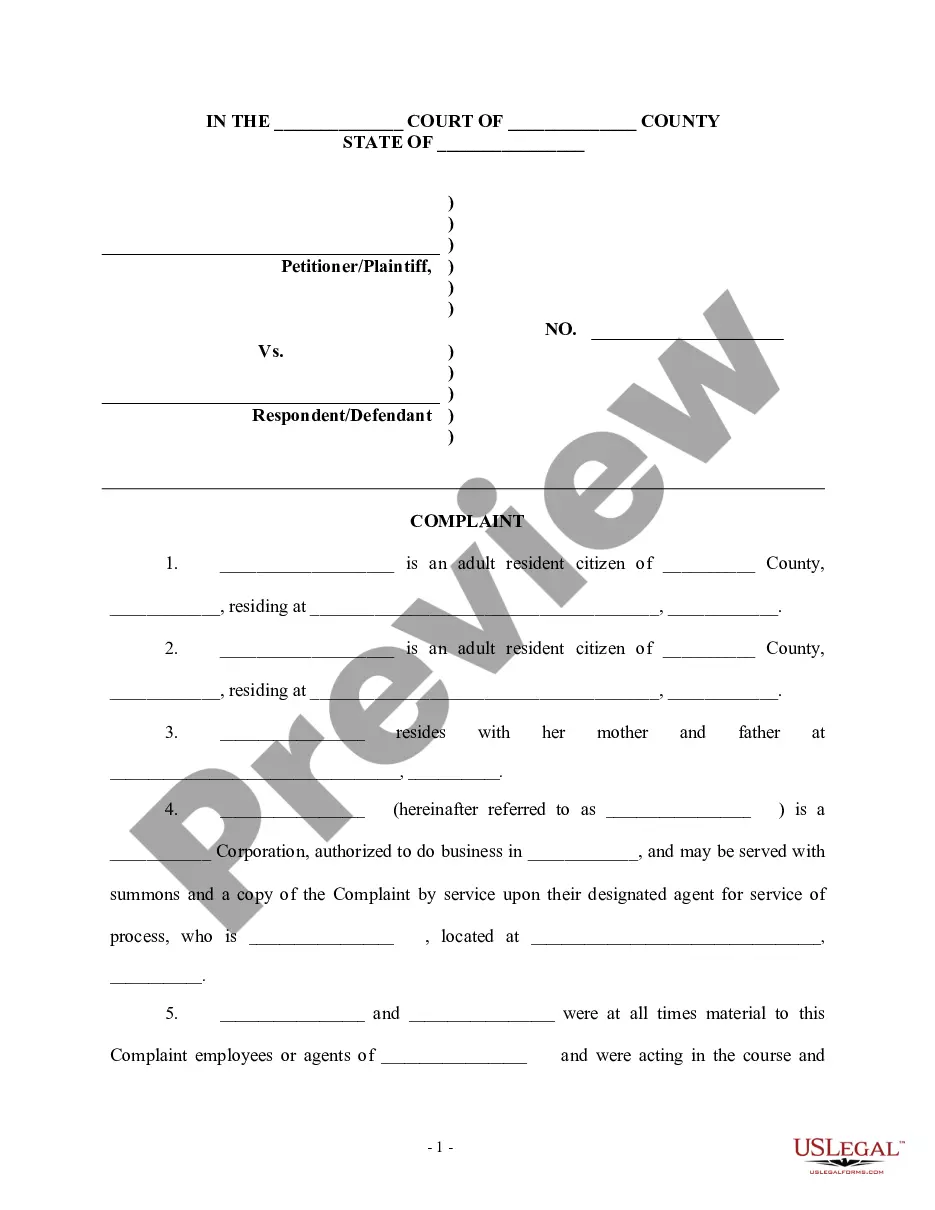
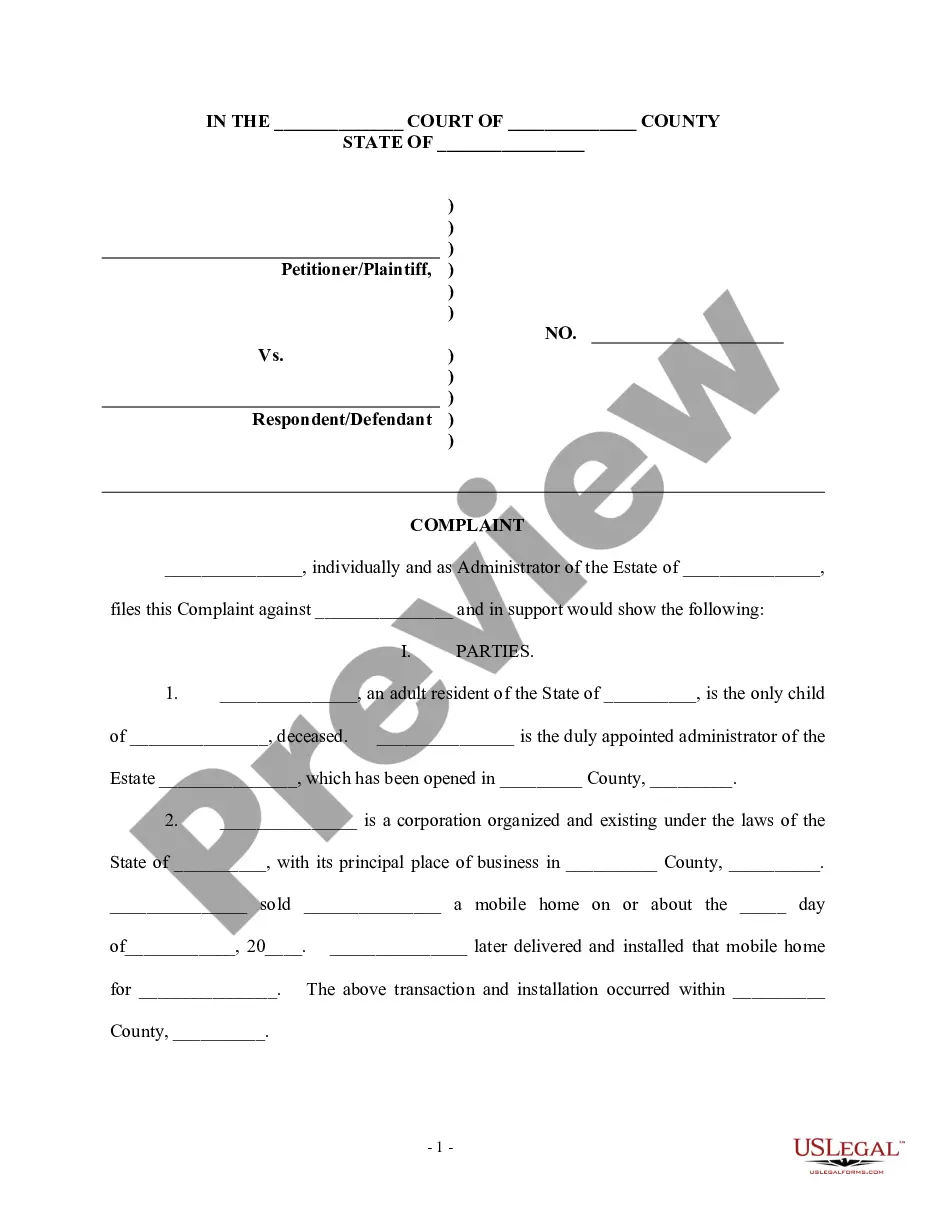
Get your form ready online
Our built-in tools help you complete, sign, share, and store your documents in one place.
Make edits, fill in missing information, and update formatting in US Legal Forms—just like you would in MS Word.
Download a copy, print it, send it by email, or mail it via USPS—whatever works best for your next step.
Sign and collect signatures with our SignNow integration. Send to multiple recipients, set reminders, and more. Go Premium to unlock E-Sign.
If this form requires notarization, complete it online through a secure video call—no need to meet a notary in person or wait for an appointment.
We protect your documents and personal data by following strict security and privacy standards.

Make edits, fill in missing information, and update formatting in US Legal Forms—just like you would in MS Word.

Download a copy, print it, send it by email, or mail it via USPS—whatever works best for your next step.

Sign and collect signatures with our SignNow integration. Send to multiple recipients, set reminders, and more. Go Premium to unlock E-Sign.

If this form requires notarization, complete it online through a secure video call—no need to meet a notary in person or wait for an appointment.

We protect your documents and personal data by following strict security and privacy standards.
Looking for another form?

Form popularity
FAQ
Types of Unfair Trade Practices ① Refusal to Deal. ② Discriminatory Treatment. ③ Exclusion of a Competitor. ④ Unfair Solicitation of Customers. ⑤ Coercion of Transaction. ⑥ Abuse of Superior Bargaining Position. ⑦ Imposing Binding Conditional Trade. ⑧ Obstruction of Business Activities.
Minnesota Statutes Chapter 325F, Section 68 through 70 is also known as the Prevention of Consumer Fraud Act (“PCFA”). The PCFA is a state law that provides legal protection to consumers by regulating the use of fraudulent or deceptive practices by businesses.
A person commits deceptive practice when he or she has the intent to defraud another person and does any of the following: Knowingly causes another person, by threat or deception, to execute a document, which disposes the victim of a property or incurs a pecuniary obligation.
Under state and federal law, business transactions that mislead or defraud consumers may be found to be unfair and deceptive trade practices punishable with fines and penalties. Those practices are generally recognized as business torts.
(a) It is unlawful for any person, firm, corporation or association to falsely represent by advertisement the quantity of any article so advertised that will be sold to any one customer on his demand in a single transaction, and willfully or negligently to fail to include in such advertisement a statement that any ...
Unfair trade practices are practices that grossly deviate from good commercial conduct and are contrary to good faith and fair dealing. 1 Unfair trading practices are typically imposed in a situation of imbalance by a stronger party on a weaker one, and can exist from any side of the B2B relationship.
An act or practice is unfair when it (1) causes or is likely to cause substantial injury to consumers, (2) cannot be reasonably avoided by consumers, and (3) is not outweighed by countervailing benefits to consumers or to competition. Congress codified the three-part unfairness test in 1994.
Unfair trade practices are practices that grossly deviate from good commercial conduct and are contrary to good faith and fair dealing. 1 Unfair trading practices are typically imposed in a situation of imbalance by a stronger party on a weaker one, and can exist from any side of the B2B relationship.
(These practices are commonly called misleading or unfair business practices.) They include false advertising, misrepresentation, tied selling, and failing to comply with regulations. Under consumer protection laws, they are illegal and can lead to compensatory or punitive damages.
Unfair trade practices are practices that grossly deviate from good commercial conduct and are contrary to good faith and fair dealing. 1 Unfair trading practices are typically imposed in a situation of imbalance by a stronger party on a weaker one, and can exist from any side of the B2B relationship.