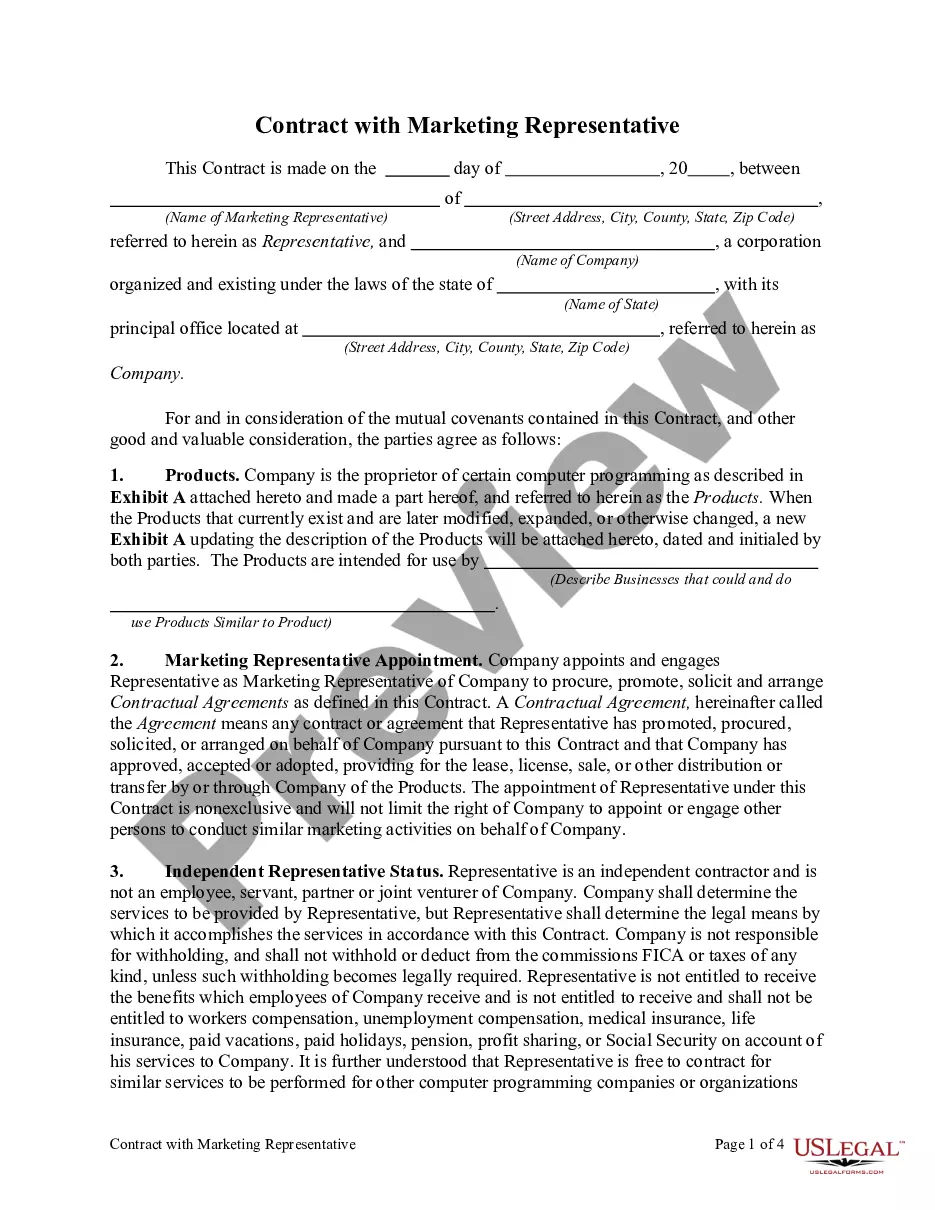
Deceptive Trade For In Michigan
Description

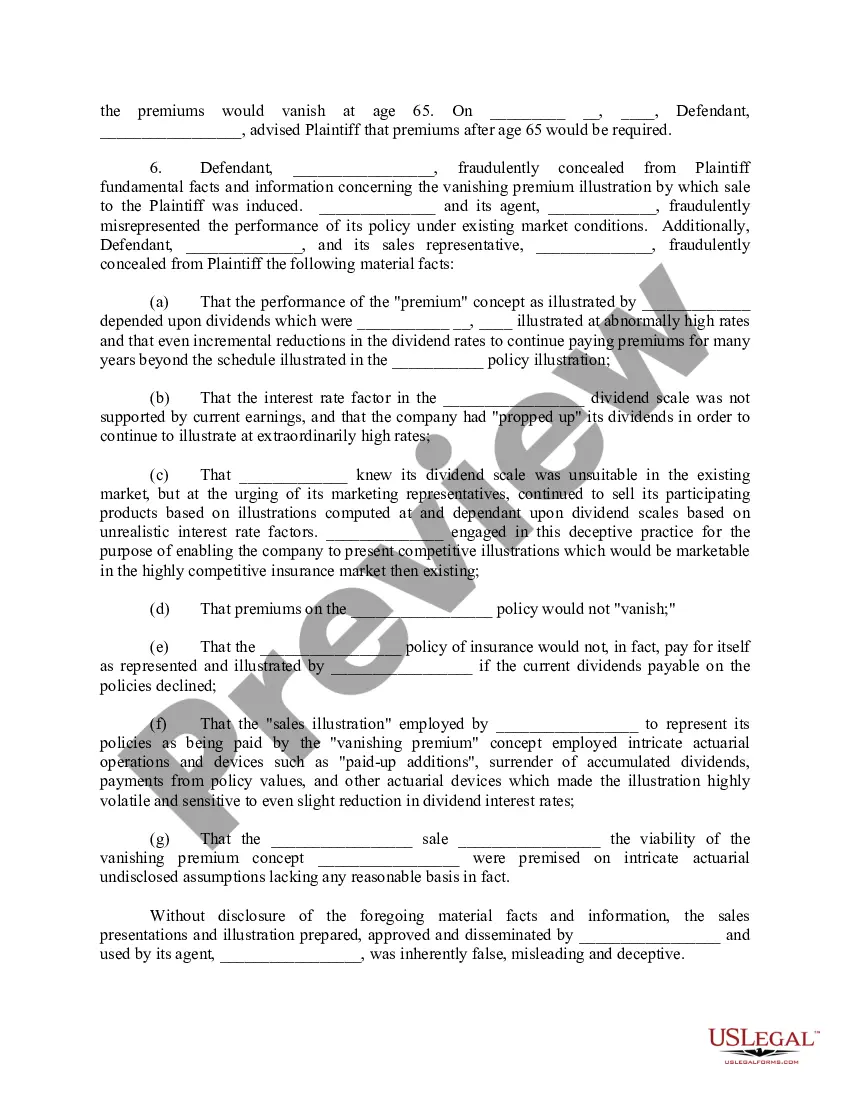
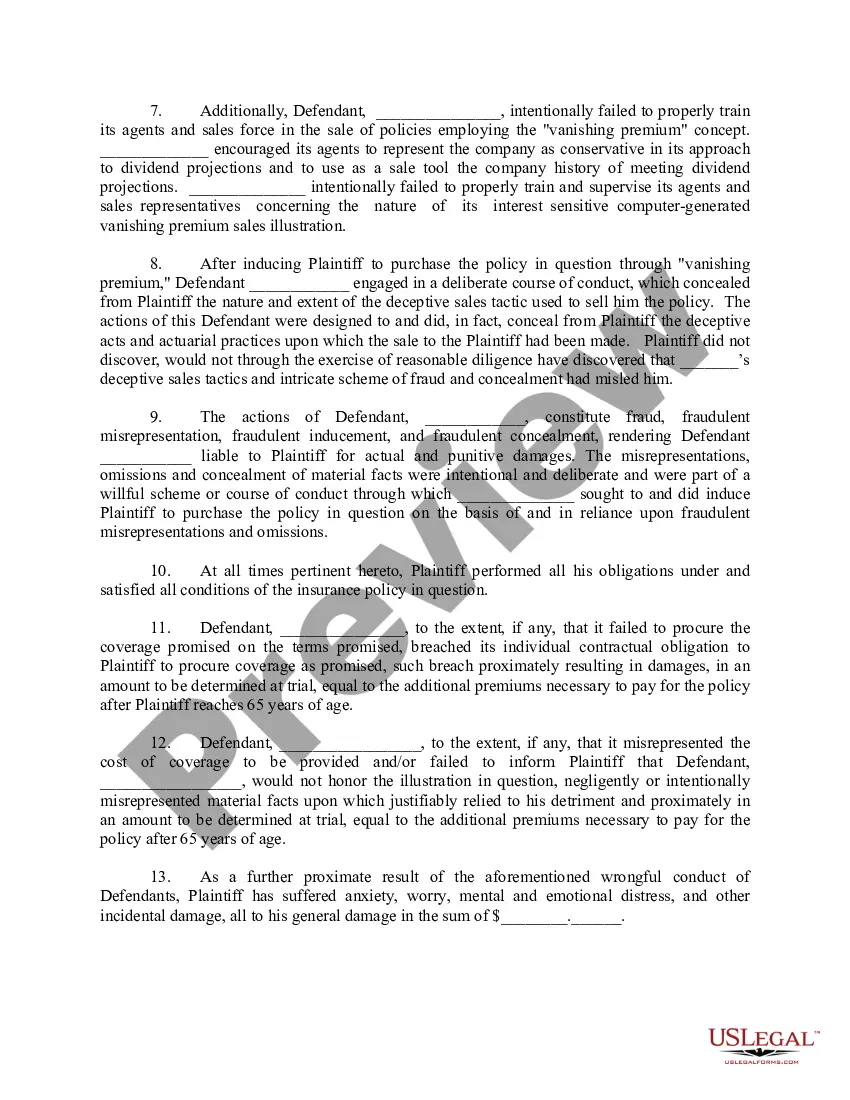
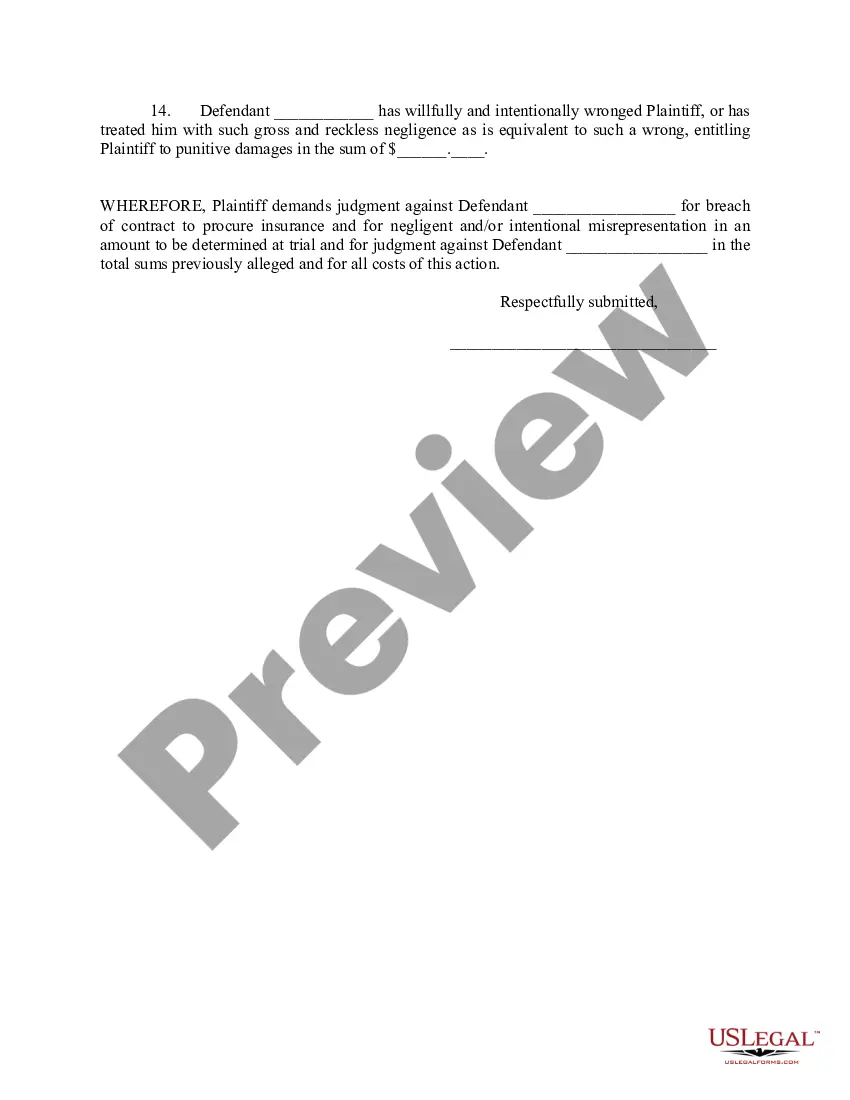



Get your form ready online
Our built-in tools help you complete, sign, share, and store your documents in one place.
Make edits, fill in missing information, and update formatting in US Legal Forms—just like you would in MS Word.
Download a copy, print it, send it by email, or mail it via USPS—whatever works best for your next step.
Sign and collect signatures with our SignNow integration. Send to multiple recipients, set reminders, and more. Go Premium to unlock E-Sign.
If this form requires notarization, complete it online through a secure video call—no need to meet a notary in person or wait for an appointment.
We protect your documents and personal data by following strict security and privacy standards.

Make edits, fill in missing information, and update formatting in US Legal Forms—just like you would in MS Word.

Download a copy, print it, send it by email, or mail it via USPS—whatever works best for your next step.

Sign and collect signatures with our SignNow integration. Send to multiple recipients, set reminders, and more. Go Premium to unlock E-Sign.

If this form requires notarization, complete it online through a secure video call—no need to meet a notary in person or wait for an appointment.

We protect your documents and personal data by following strict security and privacy standards.
Looking for another form?
Form popularity
FAQ
The Michigan Consumer Protection Act (1976 PA 331) gives consumers, prosecutors, and the Attorney General a way to fight deceptive practices. This act prohibits many unfair and deceptive trade practices and gives prosecutors more power to enforce the law.
This covers engaging in misleading practices such as making false or deceptive statements in marketing material, or omitting important information that would have a bearing on the customer's purchasing decision.
Unfair trade practices are practices that grossly deviate from good commercial conduct and are contrary to good faith and fair dealing. 1 Unfair trading practices are typically imposed in a situation of imbalance by a stronger party on a weaker one, and can exist from any side of the B2B relationship.
An act or practice is unfair where it (1) causes or is likely to cause substantial injury to consumers, (2) cannot be reasonably avoided by consumers, and (3) is not outweighed by countervailing ben- efits to consumers or to competition.
The Michigan Consumer Protection Act prohibits false advertising, automobile odometer tampering, and other forms of deceptive trade practices. Michigan deceptive trade practice laws allow the attorney general, a prosecuting attorney, or a private citizen to file suit.
Sec. 3. (1) Unfair, unconscionable, or deceptive methods, acts, or practices in the conduct of trade or commerce are unlawful and are defined as follows: (a) Causing a probability of confusion or misunderstanding as to the source, sponsorship, approval, or certification of goods or services.
Unfair trade practices are practices that grossly deviate from good commercial conduct and are contrary to good faith and fair dealing. 1 Unfair trading practices are typically imposed in a situation of imbalance by a stronger party on a weaker one, and can exist from any side of the B2B relationship.
File a complaint with your local consumer protection office or the state agency that regulates the company. Notify the Better Business Bureau (BBB) in your area about your problem. The BBB tries to resolve your complaints against companies.
Information To Include in Your Letter Give the basics. Tell your story. Explain how you want to resolve the problem. Describe your next steps. Send your complaint letter. Your Mailing Address Your City, State, Zip Code Your email address
Consumer Complaint Not all consumer complaints are handled by the Attorney General. If we do not handle it, we will forward it on to the appropriate agency. If you have questions about filing a complaint, please call 517-335-7599. In-state residents can also call 877-765-8388.