Deceptive Trade With Other Companies In Maricopa
Description
Get your form ready online
Our built-in tools help you complete, sign, share, and store your documents in one place.
Make edits, fill in missing information, and update formatting in US Legal Forms—just like you would in MS Word.
Download a copy, print it, send it by email, or mail it via USPS—whatever works best for your next step.
Sign and collect signatures with our SignNow integration. Send to multiple recipients, set reminders, and more. Go Premium to unlock E-Sign.
If this form requires notarization, complete it online through a secure video call—no need to meet a notary in person or wait for an appointment.
We protect your documents and personal data by following strict security and privacy standards.

Make edits, fill in missing information, and update formatting in US Legal Forms—just like you would in MS Word.

Download a copy, print it, send it by email, or mail it via USPS—whatever works best for your next step.

Sign and collect signatures with our SignNow integration. Send to multiple recipients, set reminders, and more. Go Premium to unlock E-Sign.

If this form requires notarization, complete it online through a secure video call—no need to meet a notary in person or wait for an appointment.

We protect your documents and personal data by following strict security and privacy standards.
Looking for another form?

Form popularity
FAQ
Arizona has not adopted the Uniform Deceptive Trade Practices Act. Arizona Deceptive Trade Practices Laws are stated in Title 44 of Arizona Revised Statutes. Under A.R.S. § 44-1522, false advertising is an unlawful practice, and ing to § 13-2203 false advertising is also a class 1 misdemeanor.
The composition of goods is another common category of deceptive claims. For example, a product advertised as “wool” had better be 100 percent wool; a mixture of wool and synthetic fabrics cannot be advertised as wool.
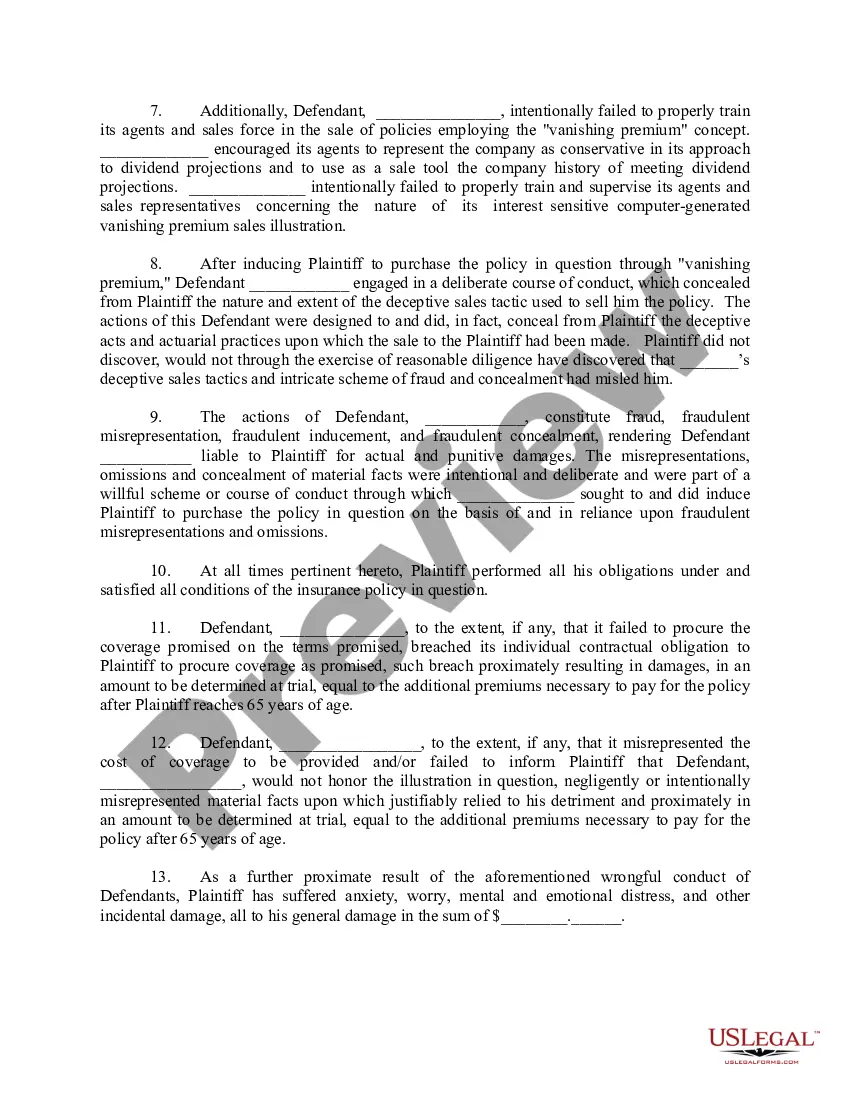
The law broadly prohibits businesses from using deceptive or unfair practices, fraud, misrepresentation, and omission of material fact during the sale or advertisement of goods and services.
The act, use or employment by any person of any deception, deceptive or unfair act or practice, fraud, false pretense, false promise, misrepresentation, or concealment, suppression or omission of any material fact with intent that others rely on such concealment, suppression or omission, in connection with the sale or ...
10 Effective Ways to Complain About a Company Online Go to the company website. Contact the Better Business Bureau. Contact the Federal Trade Commission (FTC). Check out the Ripoff Report. Email spam@uce. Try Yelp. Post on Planet Feedback. Google your attorney general.
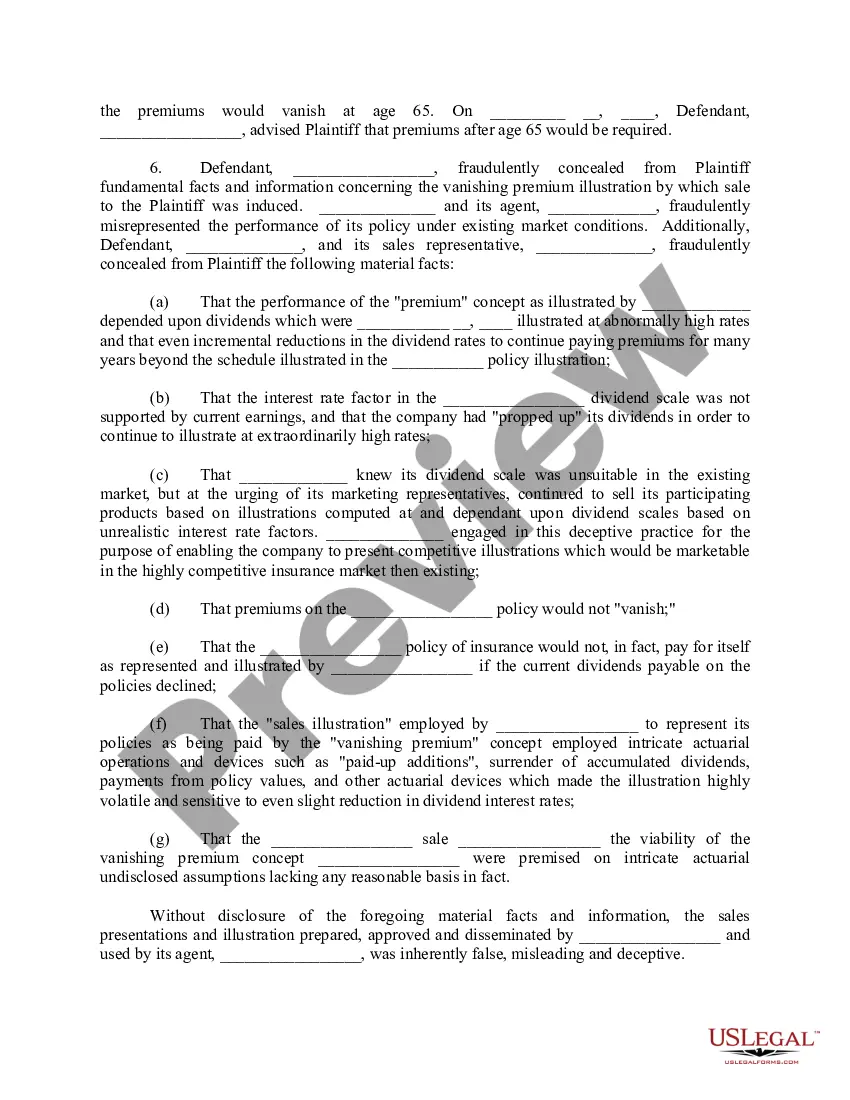
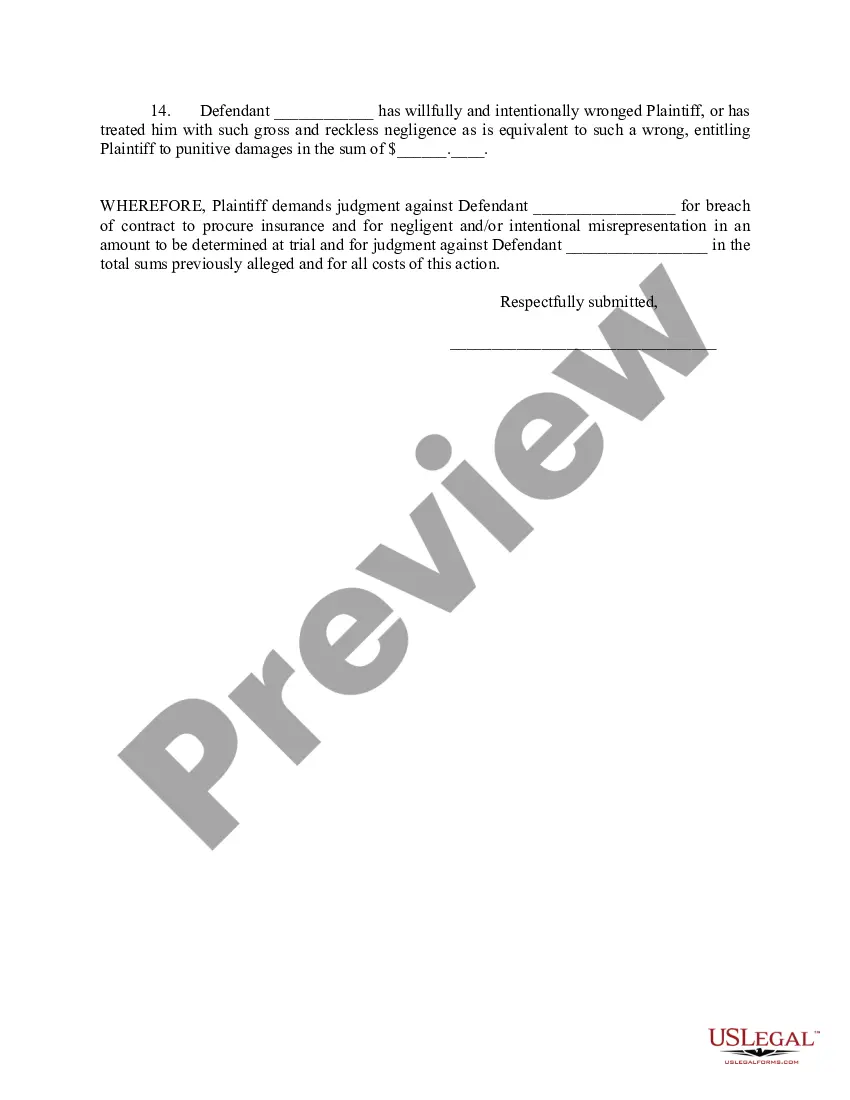
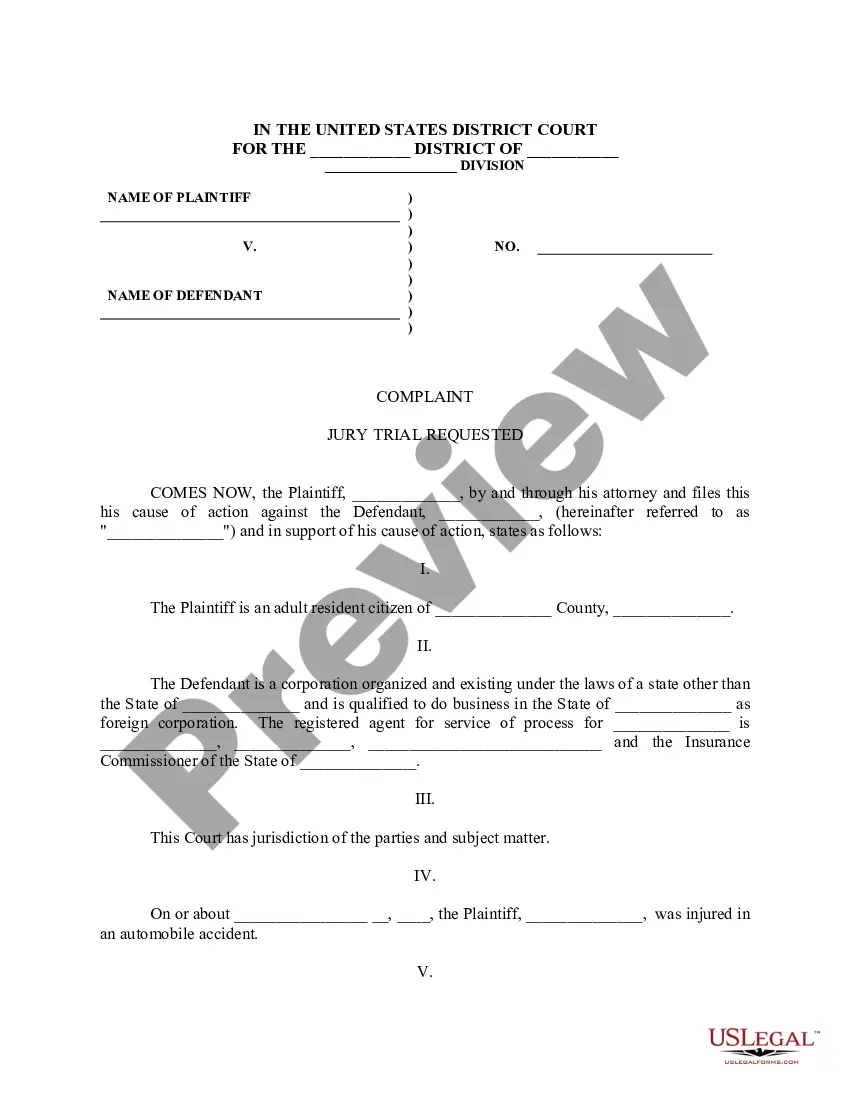
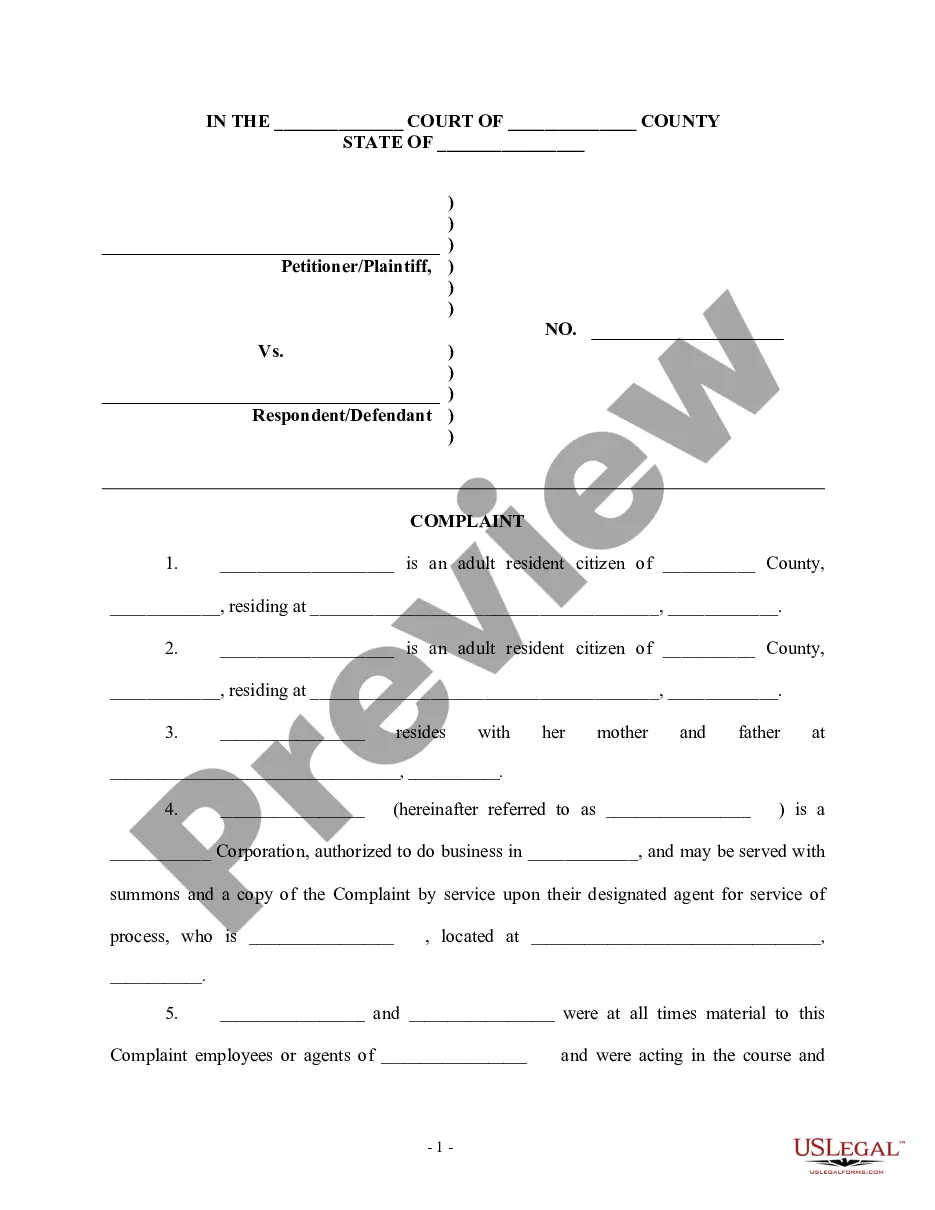
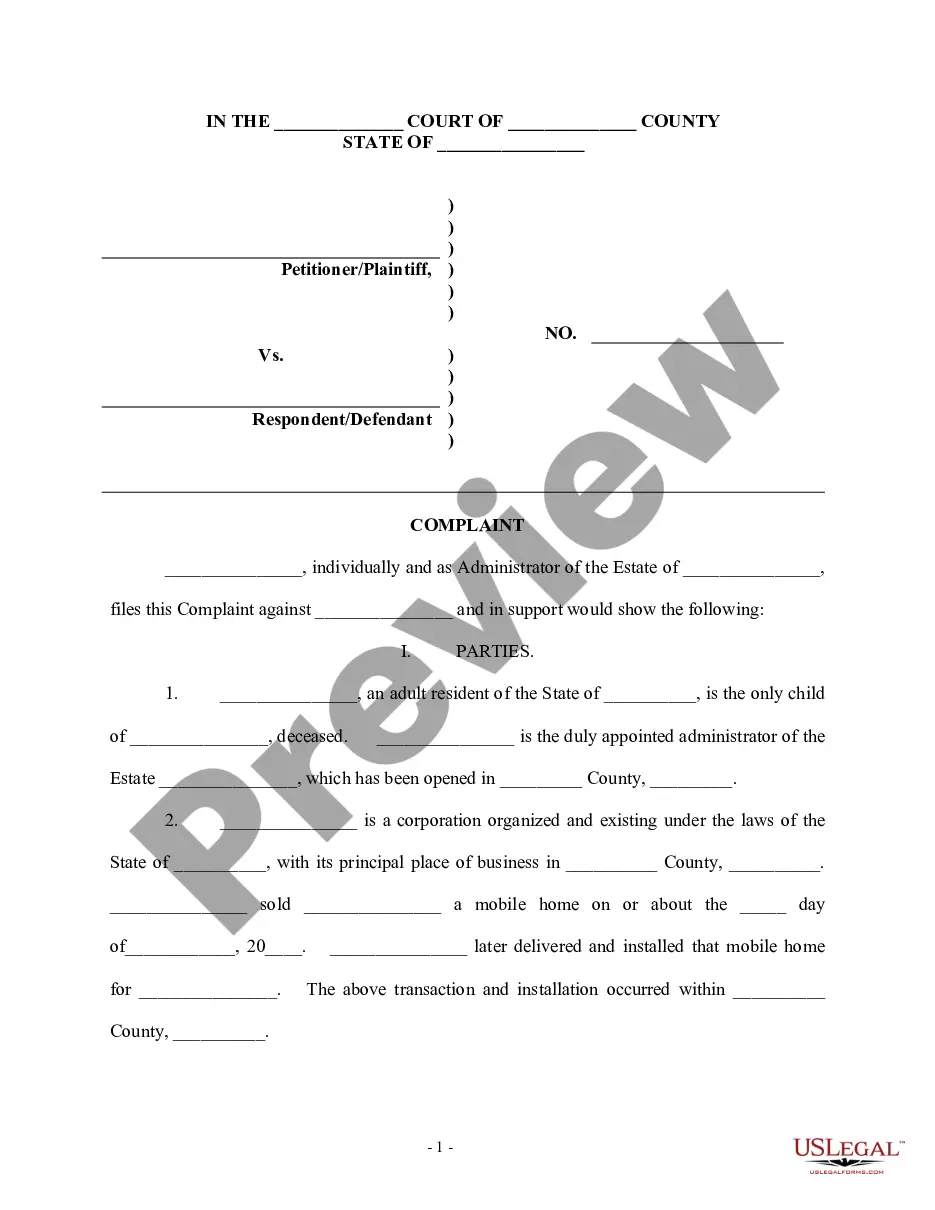
The plaintiff files a document (complaint) with the clerk of the court stating the reasons why the plaintiff is suing the defendant, and what action the plaintiff wants the court to take. A copy of the complaint and a summons are delivered to (served on) the defendant.
The Consumer Protection and Advocacy Section at the Attorney General's Office protects people – including Arizona's most vulnerable residents – from fraudsters and scammers, and from all types of deceptive and harmful business practices by enforcing Arizona's consumer protection laws and other state and federal laws.
Common bases for suing a company include breach of contract, negligence, product liability, employment discrimination, and fraud. Be sure to have all relevant documents and evidence to support your claim. Jurisdiction and Venue: Ensure that you file your lawsuit in the correct jurisdiction and venue.