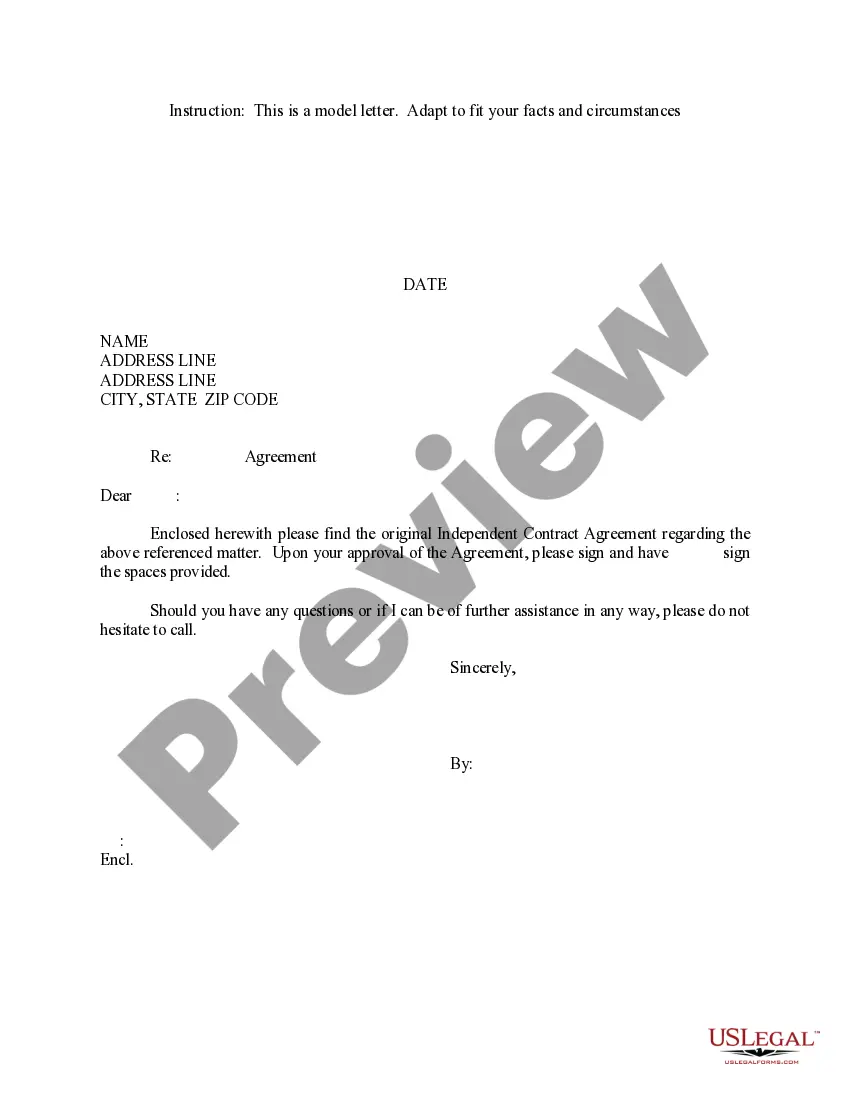
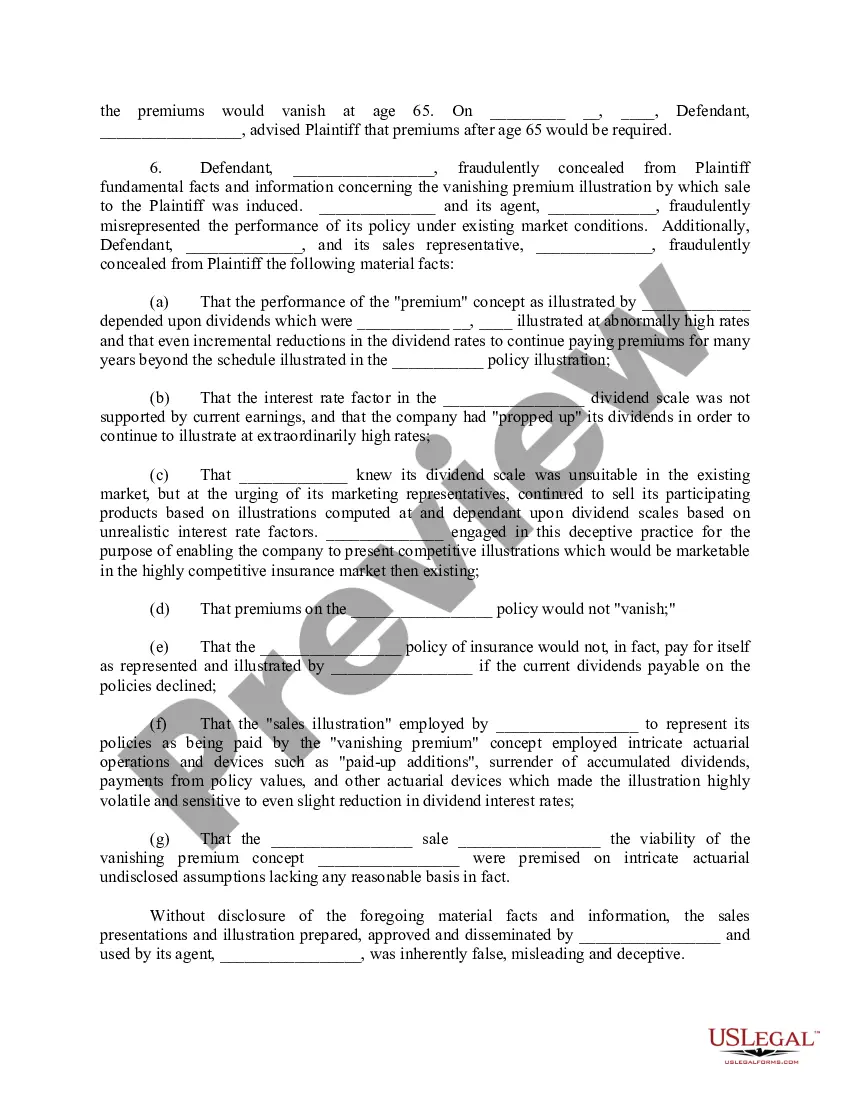
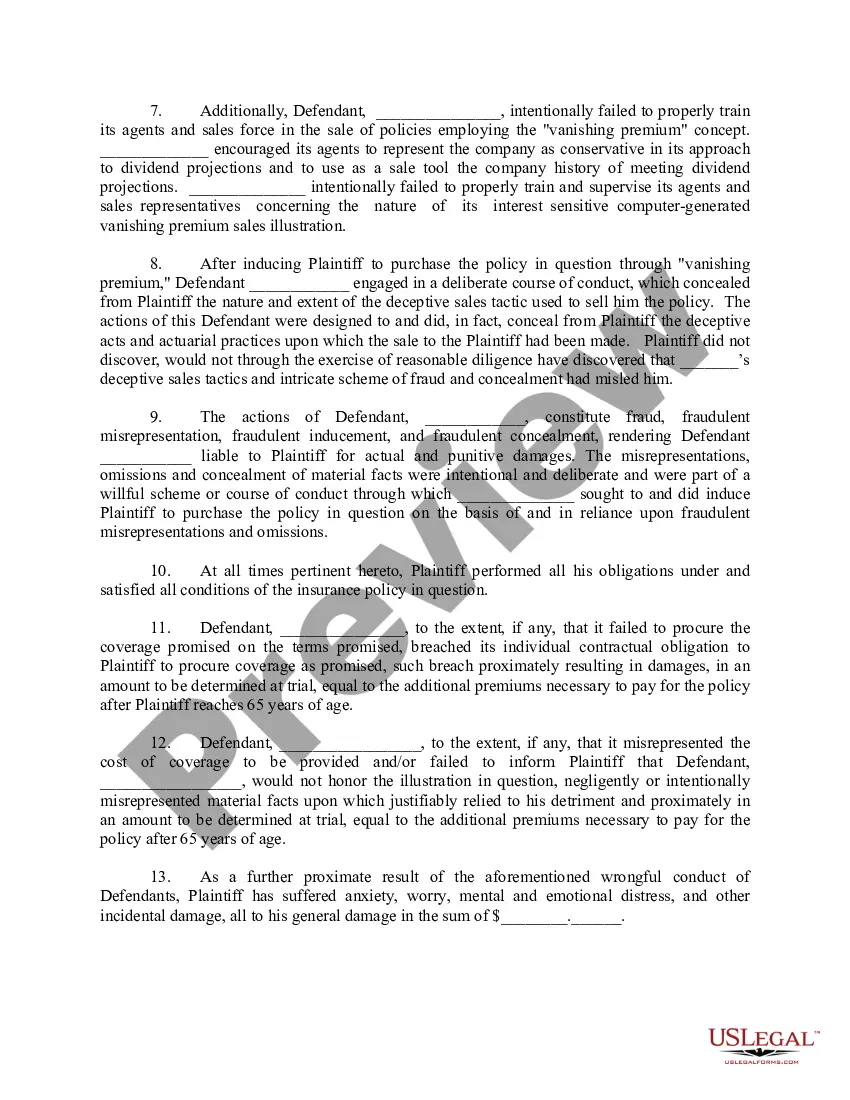
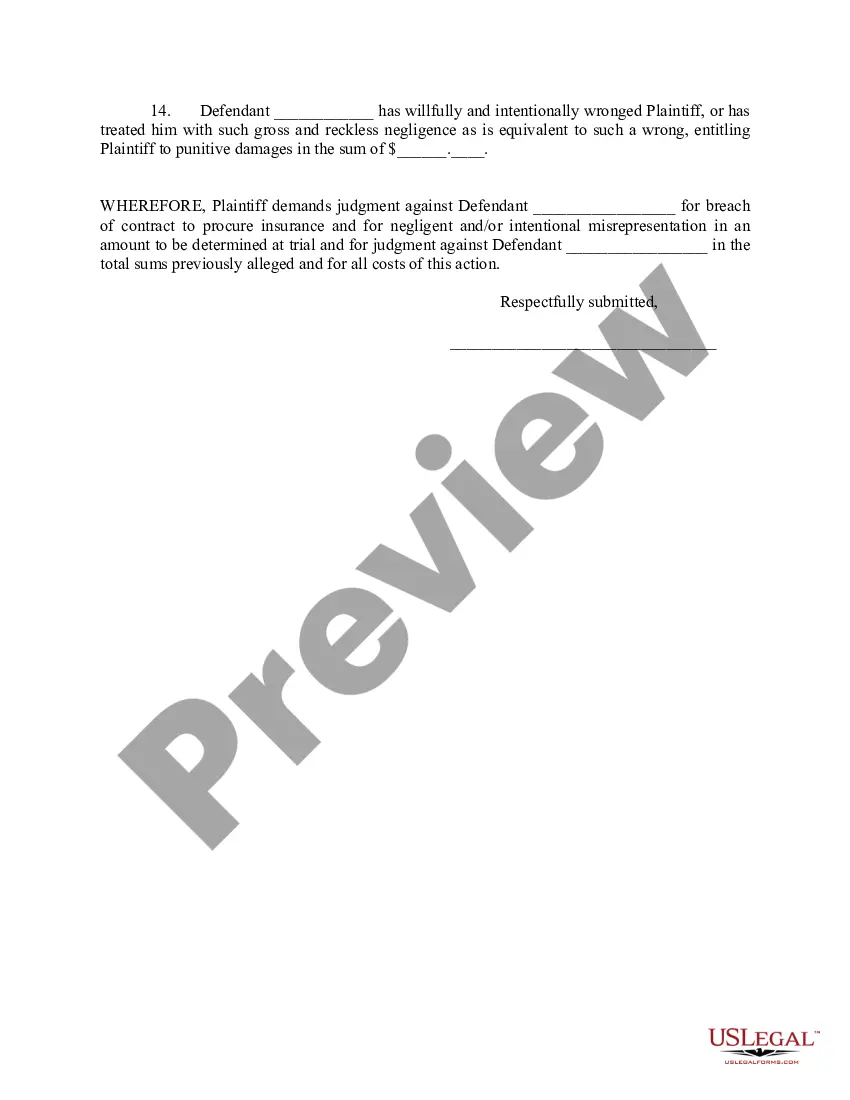
Deceptive Trade With In King
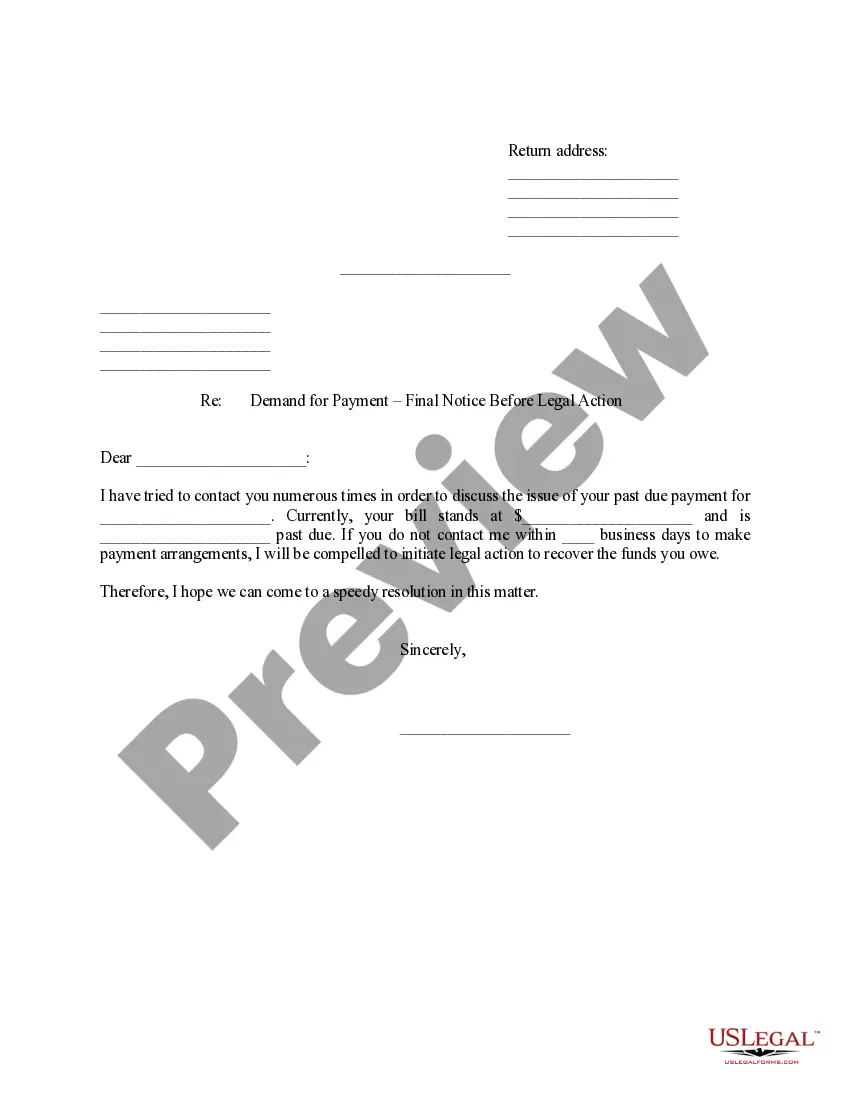
Description



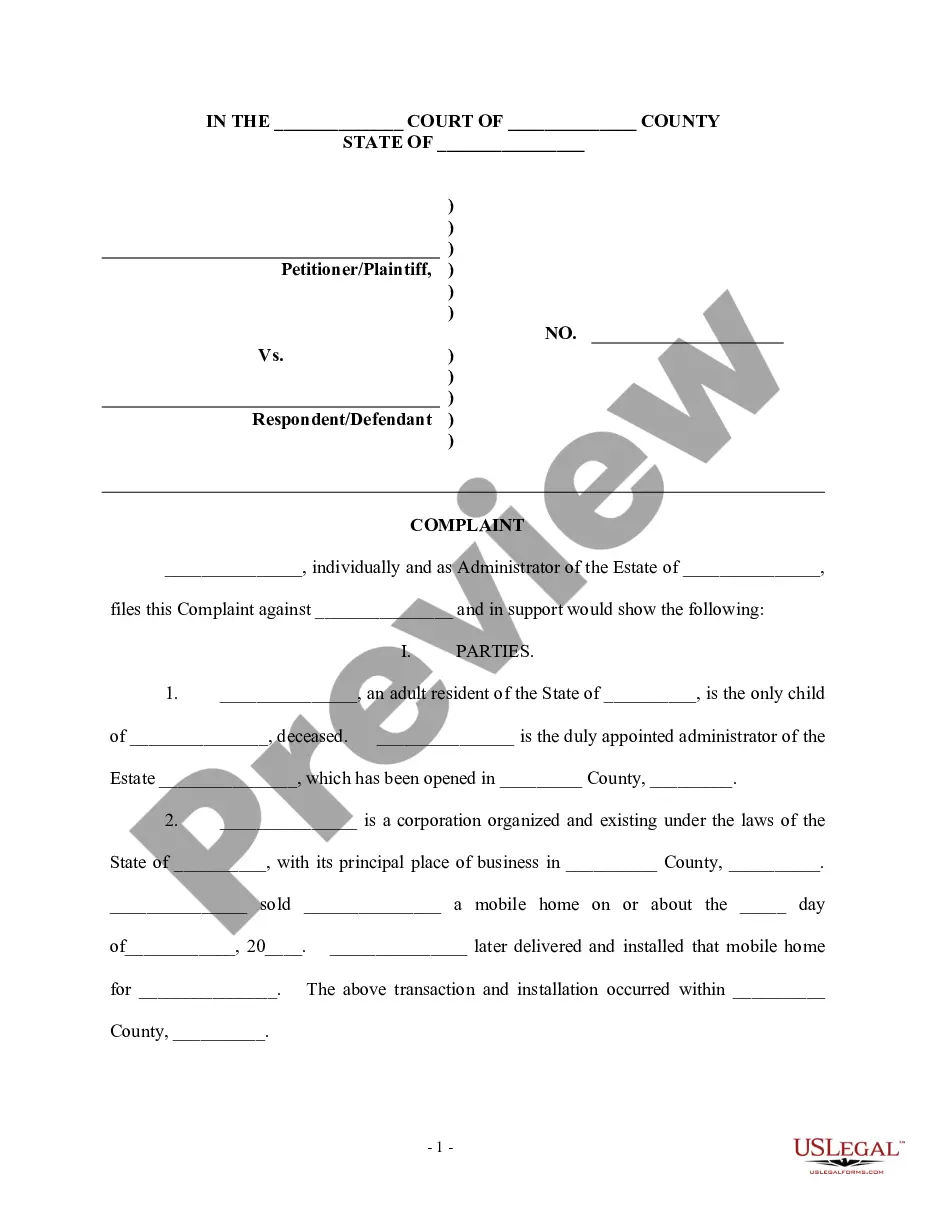
Get your form ready online
Our built-in tools help you complete, sign, share, and store your documents in one place.
Make edits, fill in missing information, and update formatting in US Legal Forms—just like you would in MS Word.
Download a copy, print it, send it by email, or mail it via USPS—whatever works best for your next step.
Sign and collect signatures with our SignNow integration. Send to multiple recipients, set reminders, and more. Go Premium to unlock E-Sign.
If this form requires notarization, complete it online through a secure video call—no need to meet a notary in person or wait for an appointment.
We protect your documents and personal data by following strict security and privacy standards.

Make edits, fill in missing information, and update formatting in US Legal Forms—just like you would in MS Word.

Download a copy, print it, send it by email, or mail it via USPS—whatever works best for your next step.

Sign and collect signatures with our SignNow integration. Send to multiple recipients, set reminders, and more. Go Premium to unlock E-Sign.

If this form requires notarization, complete it online through a secure video call—no need to meet a notary in person or wait for an appointment.

We protect your documents and personal data by following strict security and privacy standards.
Looking for another form?
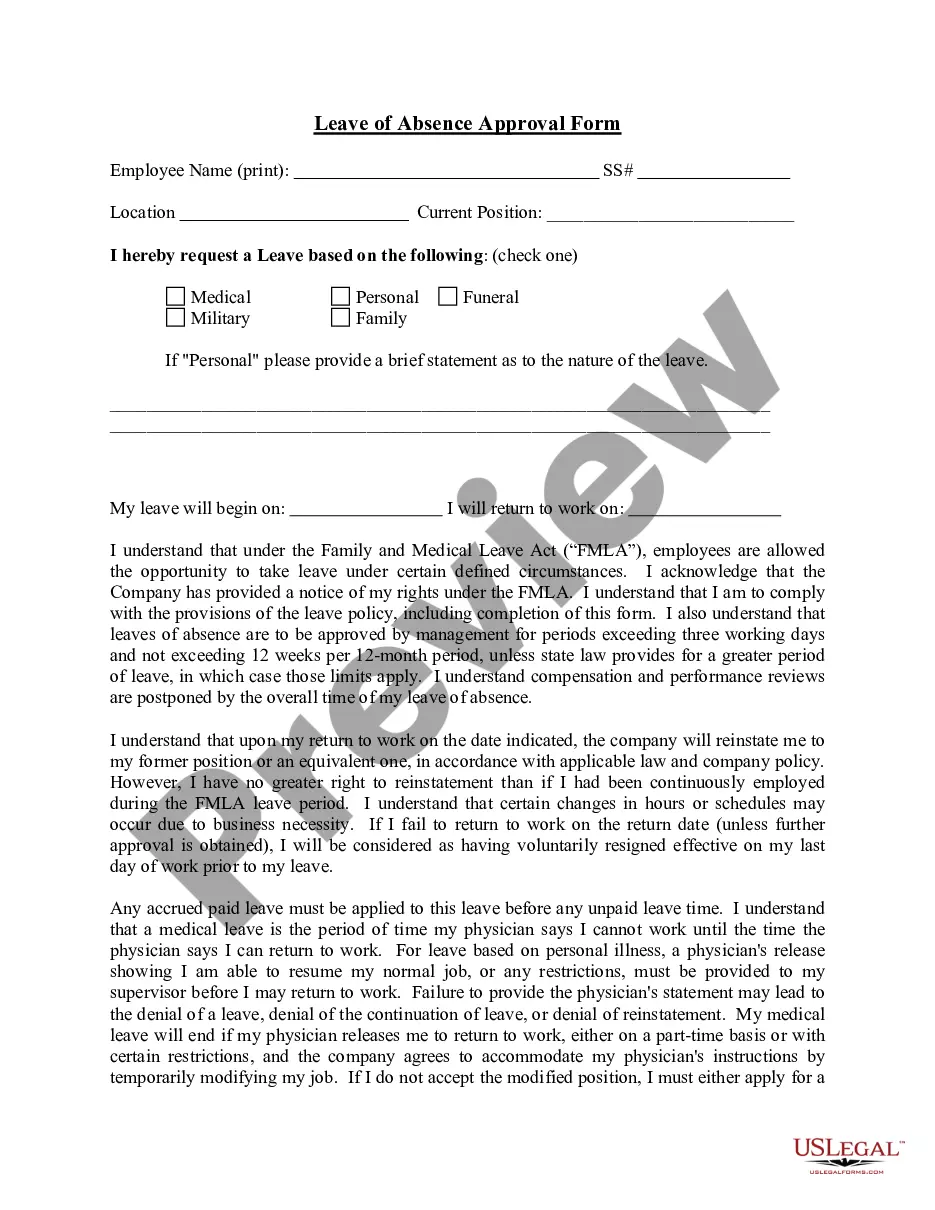





Form popularity
FAQ
Unfair trade practices are practices that grossly deviate from good commercial conduct and are contrary to good faith and fair dealing. 1 Unfair trading practices are typically imposed in a situation of imbalance by a stronger party on a weaker one, and can exist from any side of the B2B relationship.
Unfair trading includes a trader making misleading statements, leaving out important information about a product or behaving aggressively.
FTC and other regulators to ensure that these standards are applied consistently. An act or practice is unfair where it (1) causes or is likely to cause substantial injury to consumers, (2) cannot be reasonably avoided by consumers, and (3) is not outweighed by countervailing ben- efits to consumers or to competition.
Florida's Deceptive and Unfair Trade Practices Act (FDUPTA) has a four-year statute of limitations. This means that a victim must file a lawsuit within four years of the date that the unfair or deceptive trade practice occurred.
Unfair trade practices are practices that grossly deviate from good commercial conduct and are contrary to good faith and fair dealing. 1 Unfair trading practices are typically imposed in a situation of imbalance by a stronger party on a weaker one, and can exist from any side of the B2B relationship.
A person engages in a "deceptive trade practice" when in the course of his or her business or occupation he or she knowingly: (a) Conducts the business or occupation without all required state, county or city licenses. (b) Fails to disclose a material fact in connection with the sale or lease of goods or services.
All traders must trade fairly, and it is against the law for a trader to: make false claims of trade association membership, claim that a shop is closing down when it is not, falsely state that a product is only available for a limited time. make misleading actions and omissions (leaving out important information)
Types of Unfair Trade Practices ① Refusal to Deal. ② Discriminatory Treatment. ③ Exclusion of a Competitor. ④ Unfair Solicitation of Customers. ⑤ Coercion of Transaction. ⑥ Abuse of Superior Bargaining Position. ⑦ Imposing Binding Conditional Trade. ⑧ Obstruction of Business Activities.
Unfair trade practices are practices that grossly deviate from good commercial conduct and are contrary to good faith and fair dealing. 1 Unfair trading practices are typically imposed in a situation of imbalance by a stronger party on a weaker one, and can exist from any side of the B2B relationship.