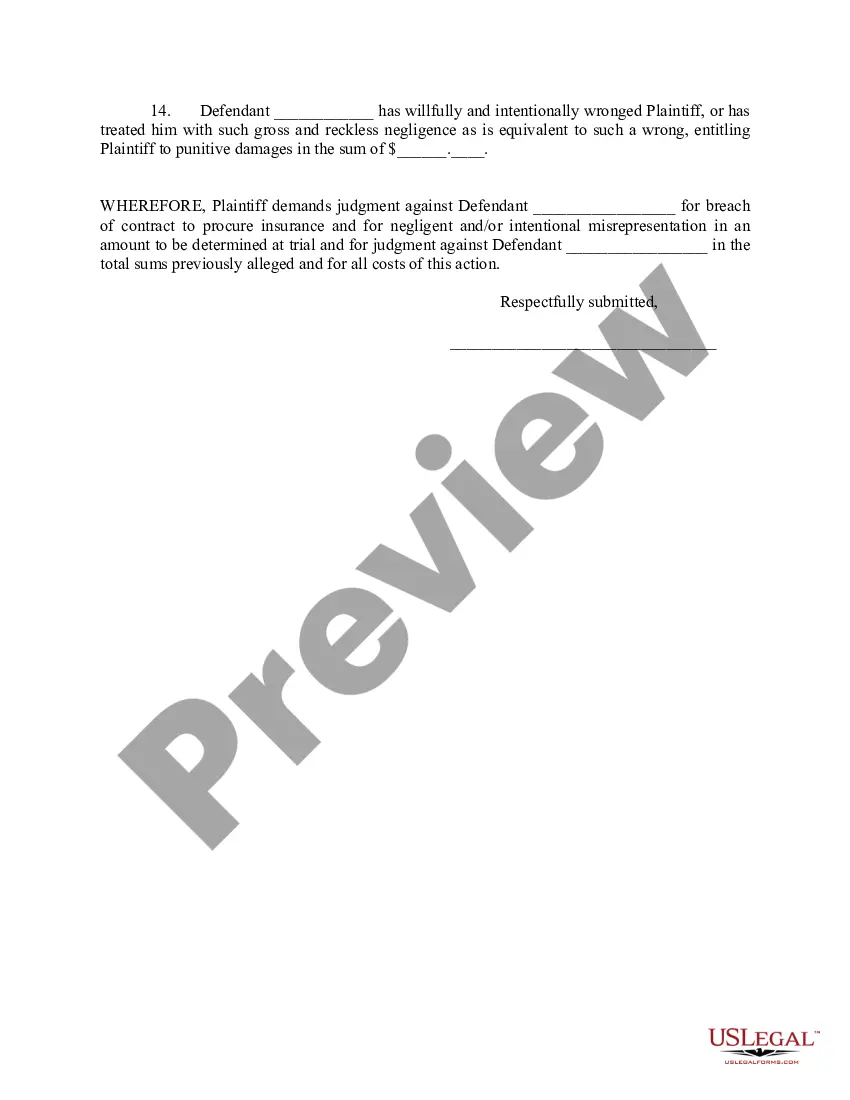
Deceptive Trade For Mack In Hennepin
Description




Get your form ready online
Our built-in tools help you complete, sign, share, and store your documents in one place.
Make edits, fill in missing information, and update formatting in US Legal Forms—just like you would in MS Word.
Download a copy, print it, send it by email, or mail it via USPS—whatever works best for your next step.
Sign and collect signatures with our SignNow integration. Send to multiple recipients, set reminders, and more. Go Premium to unlock E-Sign.
If this form requires notarization, complete it online through a secure video call—no need to meet a notary in person or wait for an appointment.
We protect your documents and personal data by following strict security and privacy standards.

Make edits, fill in missing information, and update formatting in US Legal Forms—just like you would in MS Word.

Download a copy, print it, send it by email, or mail it via USPS—whatever works best for your next step.

Sign and collect signatures with our SignNow integration. Send to multiple recipients, set reminders, and more. Go Premium to unlock E-Sign.

If this form requires notarization, complete it online through a secure video call—no need to meet a notary in person or wait for an appointment.

We protect your documents and personal data by following strict security and privacy standards.
Looking for another form?









Form popularity
FAQ
Types of Unfair Trade Practices ① Refusal to Deal. ② Discriminatory Treatment. ③ Exclusion of a Competitor. ④ Unfair Solicitation of Customers. ⑤ Coercion of Transaction. ⑥ Abuse of Superior Bargaining Position. ⑦ Imposing Binding Conditional Trade. ⑧ Obstruction of Business Activities.
Unfair and deceptive trade practices can involve libel, fraud, breach of contract, defamation, and many other facets that can make these cases a real litigation challenge.
The phrase unfair trade practices can be defined as any business practice or act that is deceptive, fraudulent, or causes injury to a consumer. These practices can include acts that are deemed unlawful, such as those that violate a consumer protection law.
This covers engaging in misleading practices such as making false or deceptive statements in marketing material, or omitting important information that would have a bearing on the customer's purchasing decision.
The composition of goods is another common category of deceptive claims. For example, a product advertised as “wool” had better be 100 percent wool; a mixture of wool and synthetic fabrics cannot be advertised as wool.
If you're selling something that does not do what you say it does, then you're being deceptive. If you're nudging someone to buy something they already want (and will add value to their lives), that's persuasion. TL;DR: Deception is a lie, persuasion is a tool.
Minnesota Department of Human Services (DHS) is a cabinet level executive agency responsible for implementing major social programs like the Supplemental Nutrition Assistance Program, Medical Assistance (The Minnesota Medicaid program) and Minnesota Family Investment Program (the Minnesota Temporary Assistance for ...
Complaints - The National Consumer Commission.
For complaints alleging criminal or non-criminal misconduct, including serious/repeated violations of DHS rules, policies, or regulations by employees of all DHS Components, visit the OIG website at .oig.dhs/ and send your complaint electronically using the online DHS OIG Allegation Form.