Deceptive Trade With In Georgia
Description

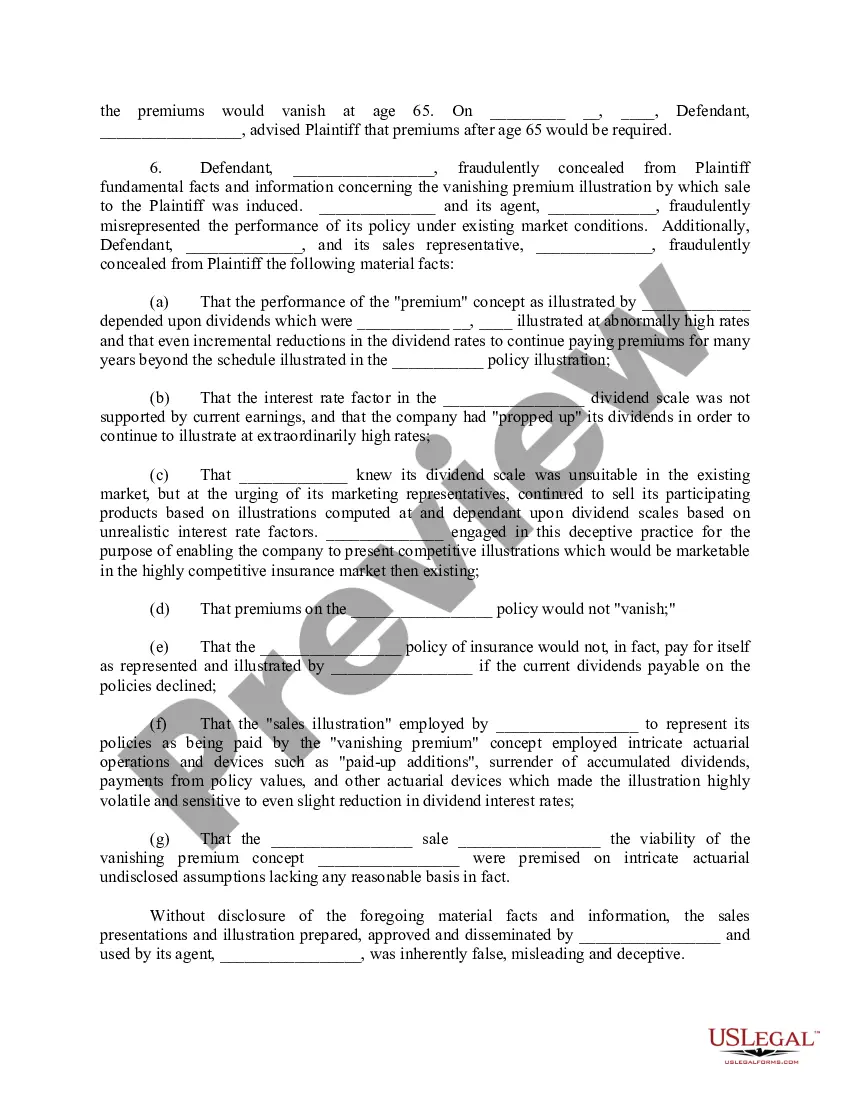
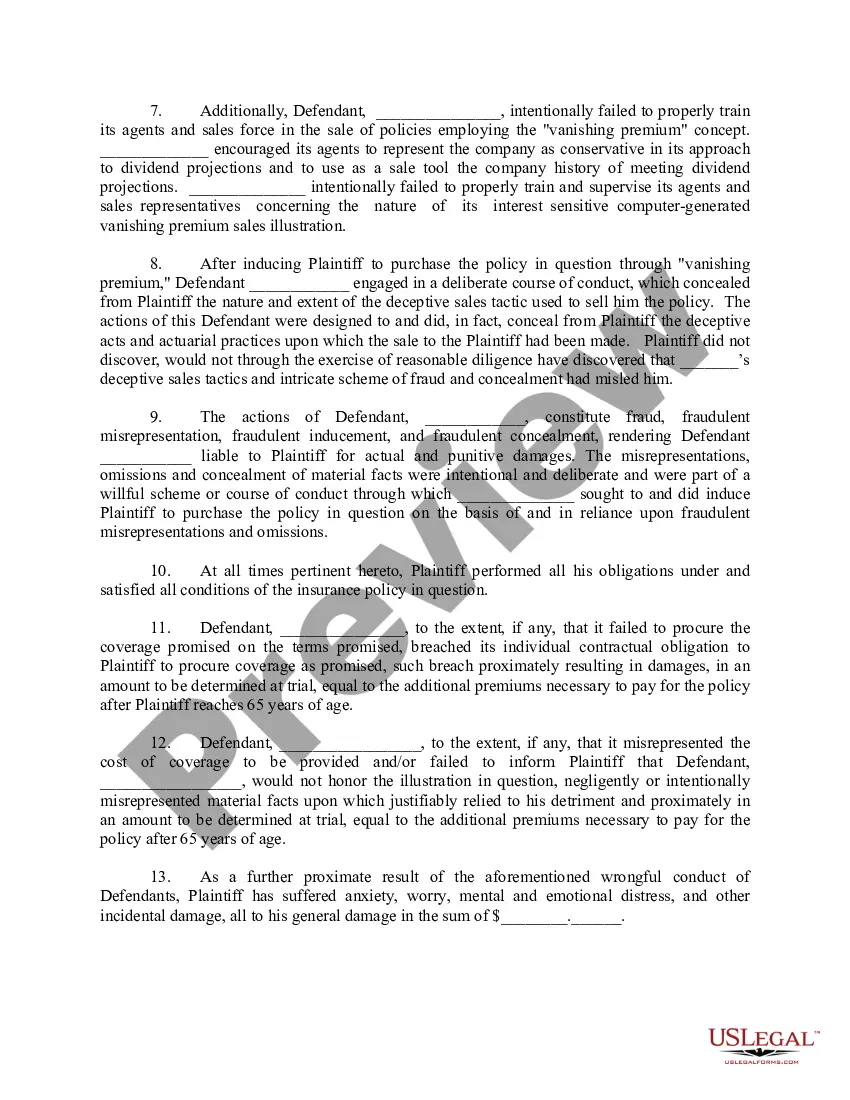
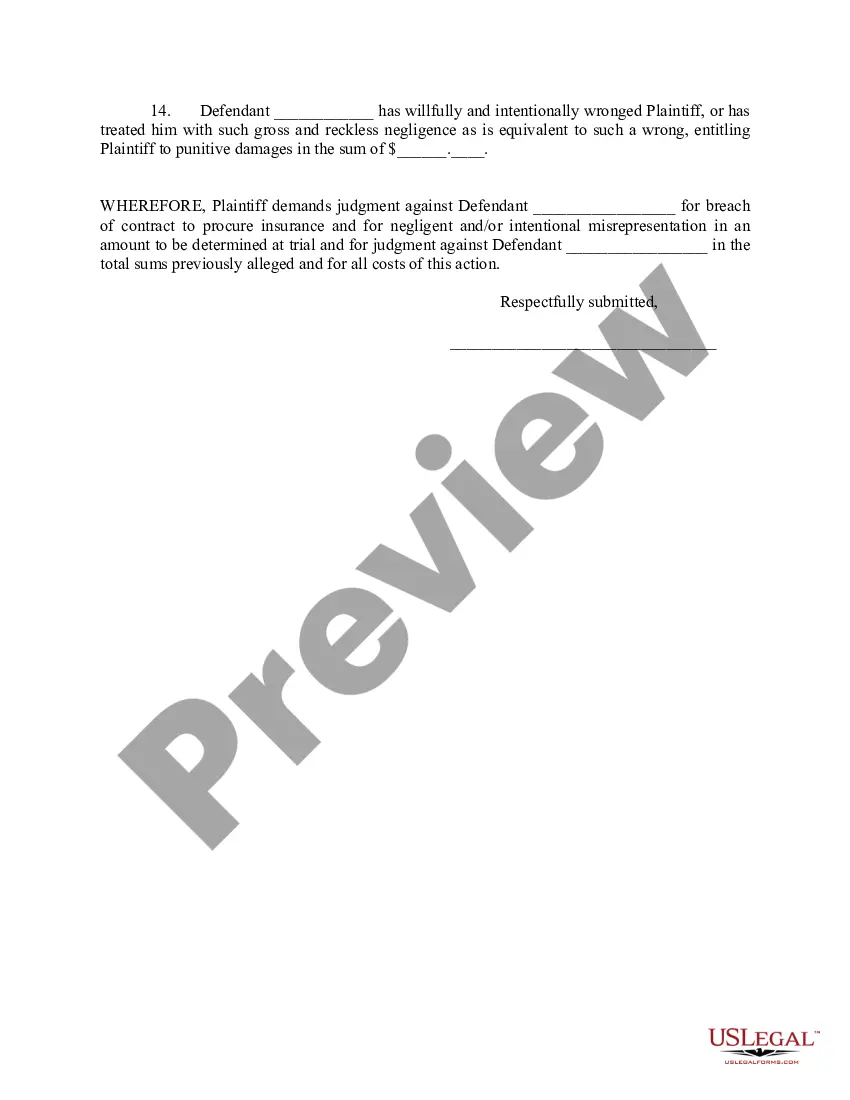



Get your form ready online
Our built-in tools help you complete, sign, share, and store your documents in one place.
Make edits, fill in missing information, and update formatting in US Legal Forms—just like you would in MS Word.
Download a copy, print it, send it by email, or mail it via USPS—whatever works best for your next step.
Sign and collect signatures with our SignNow integration. Send to multiple recipients, set reminders, and more. Go Premium to unlock E-Sign.
If this form requires notarization, complete it online through a secure video call—no need to meet a notary in person or wait for an appointment.
We protect your documents and personal data by following strict security and privacy standards.

Make edits, fill in missing information, and update formatting in US Legal Forms—just like you would in MS Word.

Download a copy, print it, send it by email, or mail it via USPS—whatever works best for your next step.

Sign and collect signatures with our SignNow integration. Send to multiple recipients, set reminders, and more. Go Premium to unlock E-Sign.

If this form requires notarization, complete it online through a secure video call—no need to meet a notary in person or wait for an appointment.

We protect your documents and personal data by following strict security and privacy standards.
Looking for another form?


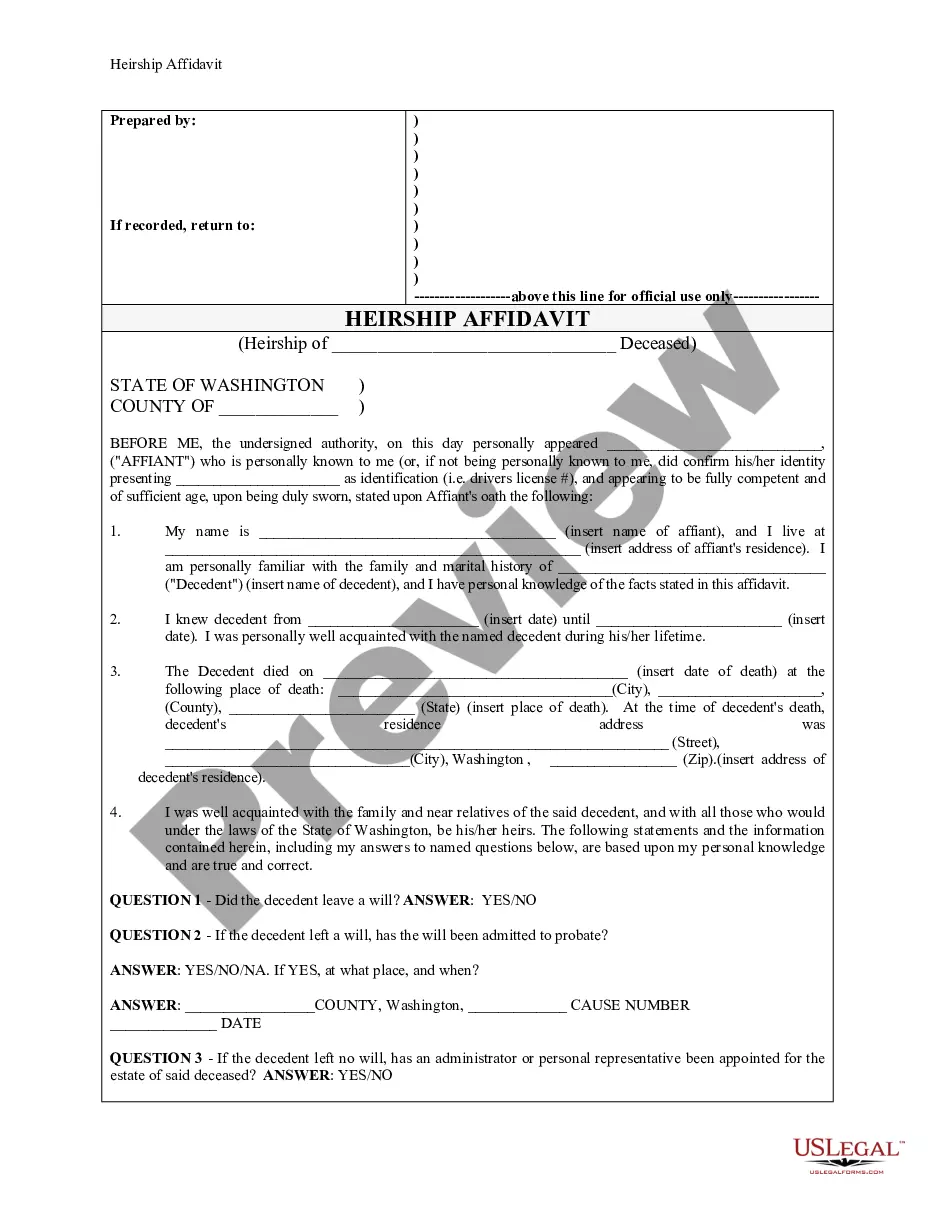
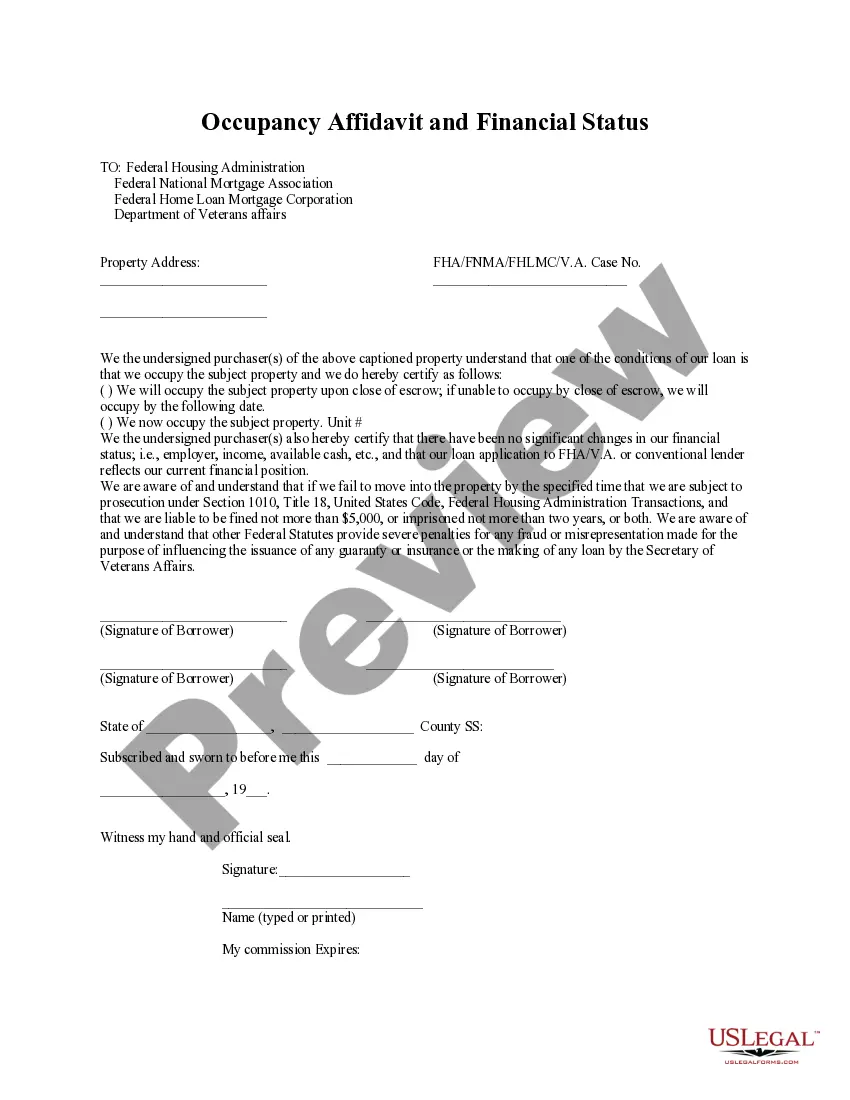
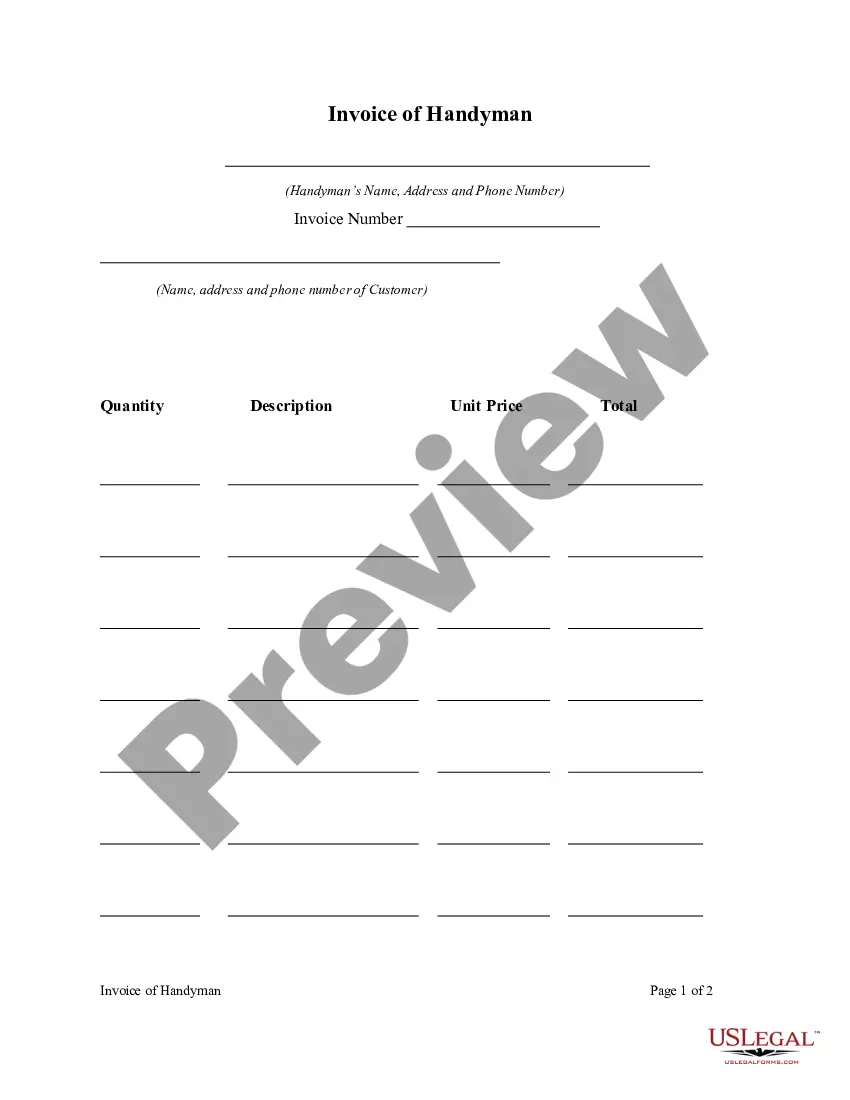
Form popularity
FAQ
- Under the Georgia Trade Secrets Act, O.C.G.A. § 10-1-760 et seq., a claim for misappropriation of trade secrets requires a plaintiff to prove that: (1) the plaintiff had a trade secret; and (2) the opposing party misappropriated the trade secret.
A trade secret is economically valuable information that is not generally known, has value to those who cannot legitimately obtain it, and has been subject to reasonable efforts to keep it secret.
To further illustrate the enumerated acts above, some specific examples of trade secret violations are: Taking home confidential information from work. Hacking a company's computer and accessing secret documents. Making copies of confidential business files.
This important new legislation creates a federal, private, civil cause of action for trade-secret misappropriation in which “an owner of a trade secret that is misappropriated may bring a civil action . . . if the trade secret is related to a product or service used in, or intended for use in, interstate or foreign ...
Georgia has no quantitative restrictions (quotas) on trade (except on ozone depleting substances). Only medical products, firearms, explosives, radioactive substances, dual use goods, industrial waste, and a few types of agricultural chemical products are subject to import/export licensing.
The Georgia Attorney General's Consumer Protection Division protects Georgia consumers and legitimate businesses from unfair and deceptive practices involving consumer transactions. We do this by investigating consumer complaints, monitoring the marketplace, law enforcement and consumer education.