Deceptive Trade Force In Franklin
Description

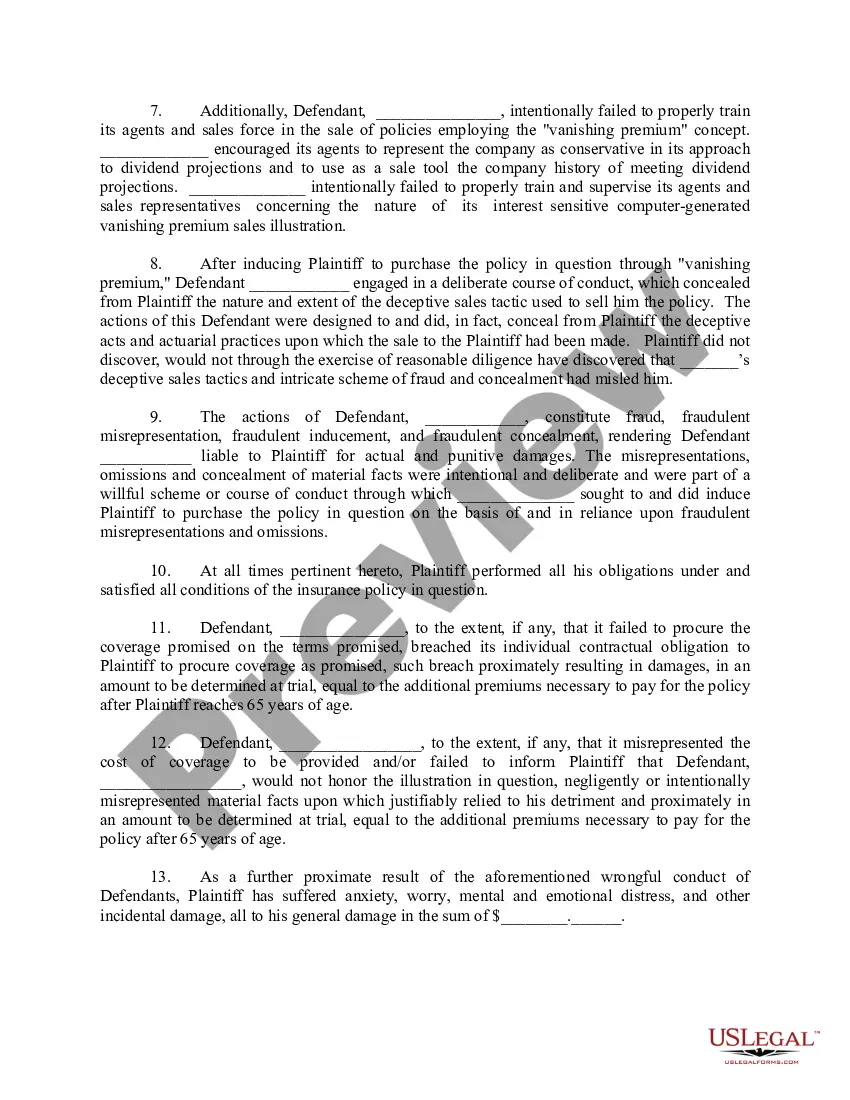
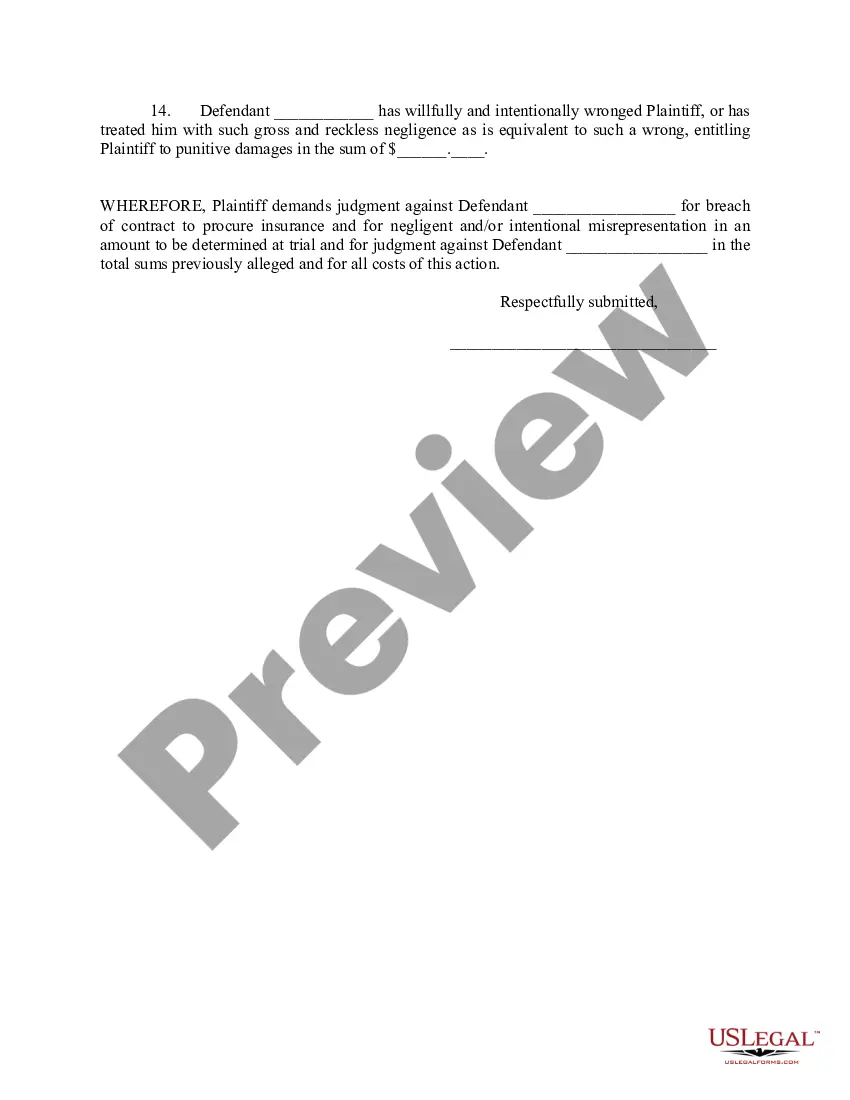

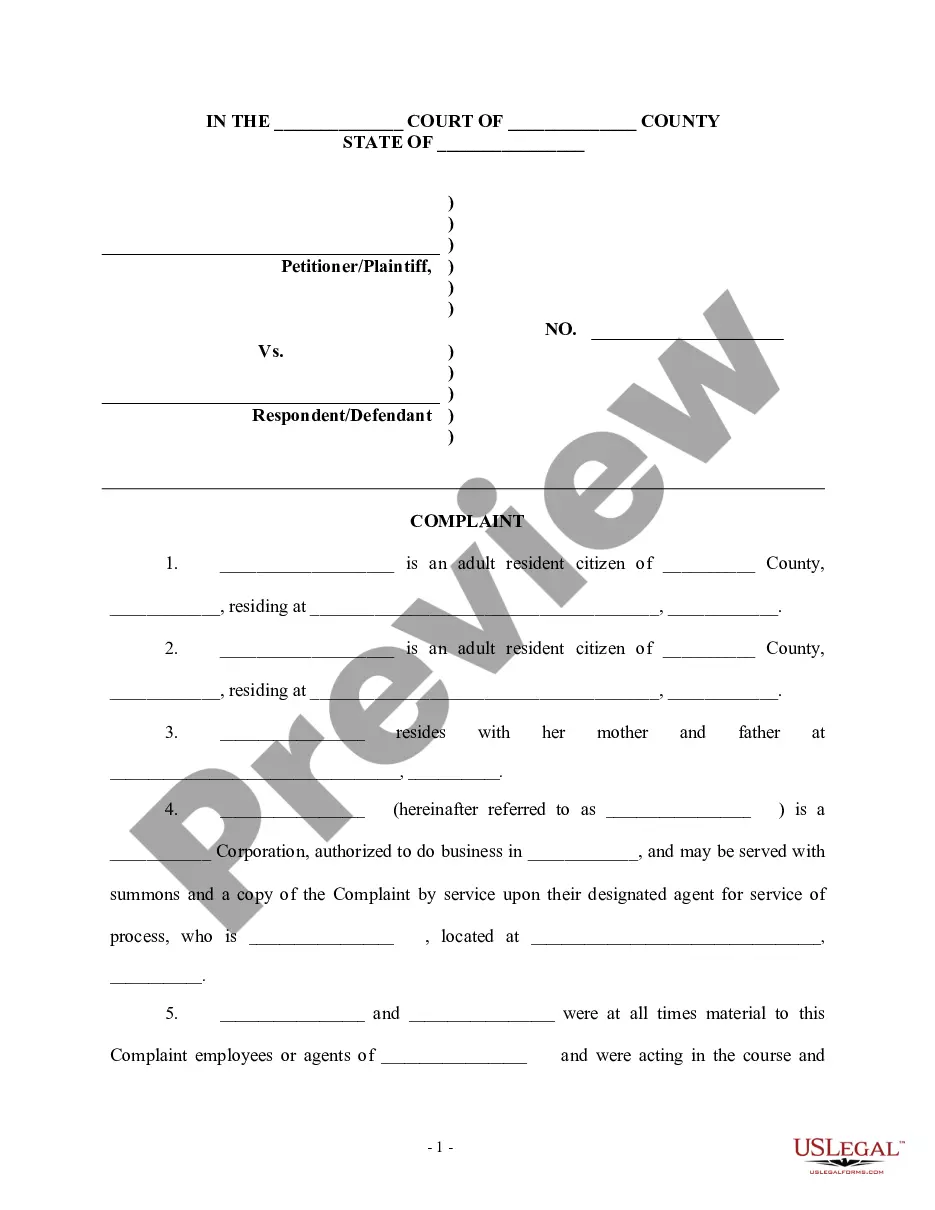

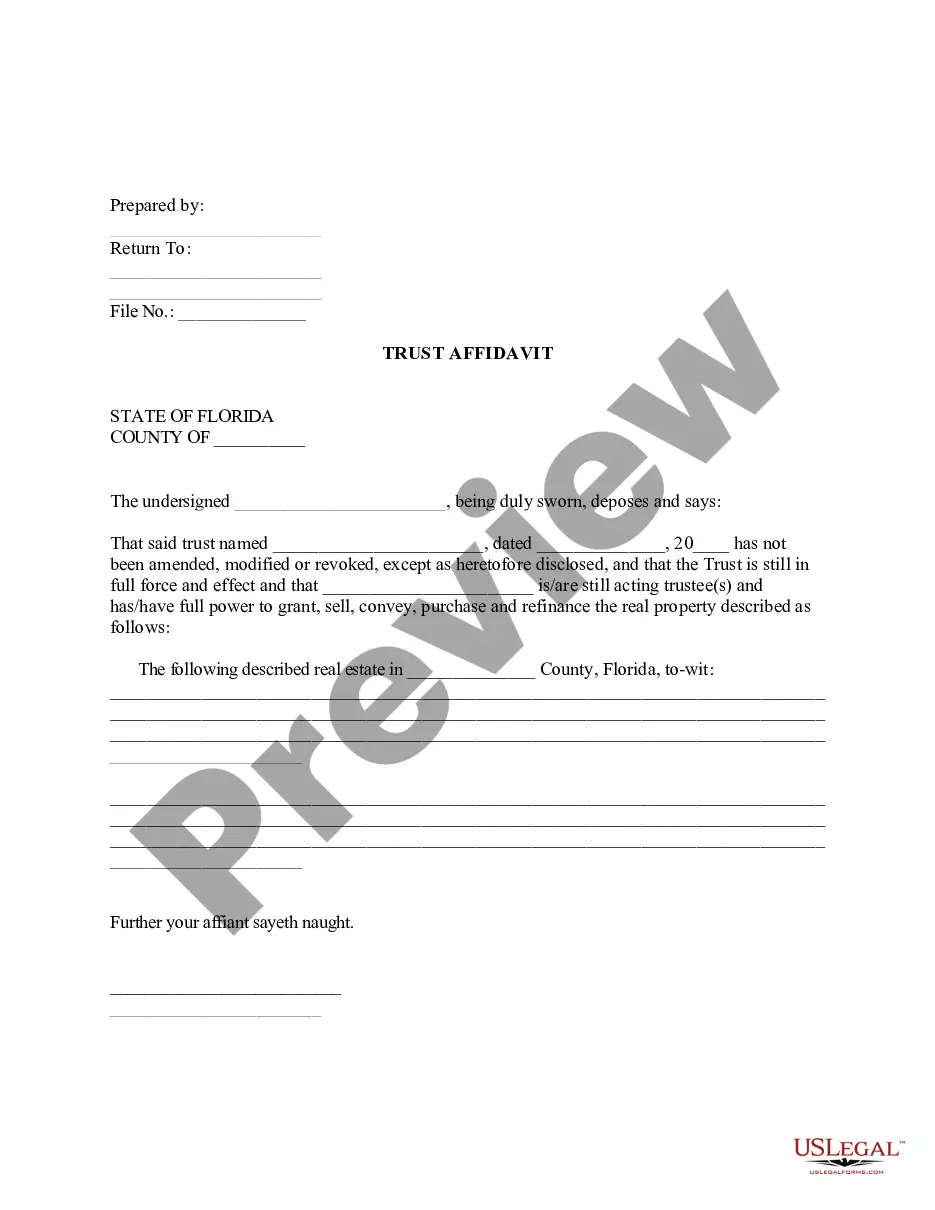
Get your form ready online
Our built-in tools help you complete, sign, share, and store your documents in one place.
Make edits, fill in missing information, and update formatting in US Legal Forms—just like you would in MS Word.
Download a copy, print it, send it by email, or mail it via USPS—whatever works best for your next step.
Sign and collect signatures with our SignNow integration. Send to multiple recipients, set reminders, and more. Go Premium to unlock E-Sign.
If this form requires notarization, complete it online through a secure video call—no need to meet a notary in person or wait for an appointment.
We protect your documents and personal data by following strict security and privacy standards.

Make edits, fill in missing information, and update formatting in US Legal Forms—just like you would in MS Word.

Download a copy, print it, send it by email, or mail it via USPS—whatever works best for your next step.

Sign and collect signatures with our SignNow integration. Send to multiple recipients, set reminders, and more. Go Premium to unlock E-Sign.

If this form requires notarization, complete it online through a secure video call—no need to meet a notary in person or wait for an appointment.

We protect your documents and personal data by following strict security and privacy standards.
Looking for another form?




Form popularity
FAQ
The composition of goods is another common category of deceptive claims. For example, a product advertised as “wool” had better be 100 percent wool; a mixture of wool and synthetic fabrics cannot be advertised as wool.
The Uniform Deceptive Trade Practices Act The Act lists eleven deceptive trade practices, such as bait advertising, and misrepresentations of trade names, the geographical origin of goods, and the standard or quality of goods.
9 See FTC Act Policy Statement on Deceptive Acts and Practices. There must be a representation, omission, or practice that misleads or is likely to mislead the consumer. An act or practice may be found to be deceptive if there is a representation, omission, or practice that misleads or is likely to mislead a consumer.
In California, there are laws to help victims that have been defrauded to recover damages for any type of intentional fraud or negligent representation. Certain legal elements and specific facts must be alleged with particularity in a civil complaint.
An act or practice is unfair when it (1) causes or is likely to cause substantial injury to consumers, (2) cannot be reasonably avoided by consumers, and (3) is not outweighed by countervailing benefits to consumers or to competition. Congress codified the three-part unfairness test in 1994.
(These practices are commonly called misleading or unfair business practices.) They include false advertising, misrepresentation, tied selling, and failing to comply with regulations. Under consumer protection laws, they are illegal and can lead to compensatory or punitive damages.
The essence of an unfair competition claim under New York law is that the defendant misappropriated the fruit of plaintiff's labors and expenditures by obtaining access to plaintiff's business idea either through fraud or deception, or an abuse of a fiduciary or confidential relationship.
Section 5 of the Federal Trade Commission Act (FTC Act) (15 USC 45) prohibits ''unfair or deceptive acts or practices in or affecting commerce. '' The prohibition applies to all persons engaged in commerce, including banks.
It's illegal for a salesperson to make false or misleading statements about a product or a service or withhold any information about it in an attempt to convince you to buy it, to sell merchandise "as is", to try to pass a used product off as a new one, or for them to try to sell an item using what is referred to as a ...
New York Consolidated Laws, General Business Law - GBS § 349. Deceptive acts and practices unlawful. (a) Deceptive acts or practices in the conduct of any business, trade or commerce or in the furnishing of any service in this state are hereby declared unlawful.