Deceptive Trade For In Chicago
Description

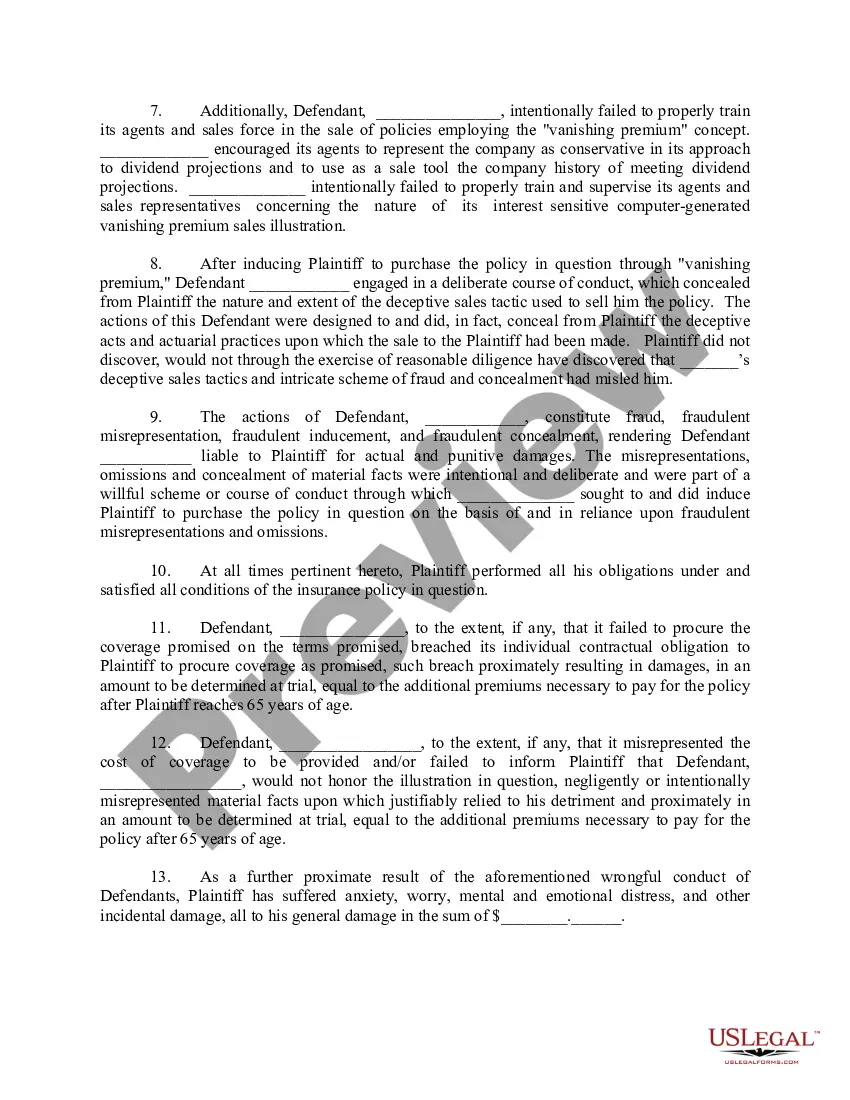
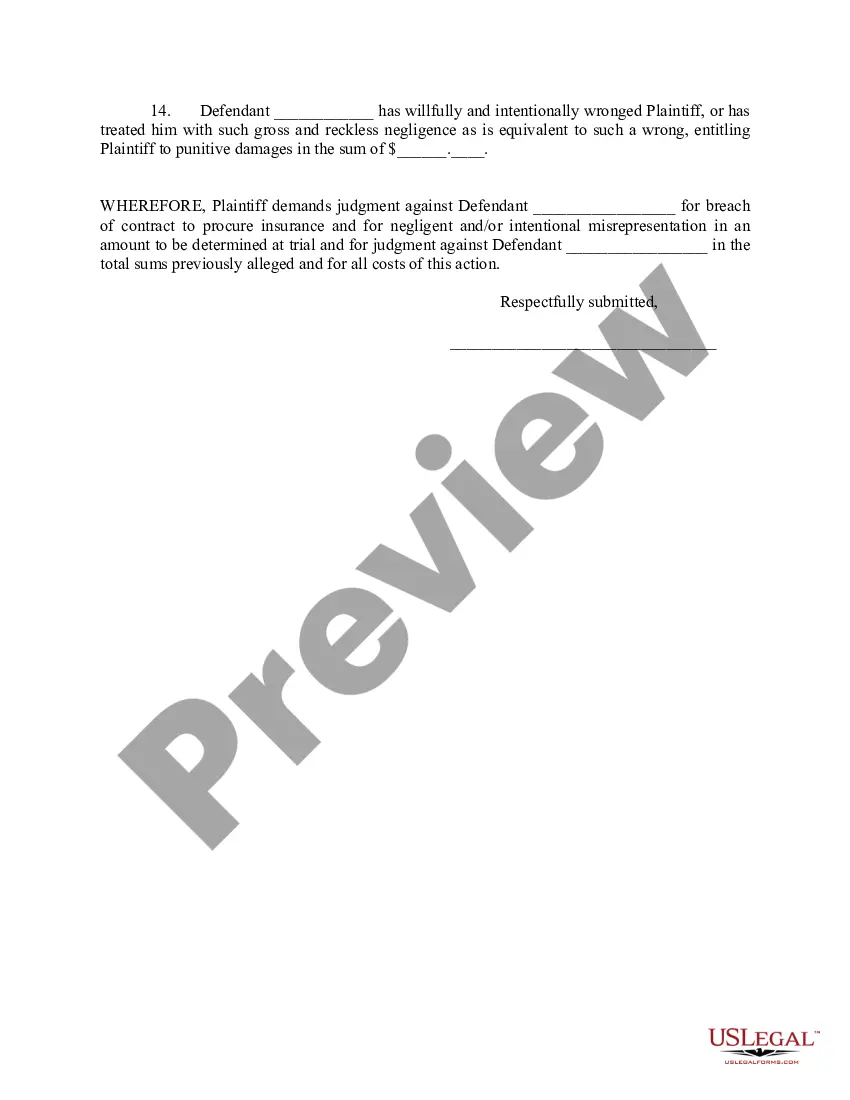



Get your form ready online
Our built-in tools help you complete, sign, share, and store your documents in one place.
Make edits, fill in missing information, and update formatting in US Legal Forms—just like you would in MS Word.
Download a copy, print it, send it by email, or mail it via USPS—whatever works best for your next step.
Sign and collect signatures with our SignNow integration. Send to multiple recipients, set reminders, and more. Go Premium to unlock E-Sign.
If this form requires notarization, complete it online through a secure video call—no need to meet a notary in person or wait for an appointment.
We protect your documents and personal data by following strict security and privacy standards.

Make edits, fill in missing information, and update formatting in US Legal Forms—just like you would in MS Word.

Download a copy, print it, send it by email, or mail it via USPS—whatever works best for your next step.

Sign and collect signatures with our SignNow integration. Send to multiple recipients, set reminders, and more. Go Premium to unlock E-Sign.

If this form requires notarization, complete it online through a secure video call—no need to meet a notary in person or wait for an appointment.

We protect your documents and personal data by following strict security and privacy standards.
Looking for another form?









Form popularity
FAQ
Consumers are urged to use 311 to report fraud or other possible illegal practices by businesses or contractors located in Chicago.
If you get caught engaging in false advertising, your business could face costly product recalls, fines, and loss of revenue.
The ICFA makes it illegal for a defendant to engage in any deceptive or unfair act or practice in the course of commerce.
Illinois Code Chapter 815, 505/1 through 505/12 is commonly known as the Consumer Fraud and Deceptive Business Practices Act (“Act”). This is a law that is meant to protect consumers from businesses that engage in unfair methods of competition and unfair acts during the conduct of commerce or trade.
To establish that an advertisement is false, a plaintiff must prove five things: (1) a false statement of fact has been made about the advertiser's own or another person's goods, services, or commercial activity; (2) the statement either deceives or has the potential to deceive a substantial portion of its targeted ...
A person commits deceptive practice when he or she has the intent to defraud another person and does any of the following: Knowingly causes another person, by threat or deception, to execute a document, which disposes the victim of a property or incurs a pecuniary obligation.
There is a deadline to file a lawsuit for false advertising claims. It is known as the statute of limitations. In Illinois, the statute of limitations is generally three years for false advertising claims.
You can file a complaint with the state attorney general's office and report them for unfair and deceptive business practices and let the attorney general come in and investigate the company, but this would not give you right to sue the employer for anything.
The Attorney General's Office takes consumer complaints and can engage in informal dispute resolution on behalf of consumers having problems with: Purchases. Identity Theft. Health Care Services or Providers.