Deceptive Trade Practices In Texas In California
Description


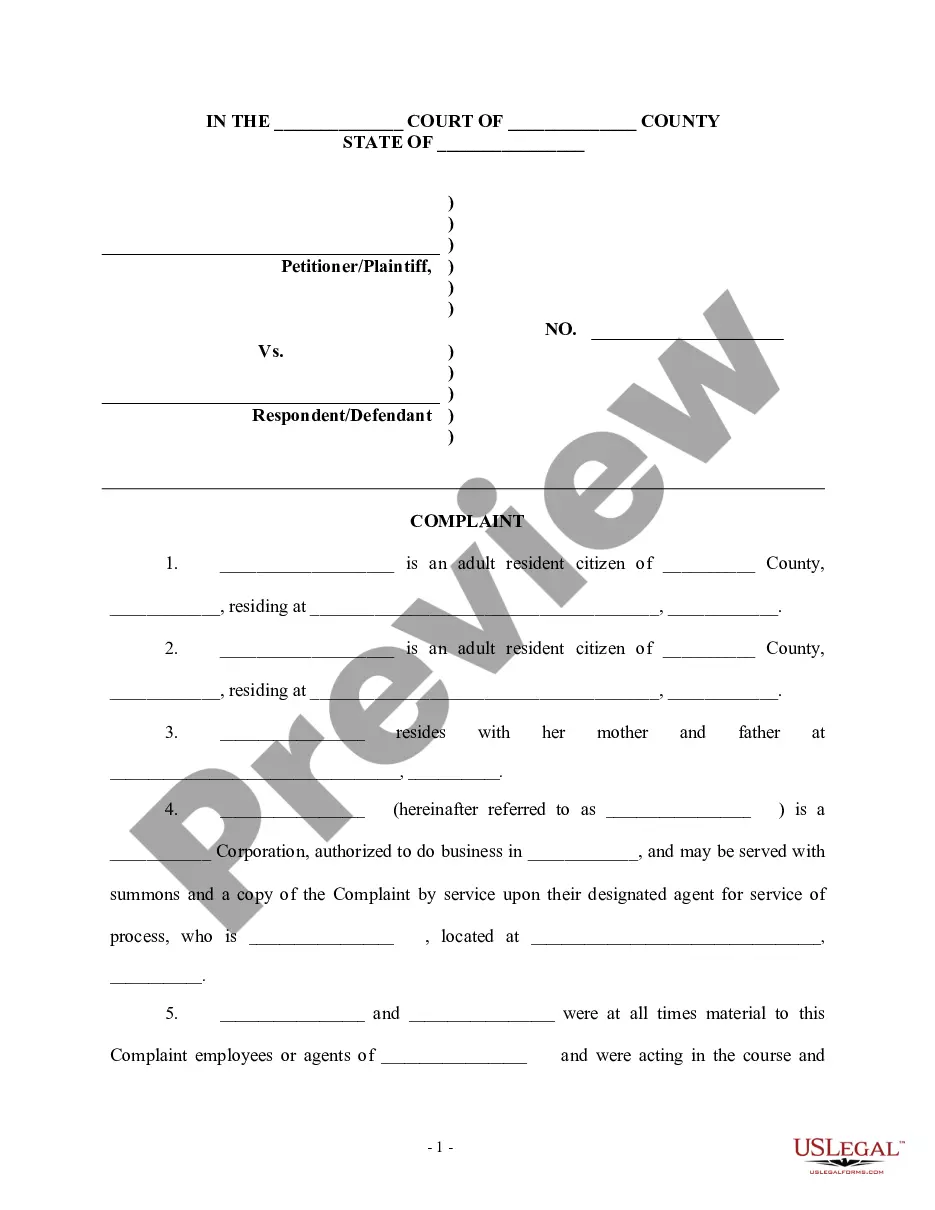

Get your form ready online
Our built-in tools help you complete, sign, share, and store your documents in one place.
Make edits, fill in missing information, and update formatting in US Legal Forms—just like you would in MS Word.
Download a copy, print it, send it by email, or mail it via USPS—whatever works best for your next step.
Sign and collect signatures with our SignNow integration. Send to multiple recipients, set reminders, and more. Go Premium to unlock E-Sign.
If this form requires notarization, complete it online through a secure video call—no need to meet a notary in person or wait for an appointment.
We protect your documents and personal data by following strict security and privacy standards.

Make edits, fill in missing information, and update formatting in US Legal Forms—just like you would in MS Word.

Download a copy, print it, send it by email, or mail it via USPS—whatever works best for your next step.

Sign and collect signatures with our SignNow integration. Send to multiple recipients, set reminders, and more. Go Premium to unlock E-Sign.

If this form requires notarization, complete it online through a secure video call—no need to meet a notary in person or wait for an appointment.

We protect your documents and personal data by following strict security and privacy standards.
Looking for another form?
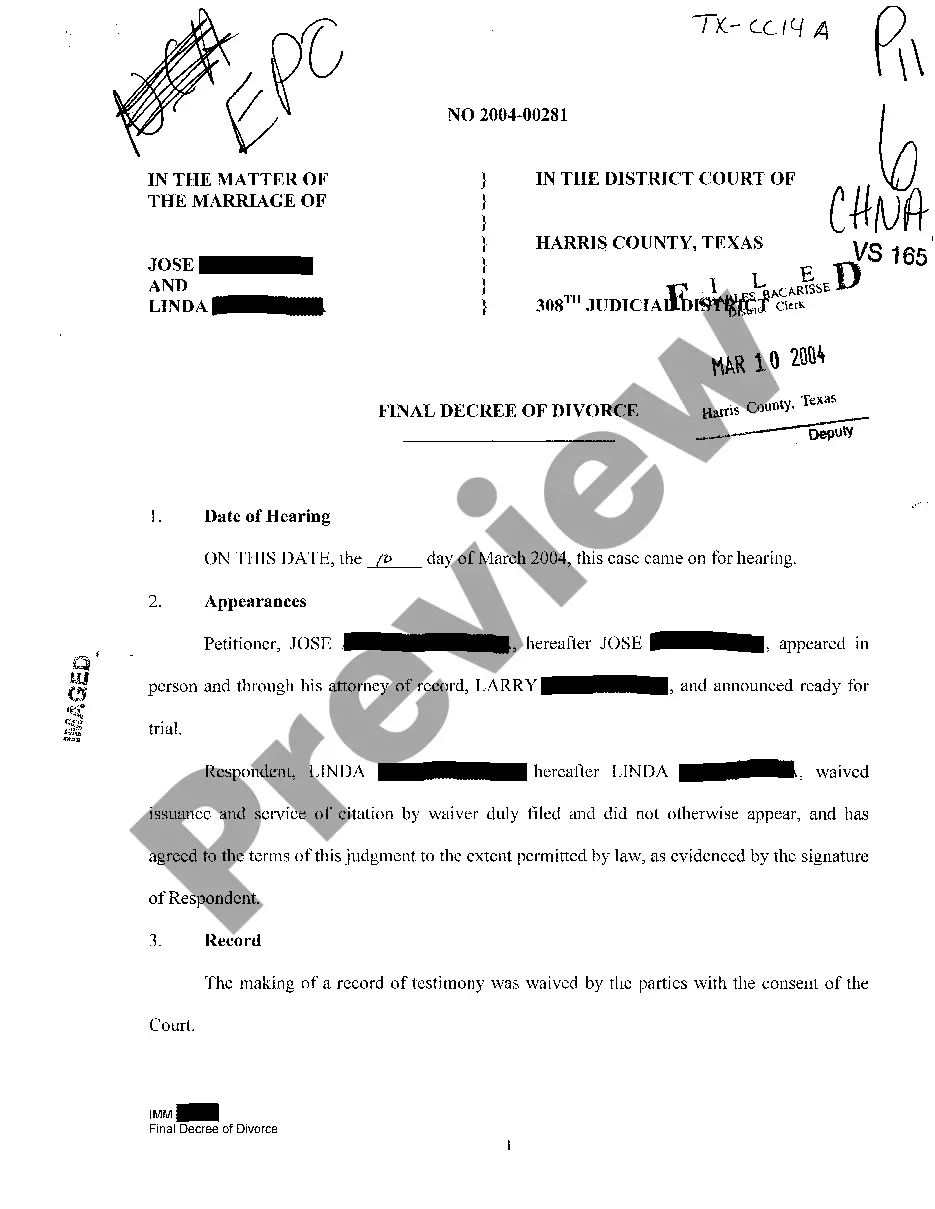






Form popularity
FAQ
California has not adopted the Uniform Deceptive Trade Practices Act. Deceptive trade practices in the state are dealt under California Business and Professions Code § 17500 et seq. Sections 17500, 17500.5 and 17505 prohibit false advertisements.
In order to sue under the DTPA, several elements must be met. The elements of a DTPA action include that the plaintiff must be a consumer, the defendant must have committed one of the proscribed acts under the DTPA, and the defendant's actions must have been the producing cause of the plaintiff's harm.
(These practices are commonly called misleading or unfair business practices.) They include false advertising, misrepresentation, tied selling, and failing to comply with regulations. Under consumer protection laws, they are illegal and can lead to compensatory or punitive damages.
The Texas Deceptive Trade Practices Act (the “DTPA”) is a powerful statute that provides consumers of goods or services (including real estate) with relief for certain acts by the Sellers of such goods or real property, such as a residential home.
The Texas Public Information Act assures that government entities give citizens access to information about the business government officials are conducting on their behalf—information that enables the people of Texas to observe how their government works and to hold their public officials accountable.
Explanation: The most likely action to be a violation of the Texas Deceptive Trade Practices-Consumer Protection Act would be misleading advertising. This act prohibits false, misleading, or deceptive acts or practices in connection with the sale of goods or services.
Department of Consumer Affairs. File a complaint online at .dca.ca or call 800.952. 5210 to have a complaint form mailed to you. California Attorney General's Office.
United States when the California Fair Trade Act of 1931 was amended in 1933 to include a so-called nonsigners' clause, whereby prices agreed upon by a manufacturer and contracting dealers were made binding upon all resellers. Influenced by the depressed markets of the 1930s, 44 states enacted similar laws, which…
California Trade practice act (Chapter 338) enacted in 1996. The law in California prohibits unethical home inspection practices, including repairing properties that home inspectors have inspected in the previous 12 months.
When you are ready to file a DTPA lawsuit in Texas, you can't go straight to the courthouse to file your claim. The Deceptive Trade Practices Act requires that you give written notice of your problem to the business at least 60 days before you can file the suit in court.