Fraud In Trade In Bronx
Description


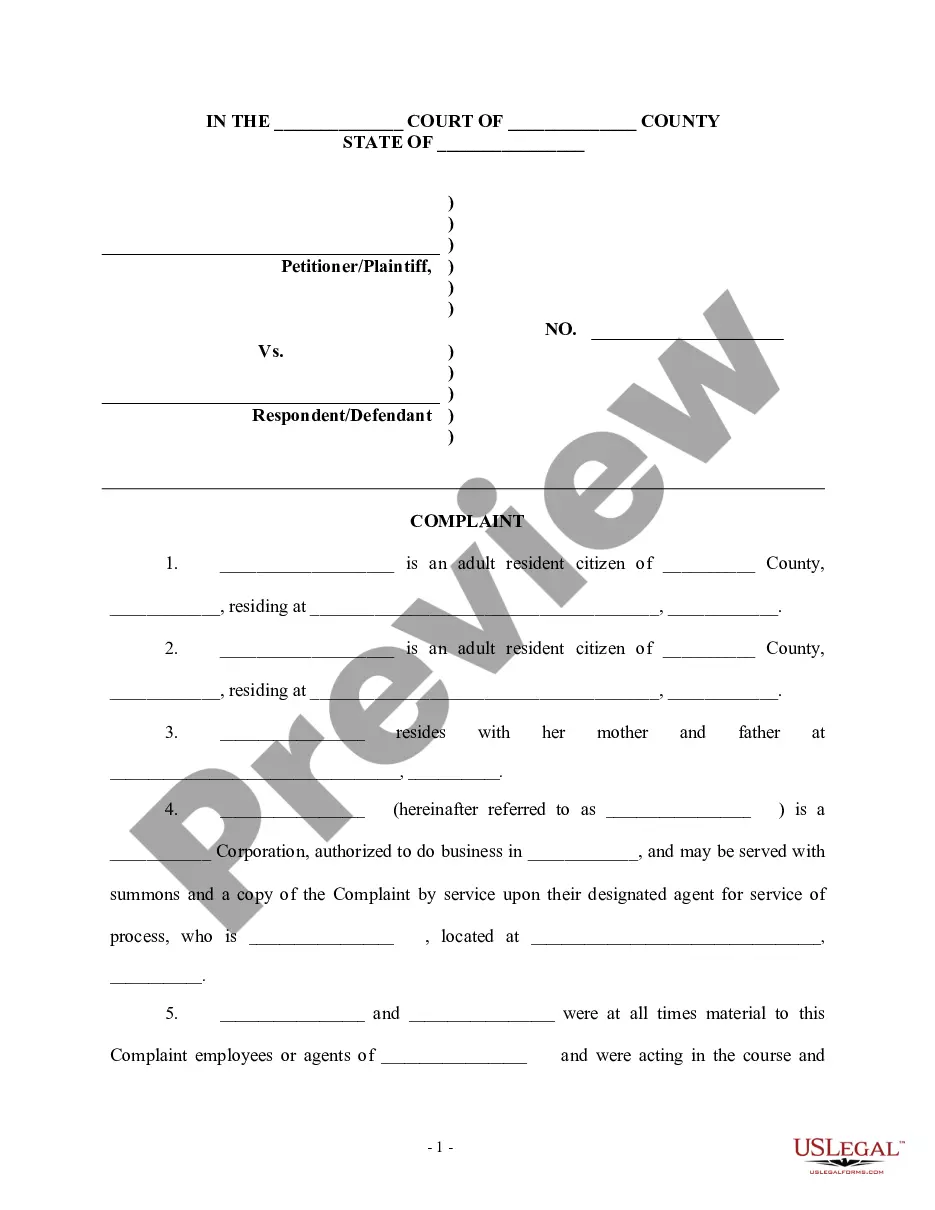

Get your form ready online
Our built-in tools help you complete, sign, share, and store your documents in one place.
Make edits, fill in missing information, and update formatting in US Legal Forms—just like you would in MS Word.
Download a copy, print it, send it by email, or mail it via USPS—whatever works best for your next step.
Sign and collect signatures with our SignNow integration. Send to multiple recipients, set reminders, and more. Go Premium to unlock E-Sign.
If this form requires notarization, complete it online through a secure video call—no need to meet a notary in person or wait for an appointment.
We protect your documents and personal data by following strict security and privacy standards.

Make edits, fill in missing information, and update formatting in US Legal Forms—just like you would in MS Word.

Download a copy, print it, send it by email, or mail it via USPS—whatever works best for your next step.

Sign and collect signatures with our SignNow integration. Send to multiple recipients, set reminders, and more. Go Premium to unlock E-Sign.

If this form requires notarization, complete it online through a secure video call—no need to meet a notary in person or wait for an appointment.

We protect your documents and personal data by following strict security and privacy standards.
Looking for another form?









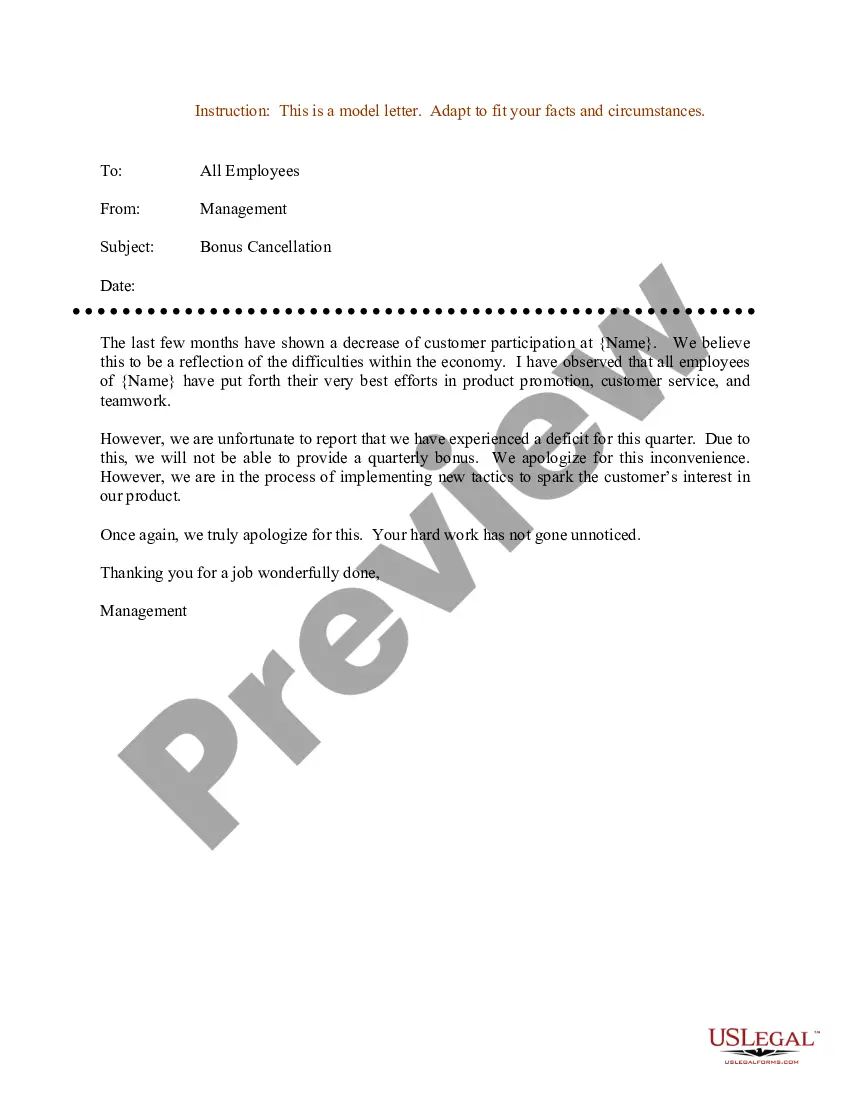
Form popularity
FAQ
The FTC's Bureau of Consumer Protection stops unfair, deceptive and fraudulent business practices by collecting reports from consumers and conducting investigations, suing companies and people that break the law, developing rules to maintain a fair marketplace, and educating consumers and businesses about their rights ...
Call 311 or 212-NEW-YORK (212-639-9675) for help.
When you report a scam to the FTC, investigators use your information to build cases against scammers. Other law enforcement agencies can see the reports, too, and use them to further their own investigations. Your story makes a difference.
Use FINRA's online form to report any potentially fraudulent or suspicious activities by brokerage firms or brokers.
Learn more about common fraud schemes that target consumers, including identity theft, non-delivery scams, online car buying scams, and theft of ATM/debit and credit cards.
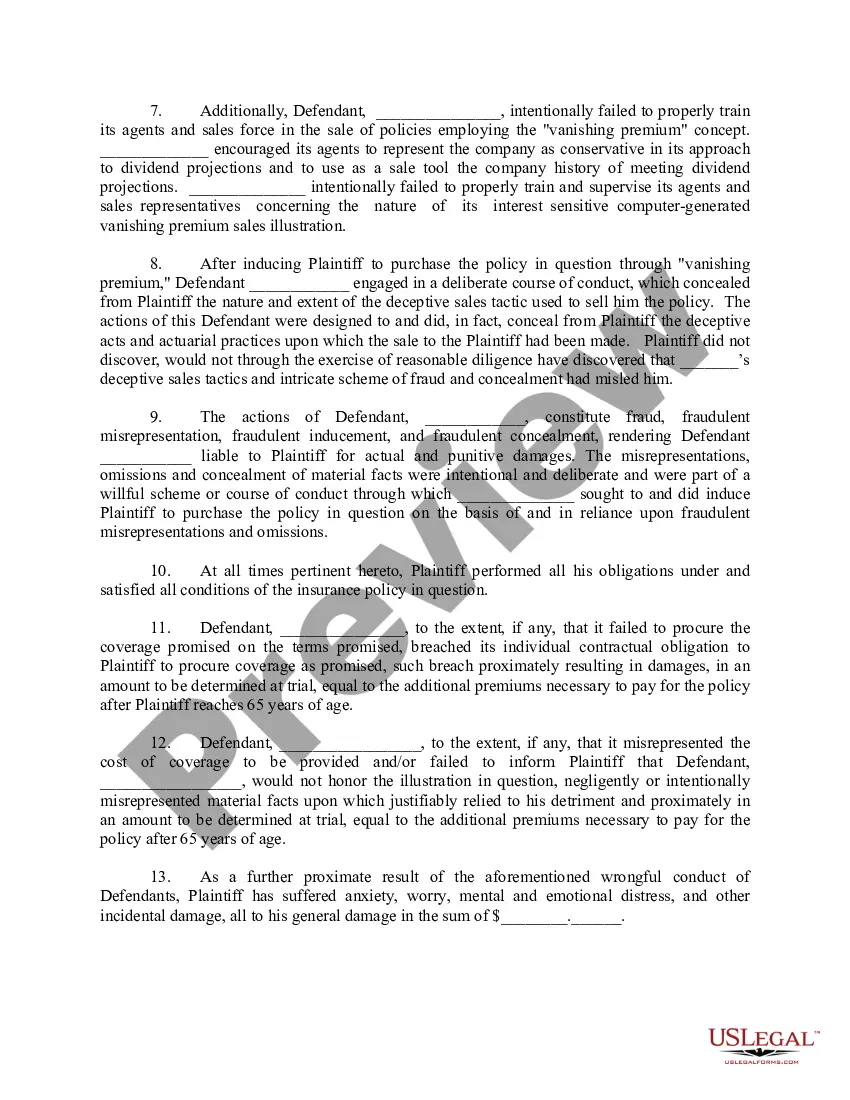
To state a claim for fraud or fraudulent misrepresentation under New York law, a plaintiff must show: “(1) the defendant made a material false representation, (2) the defendant intended to defraud the plaintiffs thereby, (3) the plaintiffs reasonably relied upon the representation, and (4) the plaintiffs suffered ...
The Statute of Frauds, codified in Section 5-701 of the New York General Obligations Law mandates that certain types of contracts be in writing to be enforceable, including agreements that cannot be fully performed within one year from the date of formation.
Under New York law, the five elements of a fraud claim must be shown by clear and convincing evidence: (1) a material misrepresentation or omission of fact (2) made by defendant with knowledge of its falsity (3) and intent to defraud; (4) reasonable reliance on the part of the plaintiff; and (5) resulting damage to the ...
Call 311 or 212-NEW-YORK (212-639-9675) for help.
What can I report? Report anything you think may be a fraud, scam, or bad business practice. For ideas of what you might report to the FTC, check out consumer.ftc for more information and advice, or take a look at the FTC's latest cases at ftc. Start your report now.