Unfair Trade Practices In Consumer Protection Act In Alameda
Description

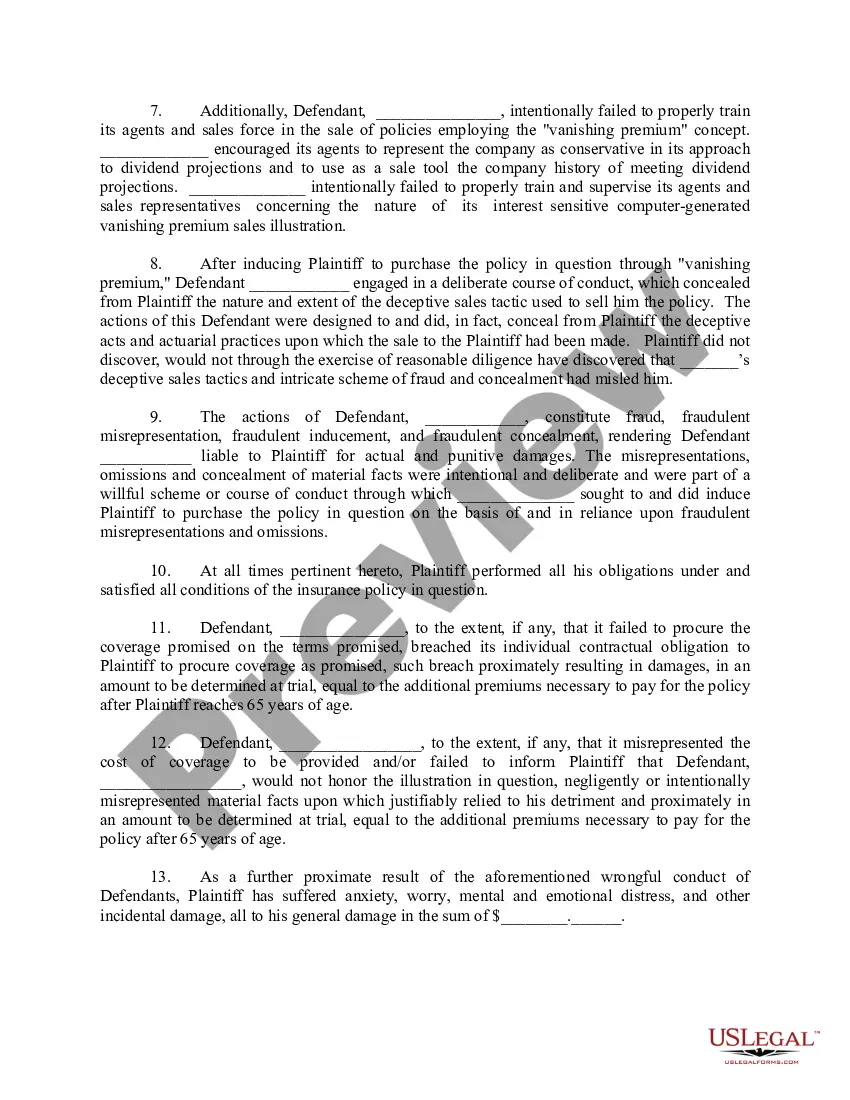



Get your form ready online
Our built-in tools help you complete, sign, share, and store your documents in one place.
Make edits, fill in missing information, and update formatting in US Legal Forms—just like you would in MS Word.
Download a copy, print it, send it by email, or mail it via USPS—whatever works best for your next step.
Sign and collect signatures with our SignNow integration. Send to multiple recipients, set reminders, and more. Go Premium to unlock E-Sign.
If this form requires notarization, complete it online through a secure video call—no need to meet a notary in person or wait for an appointment.
We protect your documents and personal data by following strict security and privacy standards.

Make edits, fill in missing information, and update formatting in US Legal Forms—just like you would in MS Word.

Download a copy, print it, send it by email, or mail it via USPS—whatever works best for your next step.

Sign and collect signatures with our SignNow integration. Send to multiple recipients, set reminders, and more. Go Premium to unlock E-Sign.

If this form requires notarization, complete it online through a secure video call—no need to meet a notary in person or wait for an appointment.

We protect your documents and personal data by following strict security and privacy standards.
Looking for another form?





Form popularity
FAQ
The FTC's Bureau of Consumer Protection stops unfair, deceptive and fraudulent business practices by collecting reports from consumers and conducting investigations, suing companies and people that break the law, developing rules to maintain a fair marketplace, and educating consumers and businesses about their rights ...
File a complaint with your local consumer protection office or the state agency that regulates the company. Notify the Better Business Bureau (BBB) in your area about your problem. The BBB tries to resolve your complaints against companies.
The UCL forbids "unlawful, unfair or fraudulent" conduct in connection with virtually any type of business activity. With its sweeping liability standards and broad equitable remedies, the UCL is often the weapon of choice for plaintiffs' lawyers and is almost uniformly invoked by prosecutors in consumer cases.
The law describes “unfair competition” as any unlawful, unfair, or fraudulent business act or practice, or false, deceptive, or misleading advertising. To pursue lawsuits under California's unfair competition law, a consumer or business must prove suffering and financial or property losses due to an unfair practice.
An act or practice is unfair when it (1) causes or is likely to cause substantial injury to consumers, (2) cannot be reasonably avoided by consumers, and (3) is not outweighed by countervailing benefits to consumers or to competition. Congress codified the three-part unfairness test in 1994.
The CPRs contain a general prohibition of unfair commercial practices and, in particular, contain prohibitions of misleading and aggressive commercial practices. They also prohibit 31 specific commercial practices that are listed in chapter 6 on banned practices.
The phrase unfair trade practices can be defined as any business practice or act that is deceptive, fraudulent, or causes injury to a consumer. These practices can include acts that are deemed unlawful, such as those that violate a consumer protection law.