Jury Trial Demand Without Jury In New York
Description
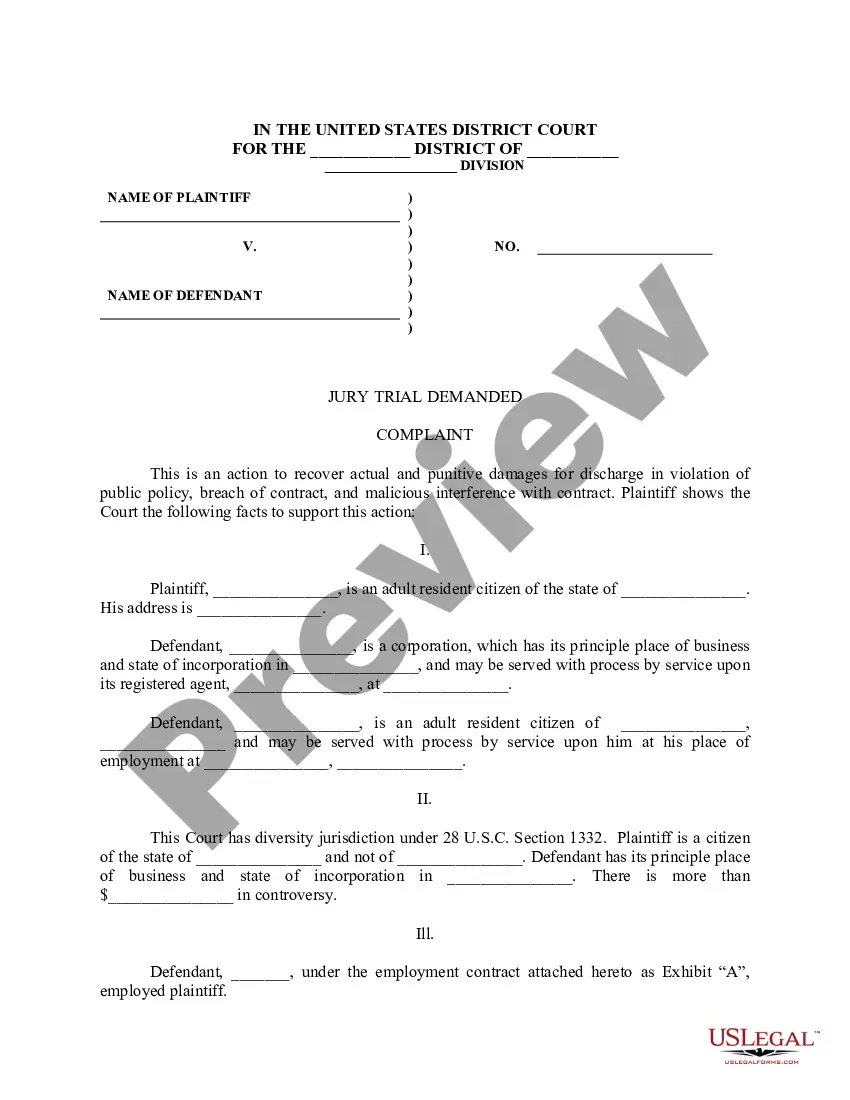
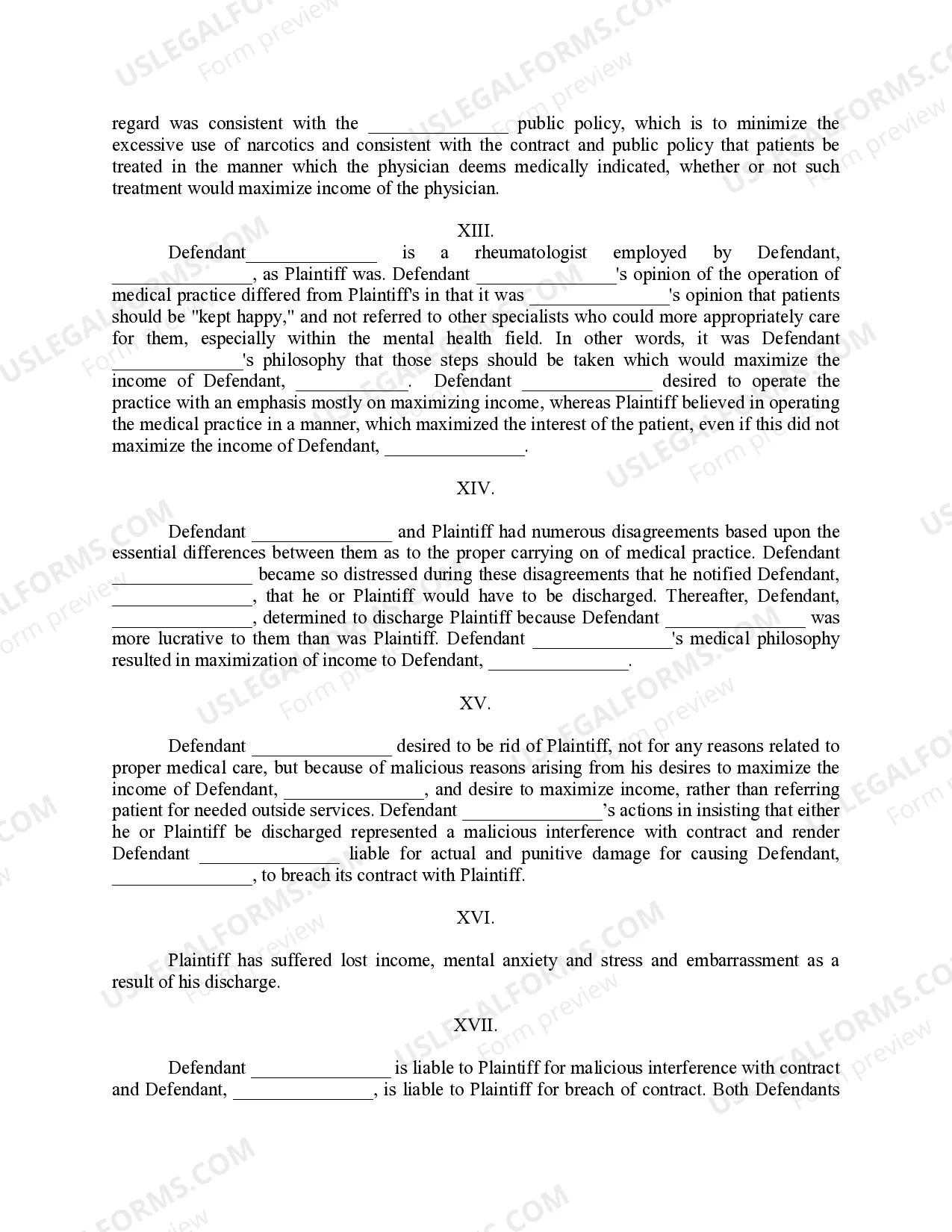
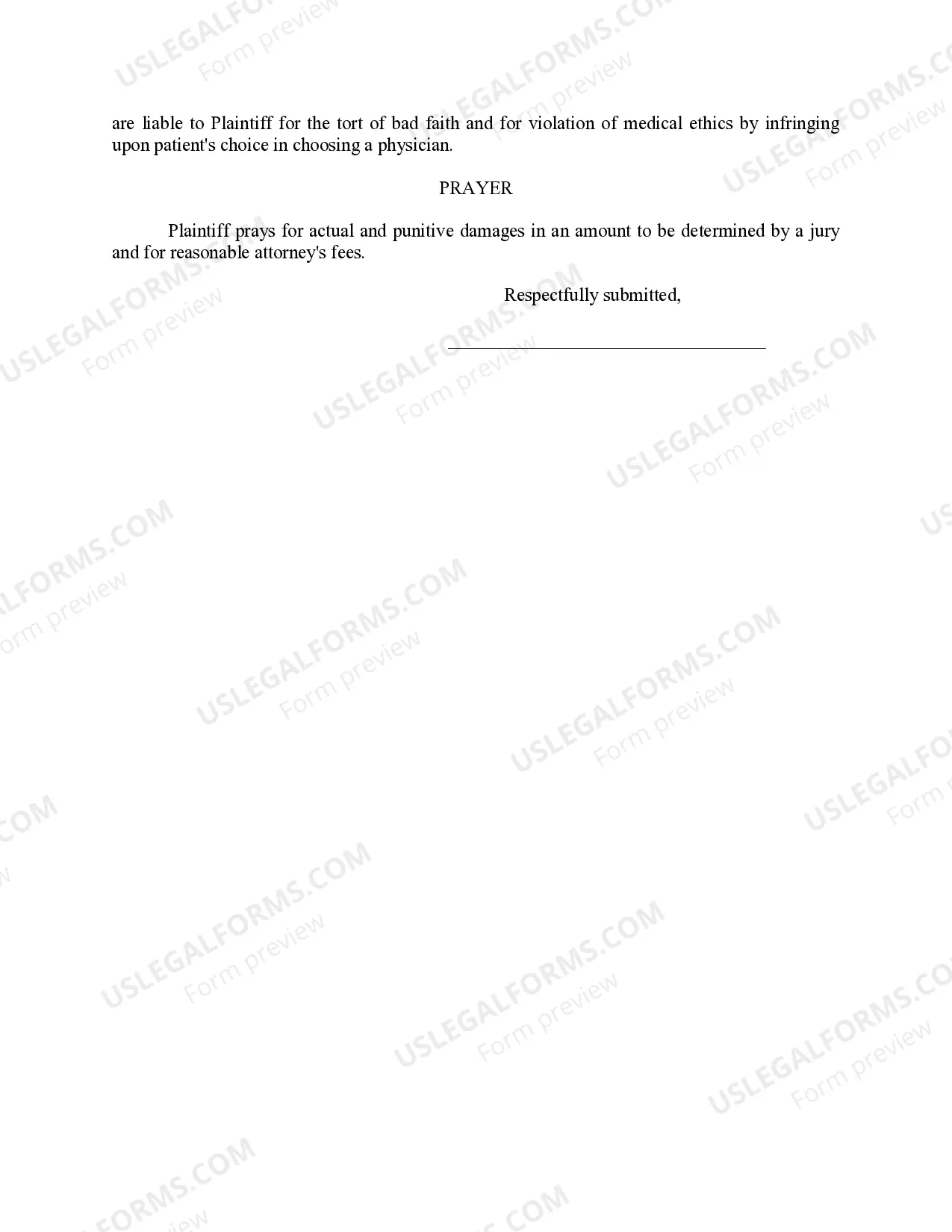
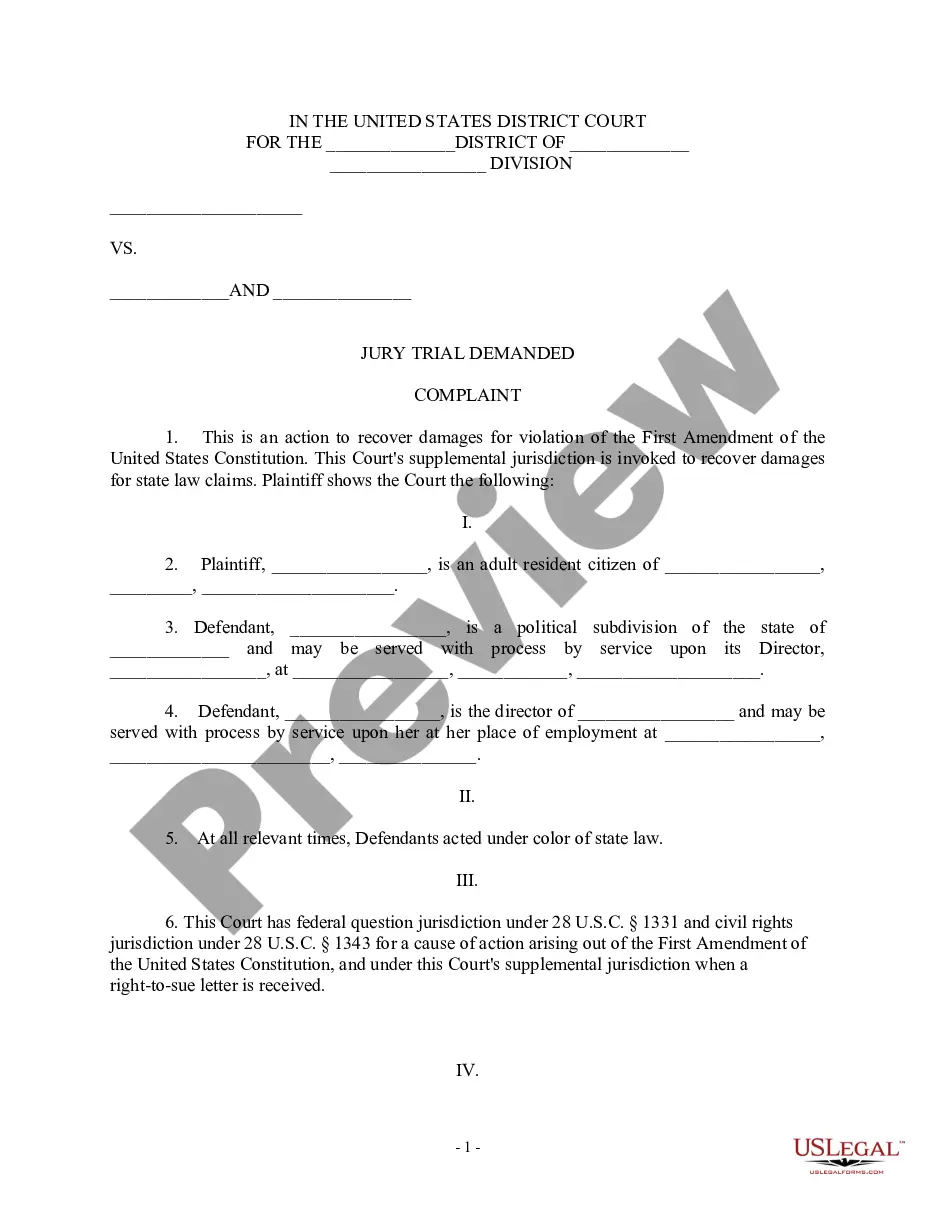
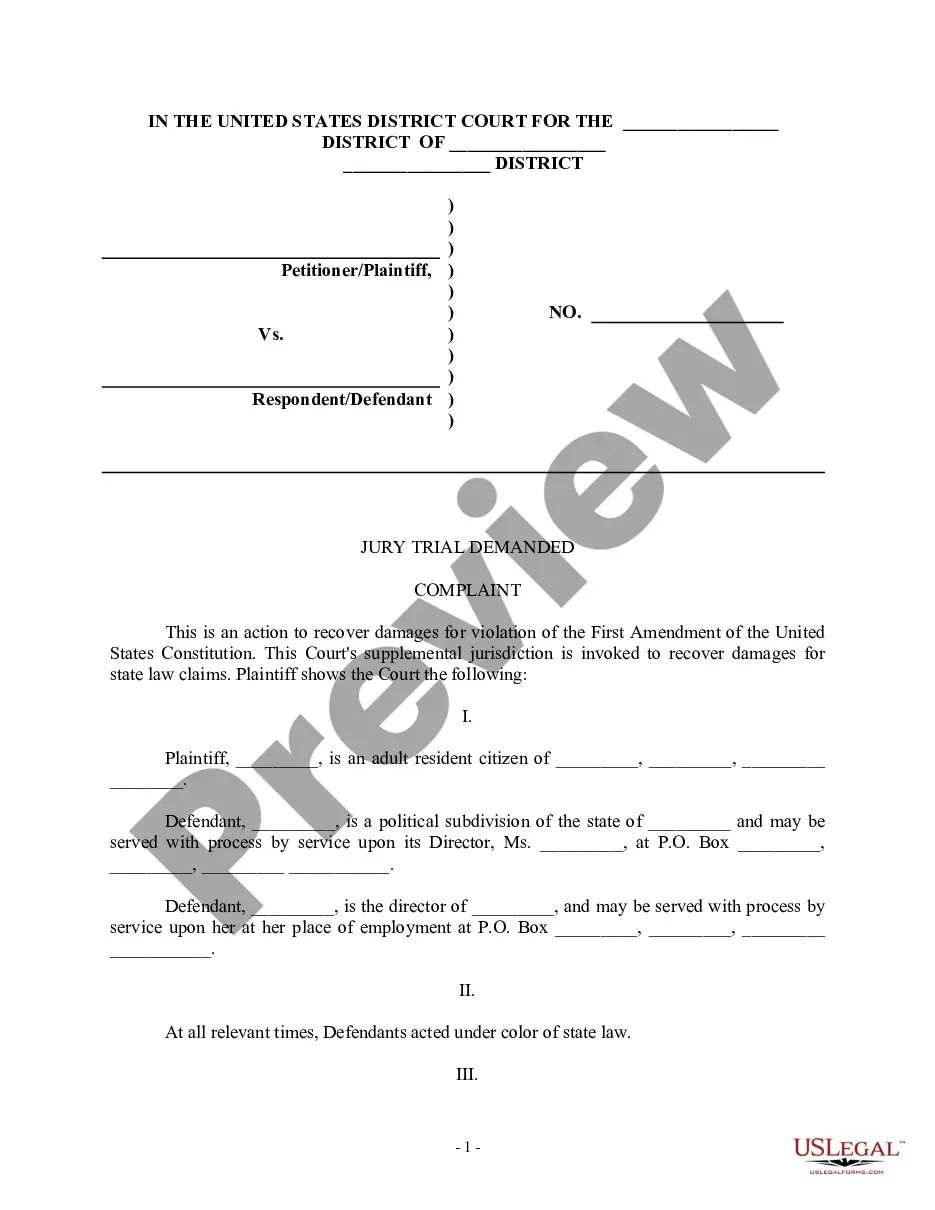
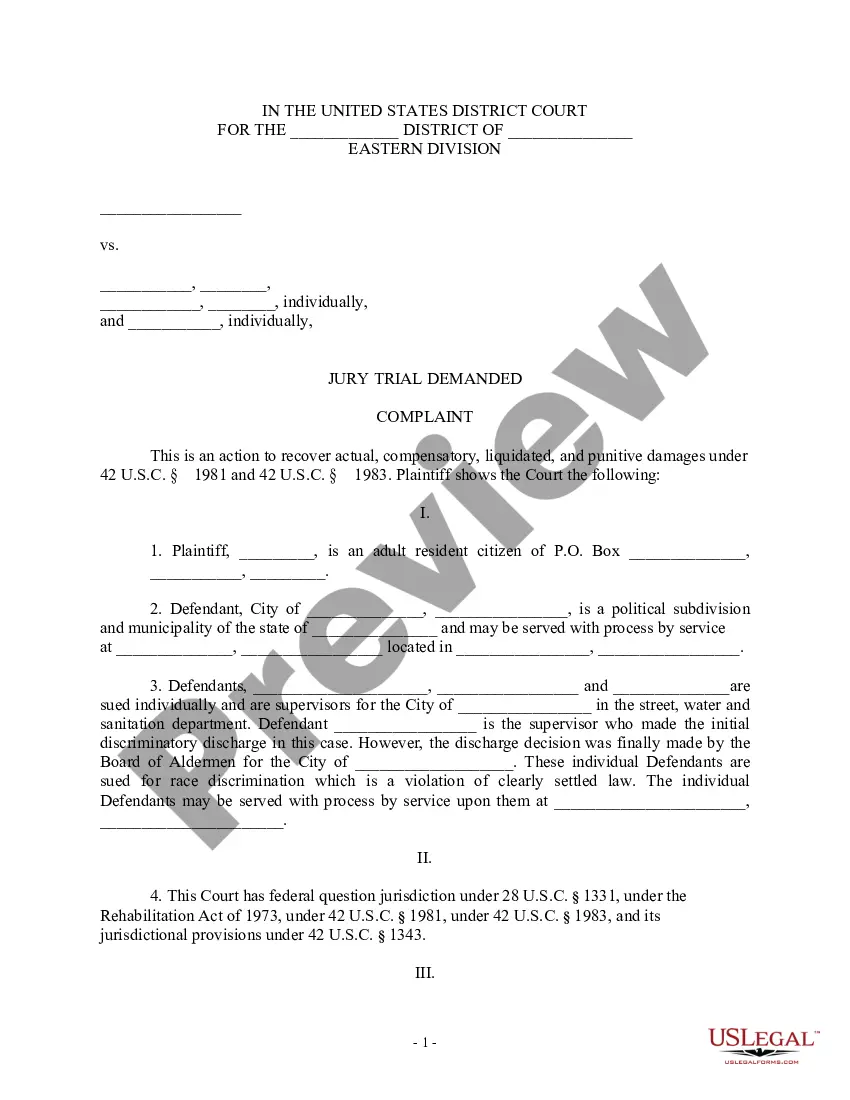
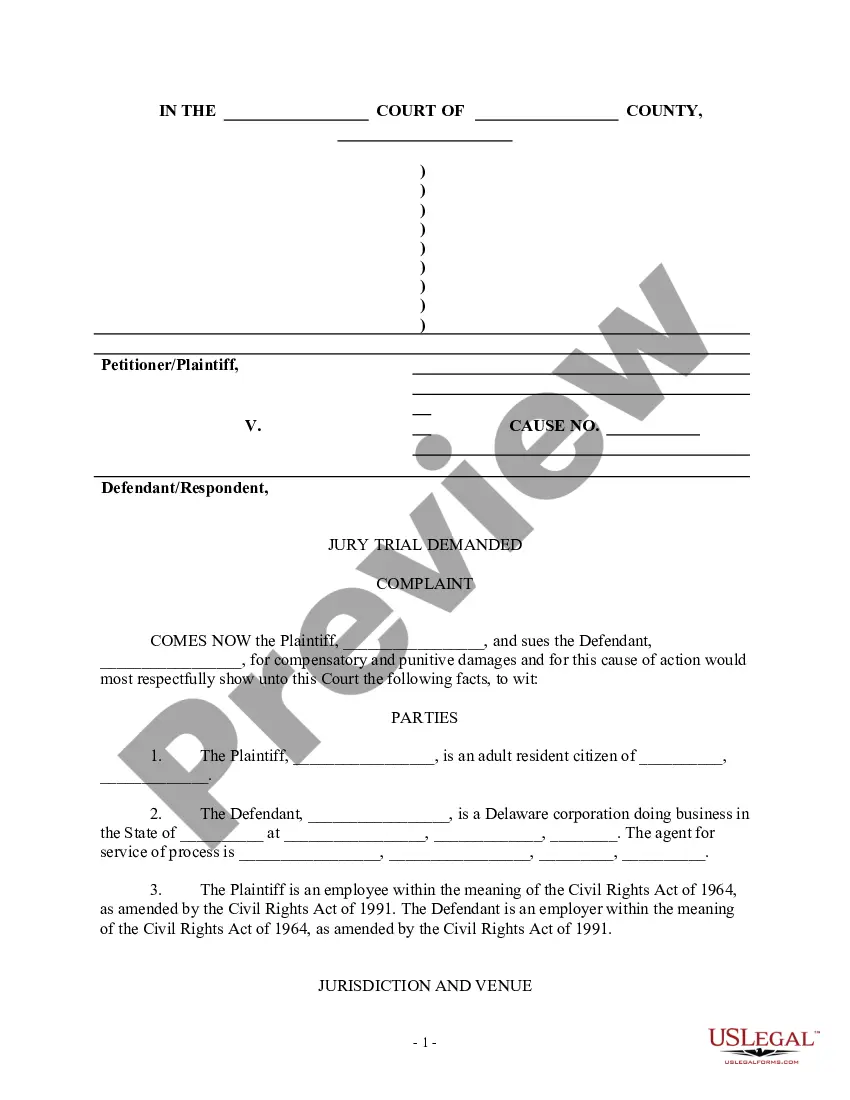
Get your form ready online
Our built-in tools help you complete, sign, share, and store your documents in one place.
Make edits, fill in missing information, and update formatting in US Legal Forms—just like you would in MS Word.
Download a copy, print it, send it by email, or mail it via USPS—whatever works best for your next step.
Sign and collect signatures with our SignNow integration. Send to multiple recipients, set reminders, and more. Go Premium to unlock E-Sign.
If this form requires notarization, complete it online through a secure video call—no need to meet a notary in person or wait for an appointment.
We protect your documents and personal data by following strict security and privacy standards.

Make edits, fill in missing information, and update formatting in US Legal Forms—just like you would in MS Word.

Download a copy, print it, send it by email, or mail it via USPS—whatever works best for your next step.

Sign and collect signatures with our SignNow integration. Send to multiple recipients, set reminders, and more. Go Premium to unlock E-Sign.

If this form requires notarization, complete it online through a secure video call—no need to meet a notary in person or wait for an appointment.

We protect your documents and personal data by following strict security and privacy standards.
Looking for another form?
Form popularity
FAQ
Article I, Section 16 of the State Constitution of California says, “A trial by jury is an inviolate right and shall be secured to all. A jury may be waived in a criminal cause by the consent of both parties expressed in open court by the defendant and the defendant's counsel."
Additionally, certain legal proceedings, such as probation violations or juvenile delinquency cases, typically do not involve juries. Understanding these exceptions is crucial for defendants to make informed decisions about their legal strategies.
JURIES CAN BE SYMPATHETIC Unlike an impartial judge, the panel of individuals on your jury could be swayed by emotion and personal experience. This may work in your favor. If you have been overcharged for the crime in question or are a sympathetic defendant, some jurors may be more likely to back you.
This right is also preserved in Article I, Section 16 of the State Constitution of California. However, there may be times when it's in your best interest to waive your right to a jury trial, whether in favor of a bench trial, where a judge decides your verdict or as part of a plea deal.
Generally, the waiver is enforceable if it is entered into knowingly, intentionally, and voluntarily, the language is clear, unequivocal, and prominently set forth in the agreement, and the parties are of roughly equal bargaining power.
Any party may demand a trial by jury of any issue triable of right by a jury by (1) serving upon the other parties a demand therefor in writing at any time after the commencement of the action and not later than 10 days after the service of the last pleading directed to such issue, and (2) filing the demand as required ...
A jury trial may be waived by the defendant in all criminal cases. . . by a written instrument signed by the defendant in person in open court before and with the approval of a judge or justice of a court having jurisdiction to try the offense.”
If you cannot serve even if granted a postponement, you may contact your local commissioner of jurors office and ask to be excused from service. The commissioner may ask you to provide documentary proof of the reasons why you need to be excused.
On any issue triable of right by a jury, a party may demand a jury trial by: (1) serving the other parties with a written demand—which may be included in a pleading—no later than 14 days after the last pleading directed to the issue is served; and. (2) filing the demand in ance with Rule 5(d).
Bench trial - Trial without a jury in which a judge decides the facts.