Jury Demand Meaning In Montgomery
Description

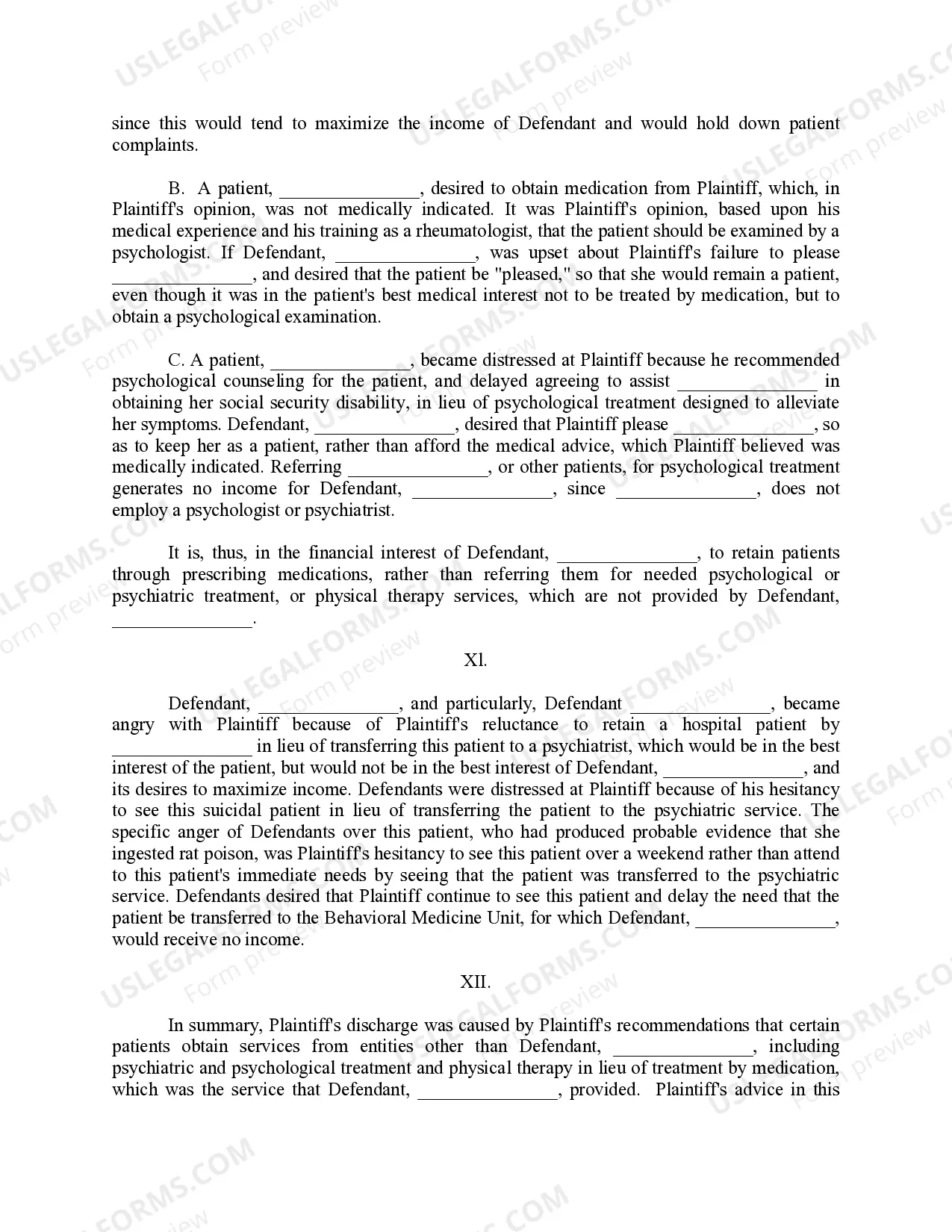
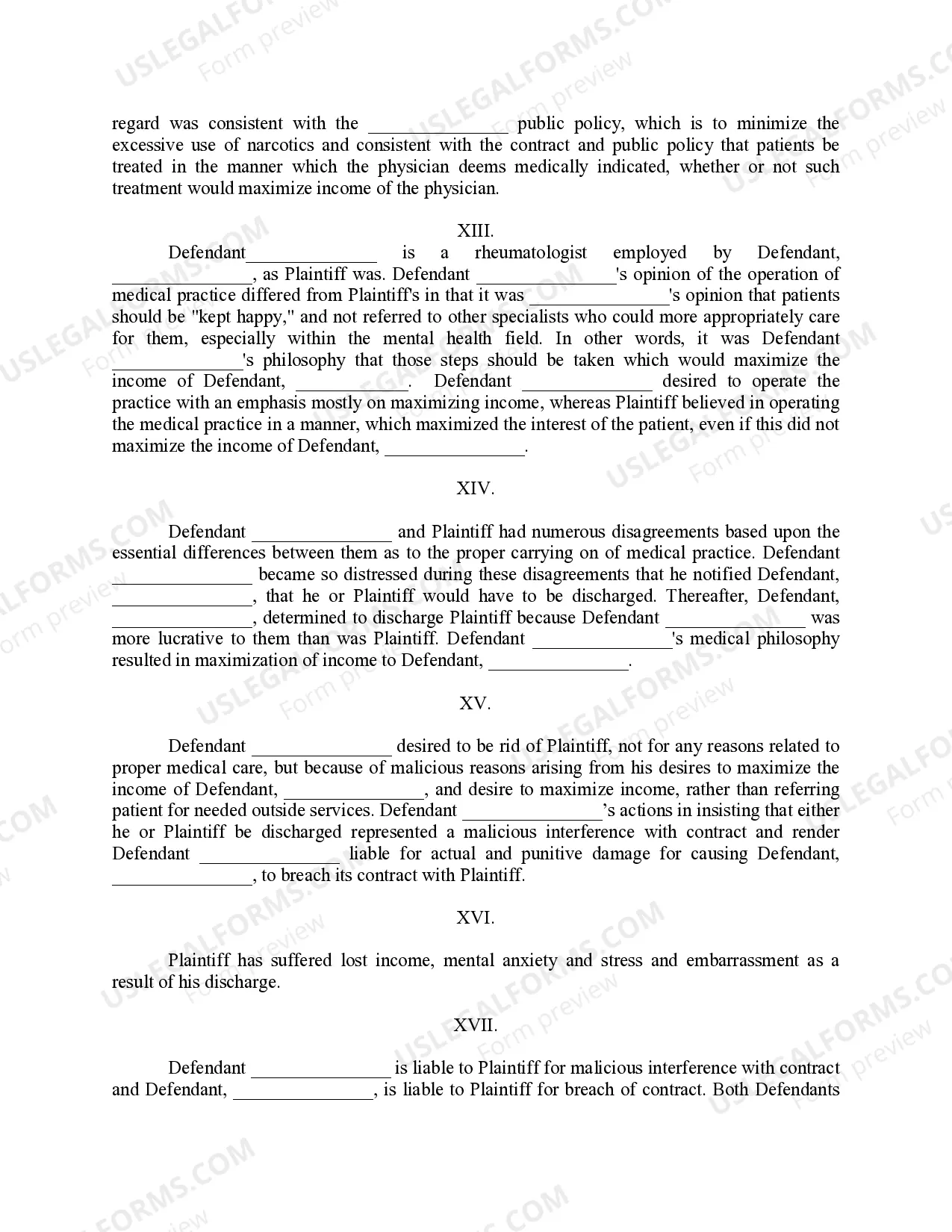




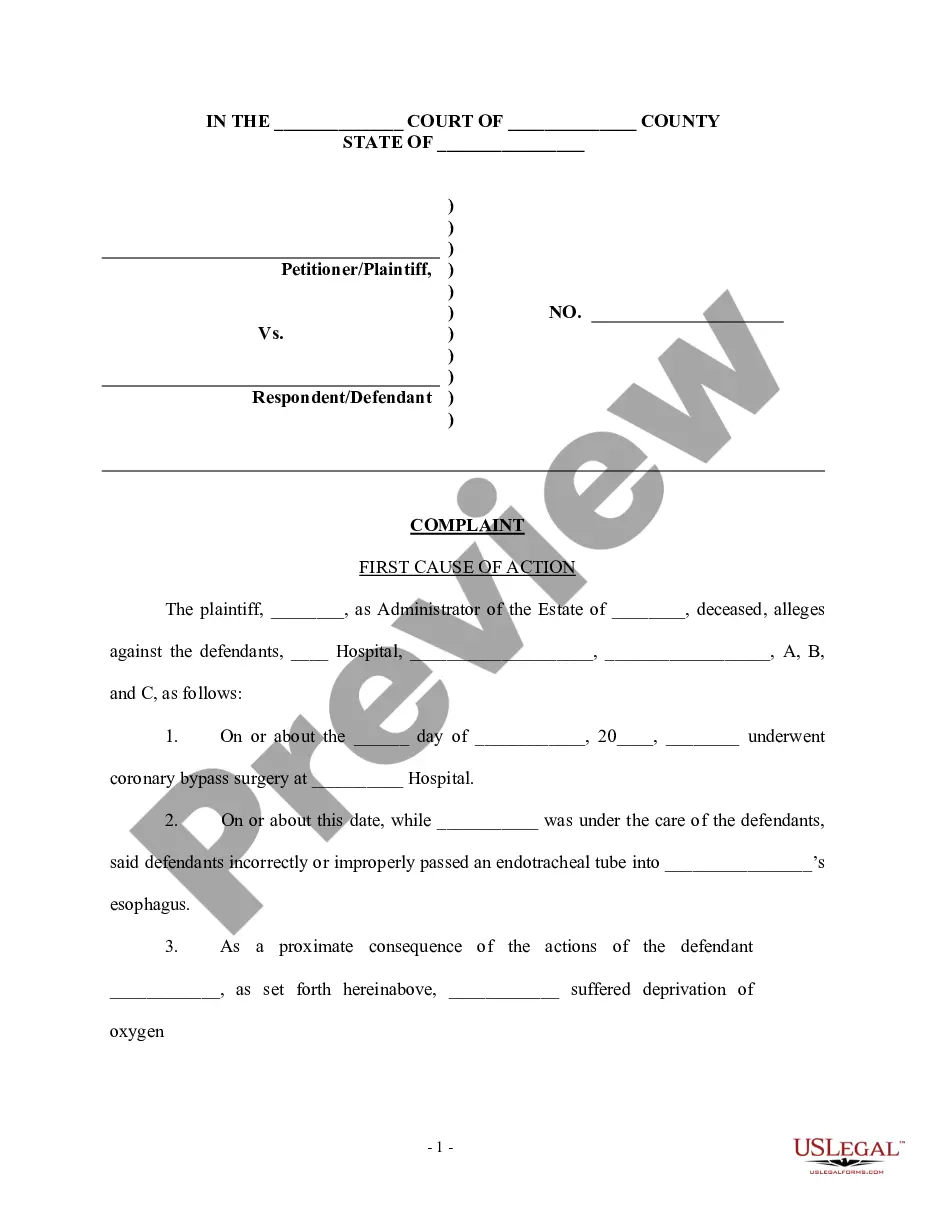
Get your form ready online
Our built-in tools help you complete, sign, share, and store your documents in one place.
Make edits, fill in missing information, and update formatting in US Legal Forms—just like you would in MS Word.
Download a copy, print it, send it by email, or mail it via USPS—whatever works best for your next step.
Sign and collect signatures with our SignNow integration. Send to multiple recipients, set reminders, and more. Go Premium to unlock E-Sign.
If this form requires notarization, complete it online through a secure video call—no need to meet a notary in person or wait for an appointment.
We protect your documents and personal data by following strict security and privacy standards.

Make edits, fill in missing information, and update formatting in US Legal Forms—just like you would in MS Word.

Download a copy, print it, send it by email, or mail it via USPS—whatever works best for your next step.

Sign and collect signatures with our SignNow integration. Send to multiple recipients, set reminders, and more. Go Premium to unlock E-Sign.

If this form requires notarization, complete it online through a secure video call—no need to meet a notary in person or wait for an appointment.

We protect your documents and personal data by following strict security and privacy standards.
Looking for another form?







Form popularity
FAQ
A jury trial demand is a request to have your case decided by fellow citizens as opposed to the judge should you proceed to trial. The decision to choose or waive a jury trial lies with the defendant.
If you do not appear for jury service at the date and time directed by the summons, you can be fined for up to $1,000, put in jail for up to 60 days, or both. If you do not complete jury service, you can be fined for up to $1,000, put in jail for up to 90 days, or both.
Any party may demand a trial by jury of any issue triable of right by a jury by (1) serving upon the other parties a demand therefor in writing at any time after the commencement of the action and not later than 10 days after the service of the last pleading directed to such issue, and (2) filing the demand as required ...
A prospective juror may be excused if he/she: Has a physical or mental disability that would prevent him/her from serving. The prospective juror will be required to provide a doctor's note verifying the disability. Must provide actual and necessary care for another and alternate arrangements are not feasible.
To be excused, an individual shall show, on a juror questionnaire, during an interview, or by other competent evidence, that extreme inconvenience, public necessity, or undue hardship requires excusal.
Your date of jury service sometimes can be changed if there is a pressing reason, for example, a previously scheduled medical procedure or travel plans. In some circumstances, you can make this change online.
The simple reason why some people get summoned to report for jury duty more than others is that the selection system is completely random. A computer randomly picks prospective jurors from the jury pool.
8-210 of the Courts and Judicial Proceedings Article, Annotated Code of Maryland provides that: "Any person summoned for jury service may be excused by the jury judge if the person shows that undue hardship, extreme inconvenience or public necessity require his excuse, but only for the period the jury judge deems ...
Anyone who has a strong opinion that relates to the case will generally receive a dismissal. For example, a potential juror might believe that women are bad drivers. In a case involving a female driver, the defense attorney will request that individual's dismissal from the case.