Demand For Jury Trial Sample In Montgomery
Description





Get your form ready online
Our built-in tools help you complete, sign, share, and store your documents in one place.
Make edits, fill in missing information, and update formatting in US Legal Forms—just like you would in MS Word.
Download a copy, print it, send it by email, or mail it via USPS—whatever works best for your next step.
Sign and collect signatures with our SignNow integration. Send to multiple recipients, set reminders, and more. Go Premium to unlock E-Sign.
If this form requires notarization, complete it online through a secure video call—no need to meet a notary in person or wait for an appointment.
We protect your documents and personal data by following strict security and privacy standards.

Make edits, fill in missing information, and update formatting in US Legal Forms—just like you would in MS Word.

Download a copy, print it, send it by email, or mail it via USPS—whatever works best for your next step.

Sign and collect signatures with our SignNow integration. Send to multiple recipients, set reminders, and more. Go Premium to unlock E-Sign.

If this form requires notarization, complete it online through a secure video call—no need to meet a notary in person or wait for an appointment.

We protect your documents and personal data by following strict security and privacy standards.
Looking for another form?








Form popularity
FAQ
Jury works in most cases having to deal with criminal penalty because you have more people who are looking at the evidence and could help you from being subject to one lone decision.
Bias or Prejudice: Potential jurors may feel that they cannot be impartial due to their personal experiences or biases related to the case. Previous Experience: Individuals who have had negative experiences with the legal system, either personally or through family and friends, may be reluctant to participate.
The Sixth Amendment to the U.S. Constitution provides that criminal defendants have a right to a jury trial "in all criminal prosecutions." However, the Supreme Court's interpretation of this constitutional right limits the right to a jury trial only in instances where the criminal charges constitute "serious offenses.
Any party may demand a trial by jury of any issue triable of right by a jury by (1) serving upon the other parties a demand therefor in writing at any time after the commencement of the action and not later than 10 days after the service of the last pleading directed to such issue, and (2) filing the demand as required ...
Unlike an impartial judge, the panel of individuals on your jury could be swayed by emotion and personal experience. This may work in your favor. If you have been overcharged for the crime in question or are a sympathetic defendant, some jurors may be more likely to back you.
If someone is accused of a crime, they have a right to be tried in front of a jury. A jury is made up of 12 people who are chosen at random to hear the evidence and decide if the accused is guilty or not guilty.
Defendants generally trust that a jury will acquit or render a not guilty verdict more often (than a judge). The O.J. trial certainly validated this belief. Both the defendant and the People have the right to a jury trial in misdemeanor and felony trials (California Constitution, Article I, § 16 and Penal Code § 699).
Any party may demand a trial by jury of any issue triable of right by a jury by (1) serving upon the other parties a demand therefor in writing at any time after the commencement of the action and not later than 10 days after the service of the last pleading directed to such issue, and (2) filing the demand as required ...
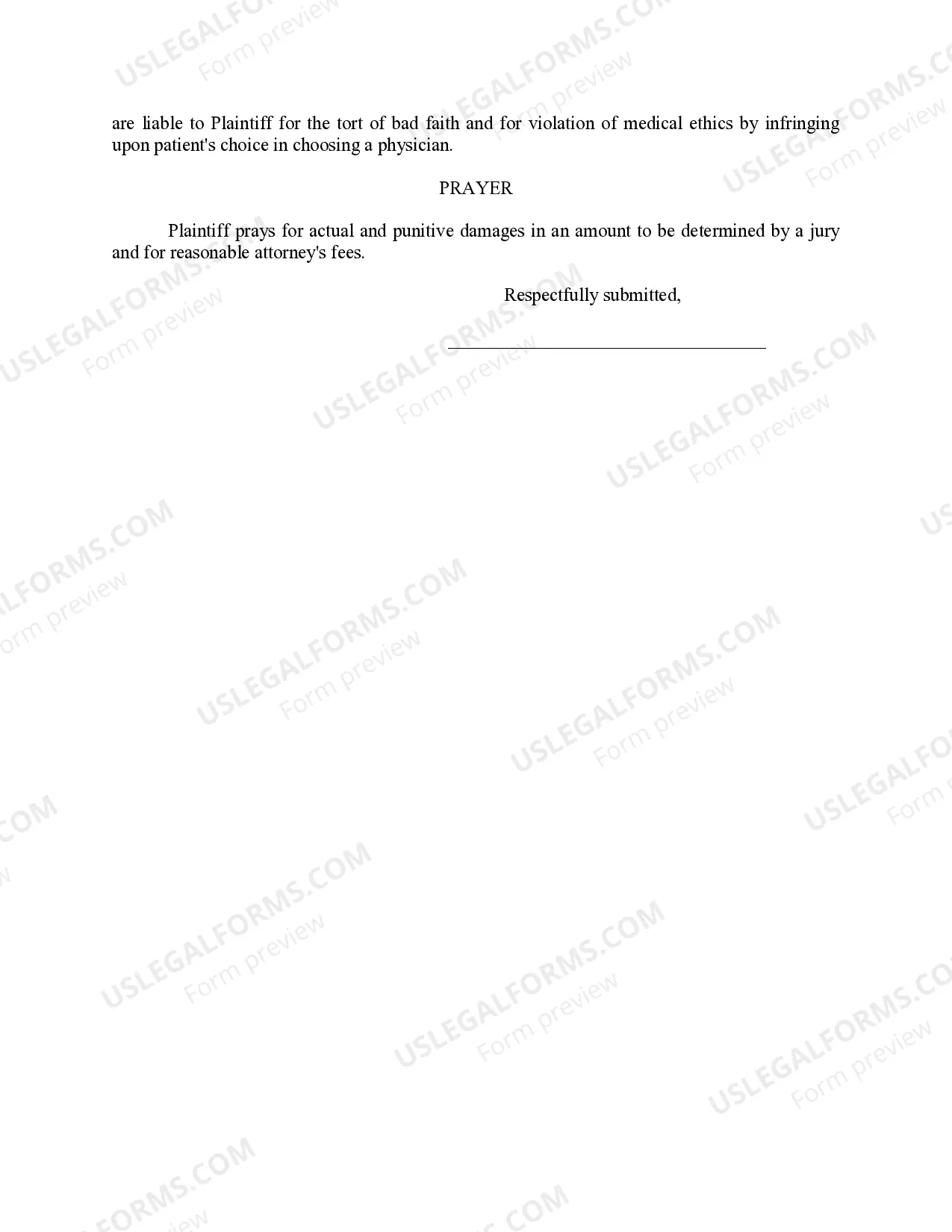
For example, if a person is injured in a car accident, they may file a lawsuit against the driver who caused the accident. In their complaint, they would include a prayer for relief asking for compensation for their medical bills, lost wages, and pain and suffering.
In an action for a declaratory judgment, the demand for relief in the complaint shall specify the rights and other legal relations on which a declaration is requested and state whether further or consequential relief is or could be claimed and the nature and extent of any such relief which is claimed.