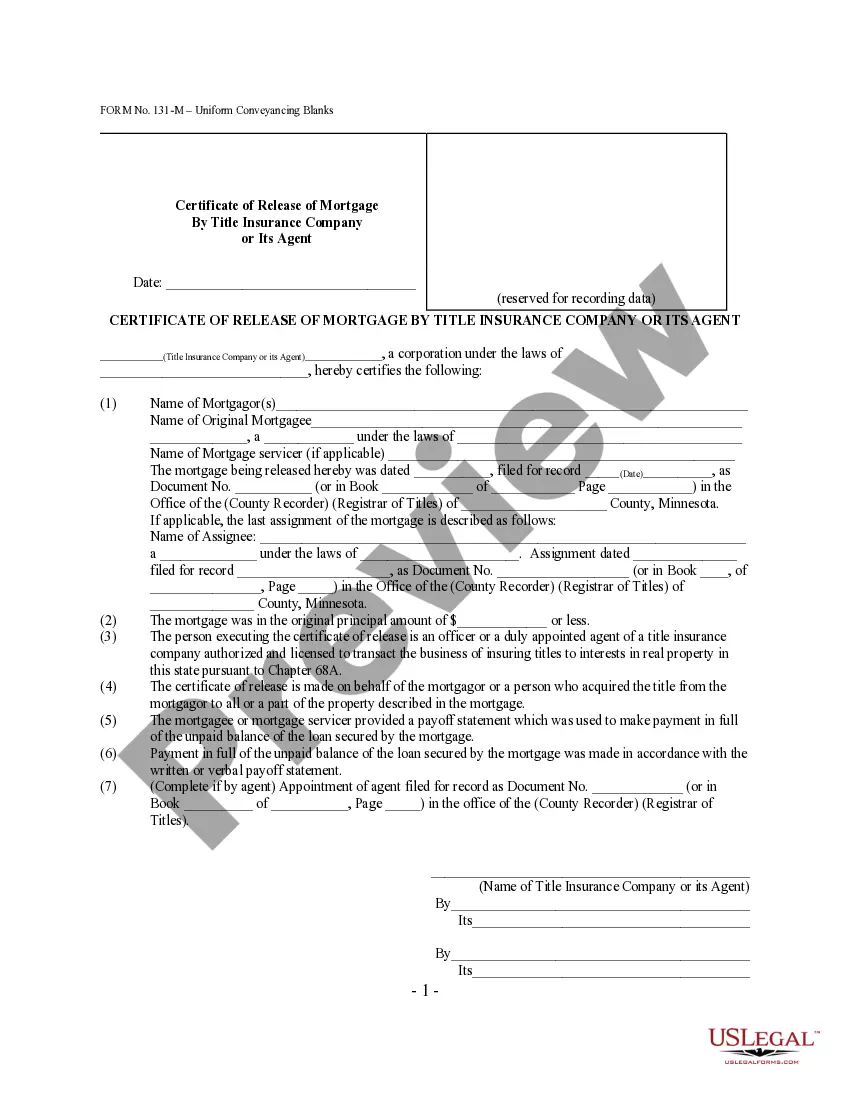
Request For Jury Trial Form Texas In Massachusetts
Description





Get your form ready online
Our built-in tools help you complete, sign, share, and store your documents in one place.
Make edits, fill in missing information, and update formatting in US Legal Forms—just like you would in MS Word.
Download a copy, print it, send it by email, or mail it via USPS—whatever works best for your next step.
Sign and collect signatures with our SignNow integration. Send to multiple recipients, set reminders, and more. Go Premium to unlock E-Sign.
If this form requires notarization, complete it online through a secure video call—no need to meet a notary in person or wait for an appointment.
We protect your documents and personal data by following strict security and privacy standards.

Make edits, fill in missing information, and update formatting in US Legal Forms—just like you would in MS Word.

Download a copy, print it, send it by email, or mail it via USPS—whatever works best for your next step.

Sign and collect signatures with our SignNow integration. Send to multiple recipients, set reminders, and more. Go Premium to unlock E-Sign.

If this form requires notarization, complete it online through a secure video call—no need to meet a notary in person or wait for an appointment.

We protect your documents and personal data by following strict security and privacy standards.
Looking for another form?


Form popularity
FAQ
Each county receives a list of potential jurors from the Secretary of State that consists of those individuals in the county that are registered to vote, hold a Texas driver's license, or hold a Texas identification card. Citizens on the list are randomly selected and mailed a summons to report for jury service.
In Massachusetts any person, 18 or older, who lives in the state for more than 50% of the year can be called for jury duty, including college and high-school students. Jurors are picked at random and randomly assigned to court houses within the county in which they reside.
About one in ten to one in twenty people are called on for jury duty through their lives on average, and it depends a lot on your eligibility.
Juror Qualifications, Exemptions and Excuses be a United States citizen; be at least 18 years of age; have resided primarily in the judicial district for at least one year at the time of completion of the qualification questionnaire; be able to adequately read, write, understand, and speak the English language;
Am I Eligible? Be at least 18 years of age. Be a citizen of this state and a resident of the county in which you are to serve as a juror; Be qualified under the Constitution and laws to vote in the county in which you are to serve as a juror; Be of sound mind and good moral character; Be able to read and write.
T.R.C.P. 504.1: JURY TRIAL DEMANDED FOR CIVIL Any party may file a written demand for a trial by jury which must be filed no later than 14 days before the date a case is set for trial. If the demand is not timely, the right to a jury is waived unless the late filing is excused by the judge for good cause.
Filling Out the Prospective Juror Questionnaire Less is more. Answer ONLY the question that is asked—do NOT include in your answer things that were not asked for. Avoid extremes when possible.
By law, the courts will excuse from jury duty anyone with a mental or physical condition that would keep them from serving as a juror. There is not an exemption based on age, but you may request to be excused if you have a hardship that would make it difficult to serve.
When writing a jury excuse letter, directly state why you cannot serve and how serving would lead to hardship. Valid exemptions include being ill or disabled, being the sole guardian of young children, or being over the age of 70. Include documentation such as a doctor's note or a letter from an employer.
Disqualifications and exemptions from jury service. A prospective juror is disqualified to serve on a jury if that prospective juror is not a citizen of the United States, 18 years of age and a resident of the county, or is unable to read, speak and understand the English language.