Jury Trial Form With Motion In Harris
Description

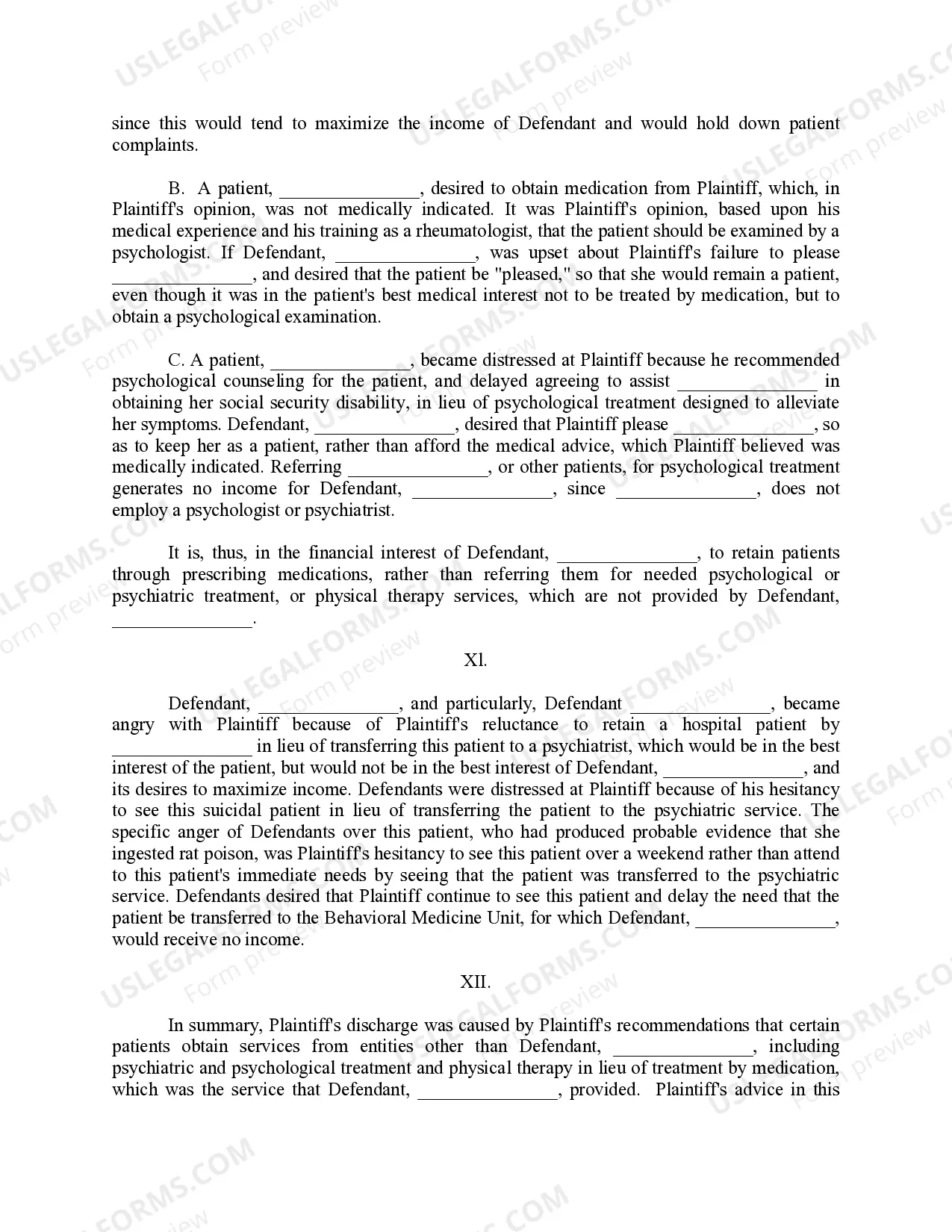
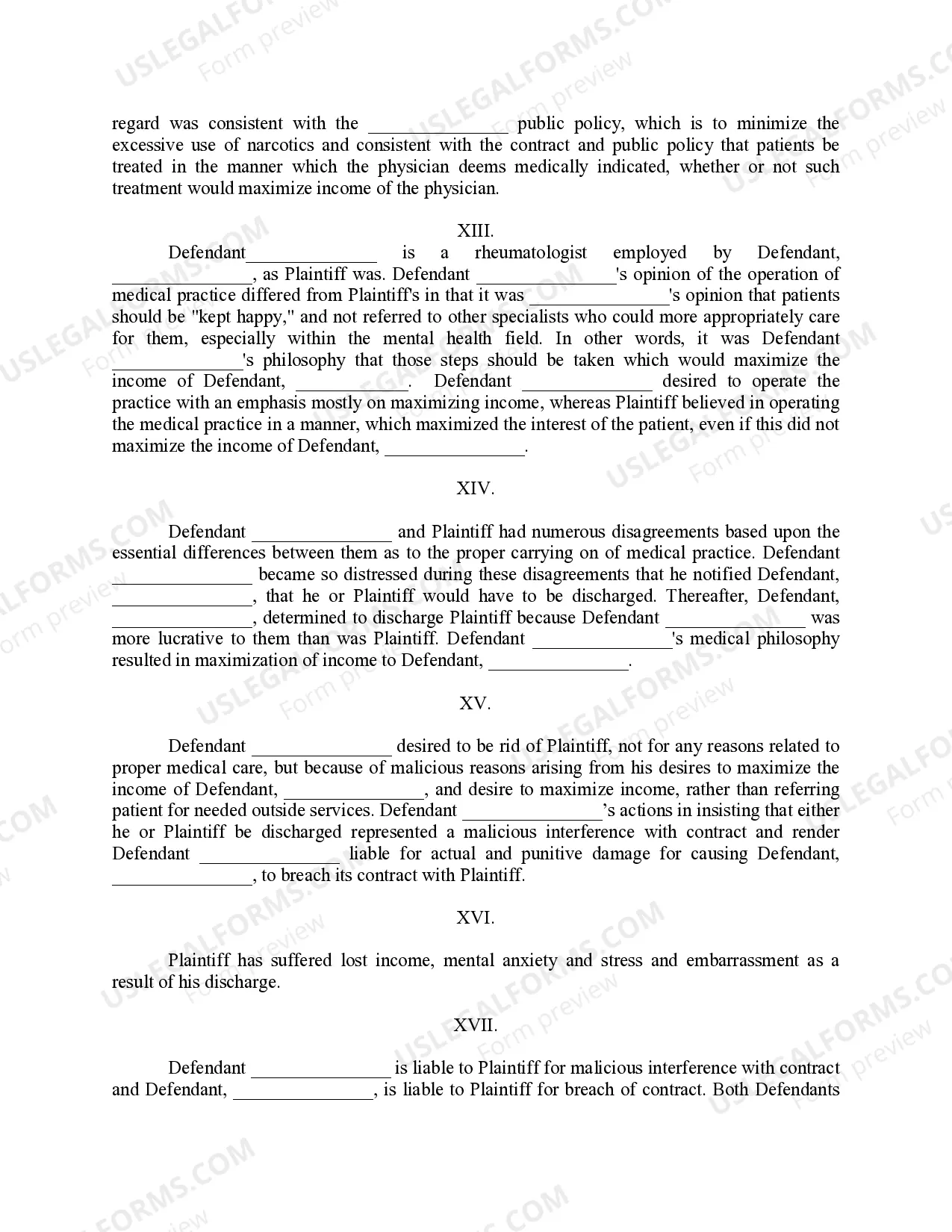





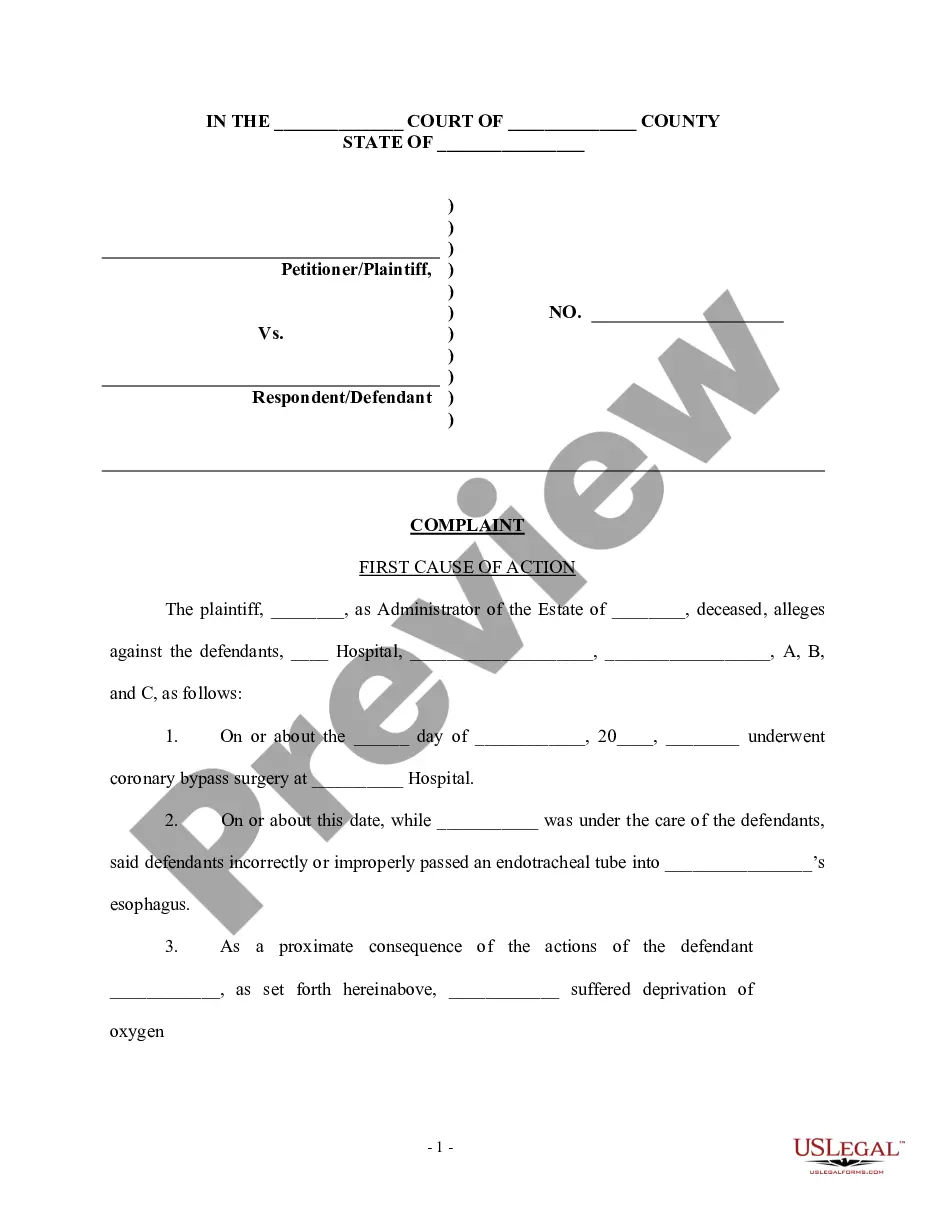
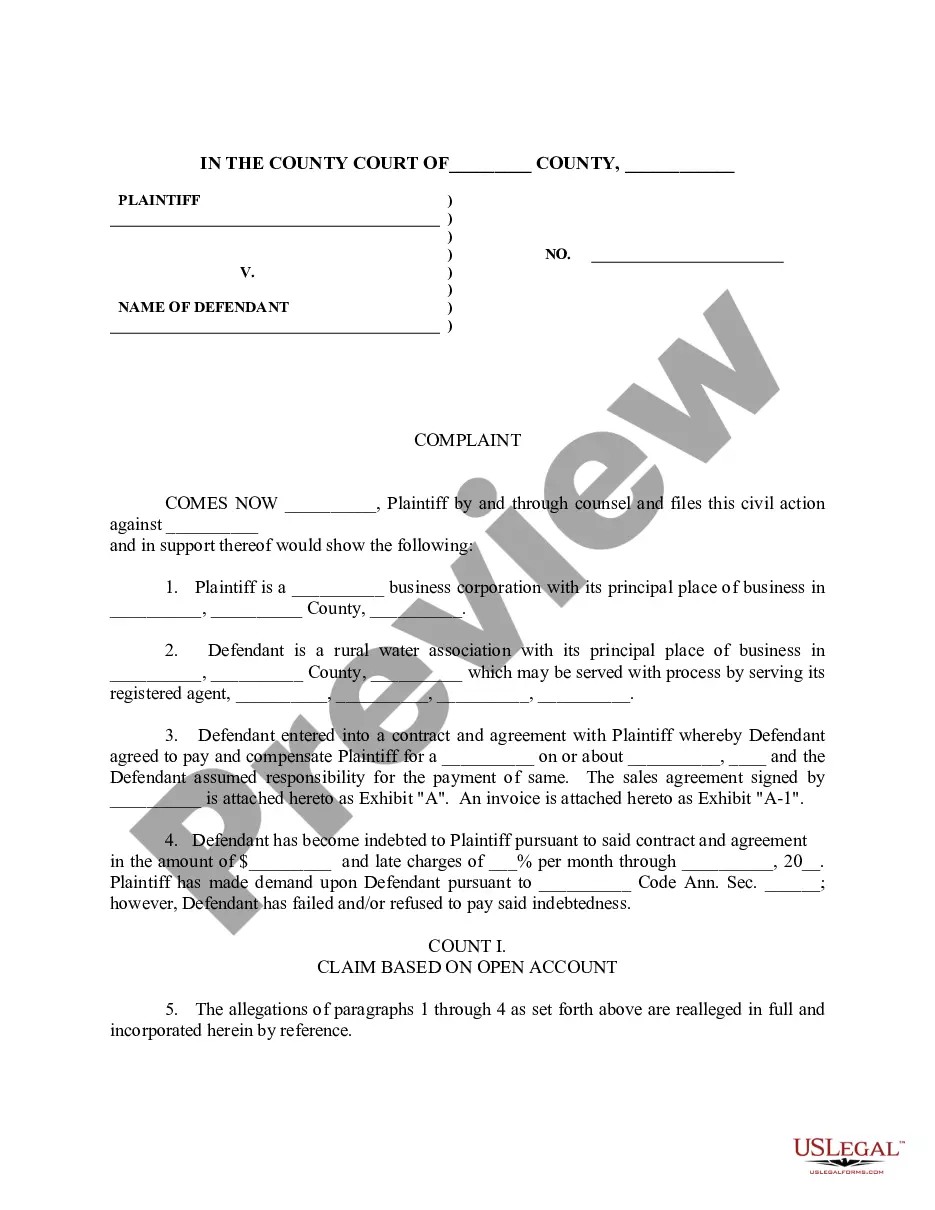
Get your form ready online
Our built-in tools help you complete, sign, share, and store your documents in one place.
Make edits, fill in missing information, and update formatting in US Legal Forms—just like you would in MS Word.
Download a copy, print it, send it by email, or mail it via USPS—whatever works best for your next step.
Sign and collect signatures with our SignNow integration. Send to multiple recipients, set reminders, and more. Go Premium to unlock E-Sign.
If this form requires notarization, complete it online through a secure video call—no need to meet a notary in person or wait for an appointment.
We protect your documents and personal data by following strict security and privacy standards.

Make edits, fill in missing information, and update formatting in US Legal Forms—just like you would in MS Word.

Download a copy, print it, send it by email, or mail it via USPS—whatever works best for your next step.

Sign and collect signatures with our SignNow integration. Send to multiple recipients, set reminders, and more. Go Premium to unlock E-Sign.

If this form requires notarization, complete it online through a secure video call—no need to meet a notary in person or wait for an appointment.

We protect your documents and personal data by following strict security and privacy standards.
Looking for another form?





Form popularity
FAQ
General format - each motion generally consists of a case caption, a title that briefly identifies the relief sought, a series of numbered paragraphs that explains -- in a logical way -- why you are entitled to that relief, a prayer for relief, a signature block, a certification that a copy of the motion was sent to ...
If you want to file a motion, the process is generally something like this: You write your motion. You file your motion with the court clerk. The court clerk inserts the date and time your motion will be heard by the judge. You “serve” (mail) your motion to the other side.
Common Grounds for Filing a Motion to Dismiss. Lack of Subject Matter Jurisdiction. Lack of Personal Jurisdiction. Improper Venue. Insufficient Service of Process.
The only way that the order would not go into effect immediately is to file a post-trial motion called a Motion to Stay and for the judge to grant a “stay,” which prevents the original order from taking effect while the appeal is going on.
Write your legal argument by stating the rule and explaining how your facts apply to it. Then, add your signature, a Certificate of Service, and a Notice of Hearing. File your motion with the clerk of court overseeing your case. Then, give copies to each defendant.
Sometimes courts will put inactive cases on a dismissal docket and the Plaintiff will file a motion to retain the case on the docket so it doesn't get dismissed for want of prosecution.
The Motion to Retain must be verified and state specific grounds. The Motion must also state a date by which the case will be ready for trial. Telephone conferences are routinely handled by the court staff to accommodate counsel, especially out of town counsel.