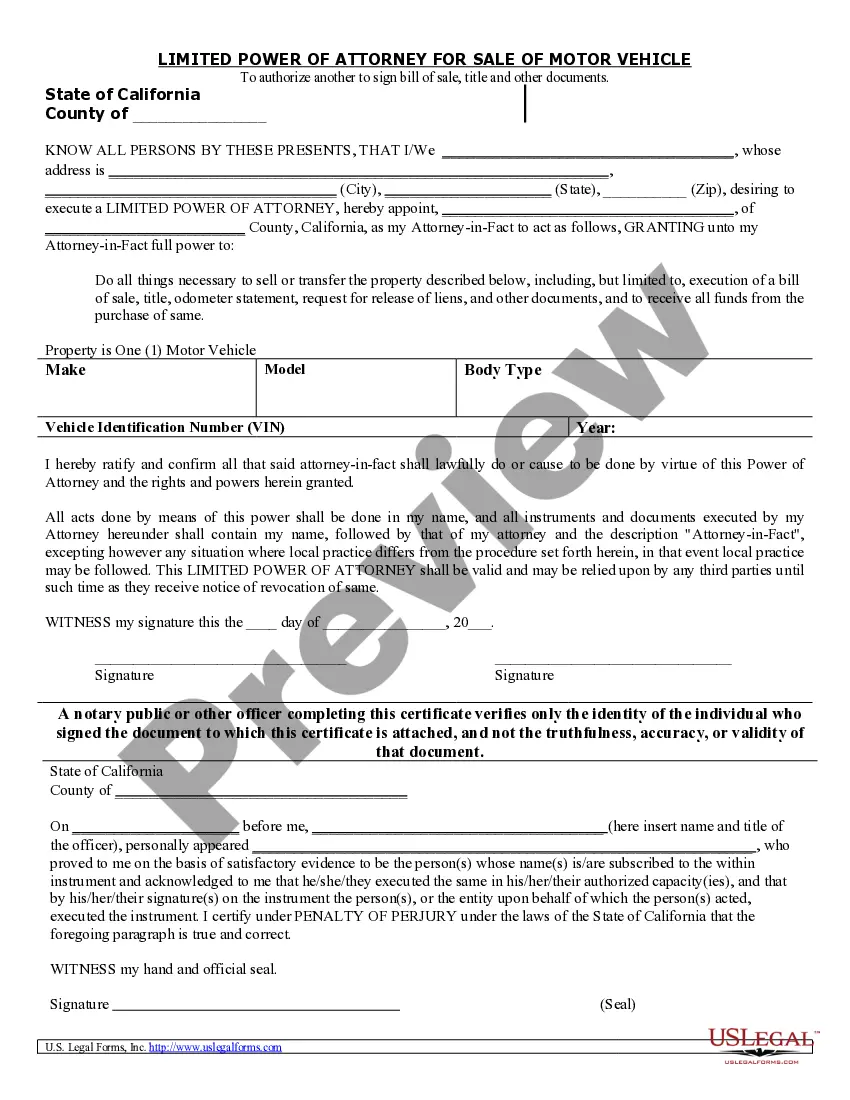
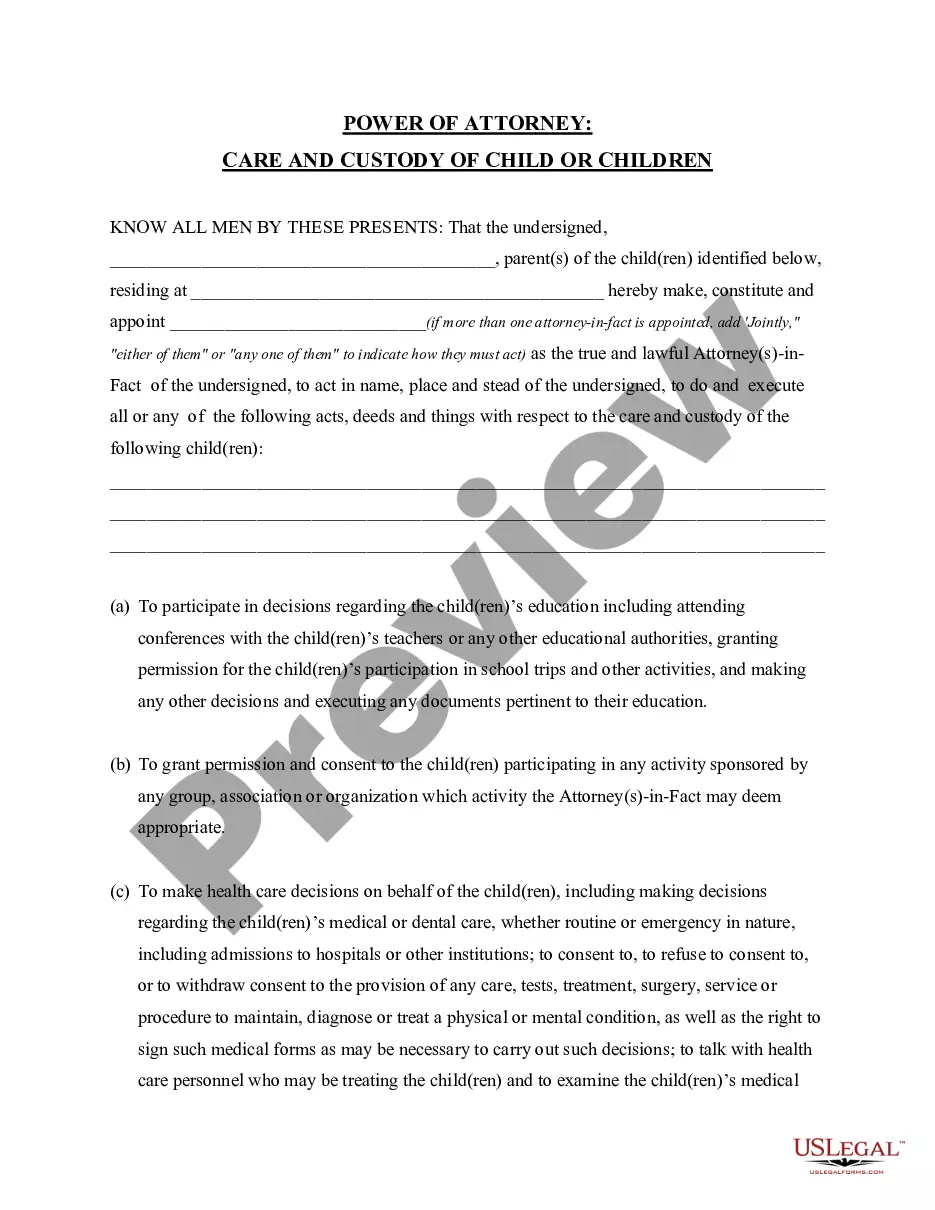
Jury Demand Meaning In California
Description

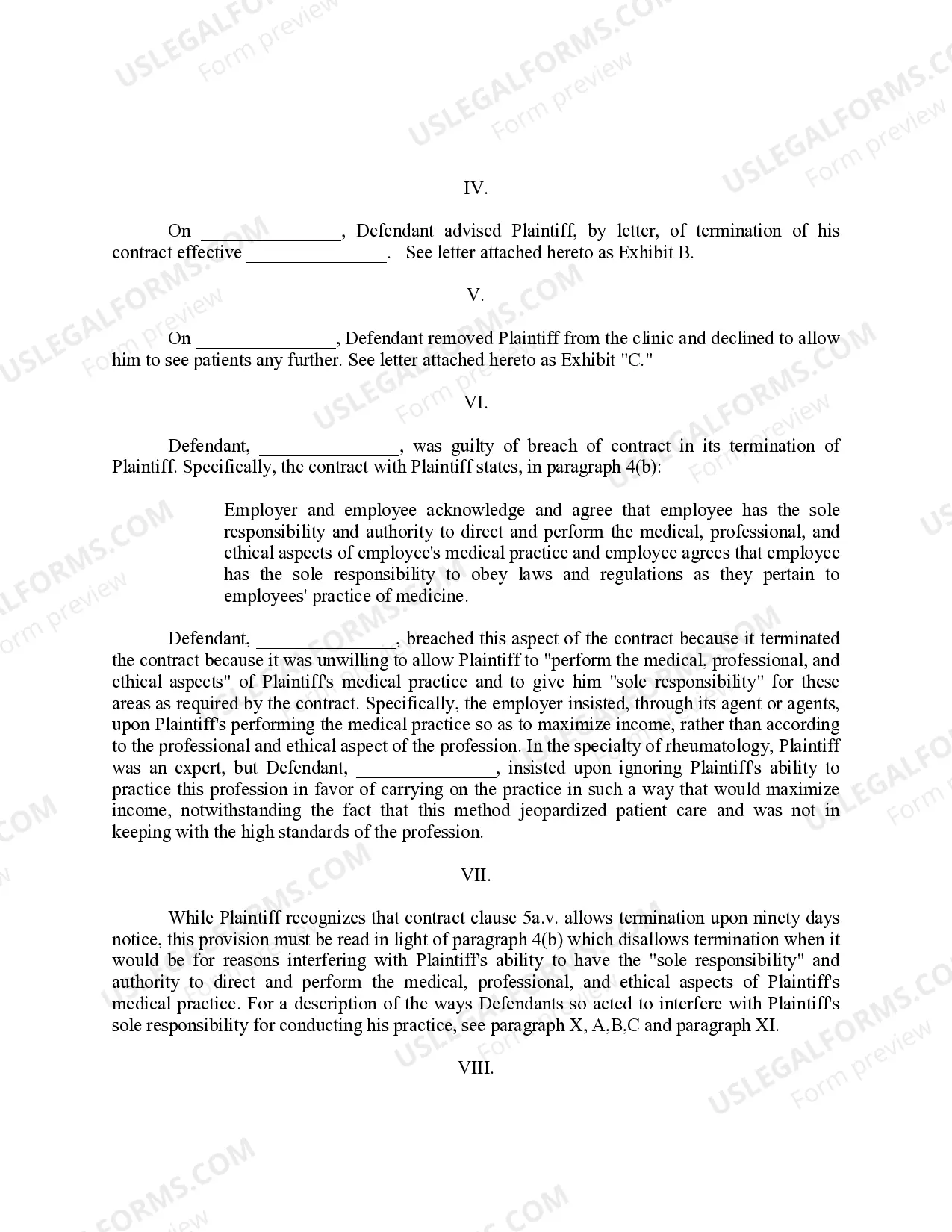
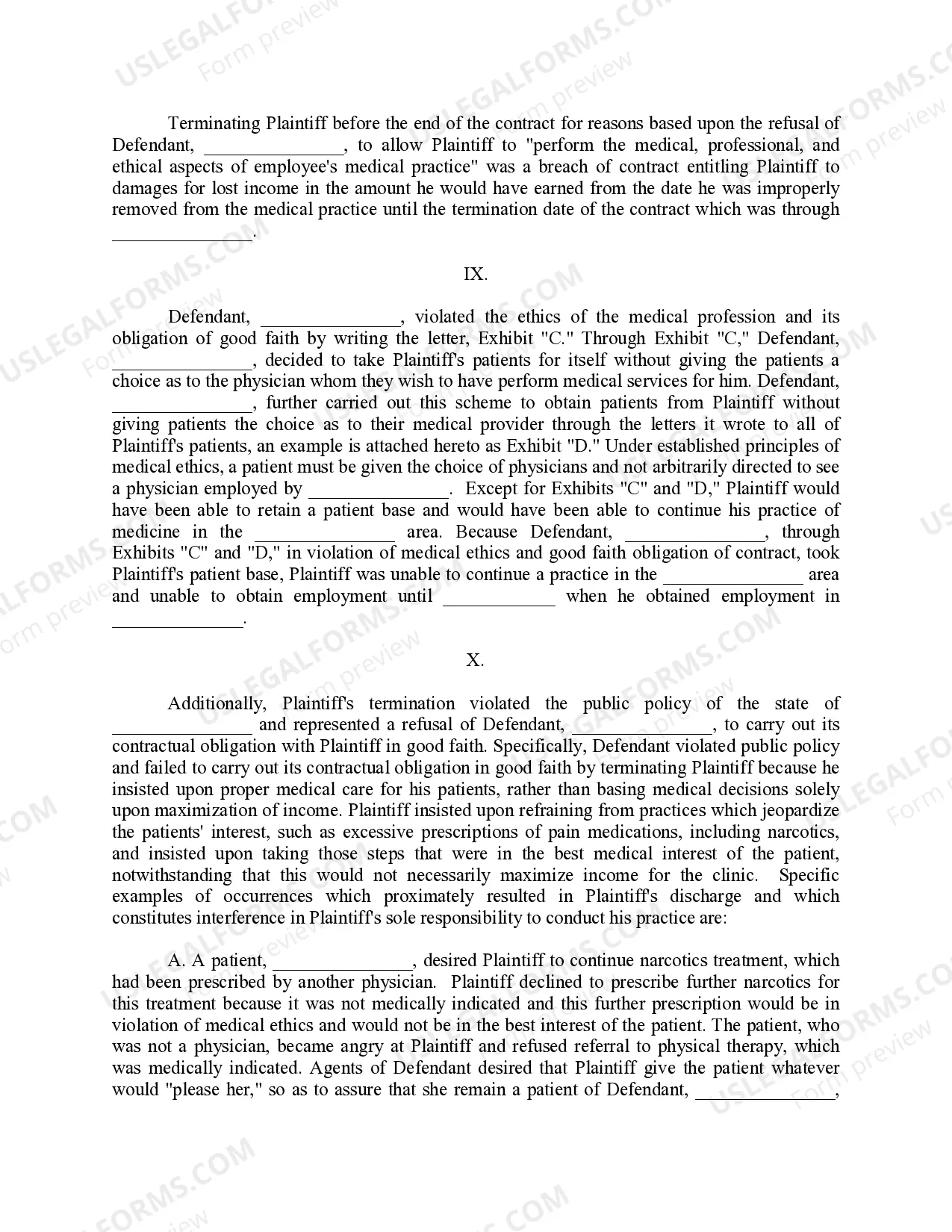




Get your form ready online
Our built-in tools help you complete, sign, share, and store your documents in one place.
Make edits, fill in missing information, and update formatting in US Legal Forms—just like you would in MS Word.
Download a copy, print it, send it by email, or mail it via USPS—whatever works best for your next step.
Sign and collect signatures with our SignNow integration. Send to multiple recipients, set reminders, and more. Go Premium to unlock E-Sign.
If this form requires notarization, complete it online through a secure video call—no need to meet a notary in person or wait for an appointment.
We protect your documents and personal data by following strict security and privacy standards.

Make edits, fill in missing information, and update formatting in US Legal Forms—just like you would in MS Word.

Download a copy, print it, send it by email, or mail it via USPS—whatever works best for your next step.

Sign and collect signatures with our SignNow integration. Send to multiple recipients, set reminders, and more. Go Premium to unlock E-Sign.

If this form requires notarization, complete it online through a secure video call—no need to meet a notary in person or wait for an appointment.

We protect your documents and personal data by following strict security and privacy standards.
Looking for another form?







Form popularity
FAQ
Demand: A party may demand a jury trial on any issue triable of right by a jury by serving the other parties with a written demand, which must be filed no later than 14 days after the last pleading directed to the issue. This demand must be specific about the issues that the party wants tried by a jury.
Why do I always get summoned but other people don't? The process of summoning jurors is random. If you have already responded to a summons or have served in the past 12 months, call the court at (619) 844-2800 from a.m. to p.m., Monday through Thursday and a.m. to p.m. Friday.
Therefore, the constitutional right to a jury trial only applies to prosecutions involving serious offenses. A serious offense is one where the charged offense carries a maximum penalty of more than six months' imprisonment.
If someone is accused of a crime, they have a right to be tried in front of a jury. A jury is made up of 12 people who are chosen at random to hear the evidence and decide if the accused is guilty or not guilty.
Typically, a plaintiff will make its demand in the complaint filed at the outset of the case, and a defendant usually will make its demand in an answer to the complaint. If either party asks for a jury, the trial will be by jury.
Trial by jury helps the criminal justice system reflect the values and standards of the general public. It's vital for the health of the criminal justice system that citizens participate in it and it is vital for democracy that they do, which might explain why politicians are always seeking to limit that participation.
A jury trial demand is a request to have your case decided by fellow citizens as opposed to the judge should you proceed to trial. The decision to choose or waive a jury trial lies with the defendant.
Ing to the Supreme Court, the jury-trial right applies only when "serious" offenses are at hand—petty offenses don't invoke it. For purposes of this right, a serious offense is one that carries a potential sentence of more than six months' imprisonment.
Jury trials provide an opportunity for citizens to participate in the judicial process. Jury trials give citizens on the jury the power to make a decision on the case. People who serve on juries routinely have a greater respect for the system when they leave.
Just answer the questions truthfully to the extent that they ask. No need to elaborate, just answer their questions. If you don't want to provide an answer, say ``no comment'' unless a judge instructs you otherwise. You are legally obligated to answer any question the judge instructs you to answer.