Jury Trial In Civil Cases Amendment In Pima
Description
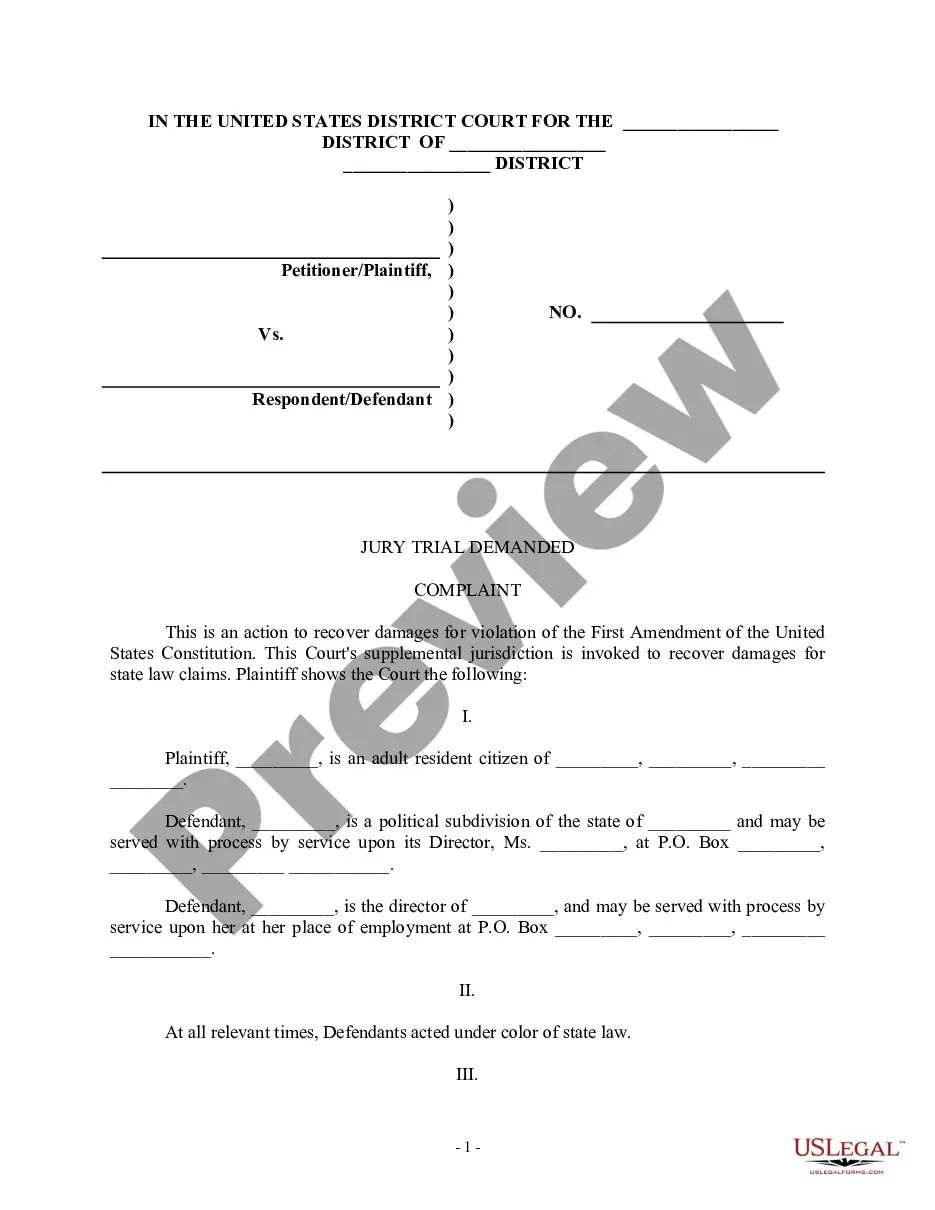
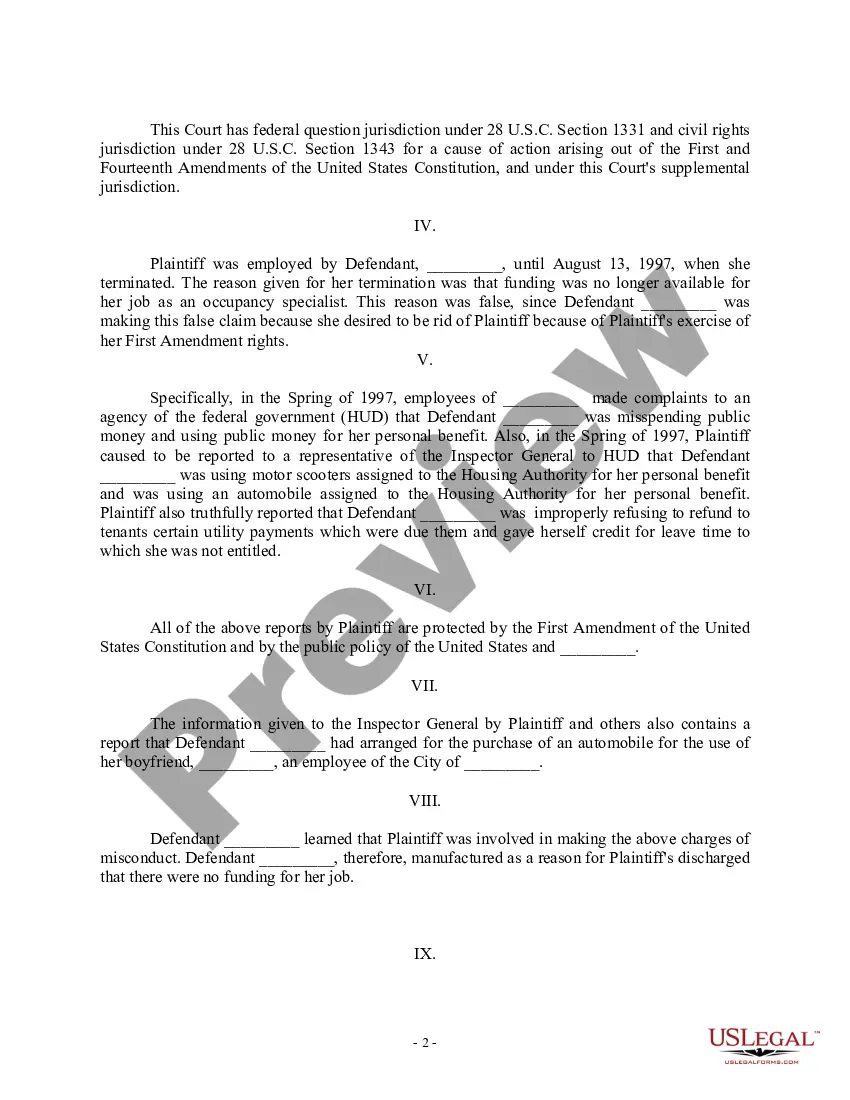
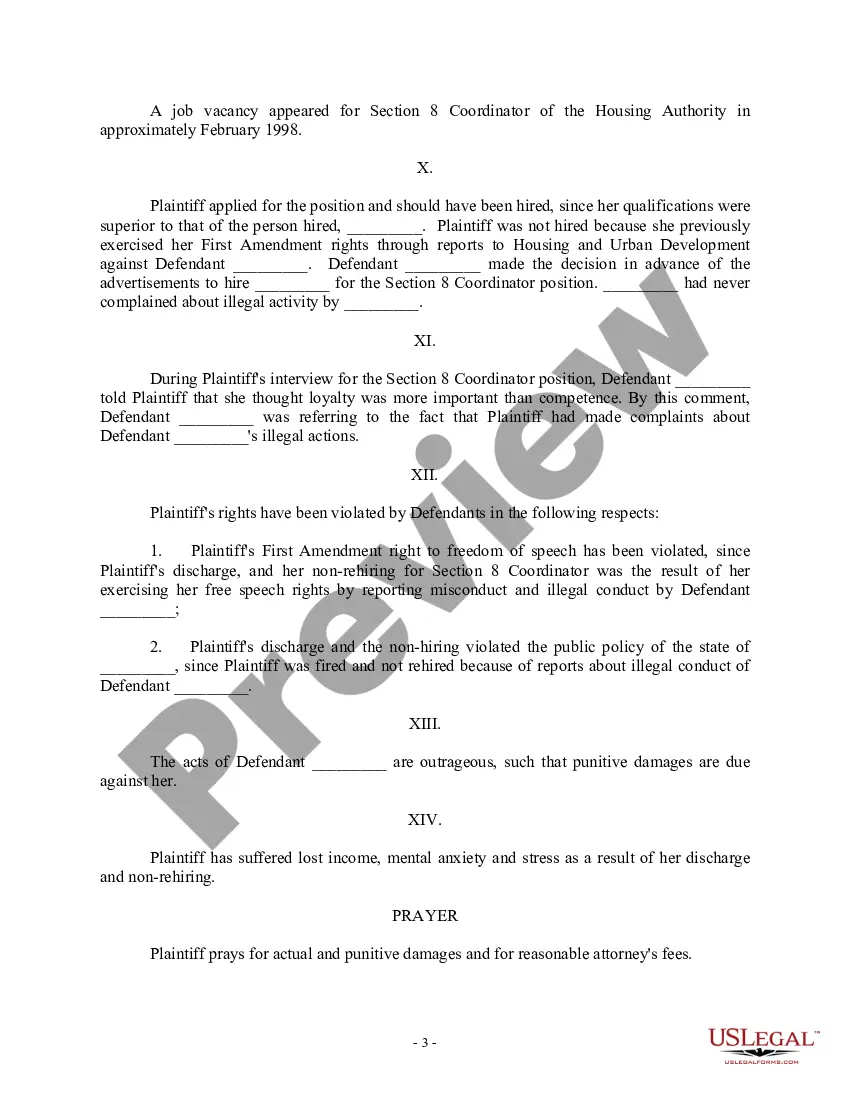
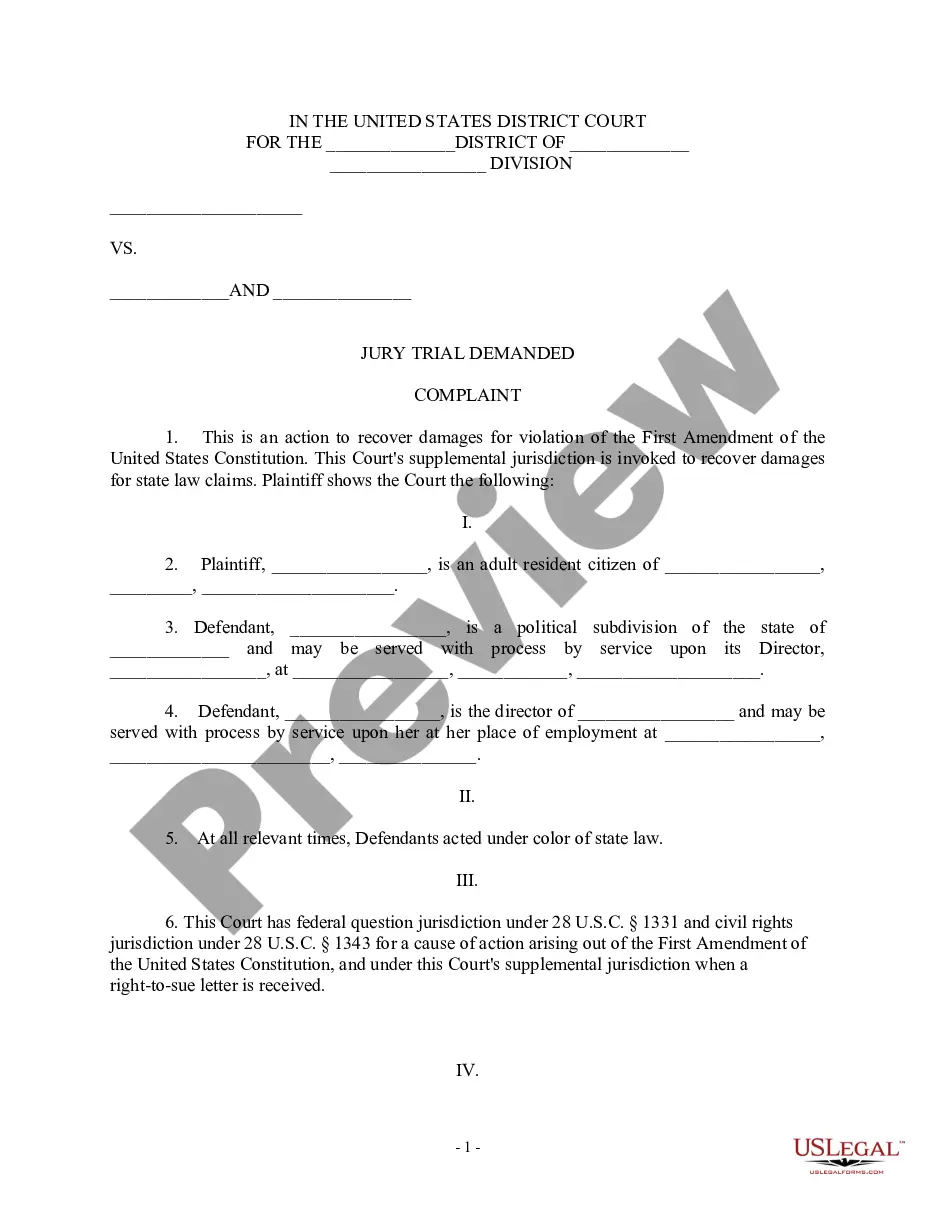
Get your form ready online
Our built-in tools help you complete, sign, share, and store your documents in one place.
Make edits, fill in missing information, and update formatting in US Legal Forms—just like you would in MS Word.
Download a copy, print it, send it by email, or mail it via USPS—whatever works best for your next step.
Sign and collect signatures with our SignNow integration. Send to multiple recipients, set reminders, and more. Go Premium to unlock E-Sign.
If this form requires notarization, complete it online through a secure video call—no need to meet a notary in person or wait for an appointment.
We protect your documents and personal data by following strict security and privacy standards.

Make edits, fill in missing information, and update formatting in US Legal Forms—just like you would in MS Word.

Download a copy, print it, send it by email, or mail it via USPS—whatever works best for your next step.

Sign and collect signatures with our SignNow integration. Send to multiple recipients, set reminders, and more. Go Premium to unlock E-Sign.

If this form requires notarization, complete it online through a secure video call—no need to meet a notary in person or wait for an appointment.

We protect your documents and personal data by following strict security and privacy standards.
Looking for another form?

Form popularity
FAQ
A civil action filed in a limited jurisdiction court is a claim against another party for damages of an amount up to $10,000.00. These lawsuits are designed to resolve civil disputes before a justice of the peace. Parties in a civil lawsuit may be represented by attorneys and appeal their case to a higher court.
Ing to the Supreme Court, the jury-trial right applies only when "serious" offenses are at hand—petty offenses don't invoke it. For purposes of this right, a serious offense is one that carries a potential sentence of more than six months' imprisonment.
Why do so many civil cases settle out of court and never go to trial? Because trials can be expensive and take a long time. No side is guaranteed to win( in most cases) and by settling both parties have a say in the outcome.
Constitutional Amendments – Amendment 7 – “The Right to Jury Trial in Civil Affairs”
The Seventh Amendment provides as follows: “In Suits at common law, where the value in controversy shall exceed twenty dollars, the right of trial by jury shall be preserved, and no fact tried by a jury, shall be otherwise re-examined in any Court of the United States, than ing to the rules of the common law.”
Arizona Civil Statute of Limitations Laws: At a Glance Injury to PersonOne year for false imprisonment (A.R.S. § 12-541) Two years for personal injury (A.R.S. § 12-542) Libel/Slander One year (A.R.S. § 12-541) Fraud Three years (A.R.S. § 12-543(3)) Injury to Personal Property Two years (A.R.S. § 12-542)6 more rows
Constitutional Amendments – Amendment 7 – “The Right to Jury Trial in Civil Affairs” Amendment Seven to the Constitution was ratified on December 15, 1791. It protects the right for citizens to have a jury trial in federal courts with civil cases where the claim exceeds a certain dollar value.
In a wide variety of civil cases, either side is entitled under the Constitution to request a jury trial. If the parties waive their right to a jury, then a judge without a jury will hear the case.
There are two types of lawsuits: civil and criminal. When someone is charged with a crime and then prosecuted by the government, this is a criminal lawsuit. Other types of suits are civil lawsuits.