Jury Trial For Equitable Relief In Kings
Description

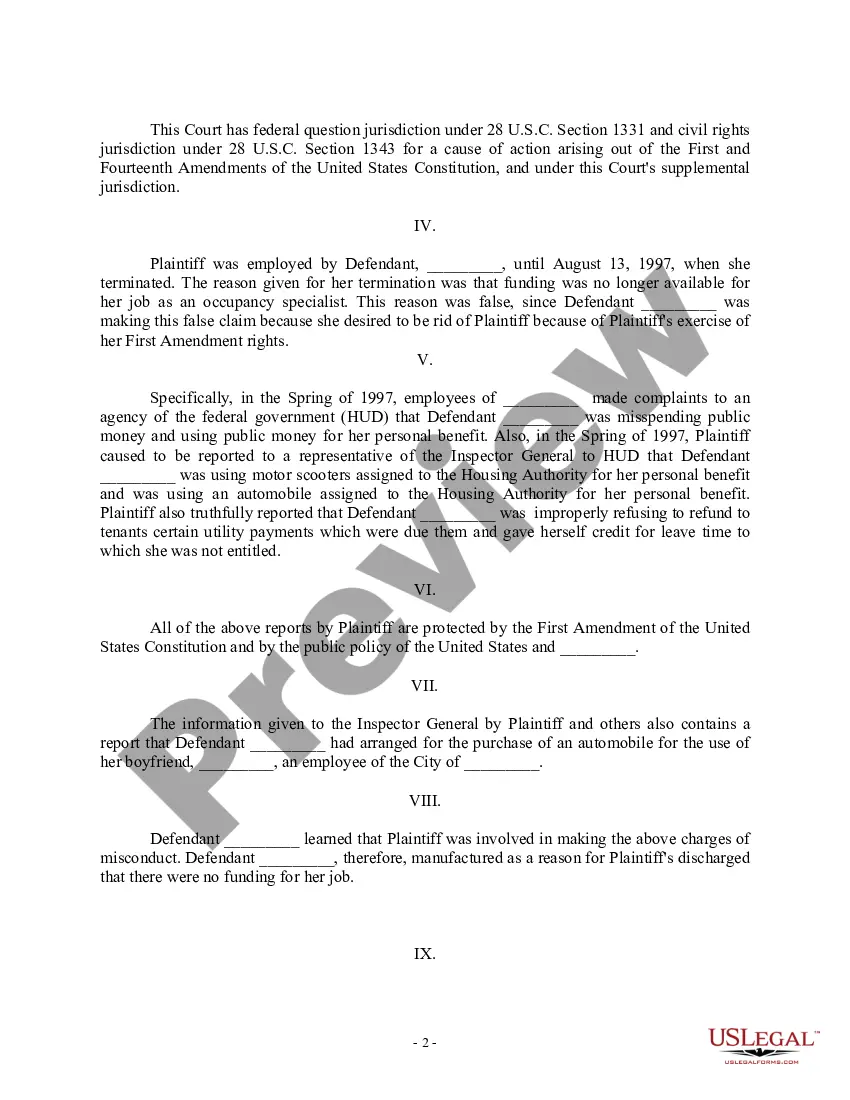
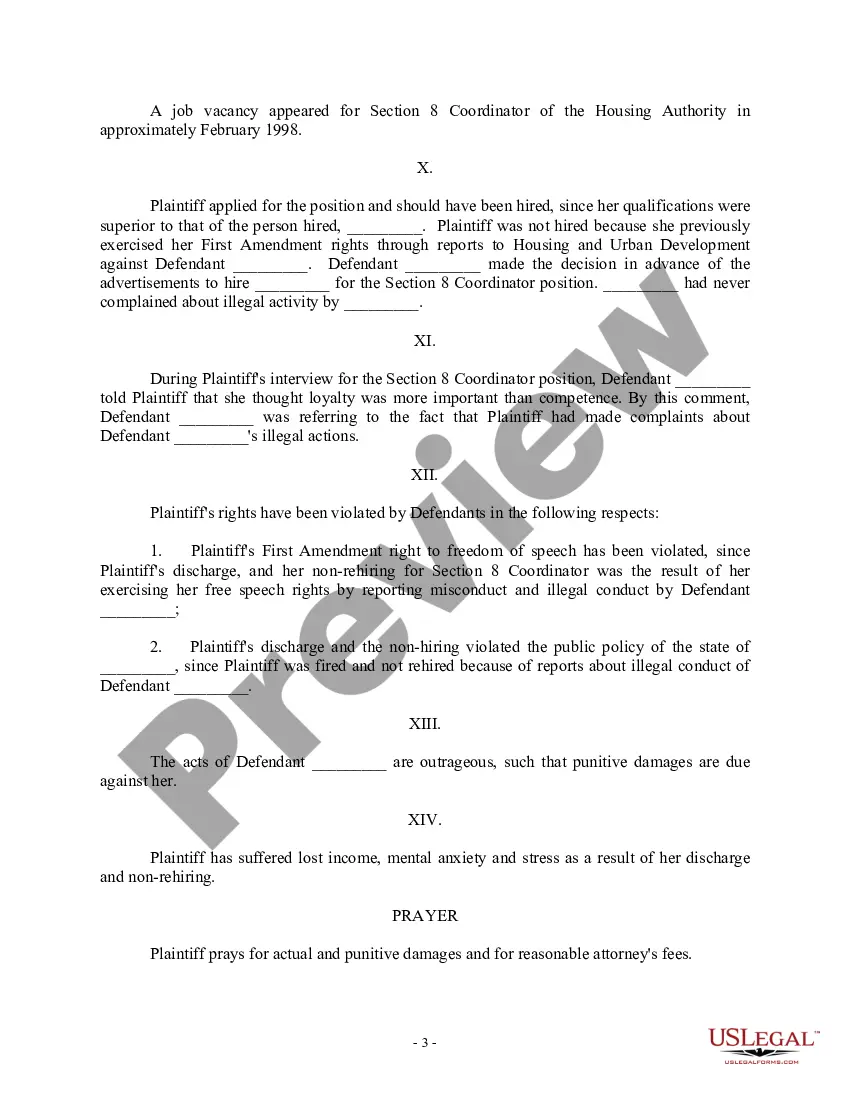




Get your form ready online
Our built-in tools help you complete, sign, share, and store your documents in one place.
Make edits, fill in missing information, and update formatting in US Legal Forms—just like you would in MS Word.
Download a copy, print it, send it by email, or mail it via USPS—whatever works best for your next step.
Sign and collect signatures with our SignNow integration. Send to multiple recipients, set reminders, and more. Go Premium to unlock E-Sign.
If this form requires notarization, complete it online through a secure video call—no need to meet a notary in person or wait for an appointment.
We protect your documents and personal data by following strict security and privacy standards.

Make edits, fill in missing information, and update formatting in US Legal Forms—just like you would in MS Word.

Download a copy, print it, send it by email, or mail it via USPS—whatever works best for your next step.

Sign and collect signatures with our SignNow integration. Send to multiple recipients, set reminders, and more. Go Premium to unlock E-Sign.

If this form requires notarization, complete it online through a secure video call—no need to meet a notary in person or wait for an appointment.

We protect your documents and personal data by following strict security and privacy standards.
Looking for another form?






Form popularity
FAQ
We recommend a jury trial because it's better to convince multiple people that you are not-guilty rather than one person. In a jury trial, all jurors have to be unanimous–if we can convince one person that you are not guilty, then you won't be convicted. In a bench trial, we only advocate to one person: the judge.
What's the difference between a Jury Trial and a Court Trial? In a jury trial, the decision of guilt or innocence is decided by either 6 or 12 citizens who listen to the evidence and make the decision. In a court trial, there is no jury present. The judge listens to the evidence and makes the decision.
Juries sometimes have difficulty understanding judicial instructions and complicated evidence, are susceptible to emotional appeals, may be biased, deliberate in secret without accountability, and require concentrated trial of all issues at once.
The reason to use a jury is to have a group of ordinary people, completely informed of the evidence, decide on the facts of the case. To use a judge only, is to risk obtaining a purely technical, or even a personally biased view, not a consensus view. To try to a jury is, in concept at least, to try to the community.
In lawsuits seeking equitable relief there is no right to a jury trial; ingly, these types of cases are tried to the judge in a bench trial.
Equitable relief is a category of remedies derived from the principles of fairness and justice. Unlike monetary damages, which compensate a party for harm or losses, equitable relief directs a party to act—or refrain from acting—in a way that restores balance between the parties.
What's the difference between a Jury Trial and a Court Trial? In a jury trial, the decision of guilt or innocence is decided by either 6 or 12 citizens who listen to the evidence and make the decision. In a court trial, there is no jury present. The judge listens to the evidence and makes the decision.
Ing to the Supreme Court, the jury-trial right applies only when "serious" offenses are at hand—petty offenses don't invoke it. For purposes of this right, a serious offense is one that carries a potential sentence of more than six months' imprisonment.
The Trial of all Crimes, except in Cases of Impeachment, shall be by Jury; and such Trial shall be held in the State where the said Crimes shall have been committed; but when not committed within any State, the Trial shall be at such Place or Places as the Congress may by Law have directed. U.S. Const.