Jury Trial For Custody Case In King
Description





Get your form ready online
Our built-in tools help you complete, sign, share, and store your documents in one place.
Make edits, fill in missing information, and update formatting in US Legal Forms—just like you would in MS Word.
Download a copy, print it, send it by email, or mail it via USPS—whatever works best for your next step.
Sign and collect signatures with our SignNow integration. Send to multiple recipients, set reminders, and more. Go Premium to unlock E-Sign.
If this form requires notarization, complete it online through a secure video call—no need to meet a notary in person or wait for an appointment.
We protect your documents and personal data by following strict security and privacy standards.

Make edits, fill in missing information, and update formatting in US Legal Forms—just like you would in MS Word.

Download a copy, print it, send it by email, or mail it via USPS—whatever works best for your next step.

Sign and collect signatures with our SignNow integration. Send to multiple recipients, set reminders, and more. Go Premium to unlock E-Sign.

If this form requires notarization, complete it online through a secure video call—no need to meet a notary in person or wait for an appointment.

We protect your documents and personal data by following strict security and privacy standards.
Looking for another form?






Form popularity
FAQ
When divorce and child custody cases go to trial, they're usually bench trials, i.e., a judge makes the decision. But in some states, a parent can request a jury trial for some of their issues. The judge often holds a bench trial first.
There's no Federal constitutional right to a jury trial in family law cases. The jury trial guarantees in the Bill of Rights apply only to civil ``actions at law''; at the time of the Bill of Rights, divorces were ``actions in equity'', and do not fall within the right to jury trial.
The law entitles all defendants in criminal cases to jury trials ing to the federal standard for "serious penalties." A jury trial isn't mandated if the offense carries a sentence of six months or less. The state can decide whether to provide a jury trial in that situation.
There's no Federal constitutional right to a jury trial in family law cases. The jury trial guarantees in the Bill of Rights apply only to civil ``actions at law''; at the time of the Bill of Rights, divorces were ``actions in equity'', and do not fall within the right to jury trial.
The Trial of all Crimes, except in Cases of Impeachment, shall be by Jury; and such Trial shall be held in the State where the said Crimes shall have been committed; but when not committed within any State, the Trial shall be at such Place or Places as the Congress may by Law have directed.
A Look at the Trial Process Presentation of Evidence and Testimony of Witnesses. The plaintiff's or prosecution's case is presented first. Closing Arguments. Presentation of Jury Instructions (Charging the Jury) ... Deliberation. Announcement of the Verdict.
A divorce may go to trial if the parties are unable to reach an agreement through mediation or other means. In this situation, the court will make a decision on the issues in dispute, such as property division, spousal support, and child custody.
At a defendant's arraignment, if they enter a "not guilty" plea, there will be several pretrial trial proceedings designed to resolve the case. If a plea bargain is not reached, then the case will proceed to trial.
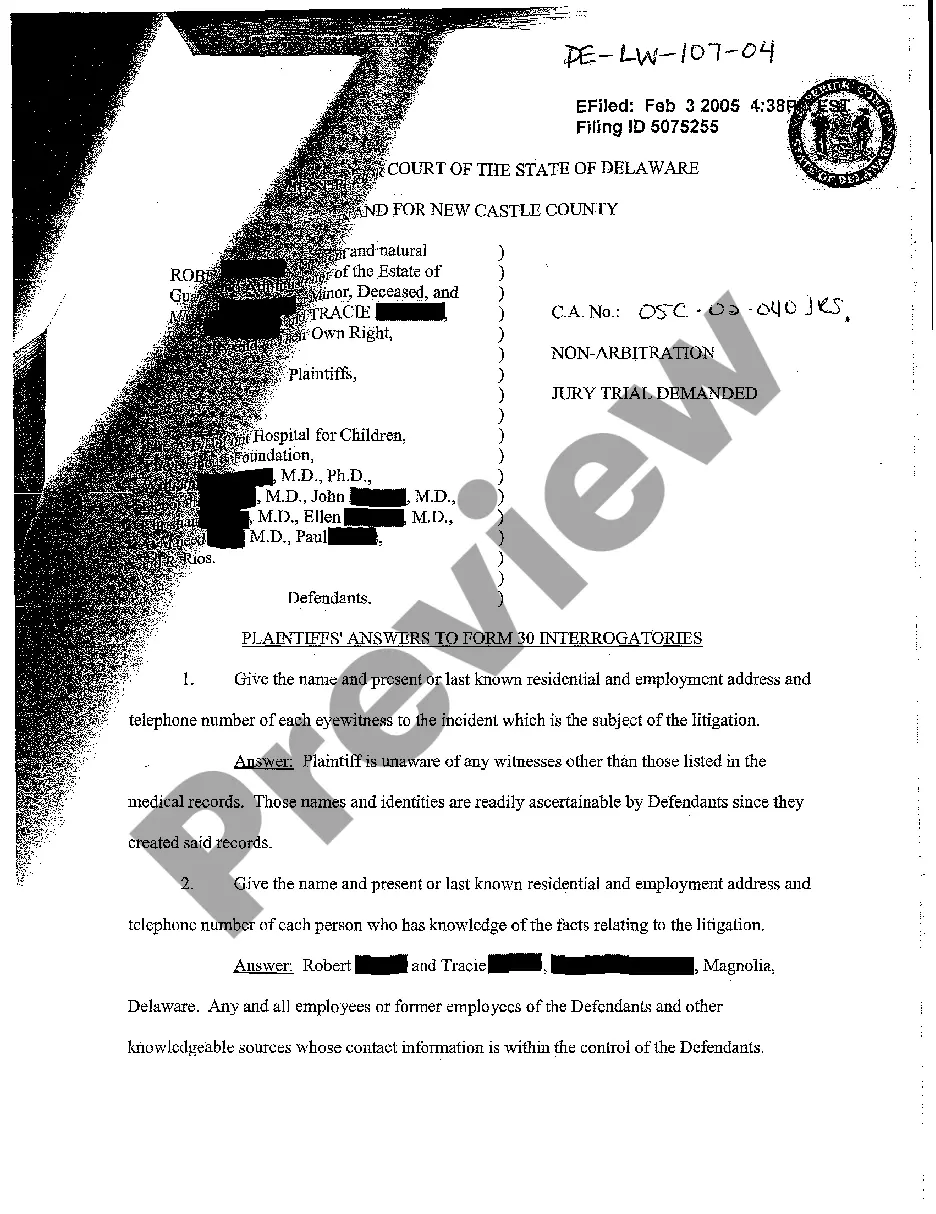
Any party may demand a trial by jury of any issue triable of right by a jury by (1) serving upon the other parties a demand therefor in writing at any time after the commencement of the action and not later than 10 days after the service of the last pleading directed to such issue, and (2) filing the demand as required ...