Jury Trial In Civil Cases Amendment In Arizona
Description
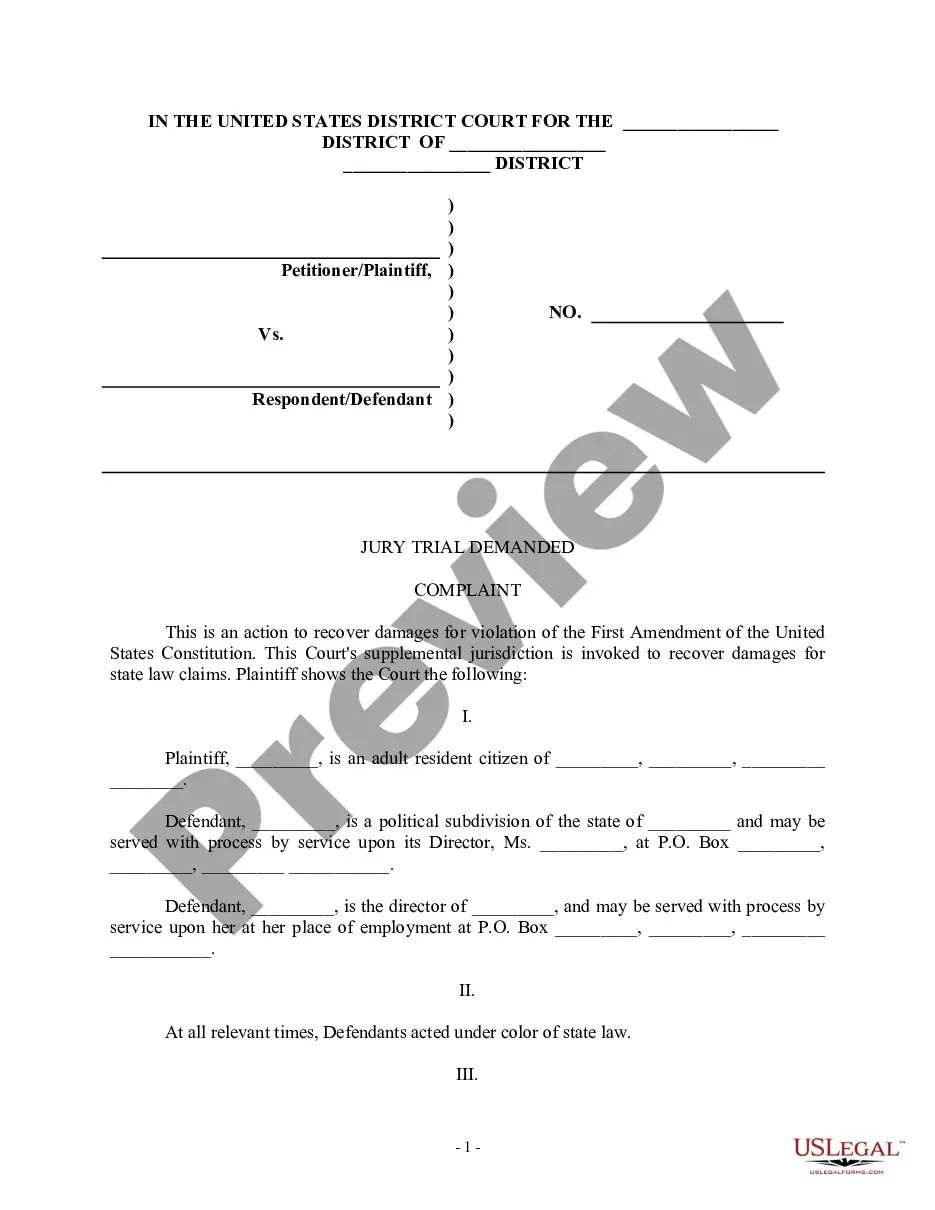
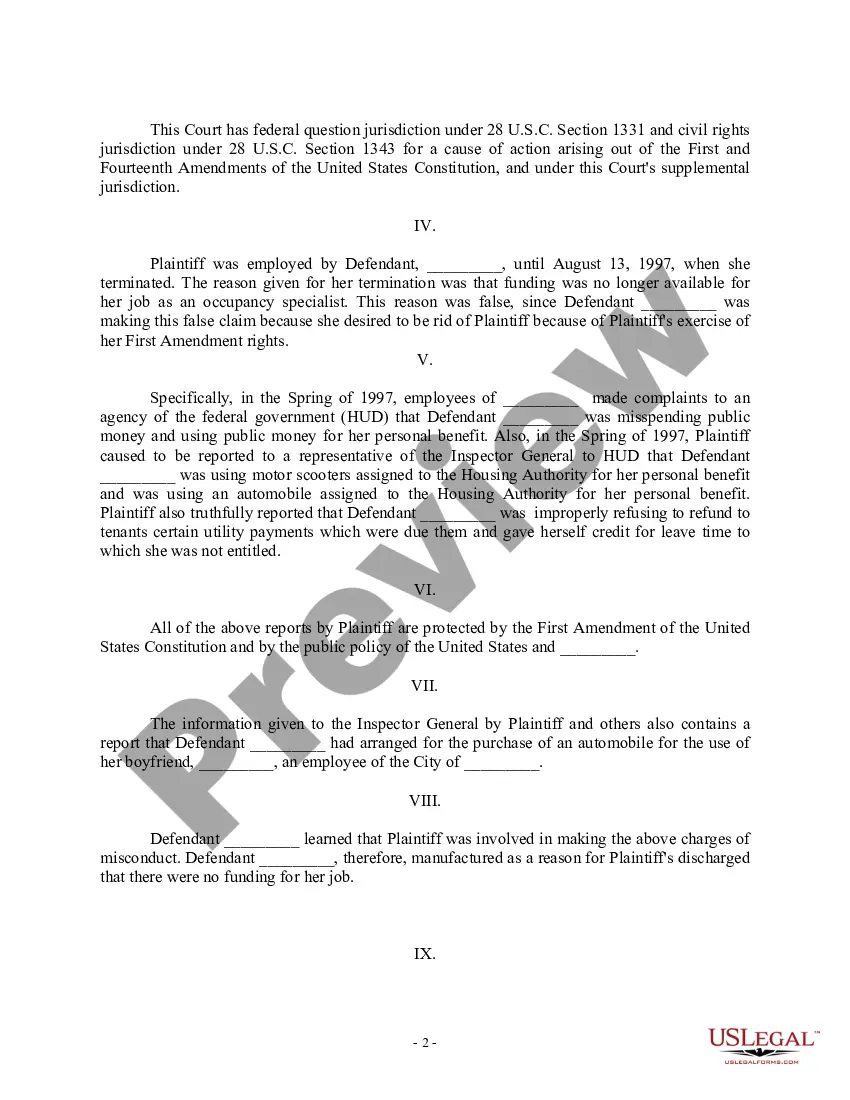
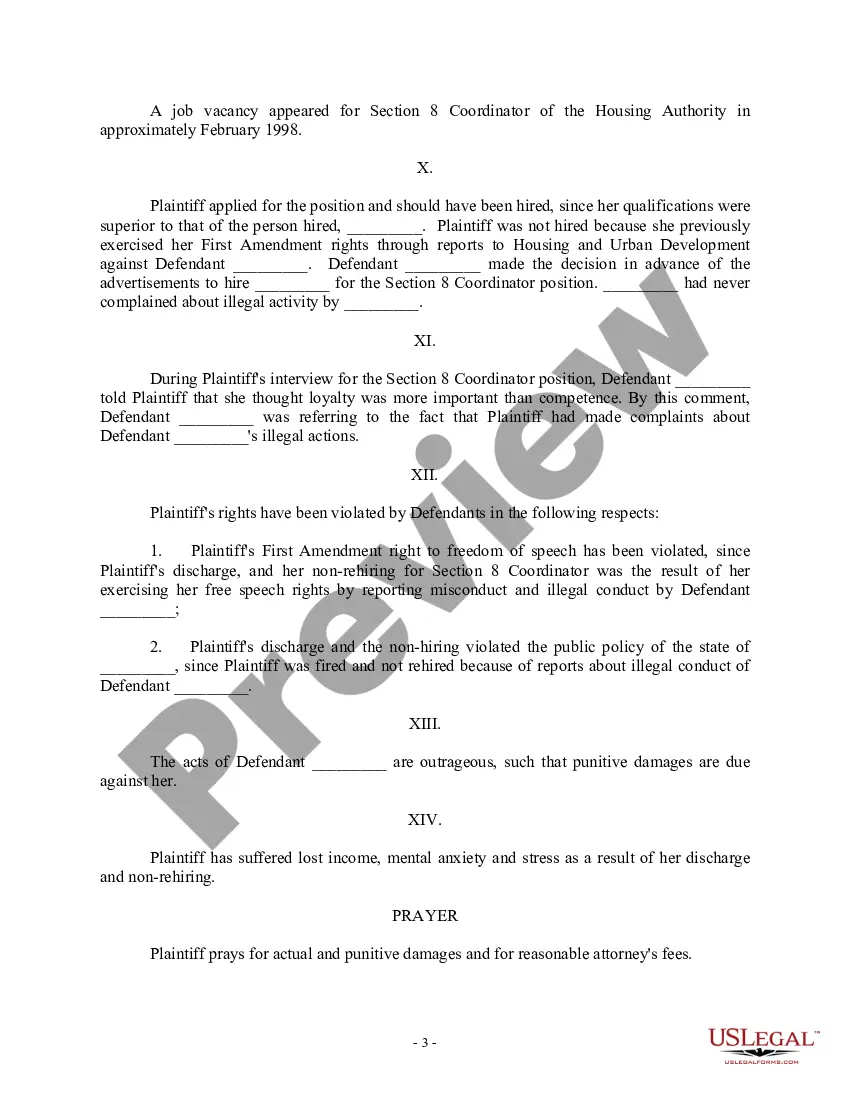
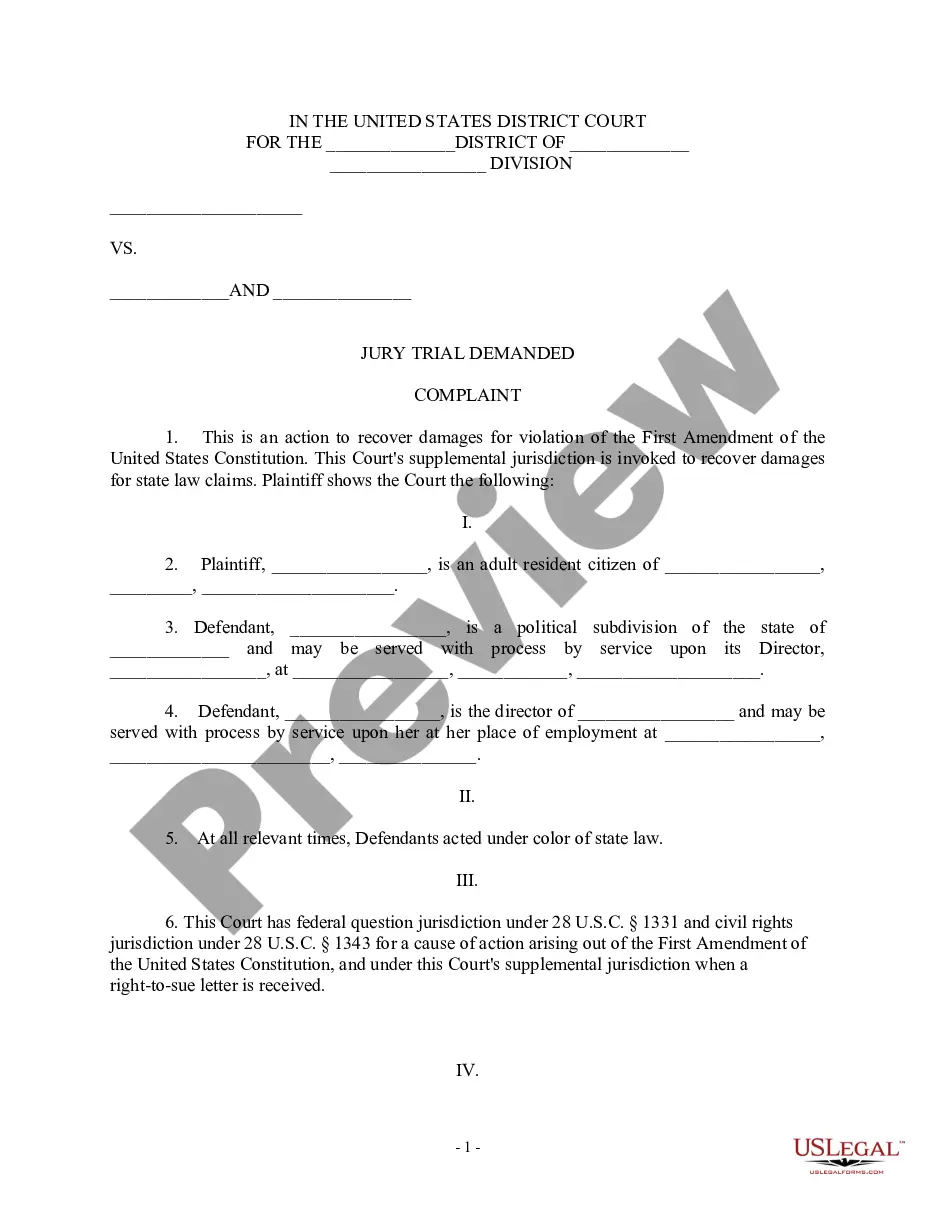
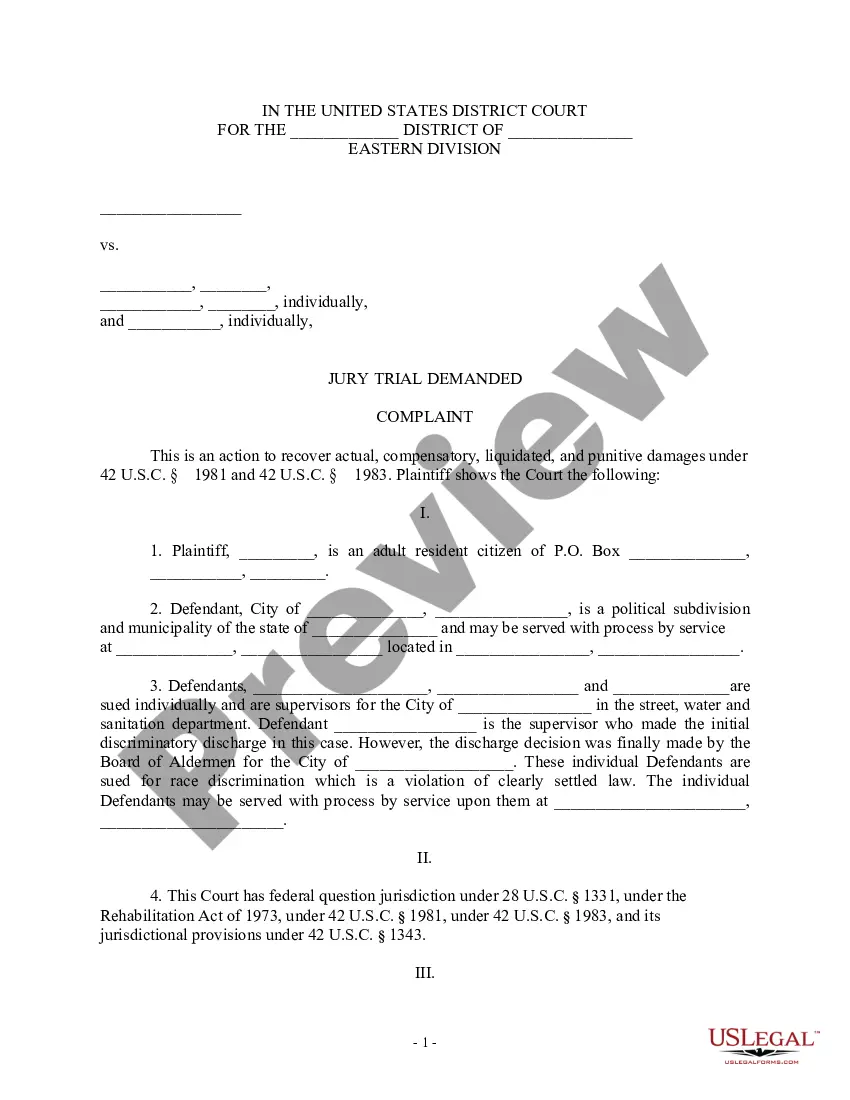
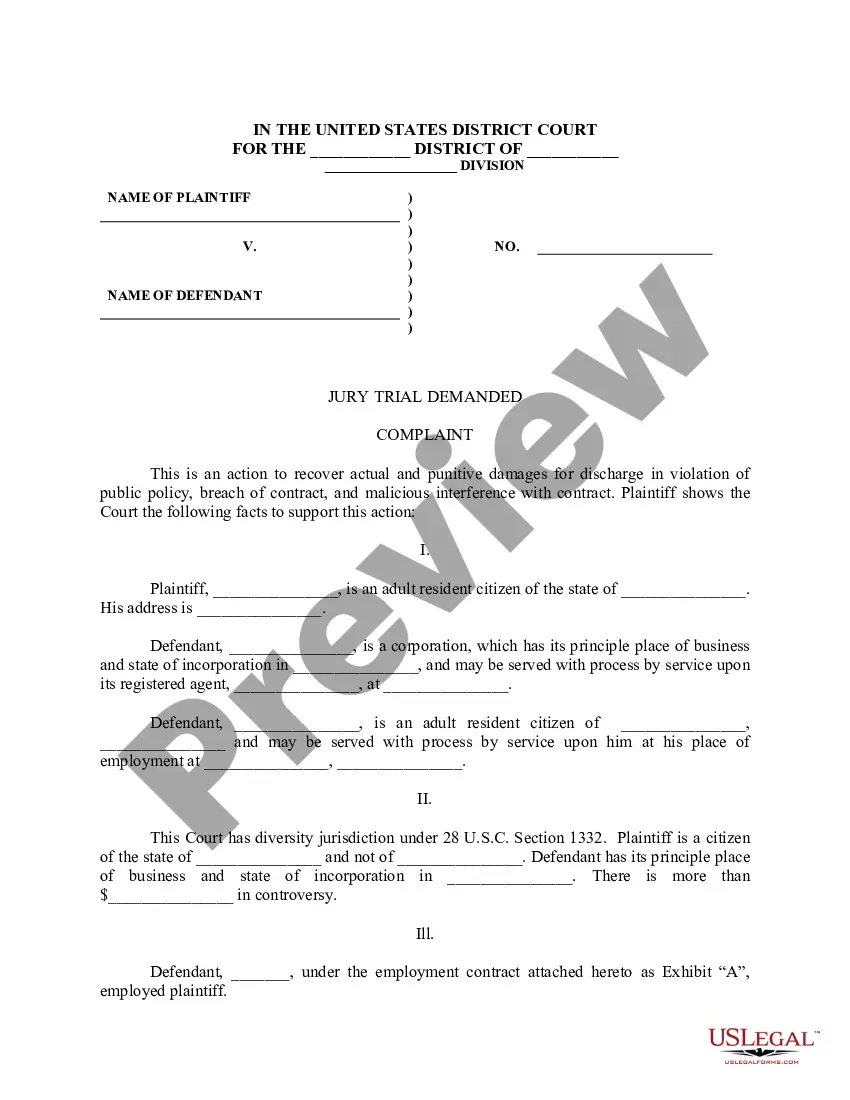
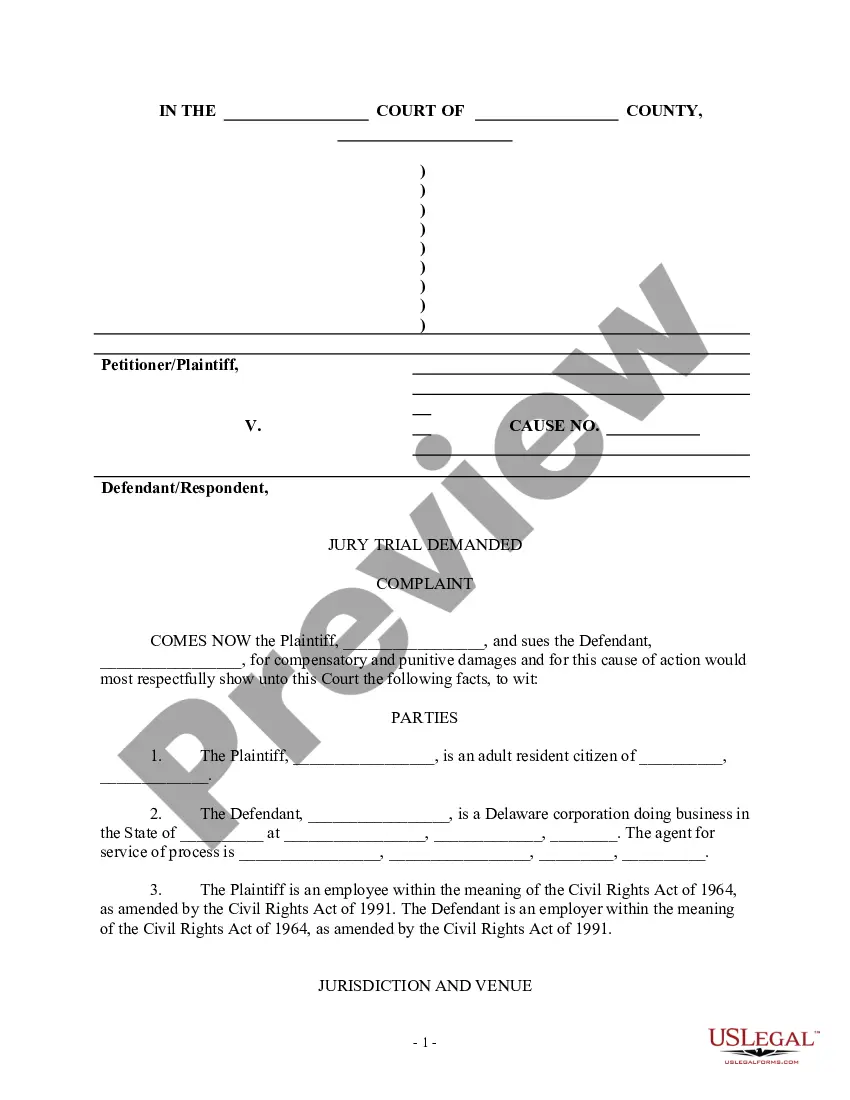
Get your form ready online
Our built-in tools help you complete, sign, share, and store your documents in one place.
Make edits, fill in missing information, and update formatting in US Legal Forms—just like you would in MS Word.
Download a copy, print it, send it by email, or mail it via USPS—whatever works best for your next step.
Sign and collect signatures with our SignNow integration. Send to multiple recipients, set reminders, and more. Go Premium to unlock E-Sign.
If this form requires notarization, complete it online through a secure video call—no need to meet a notary in person or wait for an appointment.
We protect your documents and personal data by following strict security and privacy standards.

Make edits, fill in missing information, and update formatting in US Legal Forms—just like you would in MS Word.

Download a copy, print it, send it by email, or mail it via USPS—whatever works best for your next step.

Sign and collect signatures with our SignNow integration. Send to multiple recipients, set reminders, and more. Go Premium to unlock E-Sign.

If this form requires notarization, complete it online through a secure video call—no need to meet a notary in person or wait for an appointment.

We protect your documents and personal data by following strict security and privacy standards.
Looking for another form?

Form popularity
FAQ
Constitutional Amendments – Amendment 7 – “The Right to Jury Trial in Civil Affairs”
Under the new version of Rule 68(g), the sanctions against a party who fails to obtain a more favorable judgment than the offer is “twenty percent of the difference between the amount of the offer and the amount of the final judgment.” This change applies to offers of judgment served on or after January 1, 2022.
The report shall contain a complete statement of all opinions to be expressed and the basis and reasons therefor; the data or other information considered by the witness in forming the opinions; any exhibits to be used as a summary of or support for the opinions; the qualifications of the witness, including a list of ...
Taking a deeper look at FRCP Rule 26 reveals that it: Mandates under Federal Rule of Civil Procedure 26(a)(1) that parties make initial disclosures of documents and witnesses central to fact-gathering. Enables written interrogatories and depositions to uncover further case evidence.
Discovery. (a) Witnesses. Within twenty days of the filing of a response, disciplinary counsel and the judge shall exchange the names and addresses of all persons known to have knowledge of the relevant facts, designating those persons the parties intend to call at the hearing.
Only these pleadings are allowed: a complaint; an answer to a complaint; a counterclaim; an answer to a counterclaim designated as a counterclaim; an answer to a crossclaim; a third-party complaint; an answer to a third-party complaint; and, if the court orders one, a reply to an answer.
P. 16.3. The settlement of a claim brought on behalf of a minor or adult in need of protection is not binding unless a judicial officer approves it as provided in Rule 53 of the Arizona Rules of Probate Procedure.
Rule 34(b) provides that a party must produce documents as they are kept in the usual course of business or must organize and label them to correspond with the categories in the discovery request.
Rule 34 provides for the inspection and, if desired, copying of discoverable documents. The costs of copying should be borne by the party that requests that copies be made.