Jury Trial For Eviction In California
Description
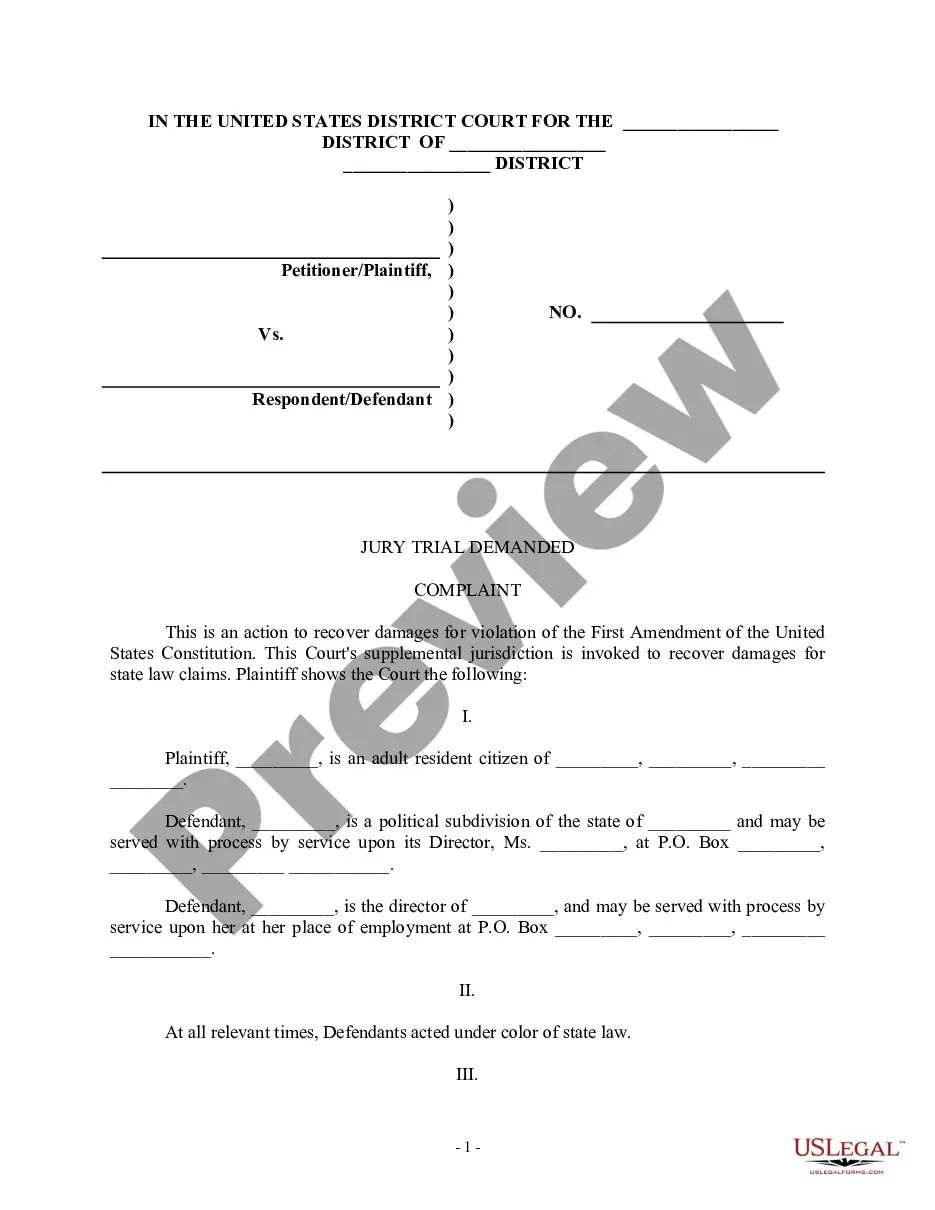
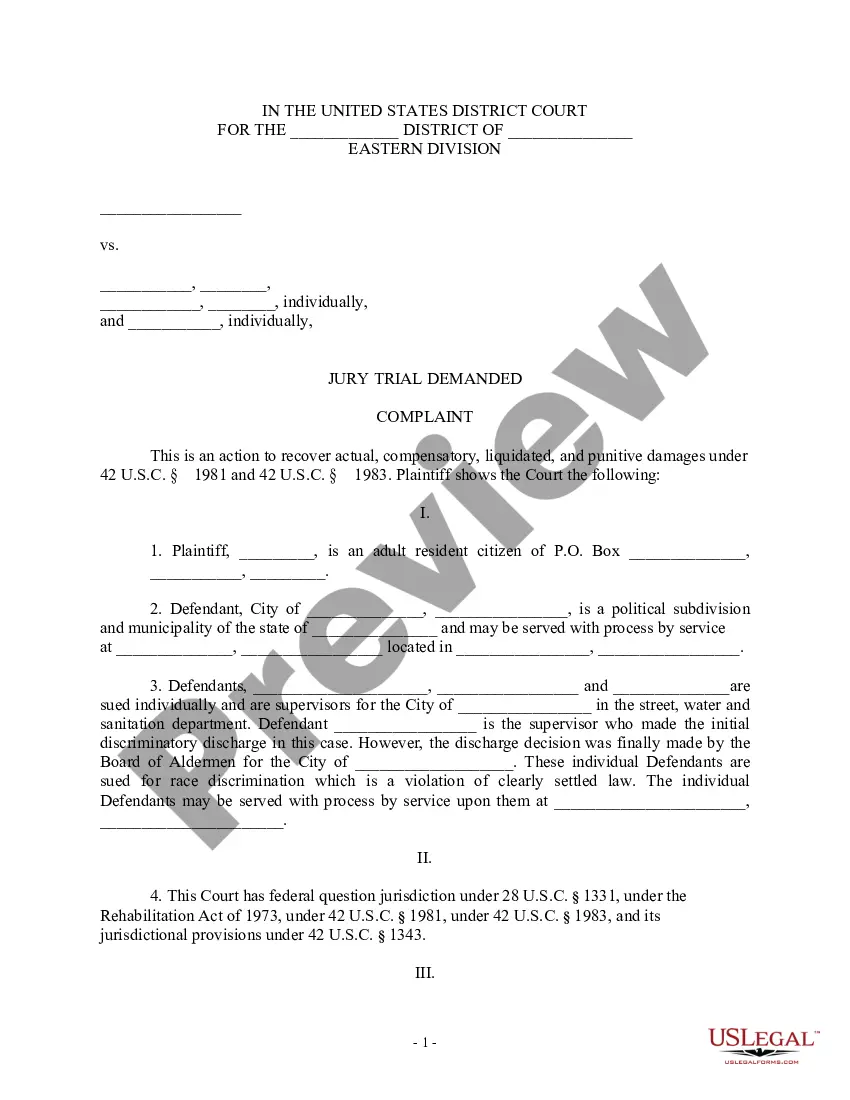
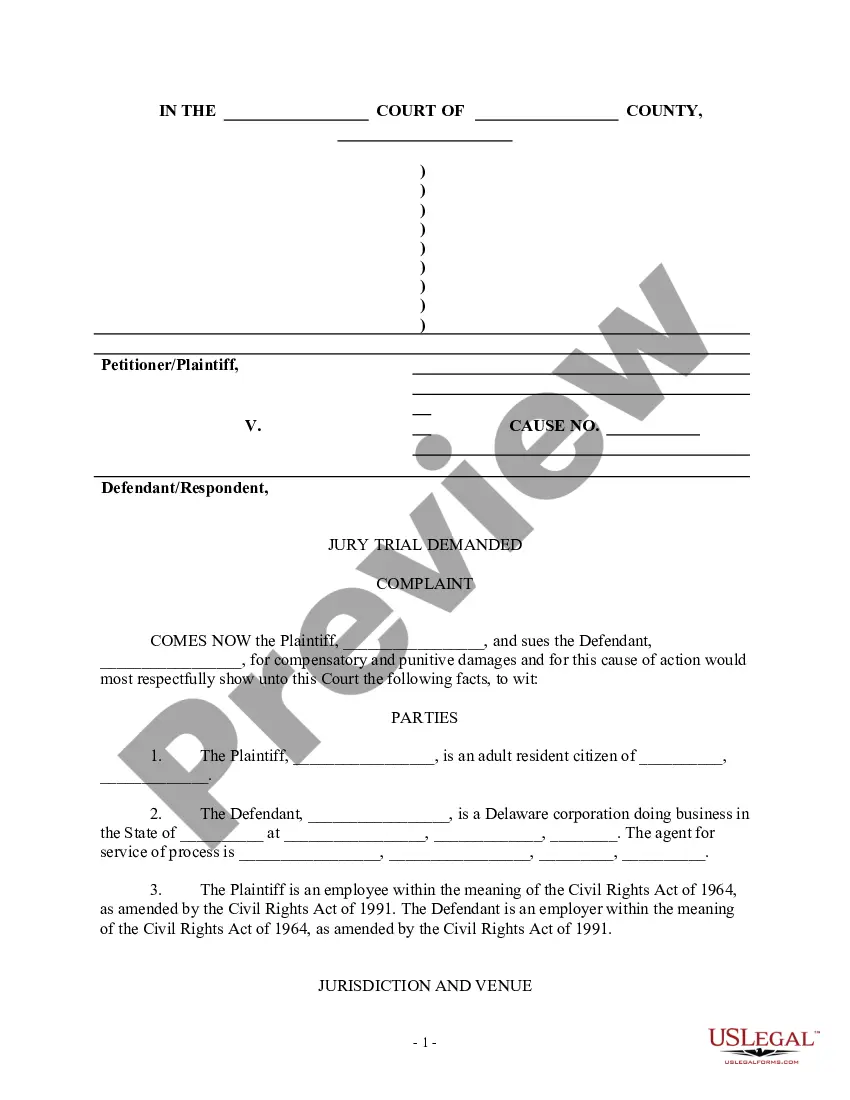
Get your form ready online
Our built-in tools help you complete, sign, share, and store your documents in one place.
Make edits, fill in missing information, and update formatting in US Legal Forms—just like you would in MS Word.
Download a copy, print it, send it by email, or mail it via USPS—whatever works best for your next step.
Sign and collect signatures with our SignNow integration. Send to multiple recipients, set reminders, and more. Go Premium to unlock E-Sign.
If this form requires notarization, complete it online through a secure video call—no need to meet a notary in person or wait for an appointment.
We protect your documents and personal data by following strict security and privacy standards.
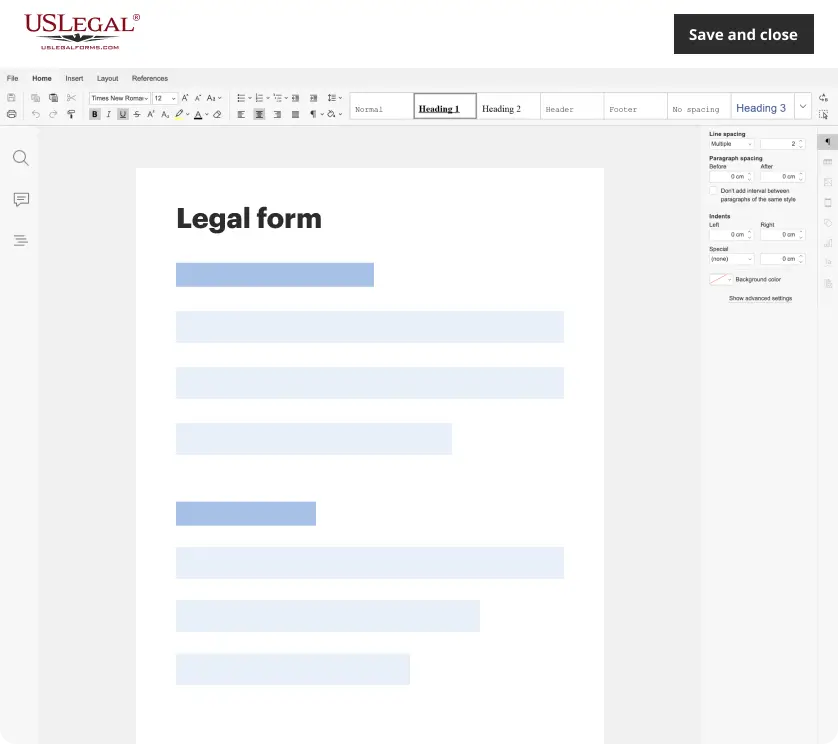
Make edits, fill in missing information, and update formatting in US Legal Forms—just like you would in MS Word.
Download a copy, print it, send it by email, or mail it via USPS—whatever works best for your next step.
Sign and collect signatures with our SignNow integration. Send to multiple recipients, set reminders, and more. Go Premium to unlock E-Sign.

If this form requires notarization, complete it online through a secure video call—no need to meet a notary in person or wait for an appointment.
We protect your documents and personal data by following strict security and privacy standards.
Looking for another form?
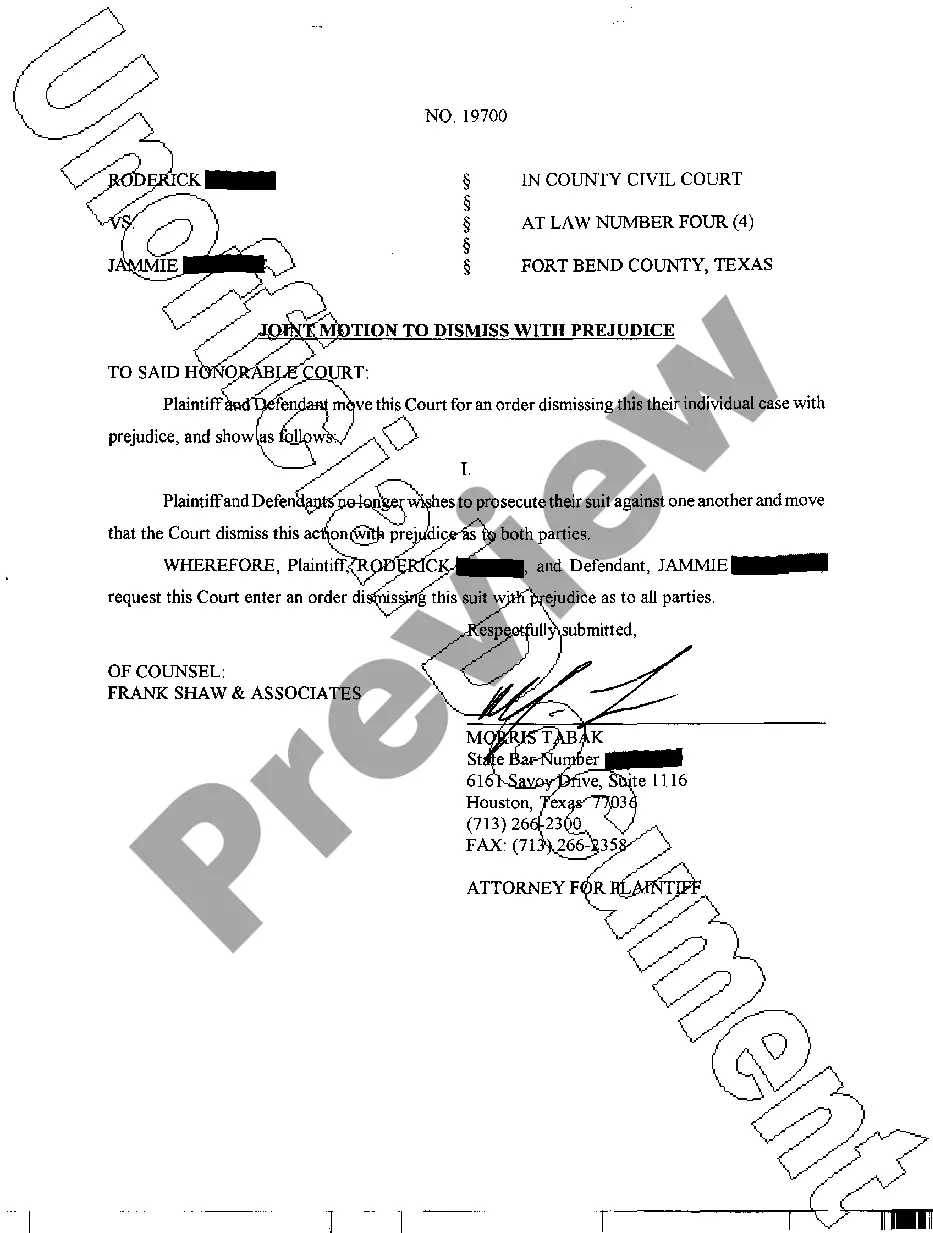

Form popularity
FAQ
File a motion to vacate the eviction judgment. This is a formal request to the court to ask them to overturn the eviction judgment. Gather evidence to support your claim that the eviction was illegal. This may include copies of your rent checks,your lease agreement,and the summons that was sent to you.
Gather Necessary Information. Collect all pertinent information related to your eviction. This includes your lease agreement, documentation of rent payments, communication with the landlord, and any other relevant records. The more evidence you have to support your case, the stronger your letter will be.
SAN DIEGO — California has passed Assembly Bill 2347 (AB 2347), extending the time tenants must respond to eviction notices. Governor Gavin Newsom signed the bill into law on September 24, 2024, and it will take effect on January 1, 2025. The bill will substantially change the state's eviction process.
File the Request for Dismissal with the court Bring the originals and copies of the Request for Dismissal to the clerk at the courthouse where the case was originally filed. They will file the forms and return the copy to you. Keep the copy for your records.
The composition of the Jury typically consists of the last seven or nine evicted houseguests, excluding the Final 2.
In California, once a tenant has given a notice of intent to vacate, they are typically bound by this notice. However, if the tenant wishes to rescind their notice, it would require the landlord's agreement. The landlord is not legally obligated to accept the retraction of the notice.
Unless and until the judge grants the motion and sets the eviction order aside, the eviction order is valid and enforceable (unless the court orders otherwise). The tenant can file a motion to stay, discussed above, to request that the eviction be delayed (up to ten days), but any delay is at the court's discretion.
If you want to stop an eviction, you must file your appeal before you are removed from the rental unit. Once you are evicted (removed), there is no ready way to "undo" the removal and get back into the property.
California passed a new landlord-tenant law that will provide additional protections for renters around just cause evictions. The law took effect on April 1, 2024, and requires landlords to have just cause to terminate tenancy after a California tenant has been placed in the unit for 12 months.
What's the difference between a Jury Trial and a Court Trial? In a jury trial, the decision of guilt or innocence is decided by either 6 or 12 citizens who listen to the evidence and make the decision. In a court trial, there is no jury present. The judge listens to the evidence and makes the decision.