Defect Products For Sale In Illinois
Description
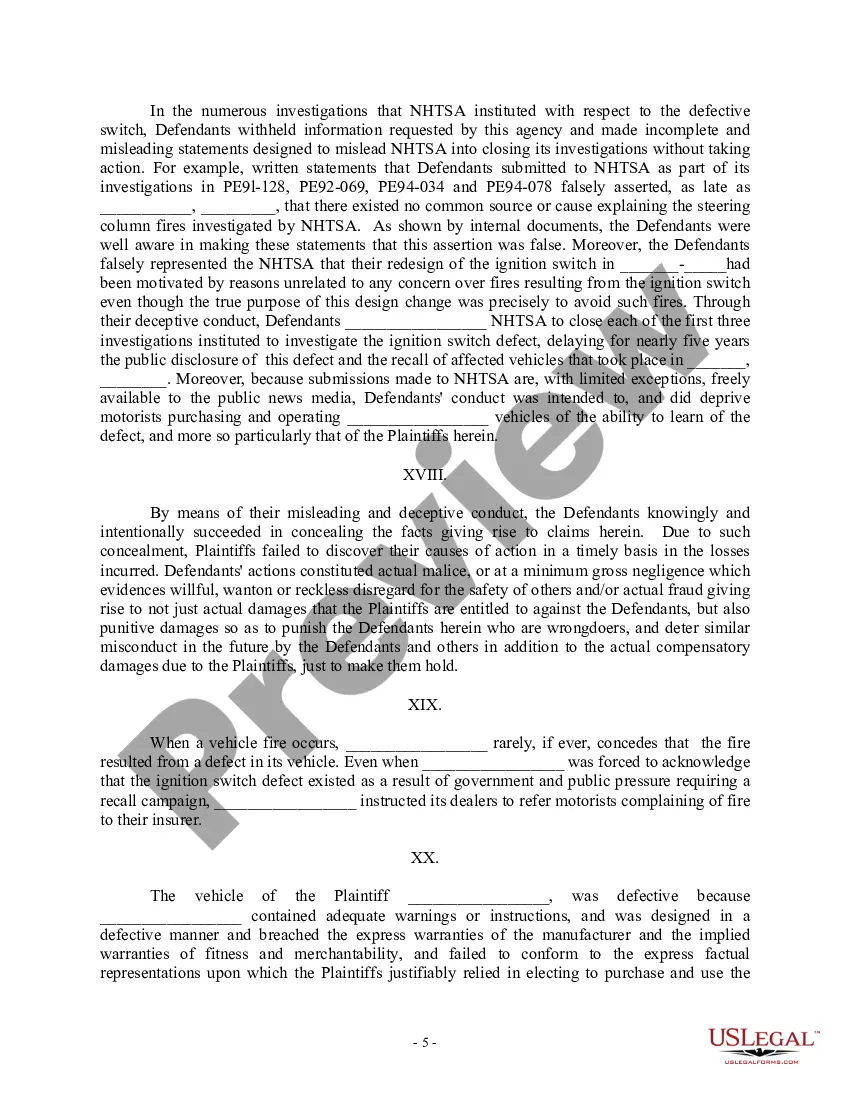
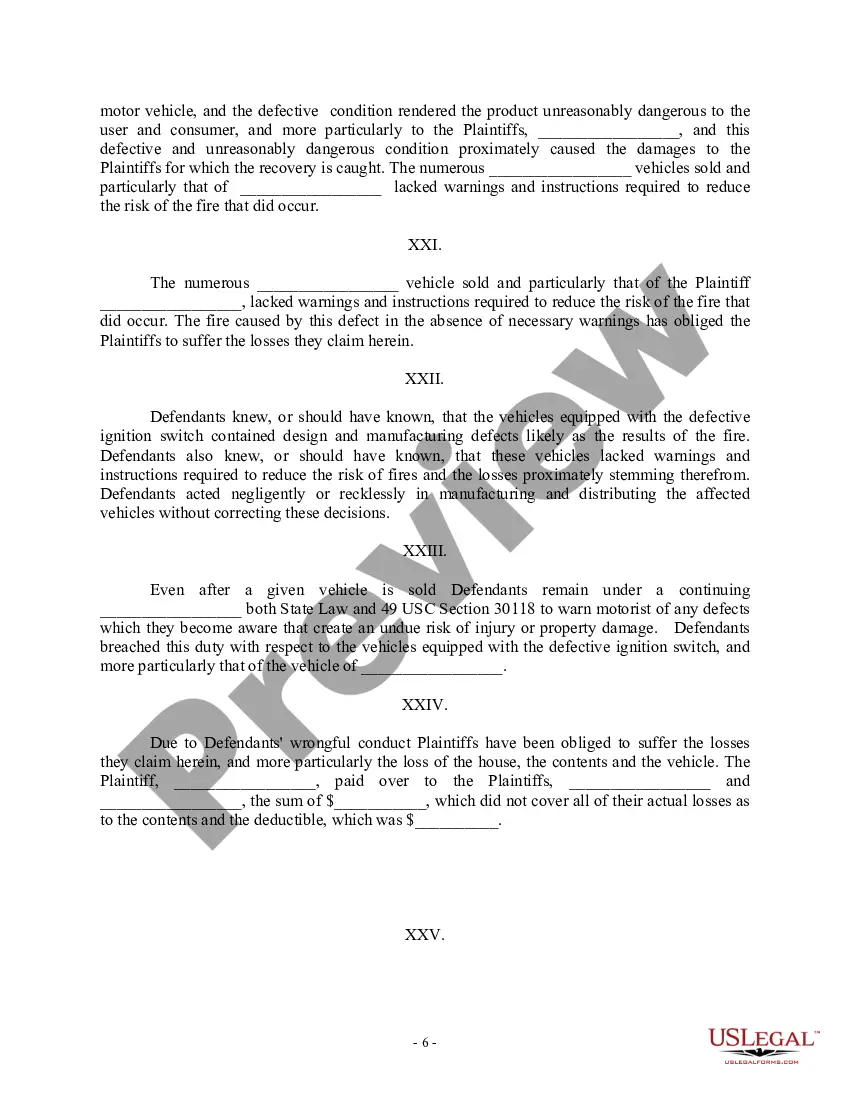
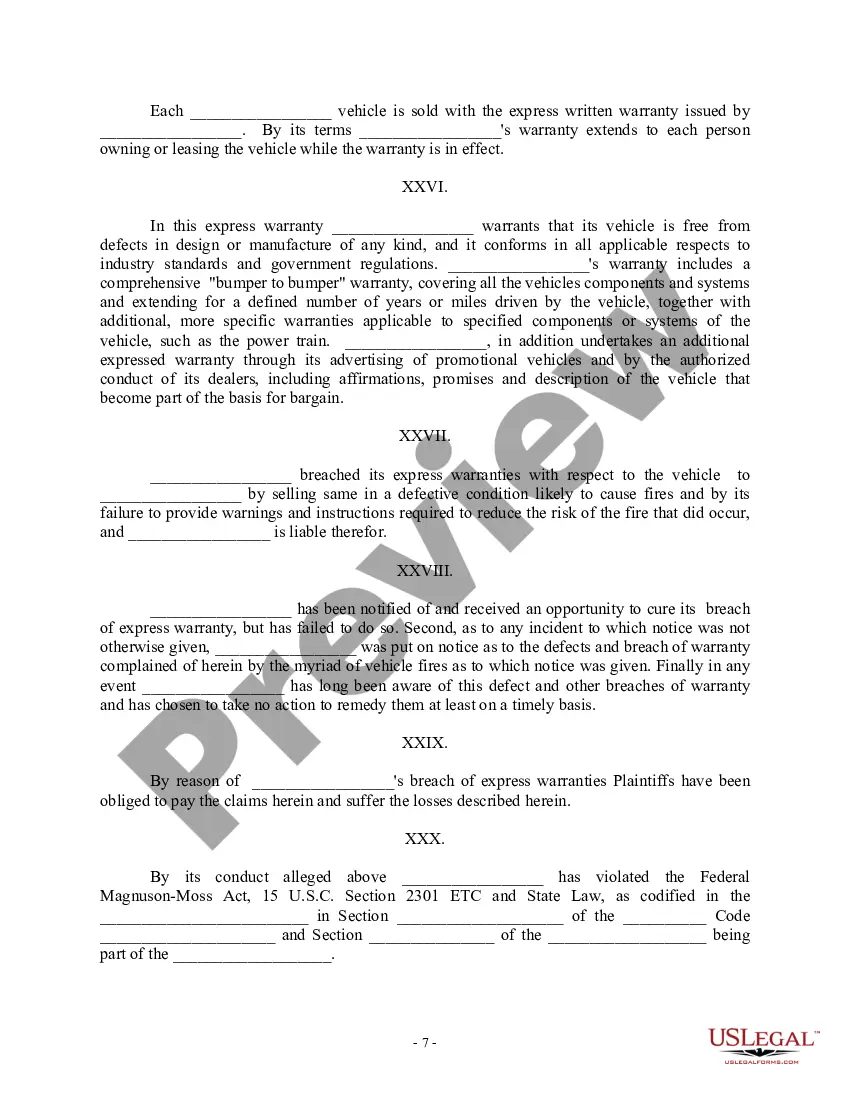
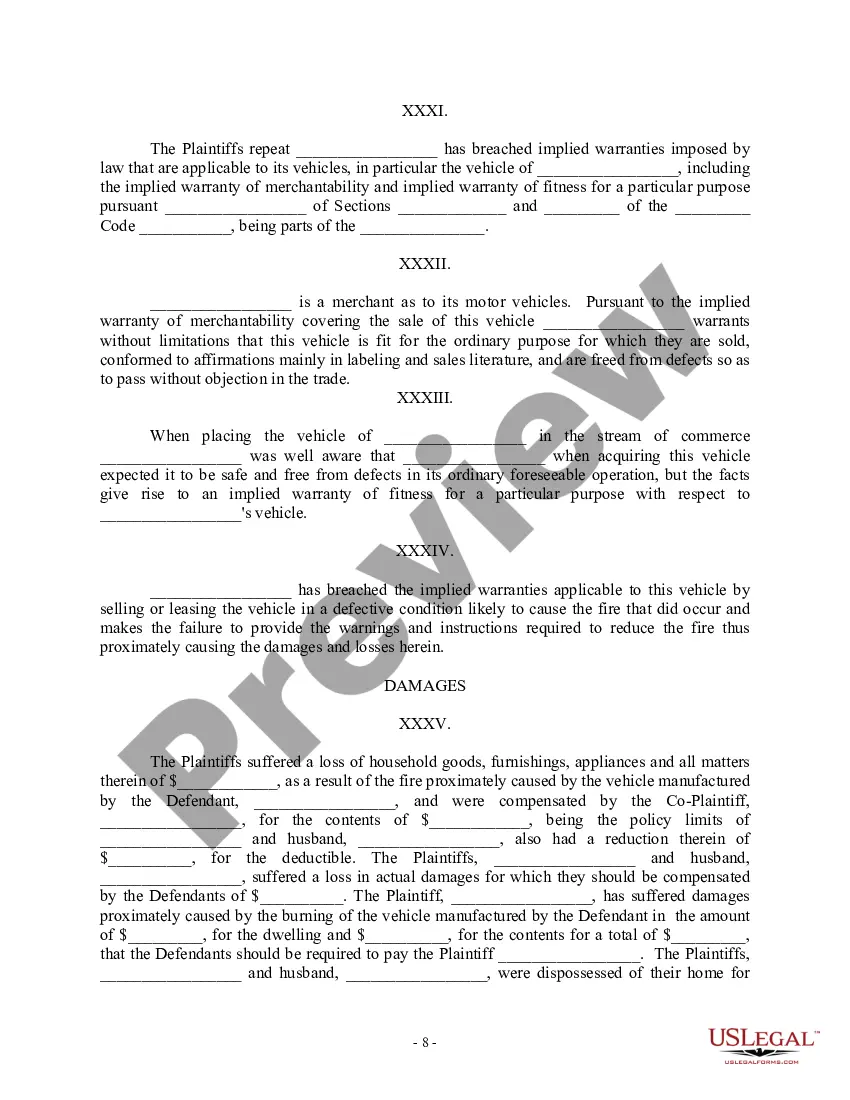
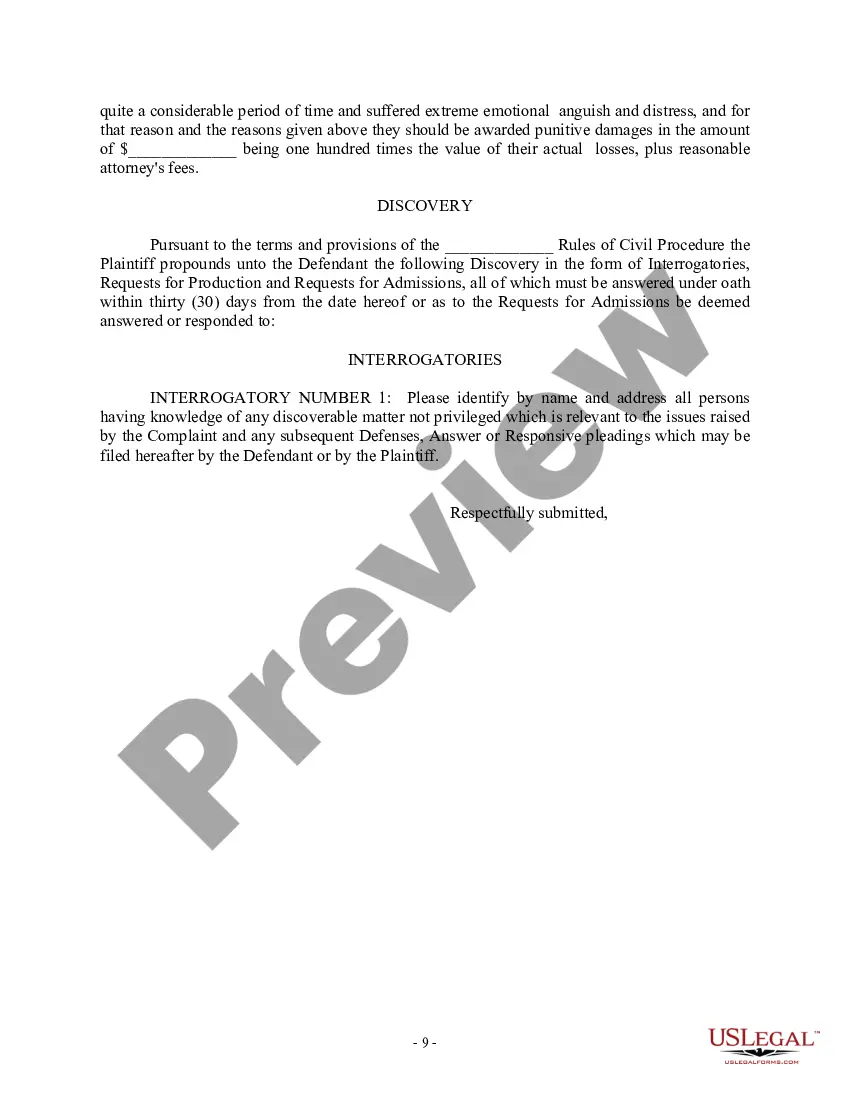
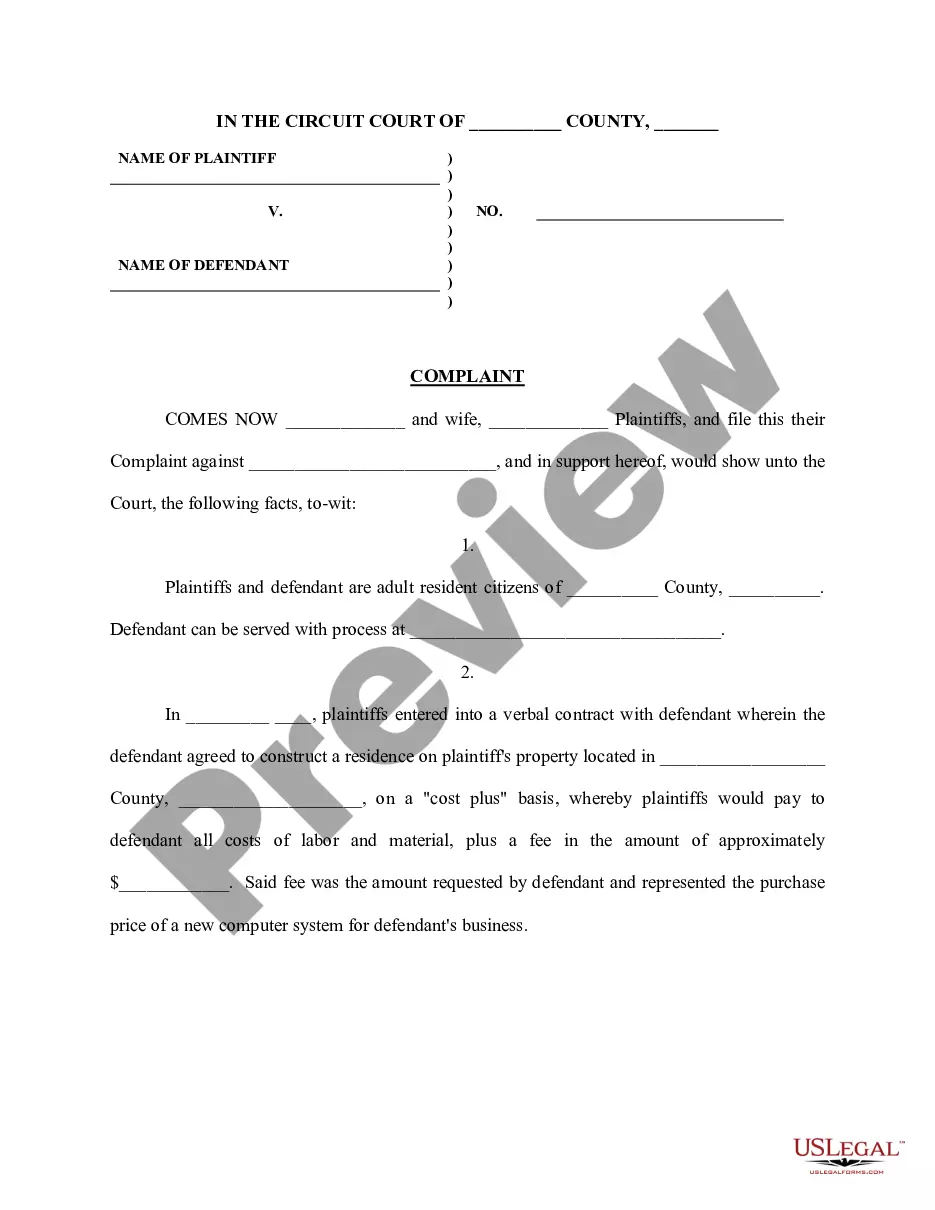
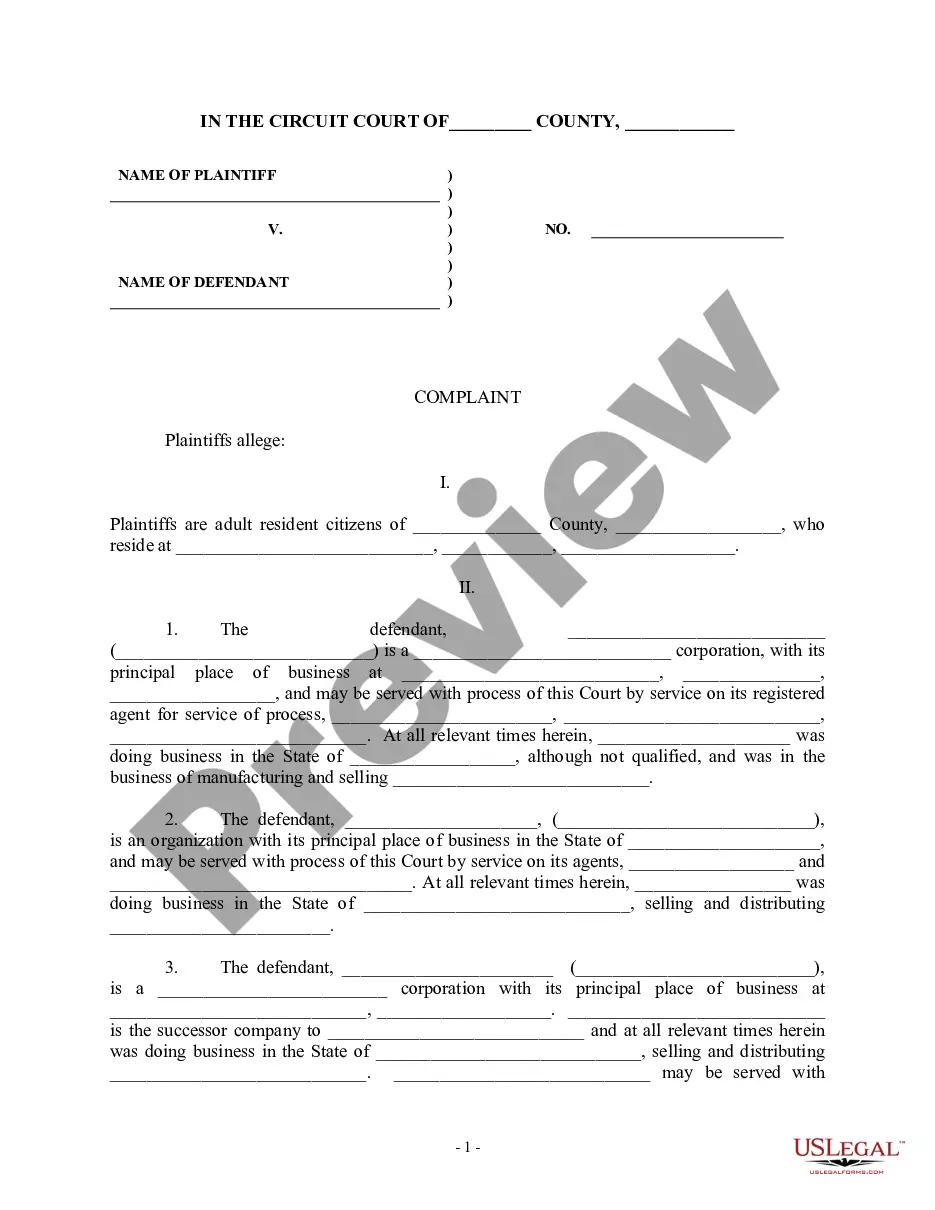


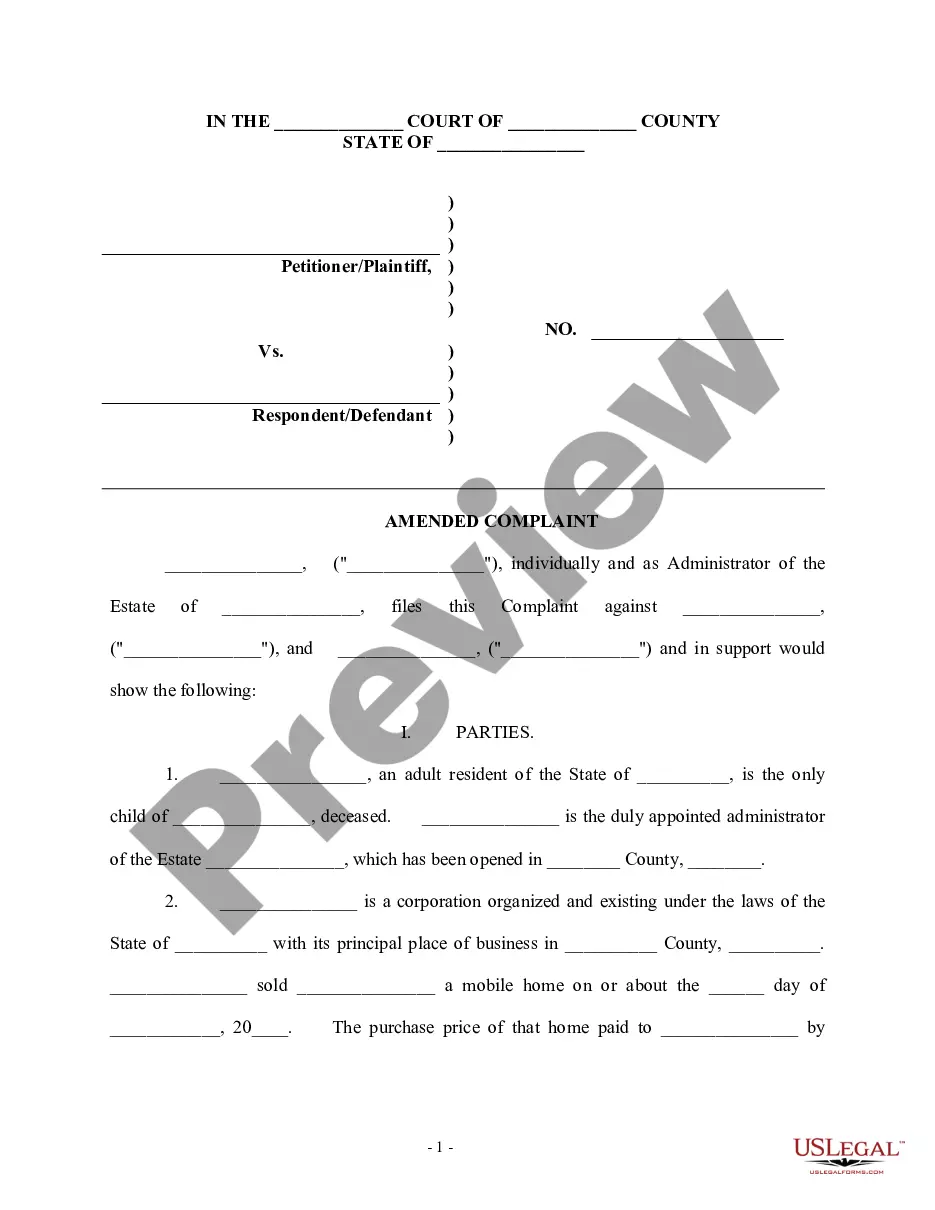
Get your form ready online
Our built-in tools help you complete, sign, share, and store your documents in one place.
Make edits, fill in missing information, and update formatting in US Legal Forms—just like you would in MS Word.
Download a copy, print it, send it by email, or mail it via USPS—whatever works best for your next step.
Sign and collect signatures with our SignNow integration. Send to multiple recipients, set reminders, and more. Go Premium to unlock E-Sign.
If this form requires notarization, complete it online through a secure video call—no need to meet a notary in person or wait for an appointment.
We protect your documents and personal data by following strict security and privacy standards.

Make edits, fill in missing information, and update formatting in US Legal Forms—just like you would in MS Word.

Download a copy, print it, send it by email, or mail it via USPS—whatever works best for your next step.

Sign and collect signatures with our SignNow integration. Send to multiple recipients, set reminders, and more. Go Premium to unlock E-Sign.

If this form requires notarization, complete it online through a secure video call—no need to meet a notary in person or wait for an appointment.

We protect your documents and personal data by following strict security and privacy standards.
Looking for another form?







Form popularity
FAQ
Defective products can result from design flaws, manufacturing errors, or inadequate warnings. Common examples include faulty electronics that overheat, dangerous toys with small parts, and defective automotive components that cause accidents.
There are three types of product defects: design defects, manufacturing defects, and warning/instruction defects. All three types of defects have to do with a product being faulty or inadequate in some way.
If a conscientious company has discovered a defect with one of its products, it may issue a product recall. Through the recall, they accept the financial burden of replacing, fixing, or reimbursing consumers for the defective goods.
When a product is defective, it means that the product has some kind of flaw or problem that makes it unreasonably dangerous to use. A product may be defective because of poor design, manufacturing errors, or a failure to warn consumers about potential dangers.
If a product you purchased is defective, you can get a refund and/or a buy-back from the manufacturer. You have rights as a consumer to file a complaint in consumer court to solve the problem. You can do this by sending a legal notice to the seller or service provider.
For example, a car design that makes the vehicle prone to rolling over, a toy designed with small parts that can cause choking, or a piece of furniture that is unstable and likely to tip over can all have design defects.
A toy box was defectively manufactured – the hinges were not installed properly on the lid. If a child is playing with the box and the lid closes too quickly because of the defective hinges, it can cause serious injuries to the child.
Illinois Product Defect Statute of Limitations In Illinois, a product liability lawsuit must be filed with the court within five years for claims related to property damage and two years for personal injury claims.
It might be worth contacting the manufacturer initially, just to make sure you're using the product correctly. But if the problem truly is a defect, it's best to return the item for a refund or exchange—if the retailer allows it and you're still in the return period.
You can usually still get a full refund due to what's called your 'short-term right to reject'. After that only expect exchange, repair or part-refund. Within six months. The shop must prove goods weren't faulty when they sold them – after that, you must prove they were.