Product Defect Examples In Houston
Description
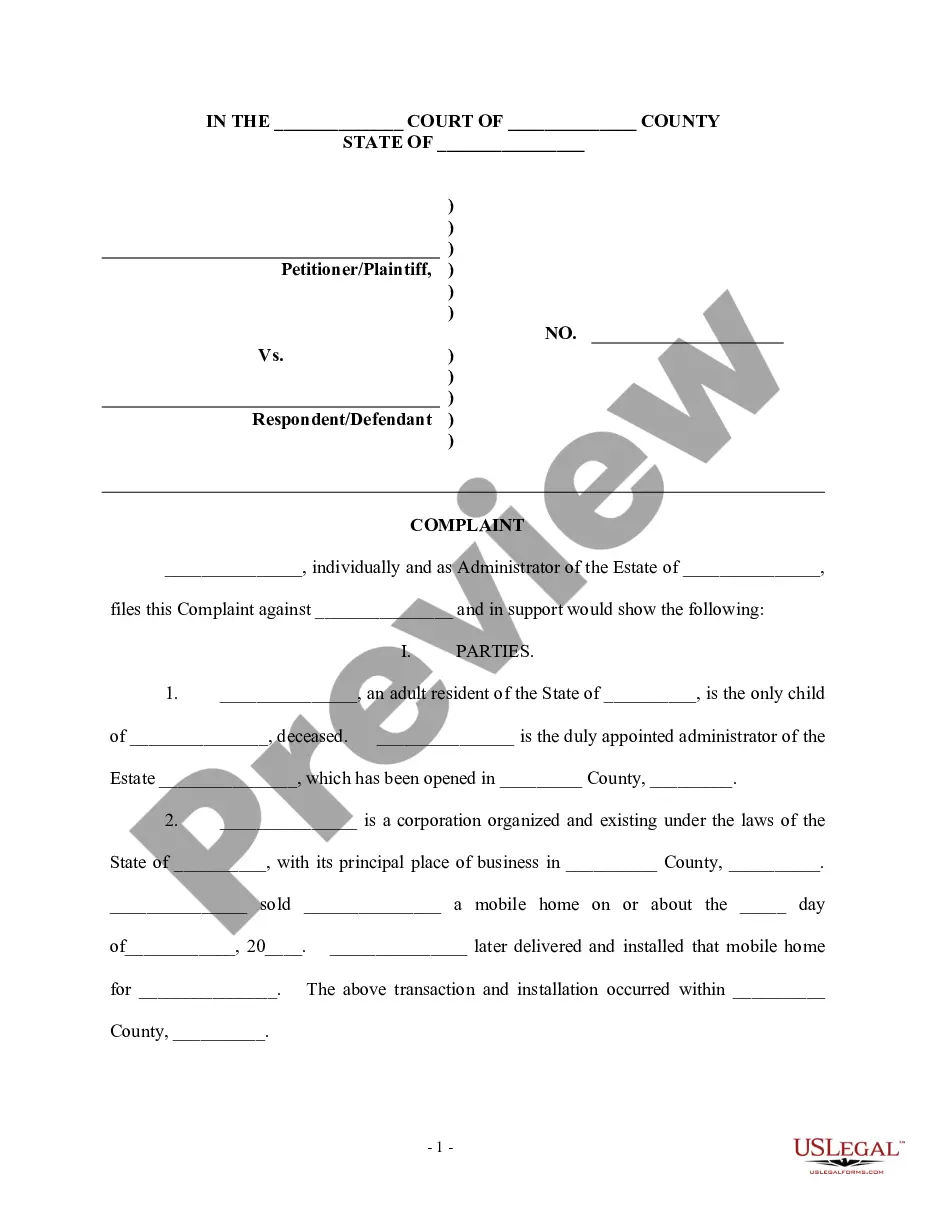
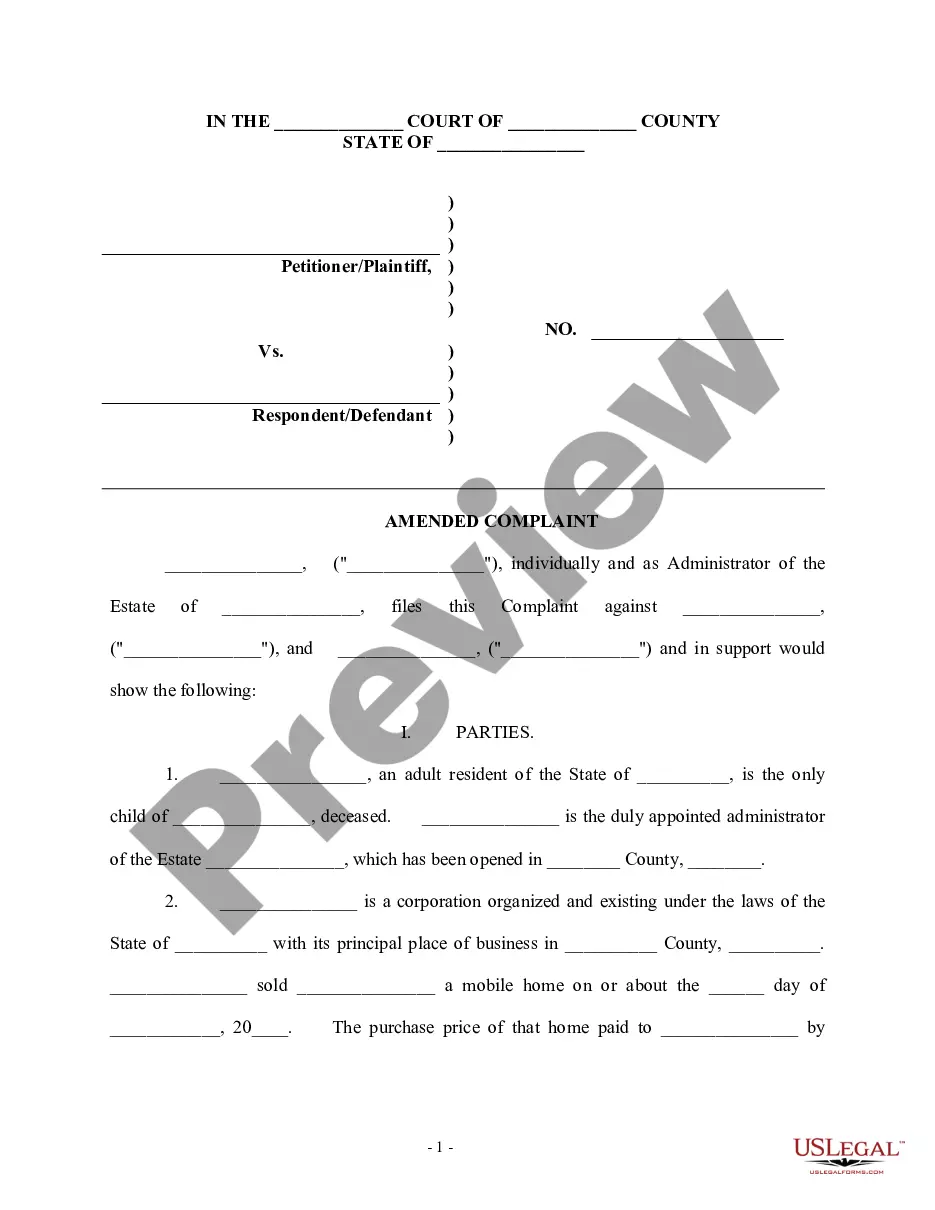
Get your form ready online
Our built-in tools help you complete, sign, share, and store your documents in one place.
Make edits, fill in missing information, and update formatting in US Legal Forms—just like you would in MS Word.
Download a copy, print it, send it by email, or mail it via USPS—whatever works best for your next step.
Sign and collect signatures with our SignNow integration. Send to multiple recipients, set reminders, and more. Go Premium to unlock E-Sign.
If this form requires notarization, complete it online through a secure video call—no need to meet a notary in person or wait for an appointment.
We protect your documents and personal data by following strict security and privacy standards.

Make edits, fill in missing information, and update formatting in US Legal Forms—just like you would in MS Word.

Download a copy, print it, send it by email, or mail it via USPS—whatever works best for your next step.

Sign and collect signatures with our SignNow integration. Send to multiple recipients, set reminders, and more. Go Premium to unlock E-Sign.

If this form requires notarization, complete it online through a secure video call—no need to meet a notary in person or wait for an appointment.

We protect your documents and personal data by following strict security and privacy standards.
Looking for another form?










Form popularity
FAQ
There are three types of product defects: design defects, manufacturing defects, and warning/instruction defects. All three types of defects have to do with a product being faulty or inadequate in some way.
Manufacturing Defects For example, a screw might not be tightened properly during assembly, causing it to come loose during the operation of the product. Other examples include poor quality control standards or lack of testing before the release of a product onto the market.
Defects may occur due to poor workmanship, careless packaging or assembly, faulty design, failure to warn of risks or hazardous consequences if a product is not used as intended, and so on.
A toy box was defectively manufactured – the hinges were not installed properly on the lid. If a child is playing with the box and the lid closes too quickly because of the defective hinges, it can cause serious injuries to the child.
Reporting Consumer Products Begin by filing a report at .SaferProducts or call their hotline at (800) 638-2772. They will ask you to provide detailed information about the product, the incident, and, whenever possible, photographs of the defective item.
A toy box was defectively manufactured – the hinges were not installed properly on the lid. If a child is playing with the box and the lid closes too quickly because of the defective hinges, it can cause serious injuries to the child.
Defective products can result from design flaws, manufacturing errors, or inadequate warnings. Common examples include faulty electronics that overheat, dangerous toys with small parts, and defective automotive components that cause accidents.
Examples of defective or inappropriate equipment in the workplace could include: Machines which do not have guards to prevent fingers and hands getting caught. Inappropriate or temporary repairs to equipment which makes that equipment categorically unsafe. Equipment which is broken.
When a product is defective, it means that the product has some kind of flaw or problem that makes it unreasonably dangerous to use. A product may be defective because of poor design, manufacturing errors, or a failure to warn consumers about potential dangers.