Defect Product In In Arizona
Description
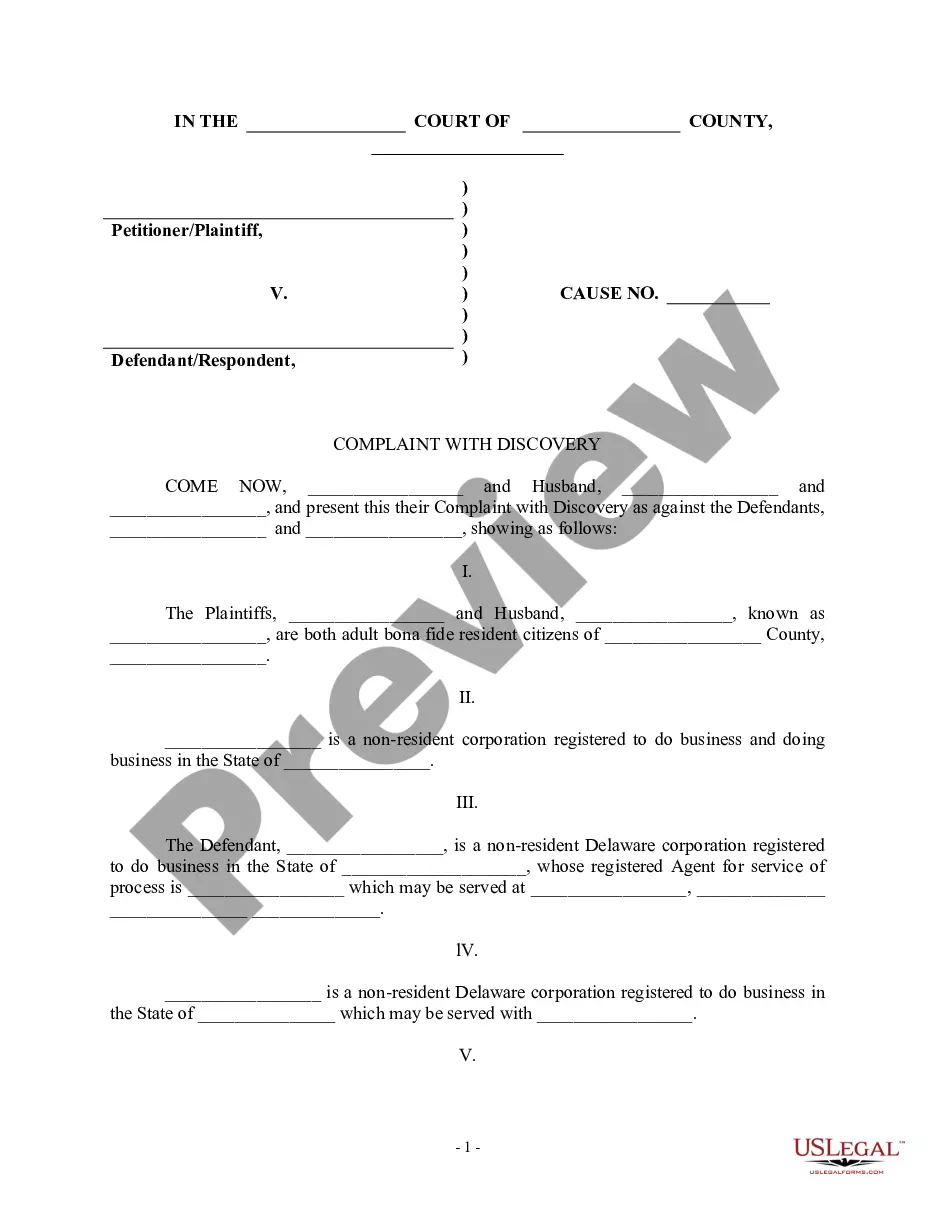
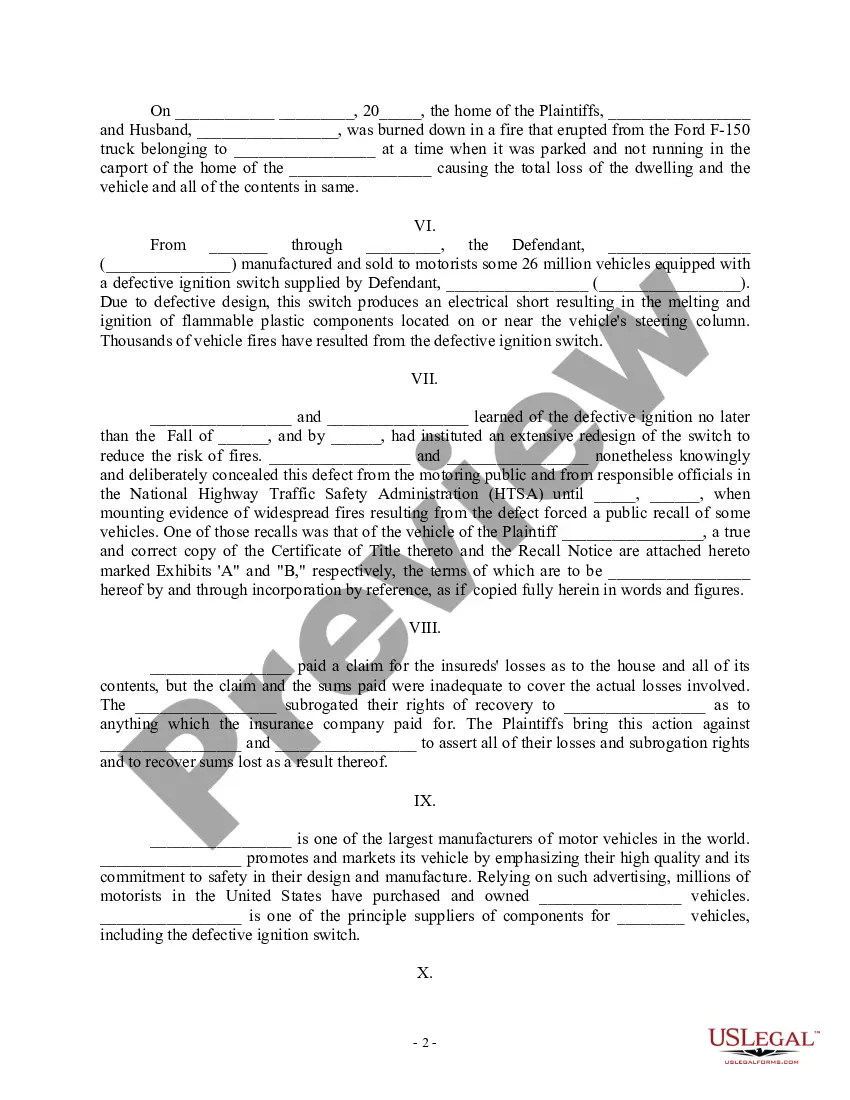
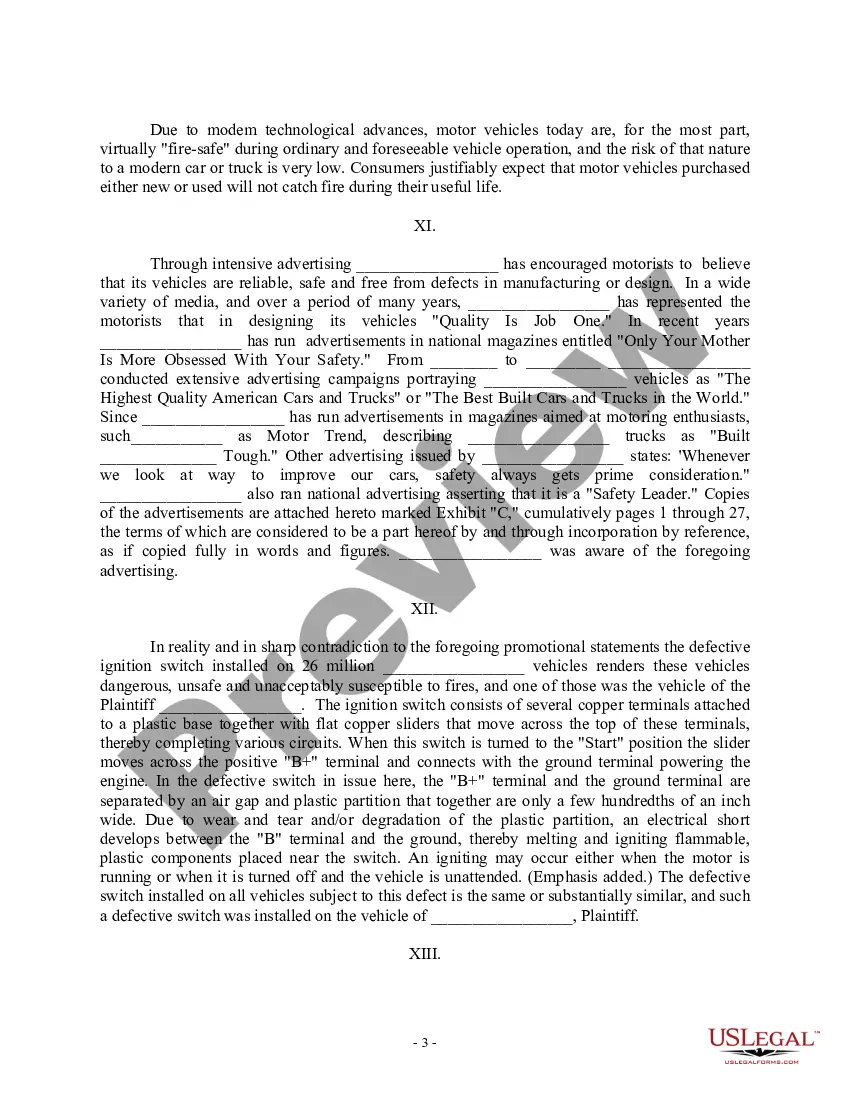
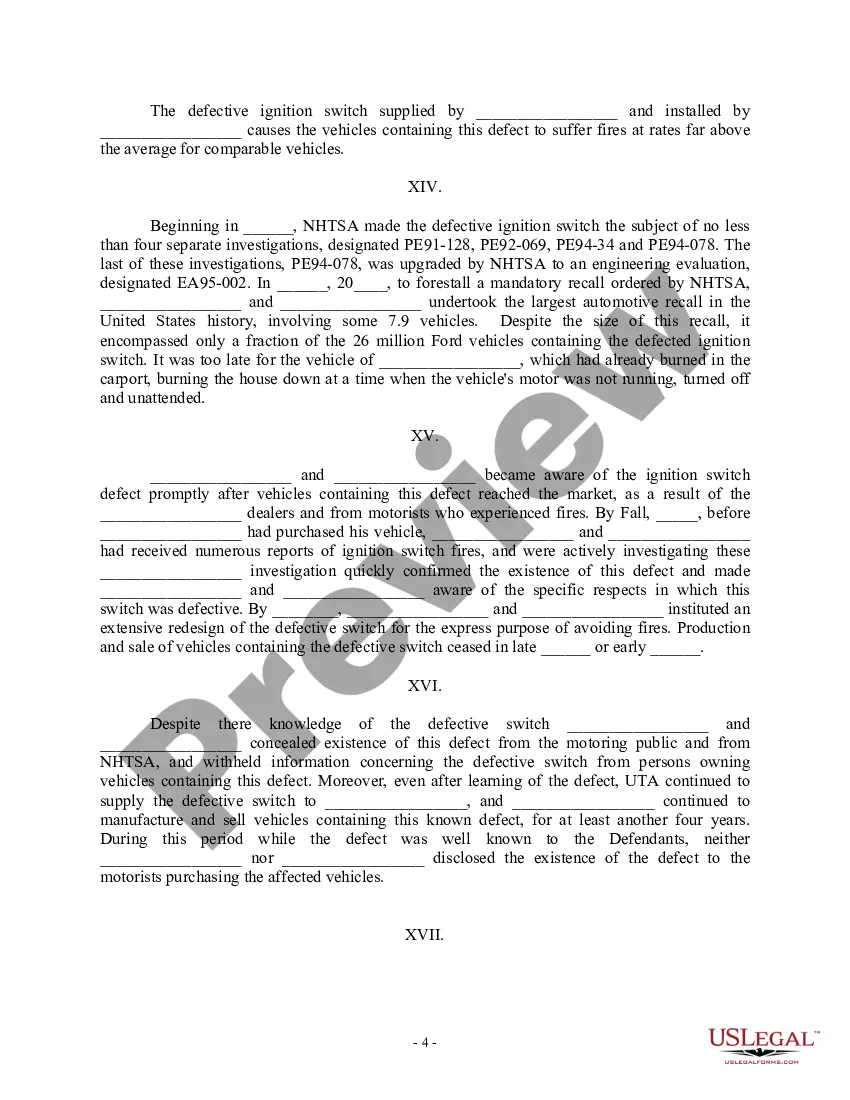
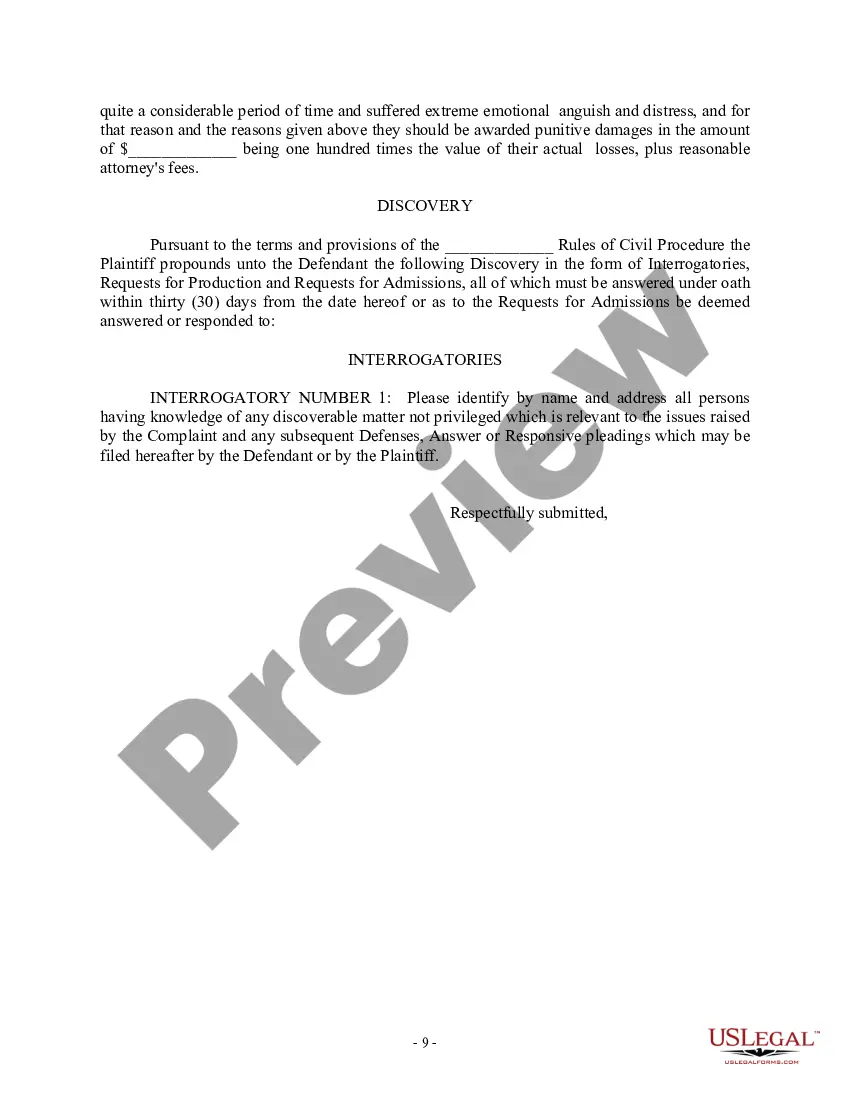
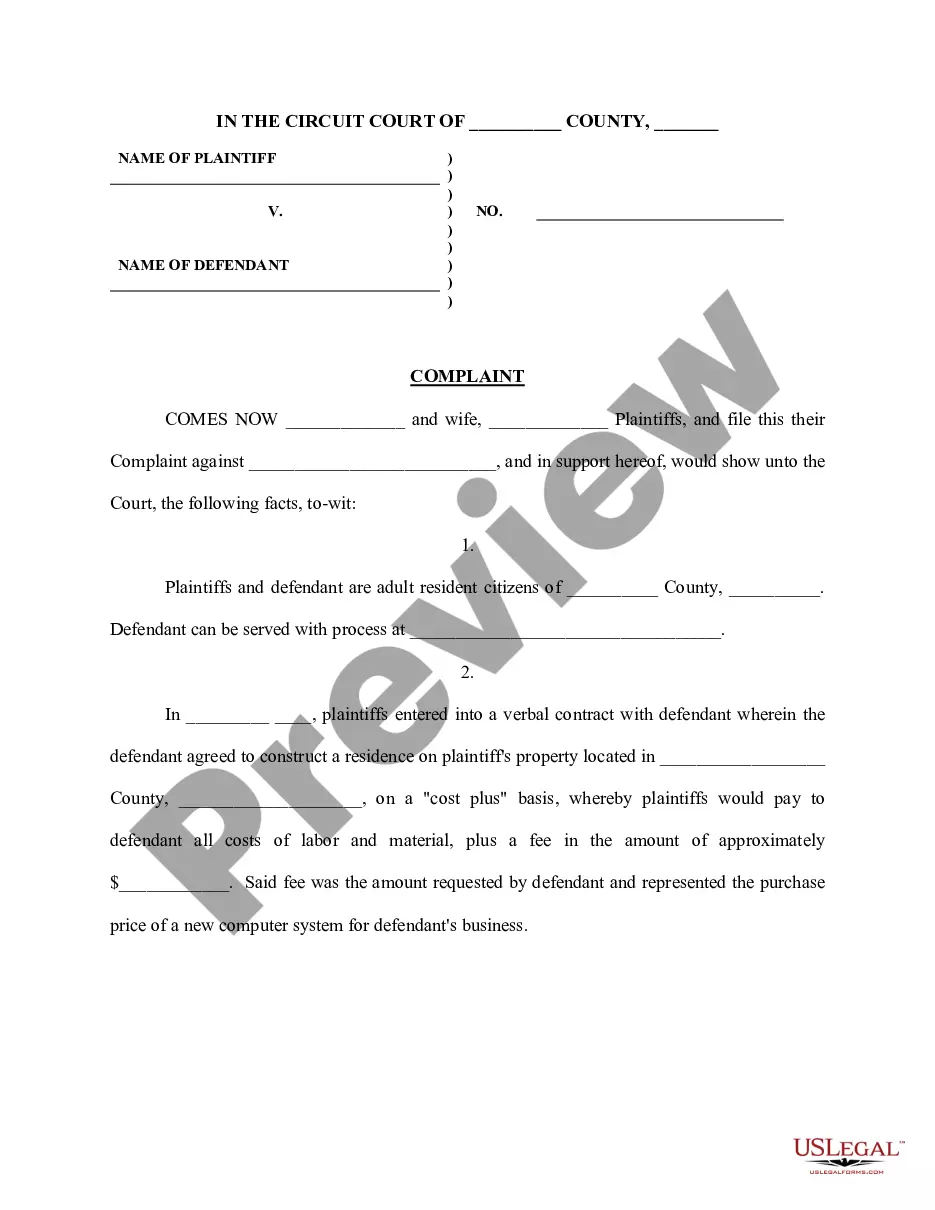
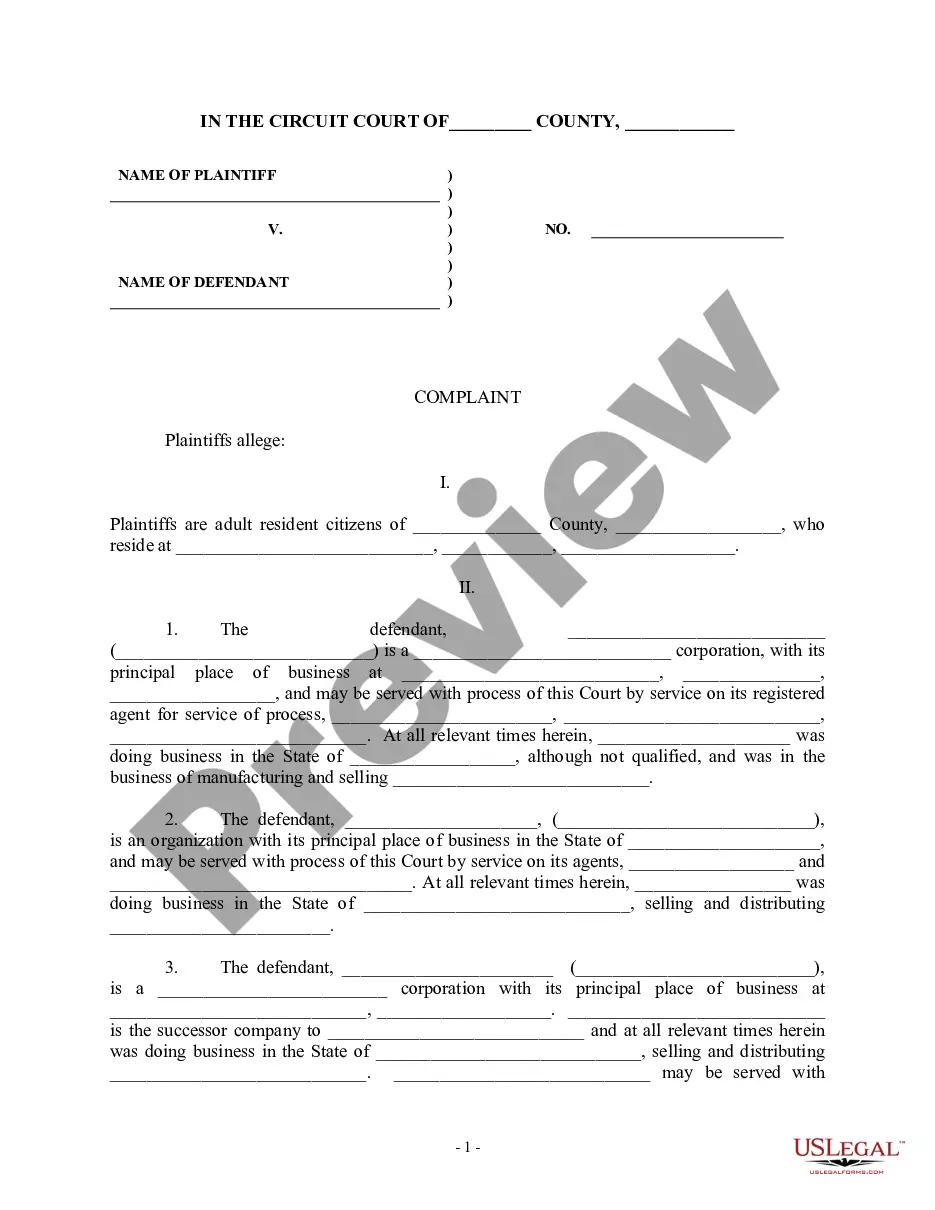

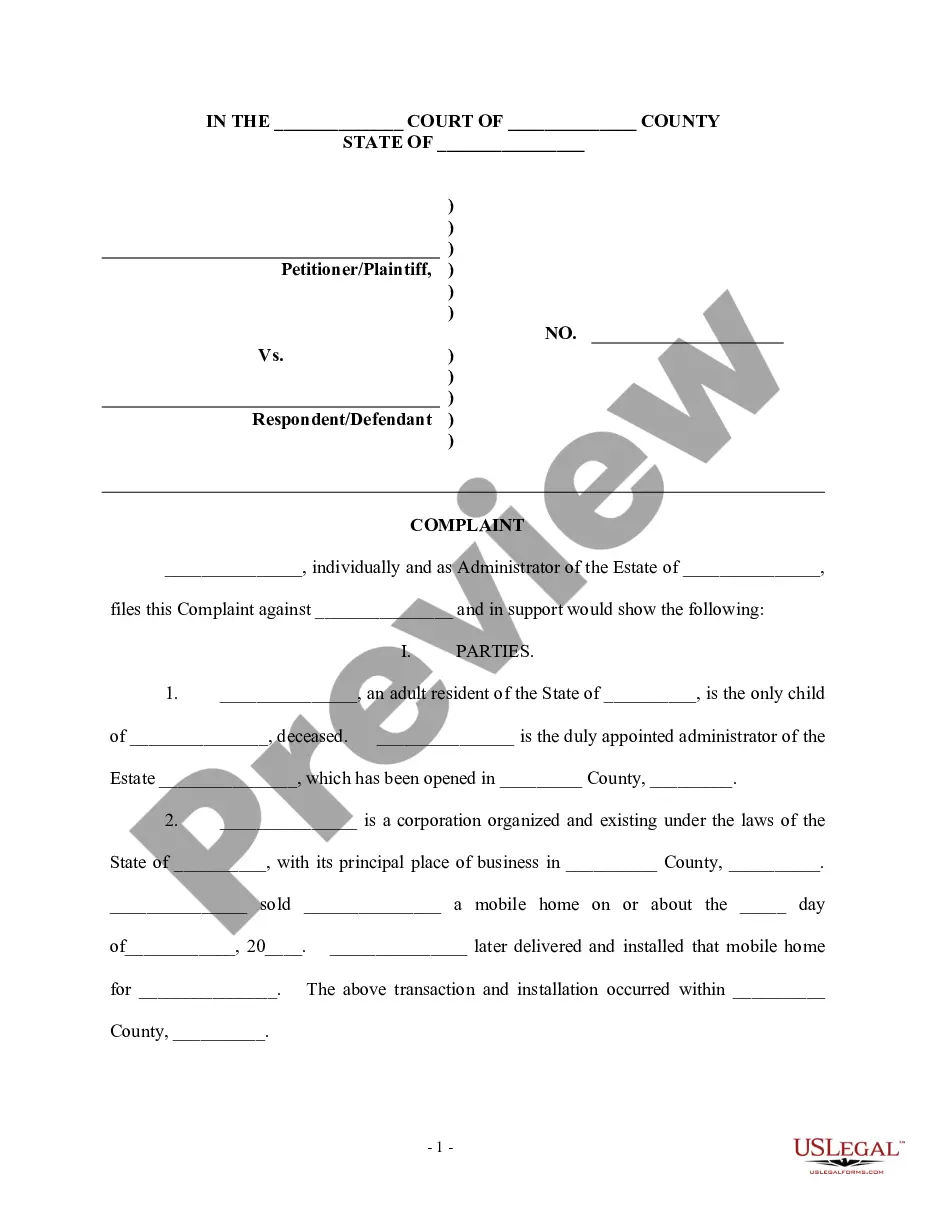
Get your form ready online
Our built-in tools help you complete, sign, share, and store your documents in one place.
Make edits, fill in missing information, and update formatting in US Legal Forms—just like you would in MS Word.
Download a copy, print it, send it by email, or mail it via USPS—whatever works best for your next step.
Sign and collect signatures with our SignNow integration. Send to multiple recipients, set reminders, and more. Go Premium to unlock E-Sign.
If this form requires notarization, complete it online through a secure video call—no need to meet a notary in person or wait for an appointment.
We protect your documents and personal data by following strict security and privacy standards.

Make edits, fill in missing information, and update formatting in US Legal Forms—just like you would in MS Word.

Download a copy, print it, send it by email, or mail it via USPS—whatever works best for your next step.

Sign and collect signatures with our SignNow integration. Send to multiple recipients, set reminders, and more. Go Premium to unlock E-Sign.

If this form requires notarization, complete it online through a secure video call—no need to meet a notary in person or wait for an appointment.

We protect your documents and personal data by following strict security and privacy standards.
Looking for another form?










Form popularity
FAQ
Generally, to prove product liability you must prove that an inherent defect or misinformation within the product caused the damages claimed. In other words, the plaintiff must prove that the product was inherently defective and that the defect in the product has caused injury or damage.
A product liability action in Arizona can be based on negligence or strict liability. As the plaintiff, you must prove that the defendant manufactured or sold a defective product that was unreasonably dangerous, and that the product caused injury or property damage.
To successfully sue for a defective product, you need to prove that: The defendant designed, manufactured, distributed or sold a defective product to the consumer. The consumer used reasonable care when using the product. The consumer was injured due to the defect in the product.
Under the Consumer Protection Act, manufacturers, distributors, suppliers and retailers could be held responsible for damage, injury or death caused by their product or any of that product's component parts.
In California, the strict liability rule plays a pivotal role in product liability cases. This rule states that manufacturers, distributors, and retailers can be held liable if their product is found to be defective, regardless of whether they were negligent or not.
To successfully sue for a defective product, you need to prove that: The defendant designed, manufactured, distributed or sold a defective product to the consumer. The consumer used reasonable care when using the product. The consumer was injured due to the defect in the product.
With regard to products liability, a defendant is liable when the plaintiff proves that the product is defective, regardless of the defendant's intent. It is irrelevant whether the manufacturer or supplier exercised great care; if there is a defect in the product that causes harm, he or she will be liable for it.
Product liability is a doctrine that gives plaintiffs a cause of action if they encounter a defective consumer item. This doctrine can fall under negligence, but it is generally associated with strict liability, meaning that defendants can be held liable regardless of their intent or knowledge.
A product liability action as defined in section 12-681 shall be commenced and prosecuted within the period prescribed in section 12-542, except that no product liability action may be commenced and prosecuted if the cause of action accrues more than twelve years after the product was first sold for use or consumption, ...