Patent Foramen Ovale In Wayne
Description
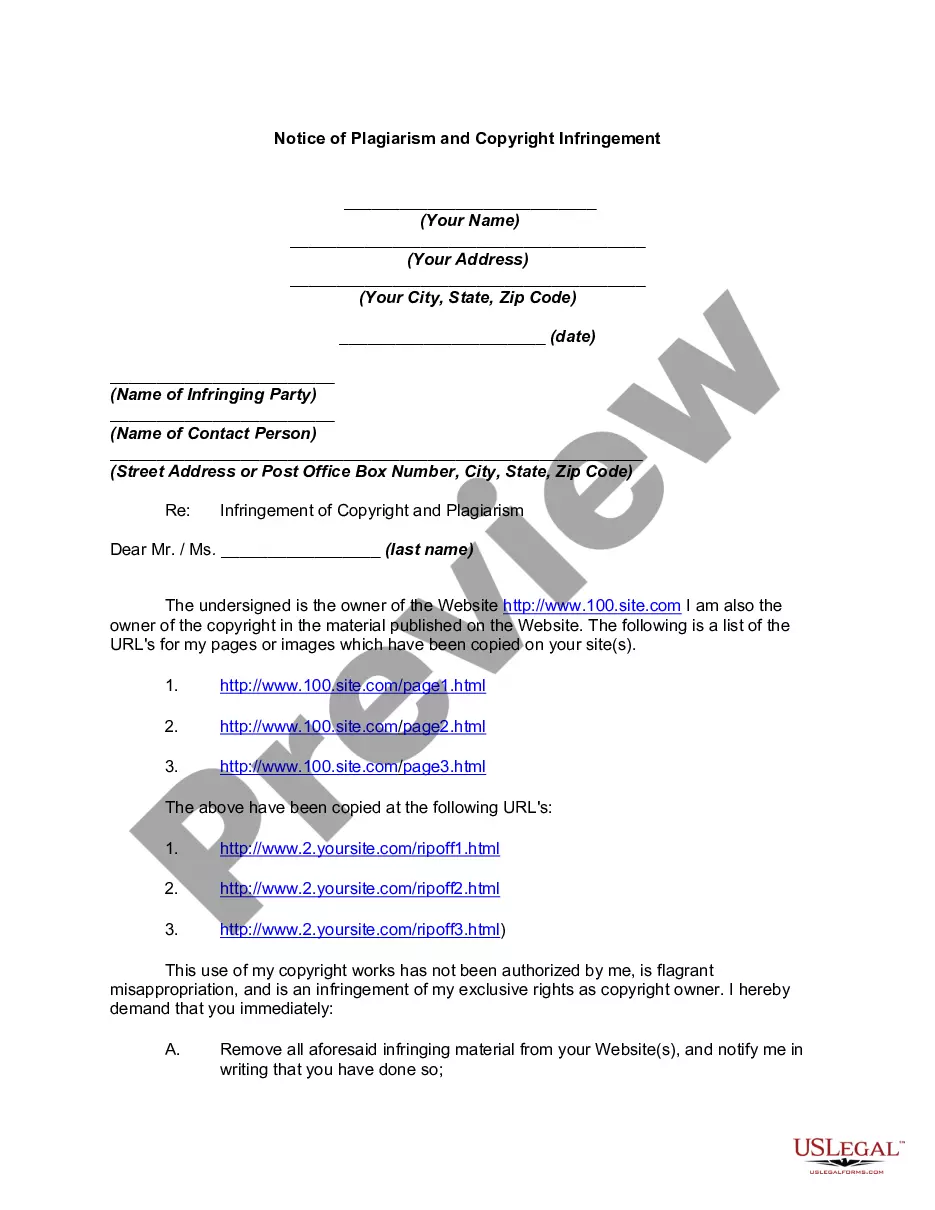
Get your form ready online
Our built-in tools help you complete, sign, share, and store your documents in one place.
Make edits, fill in missing information, and update formatting in US Legal Forms—just like you would in MS Word.
Download a copy, print it, send it by email, or mail it via USPS—whatever works best for your next step.
Sign and collect signatures with our SignNow integration. Send to multiple recipients, set reminders, and more. Go Premium to unlock E-Sign.
If this form requires notarization, complete it online through a secure video call—no need to meet a notary in person or wait for an appointment.
We protect your documents and personal data by following strict security and privacy standards.

Make edits, fill in missing information, and update formatting in US Legal Forms—just like you would in MS Word.

Download a copy, print it, send it by email, or mail it via USPS—whatever works best for your next step.

Sign and collect signatures with our SignNow integration. Send to multiple recipients, set reminders, and more. Go Premium to unlock E-Sign.

If this form requires notarization, complete it online through a secure video call—no need to meet a notary in person or wait for an appointment.

We protect your documents and personal data by following strict security and privacy standards.
Looking for another form?








Form popularity
FAQ
Patent foramen ovale occurs in about 1 in 4 people. Most people with the condition never know they have it. A patent foramen ovale is often discovered during tests for other health problems.
The new law meant many people convicted of first-degree PFO had to serve at least 10 years in prison before being eligible for parole.
Some researchers say a PFO closure doesn't reduce your stroke risk much more than medication. But others have found that having a catheter-based procedure for PFO closure and taking blood-thinning drugs like aspirin gives people a lower rate of stroke than people who received only aspirin.
Your Recovery The procedure can help prevent a stroke in some people. Your doctor used a thin, flexible tube called a catheter to place a small device that closes the PFO. After the procedure, you may stay the night in the hospital. Or you may go home the same day.
Definition. Patent foramen ovale (PFO) is a hole between the left and right atria (upper chambers) of the heart. This hole exists in everyone before birth, but most often closes shortly after being born. PFO is what the hole is called when it fails to close naturally after a baby is born.
Procedures to close a patent foramen ovale include: Device closure. In this procedure, the provider inserts a thin, flexible tube called a catheter into a blood vessel in the groin area. The catheter tip has a device to plug the PFO . Surgical closure. In this heart surgery, the surgeon uses stitches to close the PFO .
How long does the PFO closure procedure take? This catheter procedure is done in a cardiac catheterization room and typically takes one to two hours. Patients usually receive local anesthesia in the groin where the catheters enter the skin, and intravenous sedation.
The procedure involves making a small incision, typically in the groin, and inserting a small tube, called a catheter or sheath, to navigate through the blood vessels to the procedure site within the heart. In patients with a PFO, the doctor guides the closure device through the catheter or sheath to seal the PFO.
How is patent foramen ovale treated? Most PFOs don't need any treatment. If your child needs surgery for another heart defect, the PFO may be closed at the time of the surgery. In rare cases, your child's doctor may recommend closing the PFO surgically.
Patent foramen ovale (PFO) is a hole between the left and right atria (upper chambers) of the heart. This hole exists in everyone before birth, but most often closes shortly after being born. PFO is what the hole is called when it fails to close naturally after a baby is born.
