Patent Infringement In Us In Santa Clara
Description

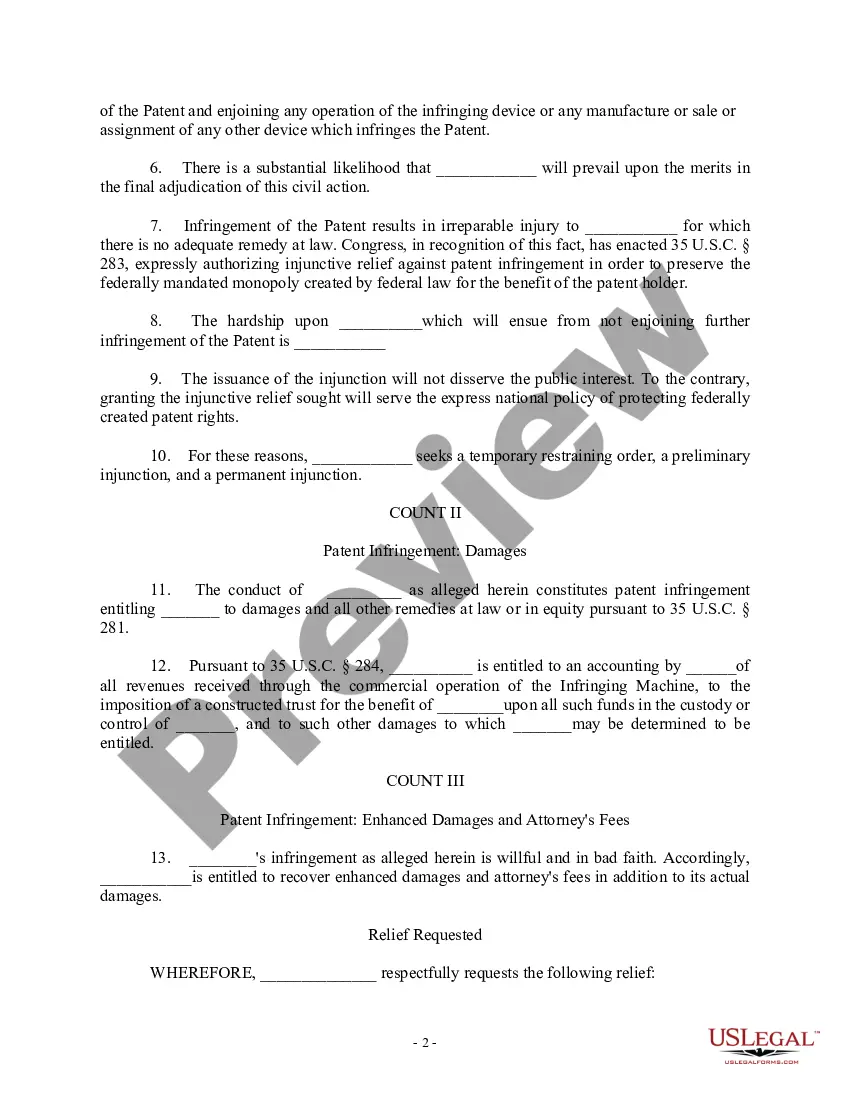
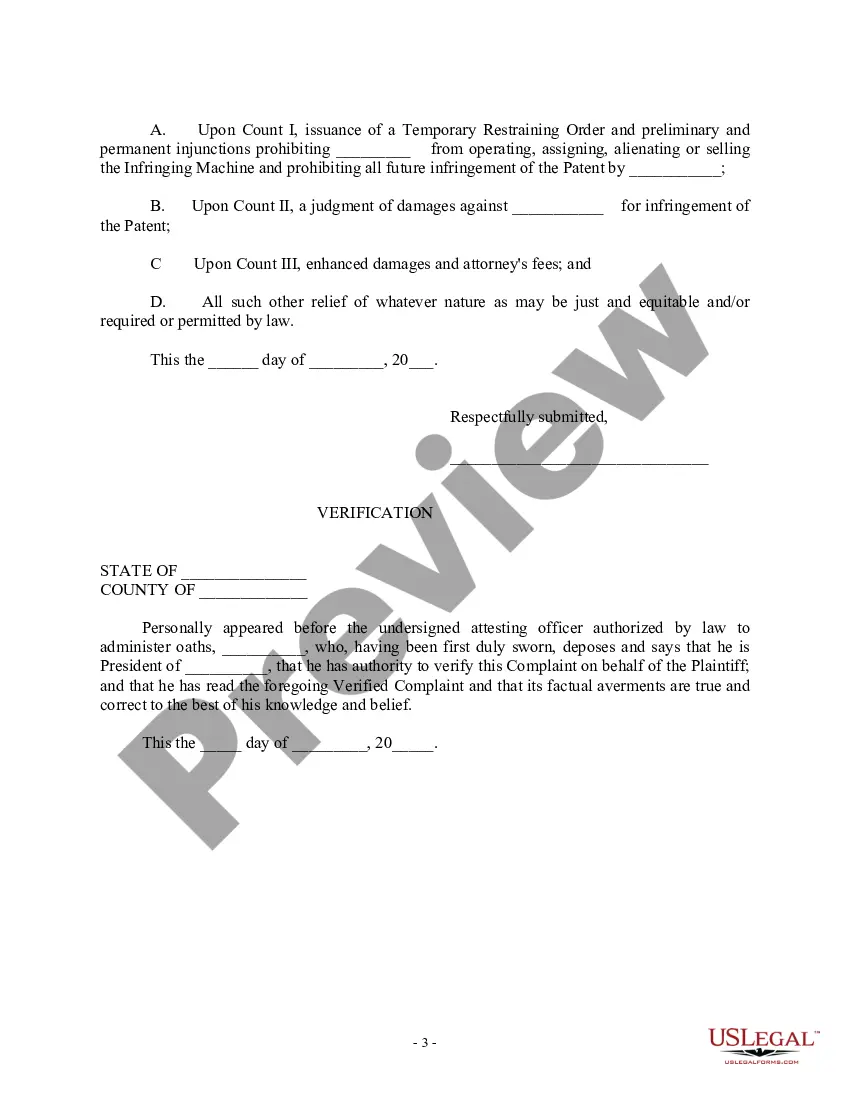
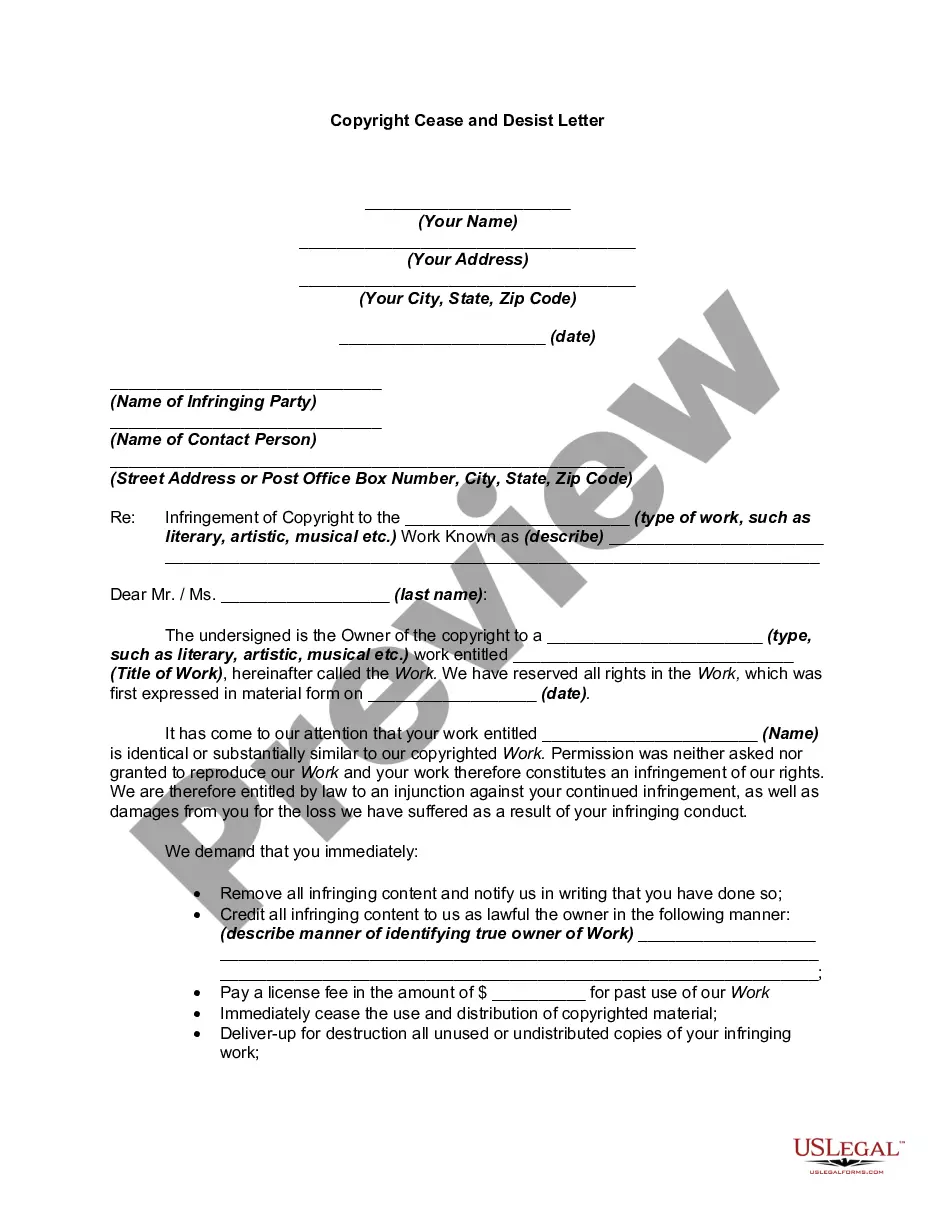
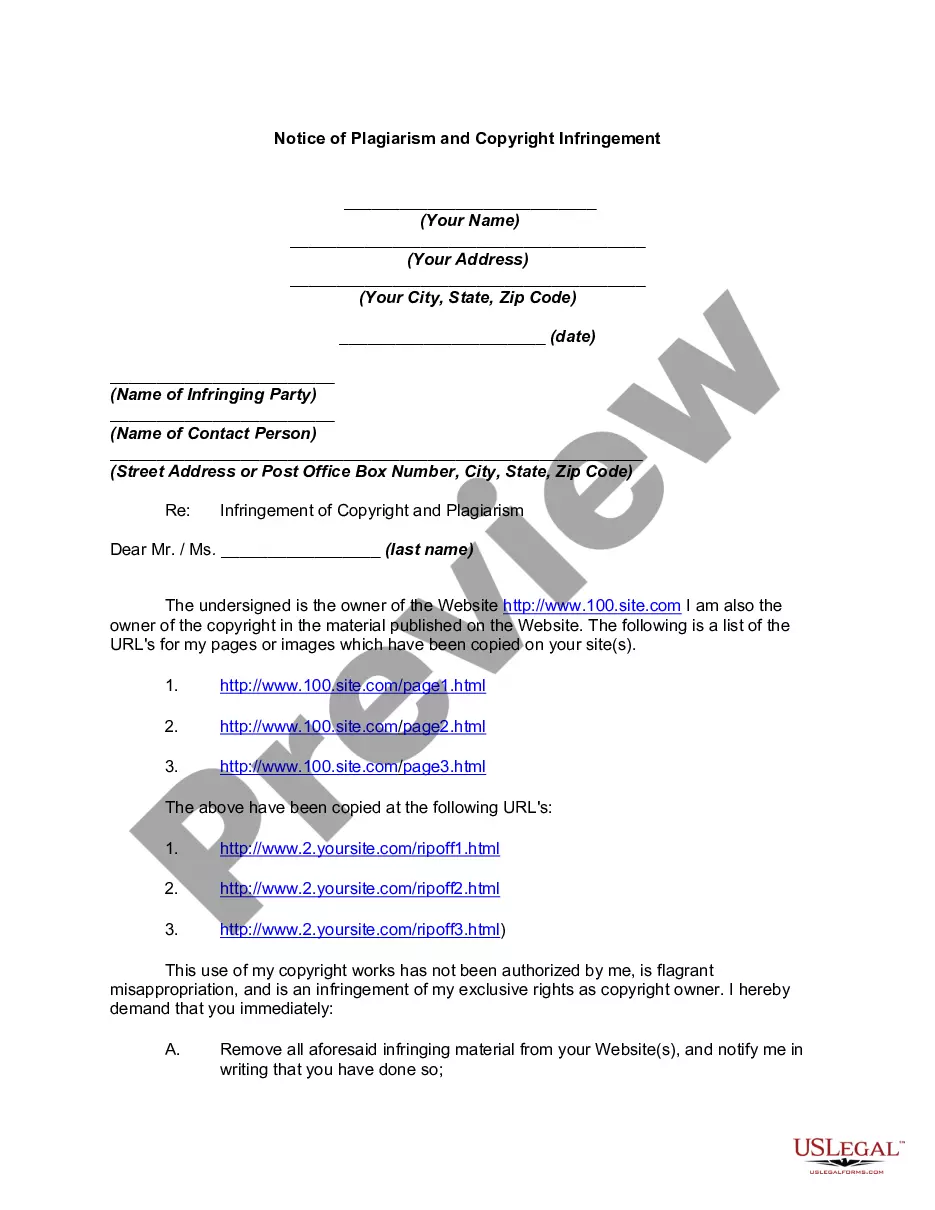
Get your form ready online
Our built-in tools help you complete, sign, share, and store your documents in one place.
Make edits, fill in missing information, and update formatting in US Legal Forms—just like you would in MS Word.
Download a copy, print it, send it by email, or mail it via USPS—whatever works best for your next step.
Sign and collect signatures with our SignNow integration. Send to multiple recipients, set reminders, and more. Go Premium to unlock E-Sign.
If this form requires notarization, complete it online through a secure video call—no need to meet a notary in person or wait for an appointment.
We protect your documents and personal data by following strict security and privacy standards.

Make edits, fill in missing information, and update formatting in US Legal Forms—just like you would in MS Word.

Download a copy, print it, send it by email, or mail it via USPS—whatever works best for your next step.

Sign and collect signatures with our SignNow integration. Send to multiple recipients, set reminders, and more. Go Premium to unlock E-Sign.

If this form requires notarization, complete it online through a secure video call—no need to meet a notary in person or wait for an appointment.

We protect your documents and personal data by following strict security and privacy standards.
Looking for another form?




Form popularity
FAQ
By statute, all cases “arising under” patent law must be heard exclusively by the federal courts (not state courts) and, on appeal, by the Federal Circuit (not the twelve regional circuits).
The venue statute specifically applicable to patent infringement lawsuits requires plaintiffs to file: (1) in the judicial district where the defendant “resides,” or (2) “where the defendant has committed acts of infringement and has a regular and established place of business.” Since 1990, the Federal Circuit –the ...
There is no statutory cap on the damages for a patent infringement lawsuit. Whatever amount of harm you can prove the defendant caused, that's the amount you're entitled to.
By statute, all cases “arising under” patent law must be heard exclusively by the federal courts (not state courts) and, on appeal, by the Federal Circuit (not the twelve regional circuits).
The first tip for protecting your rights is to register the work with the U.S. Copyright Office. If you do not register your work, you cannot bring a copyright lawsuit under federal law. However, you can pursue a claim in state court to stop the infringer from using your copyrighted work and to seek actual damages.
If the State has waived its sovereign immunity to patent infringement, yes. Alternatively, a state may have provided by state statute an alternative remedy for its infringement of a patent. If so, the patentee may sue to obtain that alternative remedy.
Jurisdiction for Patent Litigation matters in India As per Section 104, a person filing a suit for infringement of patent or for declaration under Section 105 or seeking any relief under Section 106, shall do so in a “district court” having jurisdiction to try the suit.
There are three steps involved: Discovering the details of the accused activity; Studying the claims of the patent; and. Comparing the accused activity to the patent claims.
Getting Started in Litigation Your attorney will file a formal complaint in federal court, explaining how the defendant has infringed on your patent. Together with your attorney, you will need to compile evidence of your ownership of the patent and the infringement.
Patent infringement lawsuits can vary in duration but generally take one to three years to resolve.