Patent Without Stenosis Meaning In San Bernardino
Description

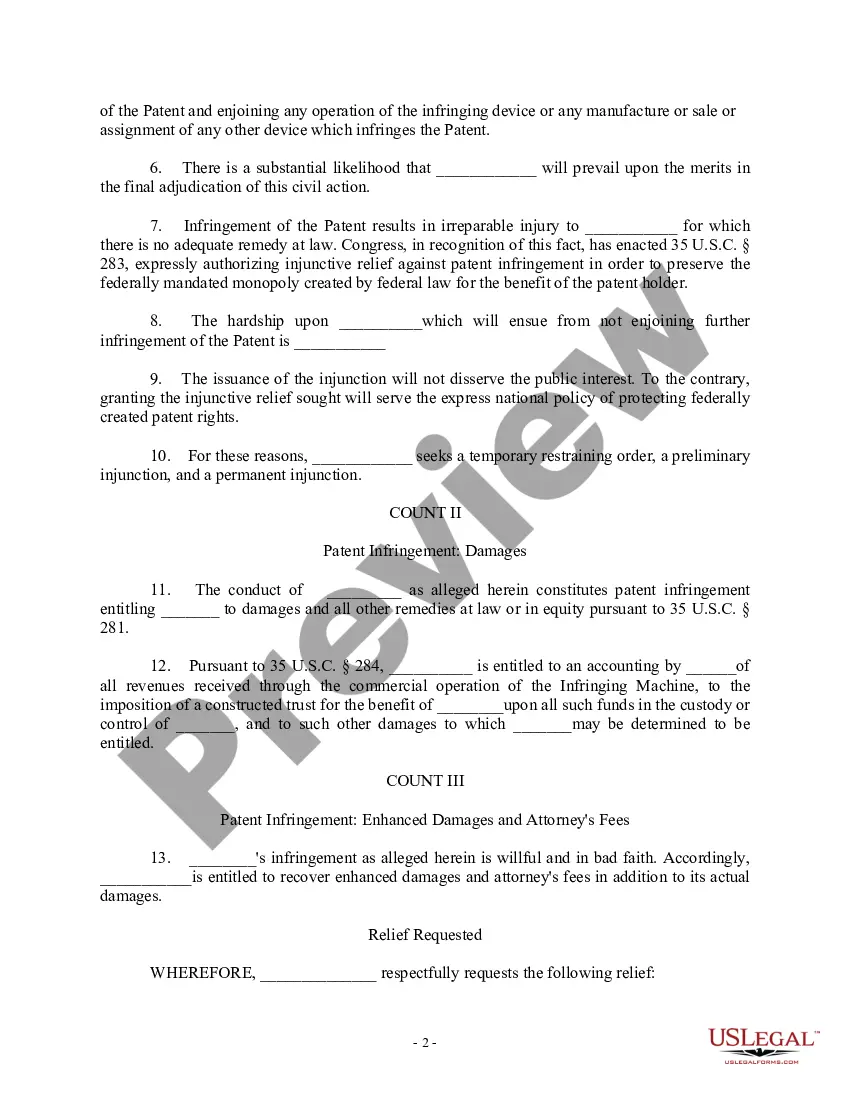
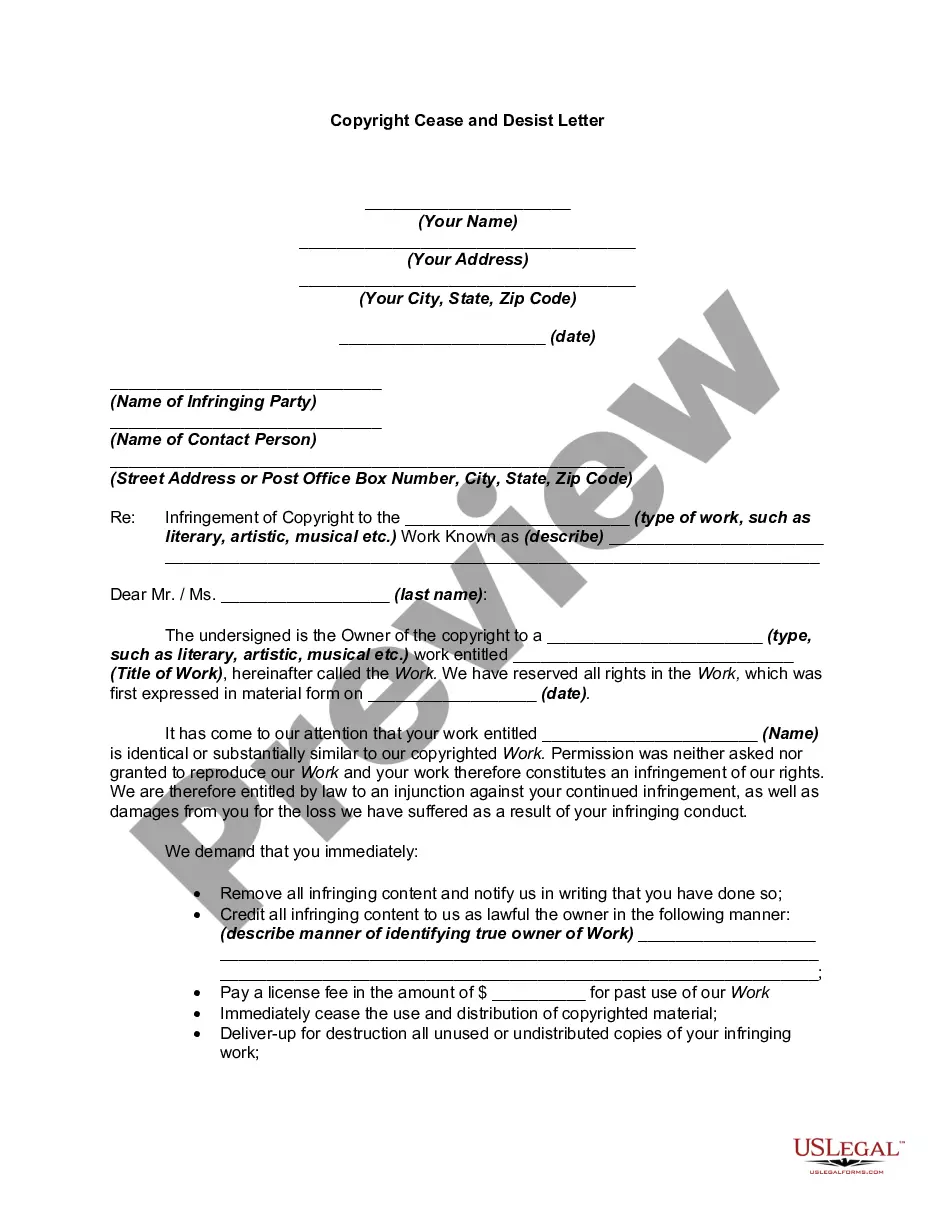
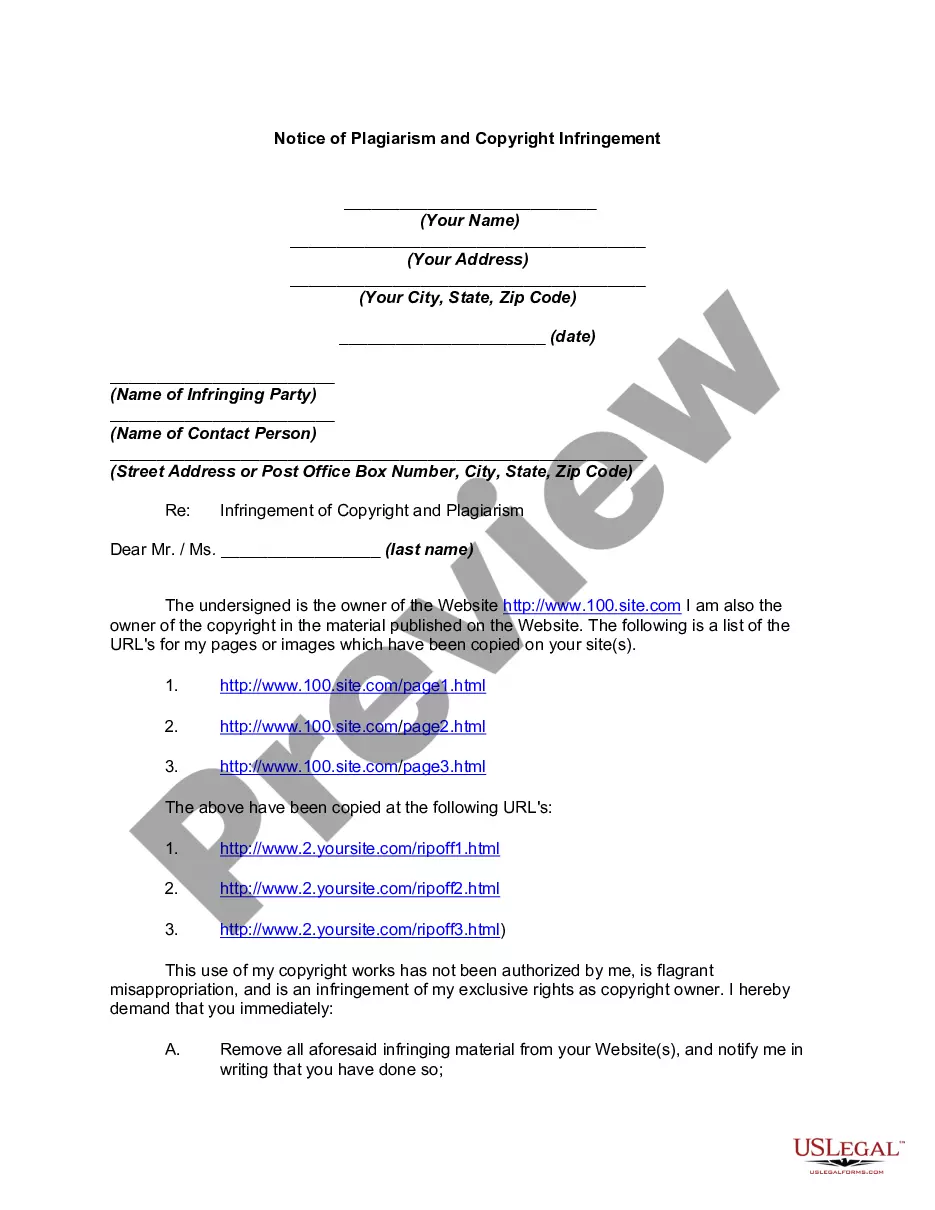
Get your form ready online
Our built-in tools help you complete, sign, share, and store your documents in one place.
Make edits, fill in missing information, and update formatting in US Legal Forms—just like you would in MS Word.
Download a copy, print it, send it by email, or mail it via USPS—whatever works best for your next step.
Sign and collect signatures with our SignNow integration. Send to multiple recipients, set reminders, and more. Go Premium to unlock E-Sign.
If this form requires notarization, complete it online through a secure video call—no need to meet a notary in person or wait for an appointment.
We protect your documents and personal data by following strict security and privacy standards.

Make edits, fill in missing information, and update formatting in US Legal Forms—just like you would in MS Word.

Download a copy, print it, send it by email, or mail it via USPS—whatever works best for your next step.

Sign and collect signatures with our SignNow integration. Send to multiple recipients, set reminders, and more. Go Premium to unlock E-Sign.

If this form requires notarization, complete it online through a secure video call—no need to meet a notary in person or wait for an appointment.

We protect your documents and personal data by following strict security and privacy standards.
Looking for another form?








Form popularity
FAQ
The five primary requirements for patentability are: (1) patentable subject matter; (2) utility; (3) novelty; (4) non-obviousness; and (5) enablement. Like trademarks, patents are territorial, meaning they are enforceable in a specific geographic area.
Patent applications: the three criteria Novelty. This means that your invention must not have been made public – not even by yourself – before the date of the application. Inventive step. This means that your product or process must be an inventive solution. Industrial applicability.
There are three types of patents: utility, design and plant. Utility and plant patent applications can be provisional and nonprovisional. Provisional applications may not be filed for design inventions.
Legally speaking, nothing prevents an inventor from preparing a patent application (or provisional patent application) without a lawyer. Indeed, thousands of inventors regularly do so, using self-help guides such as Nolo's Patent It Yourself, Patent Pending in 24 Hours or Online Provisional Patent Application process.
No, you don't need to hire a patent attorney. You can do the patent application for a United States Patent yourself, but remember that writing patent applications is a specialized skill, and there is a 50% rejection rate.
Requirements for filing a provisional application: A detailed written description of the invention including drawings. Title of the invention. Name(s) of all inventors. Inventor(s) residence(s) Name and registration number of attorney or agent and docket number (if applicable) Correspondence address.
Patent applications: the three criteria Novelty. This means that your invention must not have been made public – not even by yourself – before the date of the application. Inventive step. This means that your product or process must be an inventive solution. Industrial applicability.
If you are filing a patent in the US, the law does not require you to have a patent agent or attorney. That said. A patent application is not easy to draft without significant training.
Use Track One Prioritized Examination Under Track One, the USPTO guarantees examination and issuance of a patent (if the invention is worthy) within one year.
