Patent With Antegrade Flow In Phoenix
Description

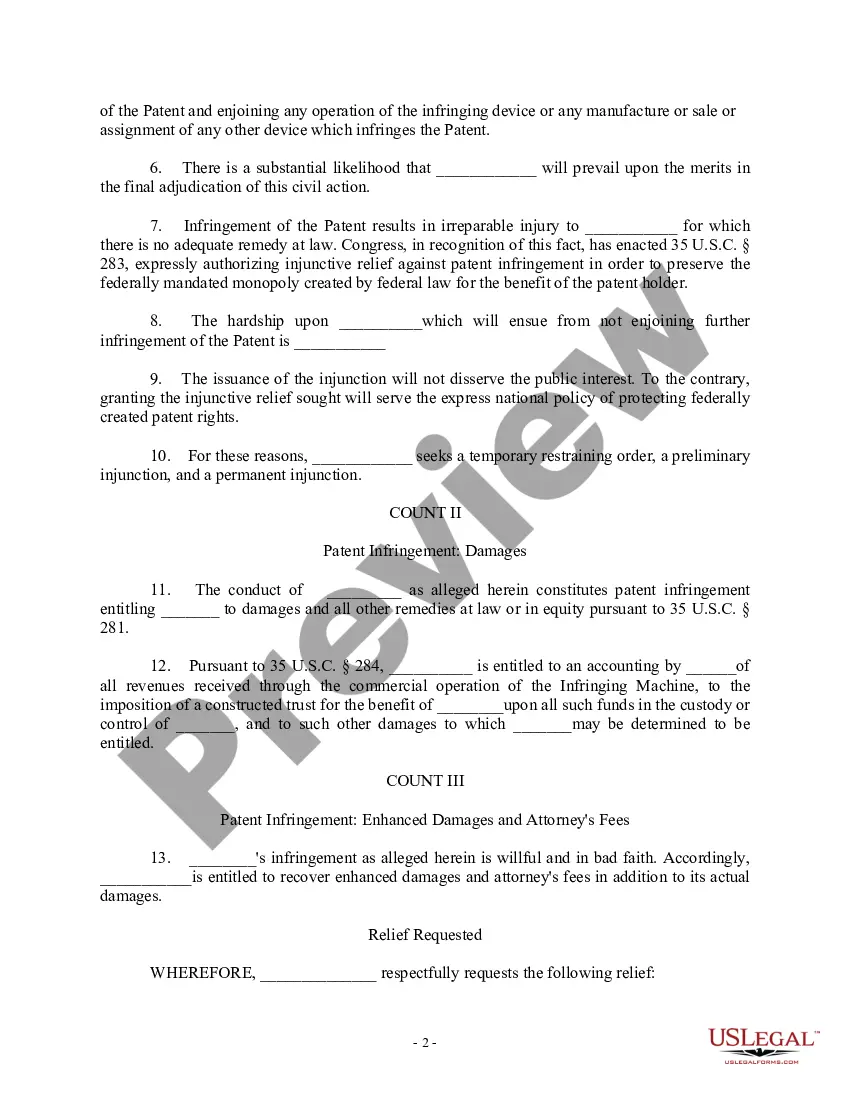
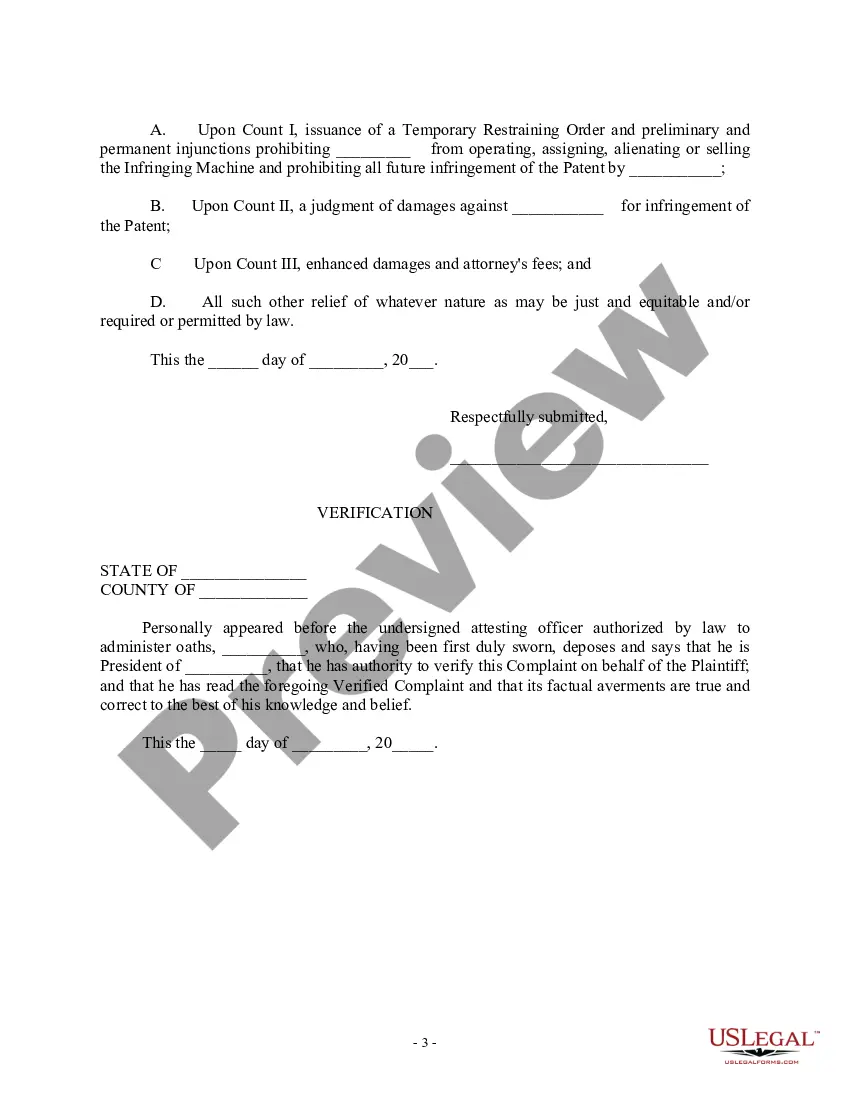
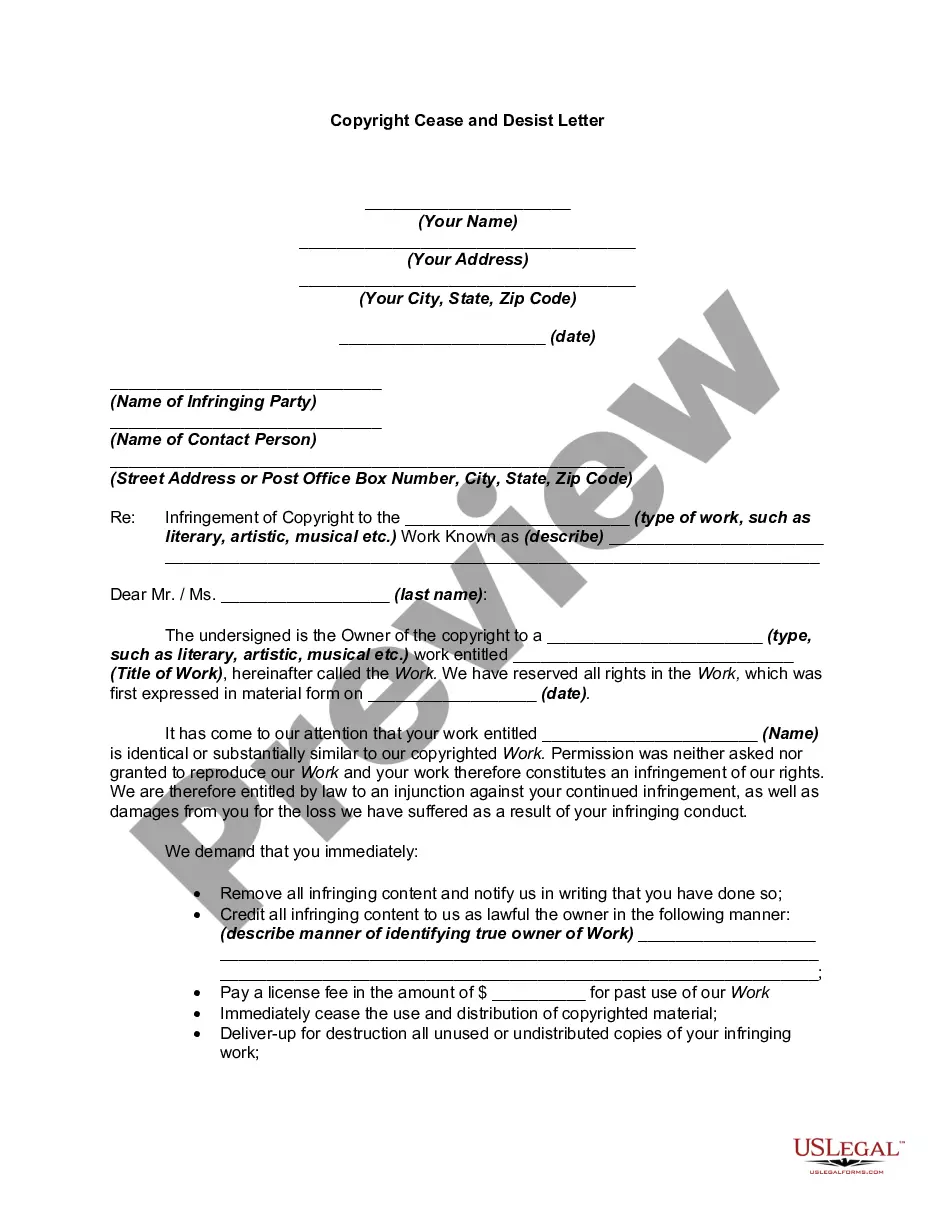
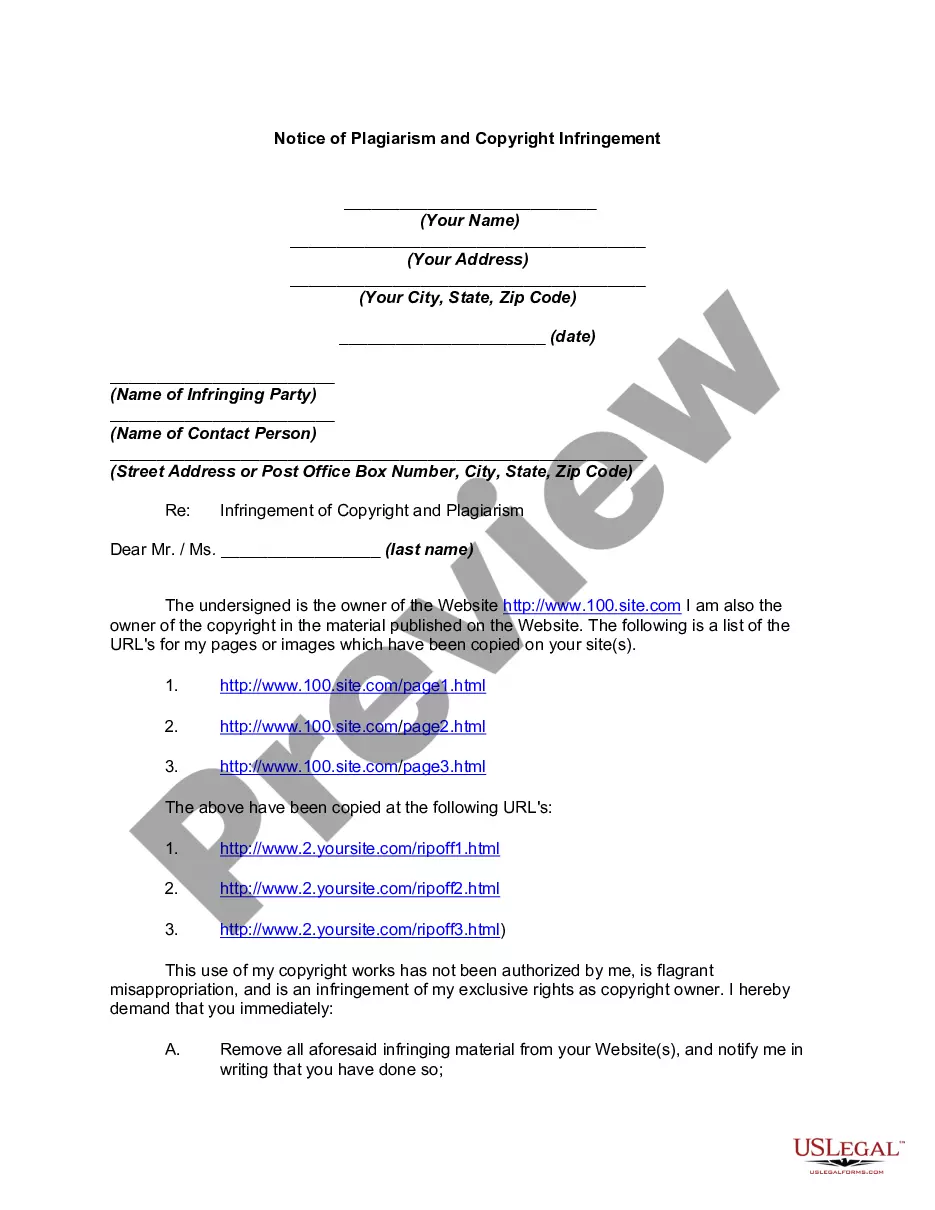
Get your form ready online
Our built-in tools help you complete, sign, share, and store your documents in one place.
Make edits, fill in missing information, and update formatting in US Legal Forms—just like you would in MS Word.
Download a copy, print it, send it by email, or mail it via USPS—whatever works best for your next step.
Sign and collect signatures with our SignNow integration. Send to multiple recipients, set reminders, and more. Go Premium to unlock E-Sign.
If this form requires notarization, complete it online through a secure video call—no need to meet a notary in person or wait for an appointment.
We protect your documents and personal data by following strict security and privacy standards.

Make edits, fill in missing information, and update formatting in US Legal Forms—just like you would in MS Word.

Download a copy, print it, send it by email, or mail it via USPS—whatever works best for your next step.

Sign and collect signatures with our SignNow integration. Send to multiple recipients, set reminders, and more. Go Premium to unlock E-Sign.

If this form requires notarization, complete it online through a secure video call—no need to meet a notary in person or wait for an appointment.

We protect your documents and personal data by following strict security and privacy standards.
Looking for another form?







Form popularity
FAQ
These five steps will help you plan out the patent process as you seek to protect your invention. Understand your invention. The first step in how to get a patent is to understand your invention. Research your invention. Choose the type of protection. Draft your patent application. Wait for a formal response.
No, you don't need to hire a patent attorney. You can do the patent application for a United States Patent yourself, but remember that writing patent applications is a specialized skill, and there is a 50% rejection rate.
No, the use of an attorney or registered agent is not required for filing a patent application. However, an attorney or registered agent is often a useful resource and the USPTO recommends the use of such for preparing a patent application and conducting the proceedings in the USPTO.
Patent applications: the three criteria Novelty. This means that your invention must not have been made public – not even by yourself – before the date of the application. Inventive step. This means that your product or process must be an inventive solution. Industrial applicability.
