Patent Infringement In Pharmaceutical Industry In Phoenix
Description

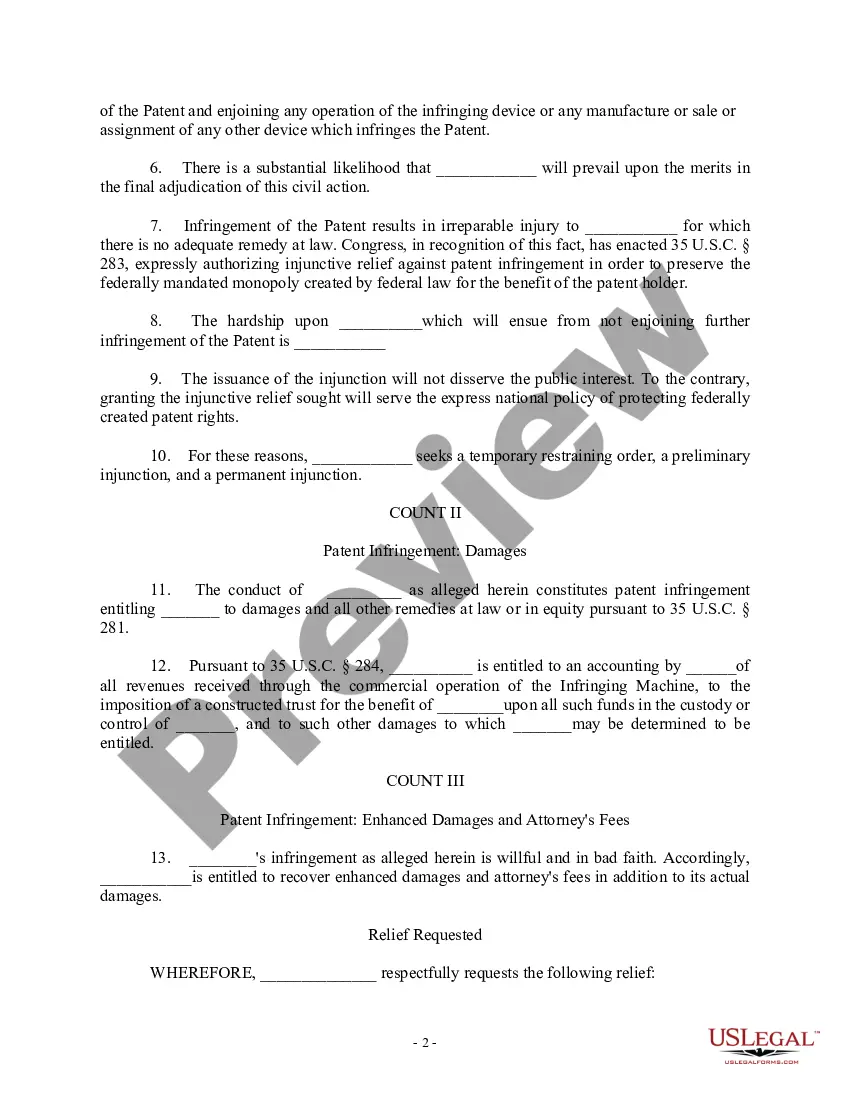
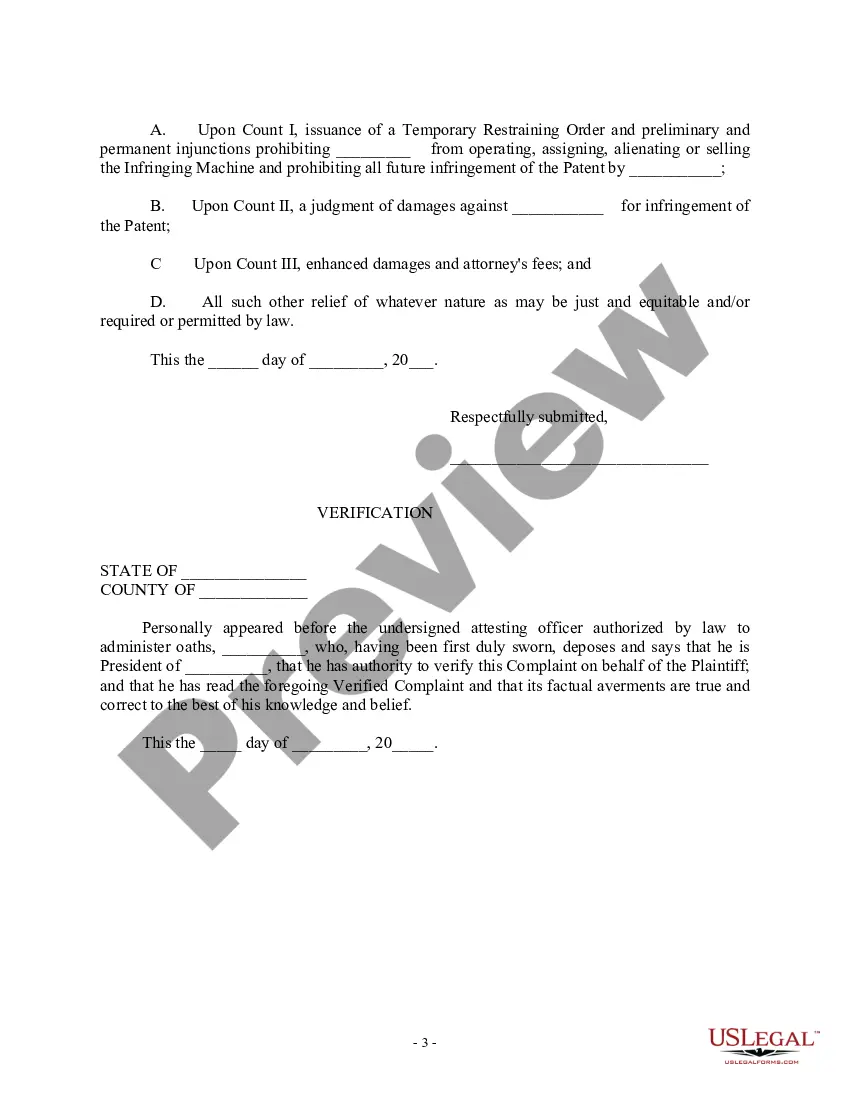
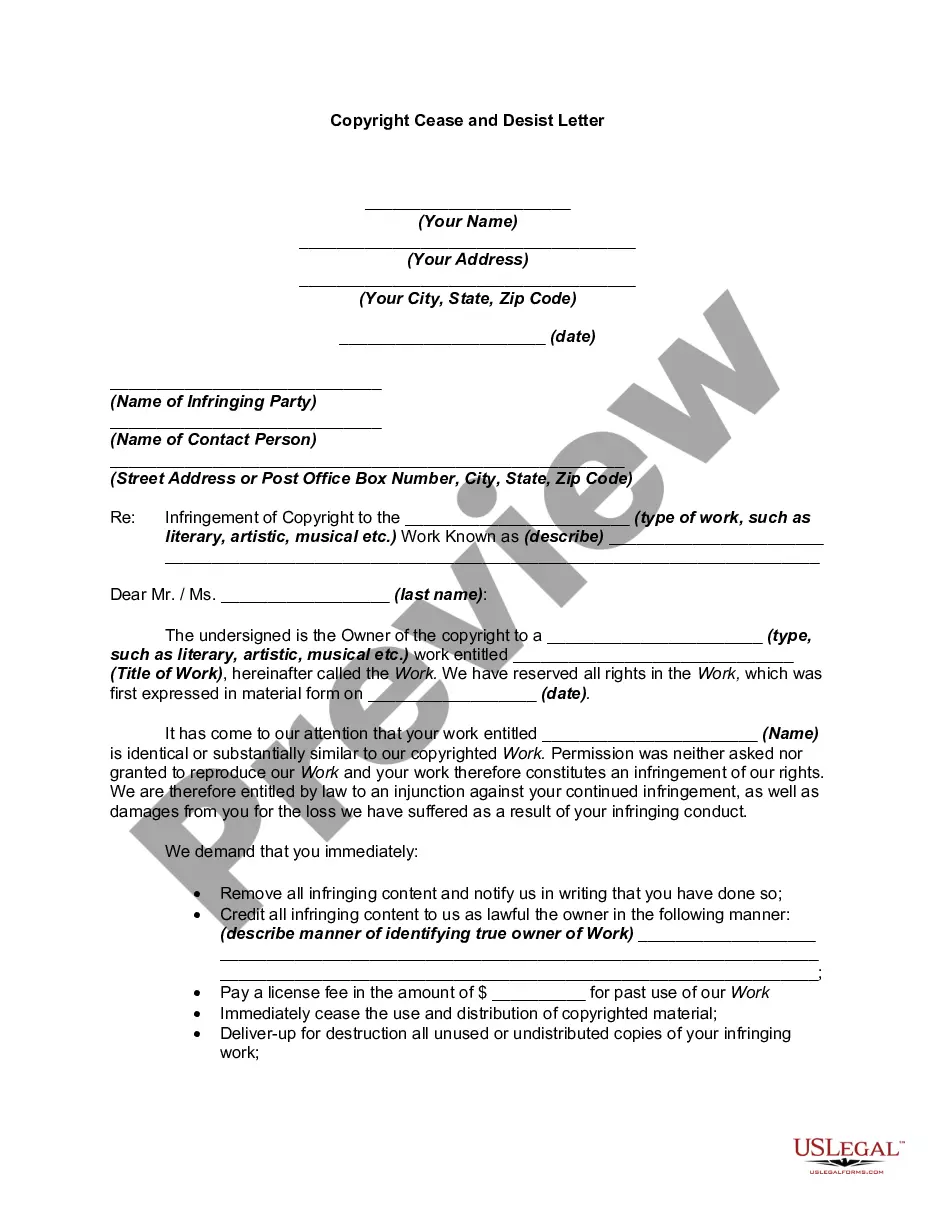
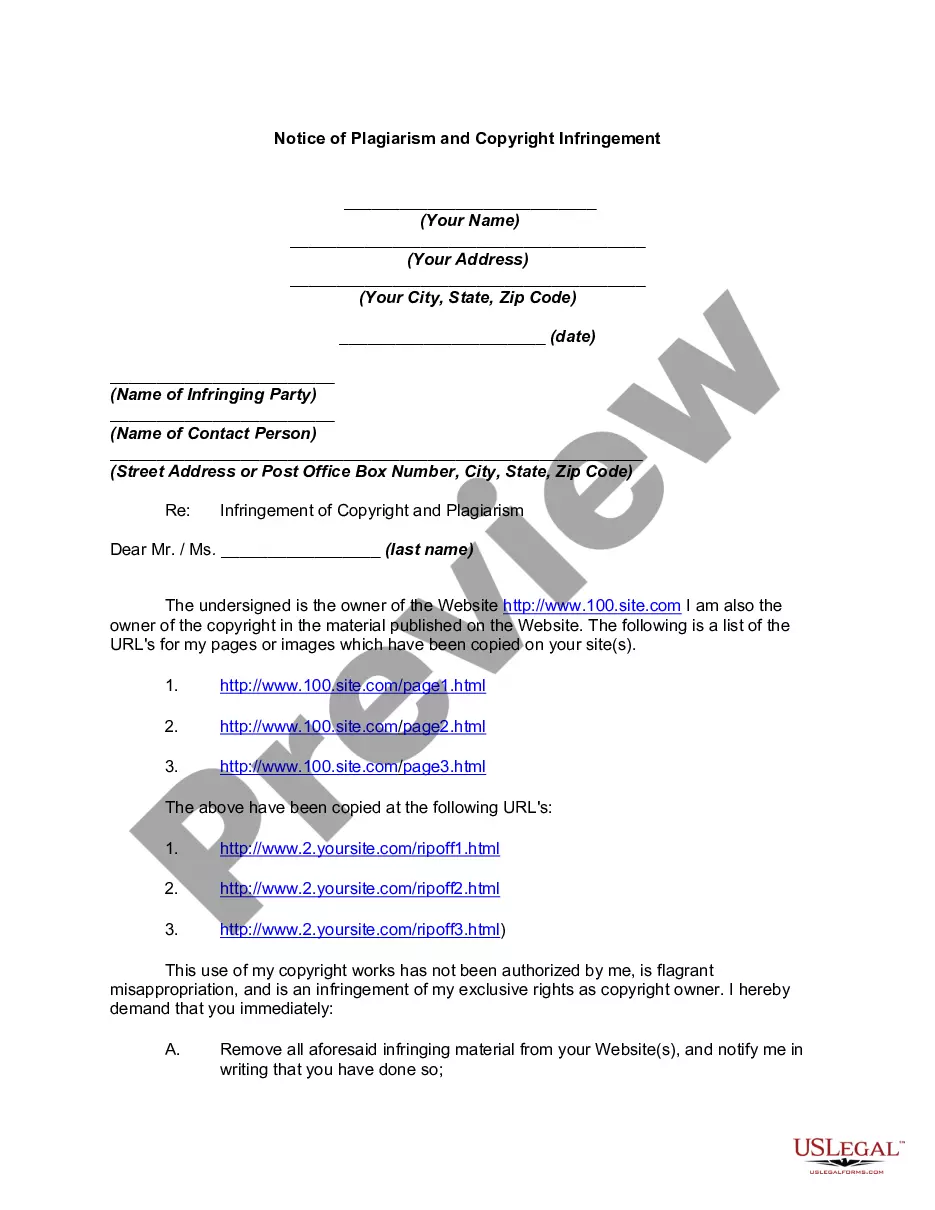
Get your form ready online
Our built-in tools help you complete, sign, share, and store your documents in one place.
Make edits, fill in missing information, and update formatting in US Legal Forms—just like you would in MS Word.
Download a copy, print it, send it by email, or mail it via USPS—whatever works best for your next step.
Sign and collect signatures with our SignNow integration. Send to multiple recipients, set reminders, and more. Go Premium to unlock E-Sign.
If this form requires notarization, complete it online through a secure video call—no need to meet a notary in person or wait for an appointment.
We protect your documents and personal data by following strict security and privacy standards.

Make edits, fill in missing information, and update formatting in US Legal Forms—just like you would in MS Word.

Download a copy, print it, send it by email, or mail it via USPS—whatever works best for your next step.

Sign and collect signatures with our SignNow integration. Send to multiple recipients, set reminders, and more. Go Premium to unlock E-Sign.

If this form requires notarization, complete it online through a secure video call—no need to meet a notary in person or wait for an appointment.

We protect your documents and personal data by following strict security and privacy standards.
Looking for another form?






Form popularity
FAQ
Patent infringement lawsuits are heard almost exclusively in the federal district courts, while appeals in patent infringement cases are heard exclusively by the federal appellate courts—and since 1982, the U.S. Court of Appeals for the Federal Circuit.
The remedy against continued infringement of a patent is an injunction. In a patent infringement suit, an injunction is a court order prohibiting the manufacture, use, or sale of the patented invention. This can include prohibition of the continued use of articles made prior to the issuance of the patent.
Such remedies include impounding and disposition of infring- ing articles under section 503, actual damages and profits and statutory damages under section 504, costs and attorney's fees under section 505, and the remedies provided in section 510.
Types of remedies. Often, a client's starting point will be financial compensation. Injunction. Damages or account of profits. Delivery up or destruction of infringing goods. Declarations and certificates of contested validity. Award of costs. Other remedies. Summary.
Types of remedies. Often, a client's starting point will be financial compensation. Injunction. Damages or account of profits. Delivery up or destruction of infringing goods. Declarations and certificates of contested validity. Award of costs. Other remedies. Summary.
How to Defend Against a Patent Infringement Lawsuit: 3 Effective Strategies Non-Infringement Defense: Proving Your Product Doesn't Infringe. Invalidity Defense: Challenging the Patent's Validity. Counter-Assertion: Leveraging Your Patents.
This probably will require hiring a patent attorney. You should make sure to find an attorney who has handled patent infringement cases previously and who is familiar with your industry. Your attorney will file a formal complaint in federal court, explaining how the defendant has infringed on your patent.
The IPR Center encourages victims to visit its website at .IPRCenter to obtain more information about the IPR Center and to report violations of intellectual property rights online or by emailing IPRCenter@dhs. You can also report IP crime by clicking on The IRP Center's “Report IP Theft” button.
The infringement analysis is a two-step inquiry. First, the Court must determine the scope and meaning of the claim(s) at issue as a matter of law . Second, the finder of fact must compare the accused product to the properly construed claim to determine whether there has been an infringement.