Patent Infringement In India In Ohio
Description

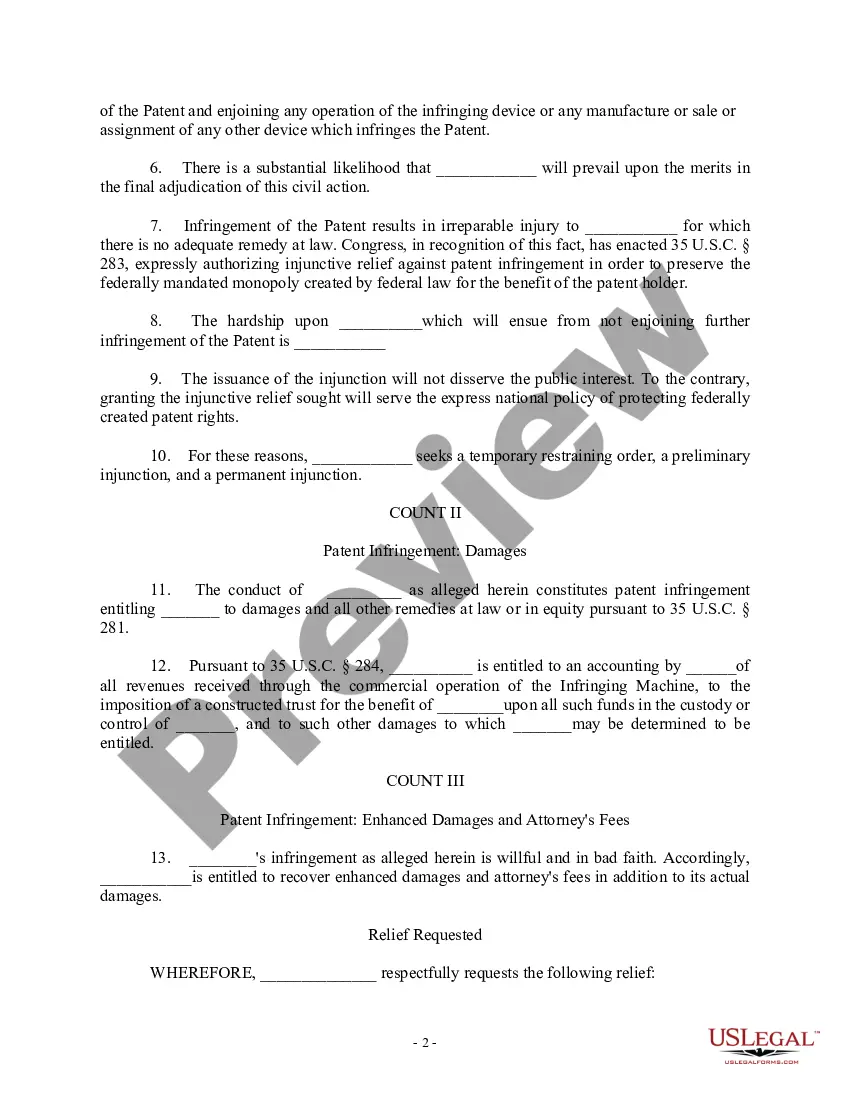
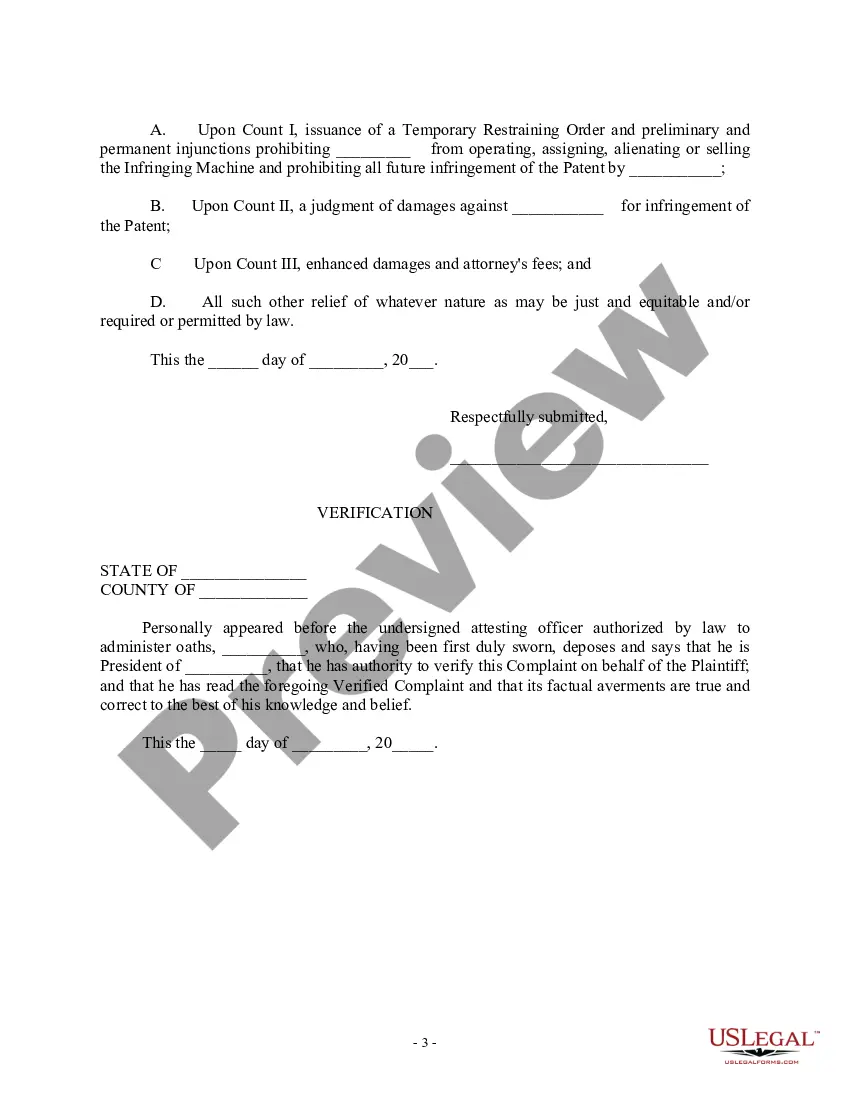
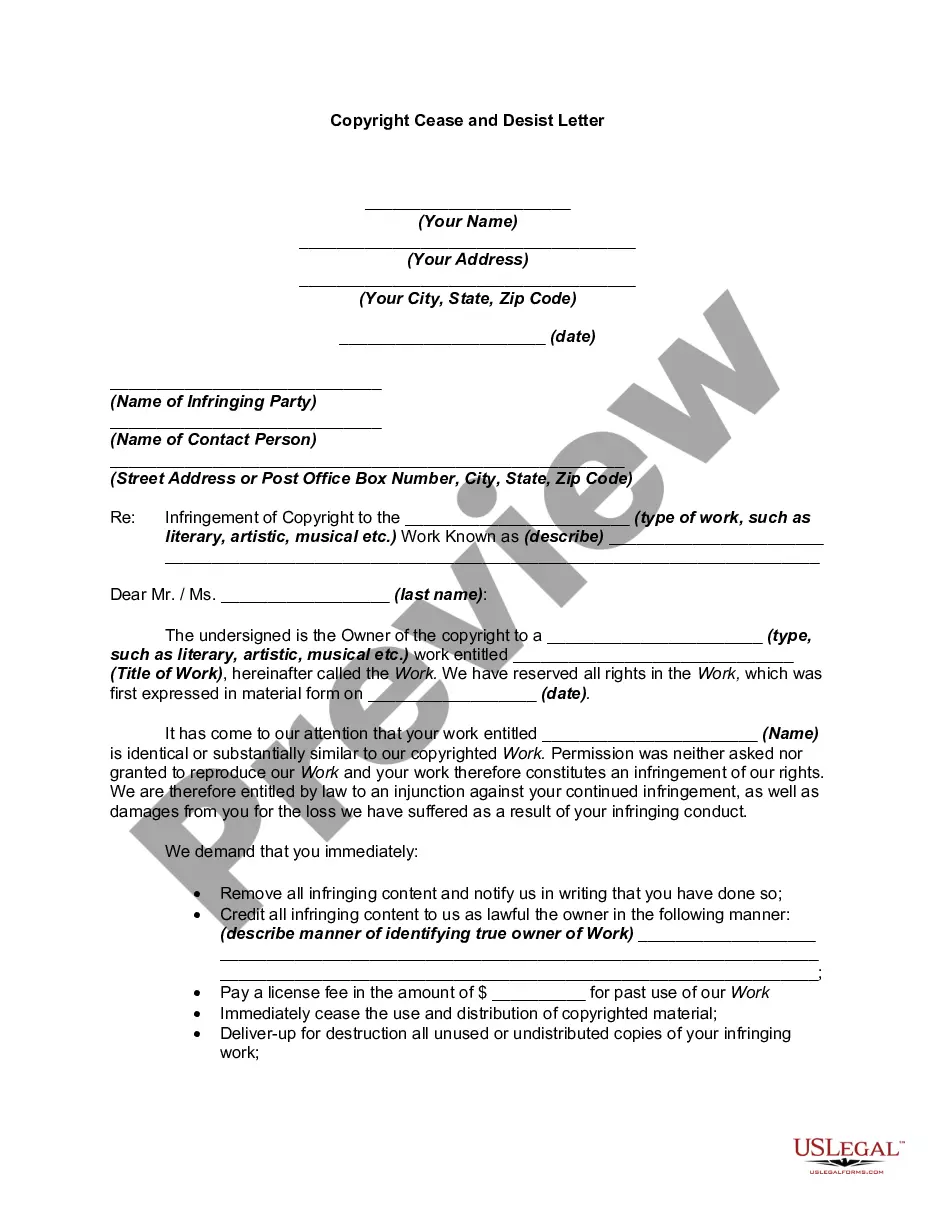
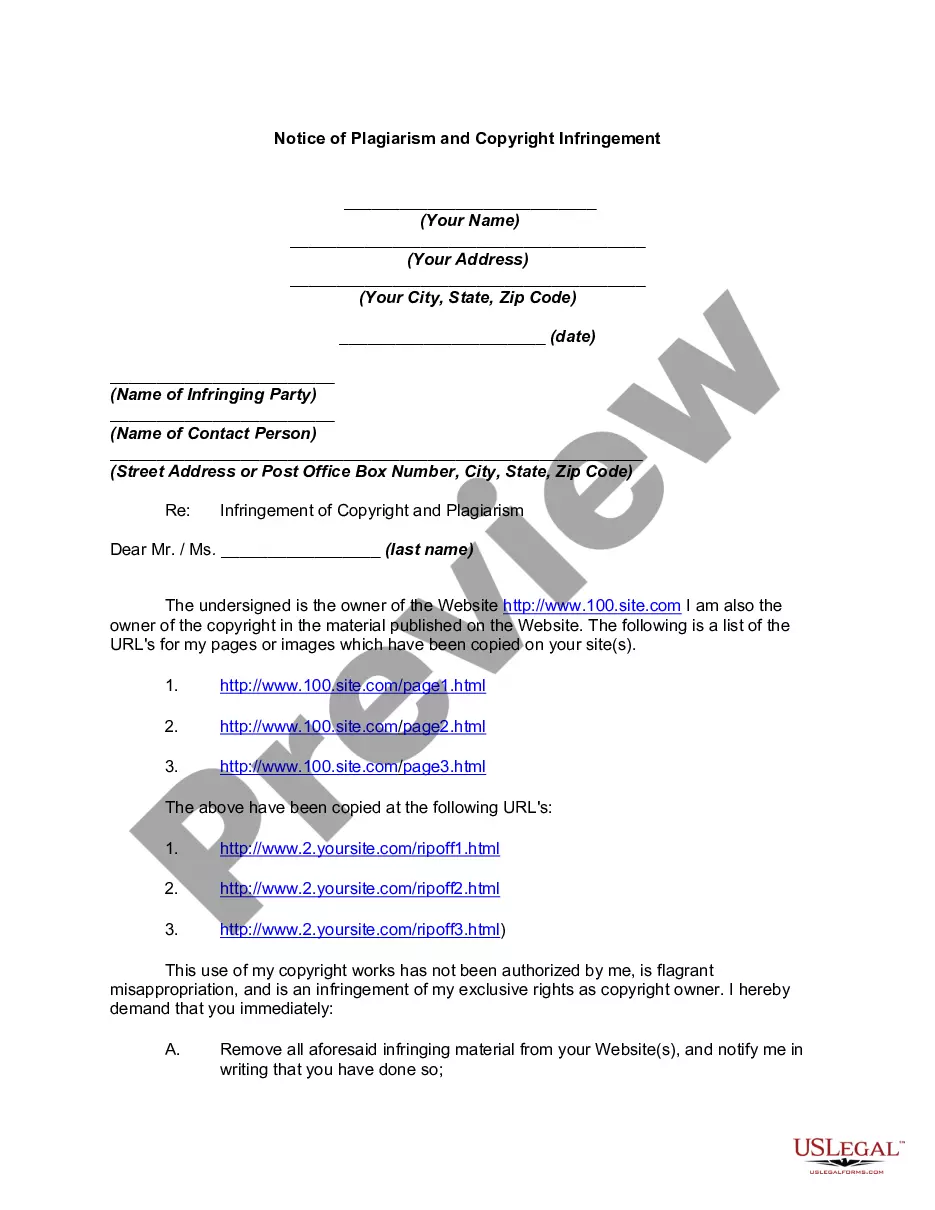
Get your form ready online
Our built-in tools help you complete, sign, share, and store your documents in one place.
Make edits, fill in missing information, and update formatting in US Legal Forms—just like you would in MS Word.
Download a copy, print it, send it by email, or mail it via USPS—whatever works best for your next step.
Sign and collect signatures with our SignNow integration. Send to multiple recipients, set reminders, and more. Go Premium to unlock E-Sign.
If this form requires notarization, complete it online through a secure video call—no need to meet a notary in person or wait for an appointment.
We protect your documents and personal data by following strict security and privacy standards.

Make edits, fill in missing information, and update formatting in US Legal Forms—just like you would in MS Word.

Download a copy, print it, send it by email, or mail it via USPS—whatever works best for your next step.

Sign and collect signatures with our SignNow integration. Send to multiple recipients, set reminders, and more. Go Premium to unlock E-Sign.

If this form requires notarization, complete it online through a secure video call—no need to meet a notary in person or wait for an appointment.

We protect your documents and personal data by following strict security and privacy standards.
Looking for another form?








Form popularity
FAQ
The six defences against patent infringement in India are the prior use defence, independent creation defence, obviousness defence, non-infringement defence, experimental use defence, and invalidity defence.
So, let's get started. Step 1: Idea incubation phase. Step 2: Patentability search (optional step) ... Step 3: Patent drafting/writing. Step 4: Filing patent application. Step 5: Publication of application. Step 6: Request for examination (RFE) ... Step 7: Response to objections. Step 8: Grant of patent.
This probably will require hiring a patent attorney. You should make sure to find an attorney who has handled patent infringement cases previously and who is familiar with your industry. Your attorney will file a formal complaint in federal court, explaining how the defendant has infringed on your patent.
Patent infringement in India can lead to civil remedies such as injunctions, damages, or an account of profits. Criminal penalties are generally not applied, but financial liability can be substantial.
The remedy against continued infringement of a patent is an injunction. In a patent infringement suit, an injunction is a court order prohibiting the manufacture, use, or sale of the patented invention. This can include prohibition of the continued use of articles made prior to the issuance of the patent.
In India, the process of patent infringement involves filing an infringement suit in court, presenting evidence of infringement, and attending hearings to argue the case. The court assesses the evidence, including expert testimony, and delivers a judgement based on the merits of the case.
Patent Infringement: Punishment ing to Patents Act (Section 120), if an individual falsely declares that any object sold by them is patented in India or is the subject of a patent application in India, they are penalised with a fine of up to ₹1 lakh.
The remedies include temporary injunction, permanent injunction, damages or account of profits.
By statute, all cases “arising under” patent law must be heard exclusively by the federal courts (not state courts) and, on appeal, by the Federal Circuit (not the twelve regional circuits).
Key sections of the Patents Act, 1970 relevant to infringement include Sections 48, 104 to 111, 113 to 115. Section 48 confers exclusive rights to the patent holder, allowing them to prevent others from making, using, selling, or importing the patented invention (i.e. product or process) without their consent.